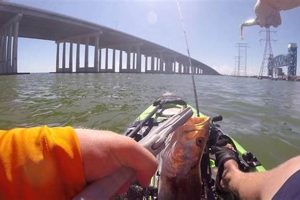
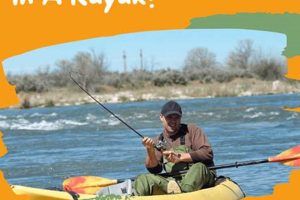
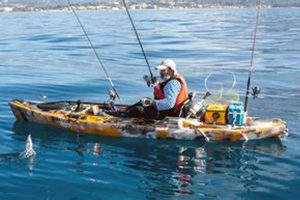
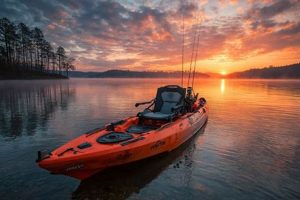
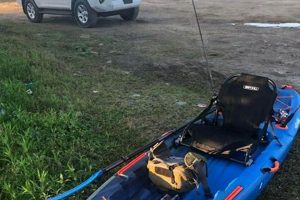
This activity involves angling from a small, human-powered watercraft in the waters surrounding Key West, Florida. It offers a unique blend of angling and exploration, allowing access to shallow-water flats, mangrove ecosystems, and backcountry channels often inaccessible to larger vessels. A typical outing might involve targeting species such as tarpon, bonefish, permit, snapper, or barracuda.
The shallow draft and maneuverability of kayaks provide a distinct advantage for reaching prime fishing grounds. This method offers a quiet, low-impact approach that minimizes disturbance to fish and their environment. Historically, small boats have played a crucial role in the fishing traditions of the Florida Keys, and modern kayaks represent an evolution of this legacy. It offers a more affordable and environmentally friendly alternative to motorized fishing charters, allowing individuals to connect with nature and experience the rich biodiversity of the region.
Further exploration of this topic will cover essential equipment, popular fishing locations, recommended techniques, and relevant regulations for ensuring a successful and responsible experience.
Tips for Kayak Fishing in Key West
Careful planning and preparation are essential for a safe and productive fishing excursion in the waters surrounding Key West. The following tips offer valuable insights for anglers of all experience levels.
Tip 1: Check Weather Conditions: Prior to departure, consult marine weather forecasts. Wind speed, direction, and tidal currents significantly impact kayak handling and fishing conditions. Postponement is recommended during inclement weather.
Tip 2: File a Float Plan: Inform someone on shore of the intended fishing location and estimated return time. This crucial safety measure ensures prompt assistance in case of emergencies.
Tip 3: Pack Essential Safety Gear: Carry a personal flotation device, a whistle, a signaling mirror, a VHF radio, and a first-aid kit. These items are critical for ensuring safety on the water.
Tip 4: Choose Appropriate Tackle: Light to medium tackle is generally suitable for targeting the species commonly found in these waters. Consult local fishing reports or bait shops for recommendations on appropriate lures and bait.
Tip 5: Practice Kayak Control: Familiarize oneself with basic paddling techniques and maneuvering skills before venturing into open water. This allows for efficient navigation and precise casting.
Tip 6: Respect Wildlife and the Environment: Practice catch-and-release fishing whenever possible. Avoid disturbing nesting birds and marine life. Properly dispose of all fishing line and trash.
Tip 7: Stay Hydrated: The Florida Keys climate can be extremely hot and sunny. Pack plenty of water and wear appropriate sun protection.
Adherence to these guidelines contributes significantly to a safe, enjoyable, and environmentally responsible fishing experience. Careful planning and responsible practices ensure the preservation of this valuable natural resource for future generations.
By following these tips, anglers can maximize their chances of success while minimizing risks and promoting sustainable fishing practices.
1. Stable Kayak

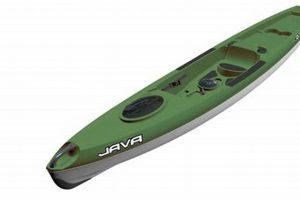
Kayak stability forms a cornerstone of successful fishing expeditions in Key West. A stable platform is paramount for casting accuracy, fighting fish effectively, and ensuring angler safety, particularly in the variable conditions often encountered in open water and shallow flats. Choosing the right kayak significantly impacts the overall fishing experience.
- Hull Design and Stability
Hull design directly influences stability. Wider, flatter hulls offer greater initial stability, ideal for calmer waters and sight fishing. “Pontoon-style” hulls maximize stability. However, these designs may sacrifice maneuverability and speed compared to narrower, V-shaped hulls which excel in rougher conditions but require more experience to balance. Selecting a hull design appropriate for the anticipated fishing environment is crucial.
- Impact on Casting and Retrieving
A stable kayak allows anglers to cast and retrieve with confidence, minimizing the risk of capsizing during these dynamic movements. Standing to cast, while requiring practice and balance, offers significant advantages in sight fishing, particularly in shallow flats. A stable platform enables this technique, broadening angling opportunities.
- Safety and Confidence in Varying Conditions
Key West waters can present varied conditions, from calm flats to choppy channels. A stable kayak provides a secure platform, boosting angler confidence and minimizing the risk of capsizing in unexpected swells or wakes. This enhanced safety margin is particularly important when handling fish or navigating challenging currents.
- Considerations for Different Fishing Styles
Different fishing styles necessitate varying degrees of stability. Trolling requires less stability than still fishing or sight casting, where subtle movements can spook fish. Anglers targeting larger game fish, such as tarpon, benefit significantly from a highly stable kayak to manage the powerful runs and jumps of these species.
Ultimately, kayak stability directly impacts angling success and safety in Key West. Selecting a kayak with appropriate stability characteristics for the target fishing style and expected water conditions ensures a more productive and enjoyable experience. Prioritizing stability contributes to angler confidence, facilitating efficient casting, effective fish fighting, and a secure platform in the diverse waters surrounding Key West.
2. Appropriate Tackle

Tackle selection significantly impacts fishing success in the Key West environment. Matching equipment to target species and prevailing conditions optimizes catch rates and enhances the overall angling experience. Careful consideration of rod, reel, line, and lure choices is essential for effective kayak fishing in this diverse ecosystem.
- Rod and Reel Combinations
Lightweight spinning or baitcasting rod and reel combinations are generally preferred for kayak fishing in Key West. Rod length should be manageable within the confines of a kayak, typically ranging from 6 to 7.5 feet. Reels should be durable and corrosion-resistant, capable of handling the targeted species. Balanced outfits facilitate precise casting and effective fish fighting.
- Line Selection for Target Species
Line choice depends heavily on the target species. Light braided lines offer sensitivity and strength, ideal for bonefish and permit. Heavier monofilament or fluorocarbon lines are preferred for larger species like tarpon or snapper. Line weight should be balanced against the rod and reel capabilities to avoid break-offs or equipment damage.
- Lure Choices for Key West Waters
Key West waters offer diverse fishing opportunities. Jigs, soft plastics, and spoons are effective for many inshore species. Fly fishing enthusiasts often employ shrimp or crab imitations. Live bait, such as shrimp or small crabs, can also be highly effective. Lure selection should consider the target species’ feeding habits and prevailing water conditions.
- Essential Accessories and Tools
Essential accessories include a landing net, pliers, line cutters, and a selection of hooks, weights, and swivels. A tackle box or bag keeps equipment organized and readily accessible within the limited space of a kayak. These tools facilitate efficient line management, hook removal, and safe handling of fish.
Appropriate tackle selection enhances fishing success and enjoyment in the Key West environment. Matching equipment to target species and prevailing conditions optimizes catch rates and facilitates a more rewarding experience. Careful consideration of rod, reel, line, lure, and accessory choices contributes significantly to a successful kayak fishing outing in these diverse waters.

Effective navigation is crucial for successful kayak fishing in Key West. Precise positioning and efficient movement maximize fishing time and access to prime locations. Understanding tides, currents, and utilizing navigational aids ensures angler safety and contributes significantly to a productive outing.
- Chart and Compass Reading
Interpreting nautical charts and utilizing a compass allows anglers to plan routes, locate fishing grounds, and navigate safely in unfamiliar waters. Understanding chart symbols, depths, and landmarks is essential for identifying potential hazards and navigating accurately to desired locations. Compass proficiency ensures accurate bearing maintenance, particularly in areas with limited visibility or when navigating through mangrove channels.
- Tide and Current Awareness
Tidal flows and currents significantly impact kayak movement and fishing conditions in Key West. Understanding tidal cycles and their influence on water depth and current direction allows anglers to plan fishing strategies effectively. Fishing during slack tide, when currents are minimal, facilitates precise lure presentation and drift control. Navigating with the current conserves energy and maximizes range.
- GPS and Electronic Navigation
GPS devices and electronic charts provide valuable navigational assistance, particularly in open water. These tools offer accurate position information, track movement, and aid in locating waypoints and fishing hotspots. Integrating electronic navigation with traditional methods enhances situational awareness and safety. However, maintaining proficiency in basic chart and compass skills remains essential as a backup in case of electronic failure.
- Local Knowledge and Landmark Recognition
Local knowledge of Key West waters, including prominent landmarks, channels, and potential hazards, enhances navigational efficiency and safety. Familiarity with local fishing regulations, restricted areas, and shallow water zones minimizes disruption to the environment and avoids legal issues. Consulting local fishing guides or experienced kayakers can provide valuable insights and improve navigational confidence.
Proficient navigation skills contribute significantly to successful kayak fishing in Key West. Accurate positioning, efficient movement, and awareness of tides, currents, and local conditions maximize fishing opportunities and ensure angler safety. Integrating traditional navigation methods with modern electronic tools enhances overall navigational effectiveness and contributes to a more rewarding and safe fishing experience.
4. Safety Equipment

Safety equipment is paramount for kayak fishing in Key West. The open water environment presents inherent risks, and proper safety measures are crucial for mitigating these risks and ensuring a positive experience. Preparedness and appropriate equipment contribute significantly to angler well-being and allow for a focus on enjoying the fishing experience.
- Personal Flotation Device (PFD)
A properly fitted PFD is non-negotiable. It provides essential buoyancy in the event of capsizing or an unexpected entry into the water. Key West waters can be subject to changing conditions, and a PFD offers a critical safety net. Inflatable PFDs offer greater comfort and freedom of movement but require regular maintenance and inspection.
- Signaling Devices
Visual and auditory signaling devices are essential for attracting attention in case of an emergency. A whistle, a signaling mirror, and a waterproof VHF radio provide multiple communication options. A VHF radio allows direct communication with the Coast Guard and other vessels, facilitating rapid response in distress situations. Visual signals, like flares or a strobe light, can be especially effective in low-light conditions.
- First-Aid and Emergency Kit
A comprehensive first-aid kit, including essential medications, bandages, antiseptic wipes, and sunscreen, addresses minor injuries and provides initial care for more serious incidents. Including items specific to the marine environment, such as seasickness medication or a marine sting relief product, further enhances preparedness. Storing the kit in a waterproof container ensures its usability in wet conditions.
- Navigation and Communication Tools
Navigation tools, such as a GPS, chart, and compass, are vital for maintaining orientation and planning safe routes. A waterproof cell phone or satellite communication device offers additional communication options. These tools are especially important when fishing in remote locations or unfamiliar waters. Regularly checking weather forecasts before departure and carrying a waterproof map of the area further enhances safety.
Prioritizing safety equipment enhances the overall kayak fishing experience in Key West. Adequate preparation allows anglers to focus on enjoying the sport while mitigating potential risks. Carrying and understanding the function of essential safety gear ensures a safer and more enjoyable outing in these dynamic waters.
5. Local Regulations

Adherence to local regulations is essential for responsible kayak fishing in Key West. These regulations aim to protect fish populations, preserve sensitive habitats, and ensure sustainable fishing practices for future generations. Understanding and complying with these rules contributes to the overall health of the ecosystem and the longevity of the sport.
- Fishing Licenses and Permits
Possessing a valid Florida fishing license is mandatory for all anglers, including those fishing from kayaks. Specific permits may be required for certain species or fishing locations, such as protected areas or sanctuaries. Information on licensing requirements and permit applications is available through the Florida Fish and Wildlife Conservation Commission (FWC).
- Size and Bag Limits
Size and bag limits regulate the size and quantity of fish that can be legally harvested. These limits vary by species and are designed to protect breeding populations and maintain healthy stock levels. Adhering to these limits prevents overfishing and ensures the sustainability of the fishery. Regulations are subject to change, so checking current FWC guidelines before fishing is crucial.
- Protected Species and Areas
Certain species, such as sawfish and some corals, are protected and cannot be harvested. Designated areas, including marine sanctuaries and seagrass beds, may have specific regulations regarding fishing activities or access restrictions. Understanding these protected species and areas is essential for avoiding unintentional violations and preserving sensitive habitats. Detailed information on protected species and areas is available through the FWC and National Oceanic and Atmospheric Administration (NOAA) websites.
- Gear Restrictions
Regulations may restrict certain fishing gear types or methods in specific areas. For example, the use of gill nets or certain types of traps may be prohibited. These restrictions aim to minimize bycatch, protect vulnerable species, and ensure fair fishing practices. Familiarizing oneself with gear restrictions applicable to the intended fishing location ensures compliance and avoids potential penalties.
Compliance with local regulations contributes significantly to the sustainability of kayak fishing in Key West. By adhering to these rules, anglers participate in responsible fishing practices that protect the environment and preserve fishing opportunities for future generations. Staying informed about current regulations ensures a legal and ethical fishing experience, contributing to the overall health of the Key West ecosystem.
6. Environmental Awareness
Environmental awareness is integral to responsible kayak fishing in Key West. The sensitive ecosystem of the Florida Keys requires anglers to minimize their impact and actively contribute to preservation efforts. Understanding the interconnectedness of the marine environment and adopting sustainable fishing practices ensures the health of this valuable resource for future generations.
- Minimizing Disturbance to Marine Life
Kayaks offer a quiet, non-intrusive approach to fishing, minimizing disturbance compared to motorized vessels. However, careful maneuvering around seagrass beds, coral reefs, and nesting bird colonies is crucial. Avoiding shallow areas or sensitive habitats during high tide helps prevent damage from kayaks grounding. Respectful observation distances should be maintained when encountering marine wildlife, allowing animals to behave naturally without stress.
- Proper Waste Disposal and Pollution Prevention
Disposing of fishing line, hooks, and other waste properly is critical. Discarding these items in designated receptacles or carrying them back to shore prevents entanglement of marine life and minimizes plastic pollution. Avoiding the use of single-use plastics and opting for reusable containers further reduces environmental impact. Fuel spills, even small ones, can have detrimental effects; anglers should take precautions to prevent spills and carry absorbent materials for immediate cleanup if needed.
- Catch-and-Release Practices
Practicing catch-and-release fishing helps conserve fish populations and maintain a healthy ecosystem. Using appropriate tackle and handling techniques minimizes stress and injury to released fish. Minimizing air exposure and handling time reduces physiological stress. Using barbless hooks facilitates quicker and less damaging hook removal. Reviving fish properly before release increases their survival rate, particularly in warmer waters.
- Habitat Preservation and Restoration
Anglers can actively participate in habitat preservation by supporting local conservation initiatives or participating in organized cleanup events. Reporting observations of unusual environmental conditions, such as algal blooms or injured wildlife, to relevant authorities assists with environmental monitoring and management efforts. Supporting organizations dedicated to seagrass restoration or coral reef protection contributes directly to enhancing the health and resilience of the Key West ecosystem.
Environmental awareness elevates kayak fishing in Key West from a recreational activity to a responsible interaction with nature. By embracing sustainable practices and actively contributing to conservation efforts, anglers ensure the long-term health of the Florida Keys ecosystem and the continued enjoyment of this unique fishing experience for generations to come.
Frequently Asked Questions
This section addresses common inquiries regarding kayak fishing in Key West, providing concise and informative responses to assist anglers in planning and executing successful outings.
Question 1: What are the most common fish species targeted by kayak anglers in Key West?
Targeted species frequently include tarpon, bonefish, permit, snapper, barracuda, and various other inshore species. Species availability varies seasonally.
Question 2: Is prior kayaking experience necessary for kayak fishing in Key West?
Prior kayaking experience is beneficial but not strictly required. Beginners should familiarize themselves with basic paddling techniques and practice in calm water before venturing into more challenging conditions. Guided tours are available for novice anglers.
Question 3: What is the best time of year for kayak fishing in Key West?
Fishing is generally productive year-round, but specific species have peak seasons. Tarpon are prevalent in the spring and summer months. Bonefish and permit are often targeted in the fall and winter. Local fishing reports provide updated information on seasonal trends.
Question 4: Where can kayaks be rented or launched in Key West?
Several outfitters throughout Key West offer kayak rentals and guided fishing tours. Public boat ramps and launch sites provide access for privately owned kayaks. Researching launch locations in advance ensures convenient access to desired fishing areas.
Question 5: What safety precautions should be taken when kayak fishing in Key West?
Wearing a personal flotation device (PFD) is crucial. Checking weather conditions before departure and carrying essential safety equipment, such as a whistle, signaling mirror, and VHF radio, are highly recommended. Informing someone on shore of the intended fishing location and estimated return time enhances safety.
Question 6: Are there specific regulations or restrictions regarding kayak fishing in certain areas of Key West?
Specific regulations apply to certain areas, including protected zones and sanctuaries. Size and bag limits exist for various species. Consulting the Florida Fish and Wildlife Conservation Commission (FWC) website provides detailed information on current regulations and ensures legal compliance.
Careful planning and responsible practices contribute significantly to a safe and enjoyable kayak fishing experience in Key West. Adhering to regulations and respecting the environment ensures the preservation of this valuable resource.
For further information or specific inquiries, consulting local fishing guides or contacting the FWC is recommended.
Kayak Fishing in Key West
Kayak fishing in Key West offers a unique blend of angling and exploration within a diverse and ecologically significant environment. From the technical aspects of kayak selection and tackle preparation to the importance of navigational skills and adherence to local regulations, successful outings require careful planning and execution. Prioritizing safety equipment and embracing environmentally responsible practices ensures both angler well-being and the preservation of this valuable natural resource.
The rewarding experience of engaging with the vibrant marine ecosystem of the Florida Keys carries a responsibility to protect its delicate balance. Through informed decision-making and a commitment to sustainable practices, kayak fishing in Key West can continue to offer enriching experiences for anglers while safeguarding the natural beauty and biodiversity of this unique destination for generations to come. Continued exploration and understanding of this dynamic environment will further enhance appreciation for its ecological significance and the importance of responsible stewardship.