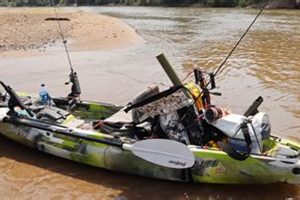
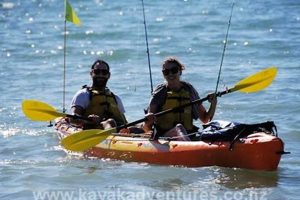
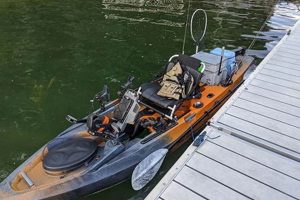
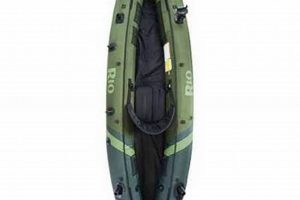
Competitive angling from small, human-powered vessels is a growing sport, attracting participants of all skill levels. These competitions, often held on lakes and rivers across the Hawkeye State, typically involve anglers vying for prizes based on the size and/or quantity of fish caught within a specific timeframe. Specific rules and regulations, often determined by the tournament organizers, ensure fair play and conservation efforts.
These events offer a unique blend of sporting challenge, camaraderie, and engagement with nature. They provide a platform for anglers to test their skills against others, contribute to local economies through tourism and related expenditures, and promote environmental awareness. The rising popularity of this type of competition reflects a broader trend toward accessible and sustainable outdoor recreation. This growth can be attributed to factors such as the relatively low cost of entry compared to traditional motorized boat fishing, the physical challenge it presents, and the intimate connection it fosters with aquatic environments.
The following sections will delve deeper into specific aspects of competitive kayak angling in Iowa, including popular species targeted, common tournament formats, recommended equipment, and resources for finding and participating in these events.
Tips for Competitive Kayak Angling
Success in tournament kayak fishing requires preparation, strategic thinking, and adaptability. The following tips offer guidance for anglers seeking to improve their performance and overall experience.
Tip 1: Master Boat Control: Precise maneuvering is crucial. Practice paddling, positioning, and anchoring efficiently, especially in windy conditions or strong currents. This allows anglers to focus on fishing rather than constantly adjusting position.
Tip 2: Optimize Tackle and Gear: Select rods, reels, and lines appropriate for the target species and fishing techniques permitted in the tournament. Organize tackle for quick access and minimize clutter in the limited space of a kayak.
Tip 3: Research the Venue: Study maps, depth charts, and historical fishing data for the competition waters. Identify potential hotspots, understand prevalent fish behavior, and formulate a pre-fishing strategy.
Tip 4: Prioritize Safety: Always wear a personal flotation device (PFD). Carry essential safety equipment, including a whistle, first-aid kit, and communication device. Inform someone of your fishing plans and expected return time.
Tip 5: Understand the Rules: Thoroughly review the tournament regulations regarding permitted fishing methods, size and creel limits, boundaries, and any specific equipment restrictions.
Tip 6: Practice Catch and Release Techniques: Proper handling ensures the survival of released fish, contributing to the sustainability of the fishery. Minimize air exposure and handle fish gently using wet hands or a landing net.
Tip 7: Observe Weather Conditions: Monitor forecasts closely before and during the tournament. Adapt fishing strategies based on changing weather patterns, including wind, temperature, and precipitation.
By focusing on these key areas, anglers can significantly enhance their competitive edge, ensuring both a rewarding and responsible tournament experience. These preparations contribute to improved performance and a greater appreciation for the sport.
This foundation of knowledge and preparation provides a strong base for anglers to build upon as they pursue success in competitive kayak fishing.
1. Competition

The competitive element is central to Iowa kayak fishing tournaments, driving participant engagement and shaping the overall experience. It provides a structured environment where anglers can test their skills, knowledge, and strategic thinking against fellow competitors. This focus on performance distinguishes tournament fishing from recreational angling, introducing elements of pressure, strategy, and measurable outcomes.
- Skill Assessment:
Tournaments offer a direct way to assess angling proficiency. Success depends on a combination of factors, including fish identification, lure selection, casting accuracy, and effective retrieval techniques. Anglers must adapt to changing conditions, such as weather patterns and fish behavior, demonstrating their versatility and problem-solving skills. Superior performance in these areas often translates to higher rankings and potential prizes.
- Strategic Decision-Making:
Competitive kayak fishing demands strategic planning and in-tournament adjustments. Pre-fishing scouting, analyzing weather forecasts, and choosing optimal fishing locations contribute to success. During the event, anglers must make real-time decisions about where to fish, what techniques to employ, and how to manage their time efficiently. Strategic choices can significantly impact results, differentiating top performers from the rest of the field.
- Sportsmanship and Camaraderie:
While competition emphasizes individual performance, it also fosters a sense of community and sportsmanship. Anglers often share information and tips, creating a supportive atmosphere. Respect for fellow competitors, adherence to tournament rules, and ethical fishing practices are essential aspects of the competitive environment. These shared values strengthen the angling community and promote responsible participation.
- Prizes and Recognition:
The pursuit of prizes and recognition adds another layer of motivation to the competitive landscape. Tournaments offer a range of awards, from cash prizes to trophies and sponsored merchandise. These rewards acknowledge angler accomplishments and provide tangible incentives for participation. The prospect of winning can fuel dedication to practice and preparation, driving continuous improvement within the sport.
The competitive structure of these tournaments elevates the experience beyond recreational fishing. It encourages anglers to refine their skills, develop strategic thinking, and engage with the sport on a deeper level. The combination of skill assessment, strategic decision-making, sportsmanship, and the pursuit of recognition creates a dynamic and engaging competitive environment that benefits both individual anglers and the broader kayak fishing community in Iowa.
2. Kayak Angling

Kayak angling forms the foundation of Iowa kayak fishing tournaments. Understanding its nuances is essential for appreciating the complexities and challenges these competitions present. It represents a specialized form of fishing that demands adaptation and strategic thinking, setting it apart from traditional boat-based angling.
- Accessibility and Affordability:
Kayaks offer a relatively accessible entry point into fishing, requiring a smaller financial investment compared to motorized boats. This affordability broadens participation in tournaments, attracting anglers of diverse backgrounds and experience levels. The lower cost of entry contributes to the growth and inclusivity of competitive kayak fishing in Iowa.
- Maneuverability and Stealth:
Kayaks excel in navigating shallow waters, tight spaces, and areas inaccessible to larger vessels. Their quiet operation allows anglers to approach fish stealthily, minimizing disturbance and increasing the chances of a successful catch. This maneuverability opens up a wider range of fishing locations within Iowa’s diverse waterways and plays a crucial role in tournament strategy.
- Physical Engagement and Challenge:
Kayak fishing demands physical exertion, engaging core muscles and upper body strength for paddling and maneuvering. This physical element adds a unique dimension to the sport, challenging anglers both mentally and physically. The physical demands of kayak angling contribute to the rewarding sense of accomplishment experienced during tournaments.
- Connection with Nature:
The intimate nature of kayak fishing fosters a closer connection with the aquatic environment. Anglers experience the water and its surroundings from a unique perspective, enhancing their appreciation for nature. This connection to the outdoors adds a distinct element to the overall experience of participating in Iowa kayak fishing tournaments.
These facets of kayak angling directly influence the dynamics of Iowa kayak fishing tournaments. Accessibility encourages participation, maneuverability shapes strategic decisions, physical demands test endurance, and the close connection with nature enriches the overall experience. The combination of these elements creates a distinctive and engaging competitive environment within the broader context of Iowa’s fishing scene.
3. Iowa Locations
The diverse array of Iowa locations plays a crucial role in shaping the character and appeal of kayak fishing tournaments. The state’s network of rivers, lakes, and reservoirs offers varied fishing environments, each presenting unique challenges and opportunities for anglers. The specific location chosen for a tournament influences target species, fishing techniques, and overall tournament dynamics.
For instance, the Des Moines River, with its current and deeper pools, provides a suitable habitat for walleye and catfish. Tournaments held on this river might focus on these species, encouraging trolling or bottom fishing techniques. In contrast, smaller lakes like Big Creek Lake or Lake Rathbun, known for their bass and panfish populations, might favor casting and retrieving techniques from kayaks. Saylorville Reservoir, with its vast expanse, presents opportunities for both open-water and shallow-water fishing, demanding adaptability from tournament participants. Understanding the characteristics of each location is paramount for pre-tournament preparation and successful angling strategies.
The selection of specific locations also impacts logistical considerations for tournament organizers. Access points, parking availability, and proximity to amenities like boat ramps and weigh-in stations influence the choice of venue. Furthermore, the ecological health and fish populations of a given location are crucial factors. Sustainable tournament practices, including catch-and-release guidelines, help preserve these resources for future competitions and recreational fishing. Therefore, the interplay between location choice and tournament logistics is a vital aspect of organizing and executing successful kayak fishing competitions in Iowa. Careful consideration of these factors ensures a positive experience for participants and promotes the long-term health of Iowas aquatic ecosystems.
4. Regulations and Rules

Regulations and rules are integral to the structure and integrity of Iowa kayak fishing tournaments. They provide a framework for fair competition, promote conservation, and ensure the safety of participants. These rules, often a combination of state fishing regulations and tournament-specific guidelines, govern various aspects of the competition, impacting angler behavior and overall tournament outcomes. A clear understanding of these regulations is crucial for all participants.
State fishing regulations, enforced by the Iowa Department of Natural Resources, establish baseline rules for all anglers, including those participating in tournaments. These regulations cover aspects such as licensing requirements, size and creel limits for different species, permitted fishing methods, and seasonal restrictions. For example, regulations might specify a minimum length for keeping a largemouth bass or prohibit the use of certain types of live bait. Tournament organizers build upon these state regulations, adding specific rules tailored to the competition. These might include boundaries for the fishing area, designated weigh-in procedures, permitted fishing hours, and any restrictions on equipment or techniques. For example, a tournament might restrict the use of motorized propulsion on kayaks or mandate the use of specific types of hooks for conservation purposes. These tournament-specific rules are designed to create a level playing field, ensuring fair competition among participants. Ignoring these regulations can lead to penalties, disqualification from the tournament, or even legal repercussions.
The interplay between state regulations and tournament-specific rules creates a comprehensive framework that governs Iowa kayak fishing tournaments. This structured environment ensures fair competition, promotes ethical angling practices, and contributes to the sustainability of Iowa’s fisheries. Understanding and adhering to these rules is not merely a requirement for participation but a demonstration of respect for the sport, fellow competitors, and the natural environment. This understanding is essential for the continued success and positive impact of kayak fishing tournaments within the state.
5. Prizes and Awards

Prizes and awards form a significant component of Iowa kayak fishing tournaments, serving as both incentives for participation and recognition of angler achievement. They contribute to the competitive spirit of these events, motivating anglers to refine their skills and strategies. The structure and value of prize offerings vary depending on tournament size, sponsorship levels, and specific tournament goals. Understanding the role and types of prizes and awards provides insights into the motivations and aspirations of tournament participants.
- Types of Awards:
Prizes in kayak fishing tournaments typically range from cash payouts to merchandise, trophies, and gift certificates. Cash prizes often increase with tournament ranking, with the highest payouts awarded to the top finishers. Merchandise prizes may include fishing gear, apparel, or outdoor equipment relevant to kayak angling. Trophies serve as symbolic representations of achievement, often awarded for specific categories like “biggest fish” or “most fish caught.” The variety of prize offerings caters to diverse angler preferences and adds to the overall excitement and anticipation surrounding the tournament.
- Sponsorship and Prize Pools:
Sponsorships from local businesses, fishing industry brands, and conservation organizations play a vital role in funding prizes and awards. The level of sponsorship directly impacts the value and variety of prizes offered, enhancing the prestige and attractiveness of the tournament. Larger tournaments with substantial sponsorship may offer higher cash prizes and a wider range of merchandise, attracting a larger and more competitive field of participants. Sponsor involvement also contributes to the promotion and visibility of the tournament, benefiting both the organizers and the sponsors themselves.
- Impact on Participation and Competition:
The prospect of winning prizes and gaining recognition motivates anglers to participate and strive for peak performance. The value and prestige of the prizes offered can influence the level of competition, attracting skilled anglers seeking both recognition and tangible rewards. The competitive atmosphere generated by the pursuit of prizes contributes to the overall excitement and intensity of the tournament experience. This dynamic fosters a sense of accomplishment and encourages continuous improvement among participants.
- Recognition and Achievement:
Beyond the monetary value, prizes and awards represent recognition of skill, dedication, and sportsmanship within the kayak angling community. Winning a tournament or achieving a high ranking provides a sense of accomplishment and validation for the effort invested in honing fishing skills and strategies. Public acknowledgment of angler achievements through awards ceremonies and media coverage further enhances this recognition, contributing to the angler’s reputation and standing within the competitive fishing community.
The system of prizes and awards within Iowa kayak fishing tournaments serves multiple purposes. It incentivizes participation, fuels competition, recognizes achievement, and contributes to the overall growth and development of the sport. The various types of awards, the influence of sponsorships, and the motivational impact of prizes combine to create a dynamic and rewarding competitive environment. This structure fosters a sense of community and shared pursuit of excellence among kayak anglers in Iowa. The allure of prizes and the prestige of recognition contribute significantly to the popularity and continued evolution of competitive kayak fishing within the state.
Frequently Asked Questions
This section addresses common inquiries regarding competitive kayak angling in Iowa, providing clarity on key aspects of participation, regulations, and the overall tournament experience. Understanding these points can assist prospective competitors in making informed decisions and preparing effectively.
Question 1: What are the typical entry fees for these competitions?
Entry fees vary depending on the tournament’s scale, prize structure, and organizational costs. Smaller, local events may have lower fees, while larger, regional competitions often involve higher entry costs.
Question 2: Are there specific license requirements for tournament participation?
A valid Iowa fishing license is generally required for participation. It’s essential to ensure compliance with all current state fishing regulations.
Question 3: What types of kayaks are typically used in these tournaments?
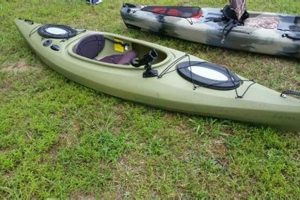
While specific kayak models vary among competitors, sit-on-top kayaks are often preferred for their stability and ease of access to gear.
Question 4: How are fish typically measured and weighed during competitions?
Tournaments commonly utilize standardized measuring boards and scales to ensure accurate and consistent recording of fish sizes and weights.
Question 5: Are there specific rules regarding the use of electronics, such as fish finders?
Regulations regarding electronics vary by tournament. Some competitions may allow fish finders, while others may prohibit them. Consulting the specific tournament rules is crucial.
Question 6: How can one find information about upcoming kayak fishing tournaments in Iowa?
Information about upcoming tournaments can be found through online fishing forums, local bait and tackle shops, and announcements from Iowa fishing organizations.
Thorough preparation, adherence to regulations, and an understanding of tournament-specific rules are critical for a successful and enjoyable competitive kayak fishing experience. Consulting official resources and engaging with experienced anglers can provide further valuable insights.
For those interested in further exploration, resources and contact information for Iowa kayak fishing organizations are provided in the following section.
Iowa Kayak Fishing Tournaments
This exploration of competitive kayak angling in Iowa has highlighted key aspects of the sport, from the unique challenges and rewards it offers to the importance of regulations and the role of prizes and awards. The growth of these tournaments reflects broader trends in outdoor recreation, emphasizing accessibility, sustainability, and a close connection with nature. Understanding the specific demands of kayak fishing, including boat control, strategic tackle selection, and knowledge of local waters, is crucial for competitive success. Furthermore, adherence to regulations and a commitment to ethical fishing practices ensure the long-term health of Iowa’s aquatic ecosystems and the continued enjoyment of the sport.
The future of competitive kayak fishing in Iowa appears promising, with increasing participation and the potential for continued growth. As the sport evolves, maintaining a balance between competition, conservation, and camaraderie will be essential for its sustained success. Anglers, organizers, and stakeholders share a responsibility to promote responsible fishing practices and ensure the preservation of Iowa’s valuable natural resources. The combination of skill, strategy, and respect for the environment will shape the future of this dynamic and engaging sport.