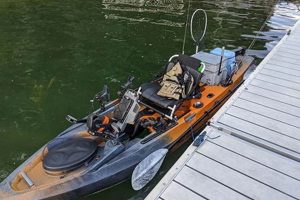
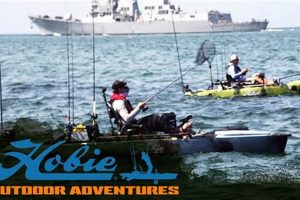
This activity involves angling from a small, human-powered vessel in the coastal waters off Punta Cana, Dominican Republic. It offers a unique blend of sport and engagement with the natural environment, allowing anglers to access shallow-water habitats often inaccessible to larger boats. For example, one might paddle through mangrove forests or navigate close to reefs, targeting species such as bonefish, tarpon, snook, and snapper.
The relatively quiet and non-intrusive nature of this approach can increase the chances of encountering diverse marine life. It offers a sustainable and environmentally conscious way to enjoy the region’s rich biodiversity. Historically, small boats have been employed for fishing in this area, evolving from traditional dugout canoes to modern kayaks equipped with specialized fishing gear. This evolution reflects both the cultural importance of fishing and the adaptation of techniques for both sustenance and recreation.
This practice encompasses various aspects, including the choice of appropriate equipment, understanding local regulations, and employing effective angling strategies. Further exploration will cover the specifics of tackle selection, preferred locations for different species, and responsible fishing practices in this vibrant ecosystem.
Tips for Kayak Fishing in Punta Cana
Careful planning and preparation are crucial for a successful and enjoyable experience. These guidelines offer valuable insights for anglers of all skill levels.
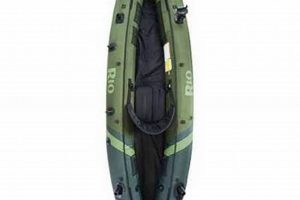
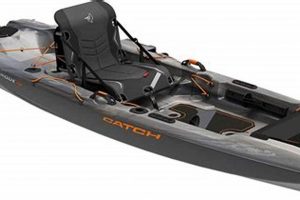
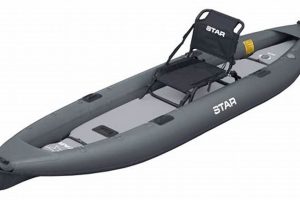
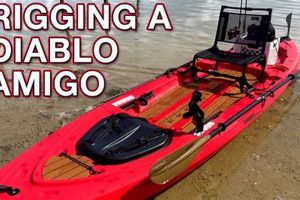
Tip 1: Choose the Right Kayak: Select a stable, sit-on-top kayak designed for fishing. Features like rod holders, storage compartments, and comfortable seating enhance the experience. Wider kayaks offer increased stability, while longer kayaks provide better tracking in open water.
Tip 2: Research Local Regulations: Obtain necessary fishing licenses and familiarize oneself with local regulations regarding catch limits and permitted fishing zones. Respecting these rules ensures the sustainability of the fishery.
Tip 3: Pack Essential Gear: Carry essential equipment, including appropriately weighted fishing rods, reels, lines, hooks, lures, and bait suitable for targeted species. Safety gear like a life jacket, whistle, and first-aid kit is mandatory.
Tip 4: Plan for Weather Conditions: Check the marine forecast before embarking on any trip. Avoid venturing out in strong winds, rough seas, or lightning storms. Be prepared for changing conditions and dress accordingly.
Tip 5: Hire a Local Guide: Consider engaging the services of a local guide, especially for those unfamiliar with the area. Guides possess invaluable knowledge of local fishing spots, species behavior, and effective techniques.
Tip 6: Practice Paddle Strokes: Develop proficiency in basic paddle strokes for efficient maneuvering and maintaining control of the kayak, especially in currents or windy conditions.
Tip 7: Respect the Environment: Practice catch-and-release whenever possible, handle fish with care, and avoid disturbing marine habitats. Properly dispose of any fishing line or other waste materials.
By adhering to these recommendations, anglers can maximize their chances of a rewarding and safe experience while contributing to the preservation of this valuable ecosystem.
These tips offer a starting point for anglers seeking to explore the waters off Punta Cana. Further research and preparation will enhance the overall experience and ensure a memorable adventure.
1. Target Species

The diverse fish populations inhabiting the waters off Punta Cana contribute significantly to the appeal of kayak fishing in the region. Target species vary based on angler preference and the specific habitat explored. Inshore species accessible from a kayak include barracuda, known for their aggressive strikes, bonefish, prized for their speed and challenging fight, and snook, which inhabit mangrove-lined estuaries. Offshore species like mahi-mahi and wahoo, while sometimes accessible to experienced kayak anglers, typically require longer excursions further from the coast. Understanding the habits and preferred habitats of these species influences tackle choices and fishing strategies.
Selecting appropriate gear and techniques based on the target species enhances angling success. For example, when targeting barracuda, wire leaders are essential due to their sharp teeth. Fly fishing enthusiasts seeking bonefish often employ specialized lightweight rods and reels. Live bait can be effective for snook, especially around mangrove roots and structures. Matching tackle and techniques to the specific target species optimizes the chances of a successful hookup. Furthermore, understanding the seasonal presence of certain species contributes to a more productive fishing experience.
Successful kayak fishing in Punta Cana relies heavily on accurate species identification and employing ethical fishing practices. Adhering to local regulations regarding catch limits and size restrictions for specific species ensures the sustainability of the fishery. Practicing catch-and-release, especially for sensitive species, contributes to the long-term health of the fish population. Responsible angling practices are essential for preserving the vibrant ecosystem and ensuring continued enjoyment of this activity for future generations.
2. Equipment Selection

Appropriate equipment selection significantly impacts the success and enjoyment of kayak fishing in Punta Cana. Choosing specialized gear designed for this activity enhances safety, improves fishing effectiveness, and contributes to a more comfortable experience. Understanding the function and purpose of various components allows anglers to make informed decisions based on their individual needs and target species.
- Kayak Choice
A sit-on-top kayak designed for stability and maneuverability is essential. Features such as rod holders, storage compartments, and anchor trolleys optimize fishing functionality. Kayak length and width should be considered based on anticipated water conditions and angler preference. Shorter kayaks are more maneuverable in mangroves, while longer kayaks offer better tracking in open water.
- Rods and Reels
Lightweight, yet robust rods and reels suitable for saltwater fishing are recommended. Spinning reels are versatile and well-suited for a variety of techniques. Rod length and action should be chosen based on target species and fishing style. Medium-heavy rods with fast action are suitable for larger species like barracuda, while lighter rods are preferred for bonefish or snapper.
- Fishing Line and Terminal Tackle
Braided fishing line offers superior strength and sensitivity compared to monofilament, allowing for better hooksets and improved detection of bites. Leaders made of fluorocarbon are less visible underwater and provide abrasion resistance when fishing near reefs or structures. Hooks, swivels, and weights should be chosen based on target species and bait or lure selection.
- Safety Equipment
Prioritizing safety is paramount. Essential safety gear includes a personal flotation device (PFD), a whistle, a signaling device, and a first-aid kit. A waterproof bag or container protects electronic devices and other valuables from water damage. A paddle leash prevents accidental loss of the paddle in case of a capsize.
The careful selection of appropriate equipment directly influences the overall experience of kayak fishing in Punta Cana. Investing in quality gear enhances angler safety, increases the likelihood of catching target species, and contributes to a more comfortable and enjoyable time on the water. Appropriate gear allows anglers to focus on the fishing experience rather than contending with equipment limitations.
3. Location Scouting

Location scouting is a critical component of successful kayak fishing in Punta Cana. The diverse coastal environment offers a range of habitats, each attracting different species and requiring specific angling techniques. Effective scouting increases the likelihood of encountering target species and enhances the overall fishing experience. Understanding the influence of tides, currents, and weather patterns on fish behavior is crucial for identifying productive fishing grounds. For example, scouting mangrove-lined estuaries during high tide can yield snook and tarpon seeking shelter and foraging opportunities, while shallow flats during low tide may reveal bonefish tailing in search of crustaceans. Utilizing online resources, local charts, and consulting with experienced guides aids in identifying potential hotspots. Physical exploration of the coastline, observing water clarity, depth variations, and the presence of baitfish, further refines location selection. This proactive approach minimizes wasted time on the water and maximizes fishing opportunities.
The practical significance of location scouting extends beyond simply finding fish. Choosing suitable launch sites and considering prevailing wind and current conditions ensures safe and efficient navigation. Awareness of potential hazards like reefs, rocks, or shallow areas prevents damage to equipment and minimizes risk to the angler. Respecting designated no-fishing zones and marine protected areas is essential for preserving the local ecosystem. Careful consideration of these factors contributes to a more enjoyable and responsible fishing experience. For instance, choosing a launch site upwind of the intended fishing area allows for an easier paddle back at the end of the day. Similarly, understanding tidal flows helps anglers position themselves strategically to intercept migrating fish. This proactive approach maximizes fishing time and minimizes physical exertion.
Effective location scouting significantly influences the success of kayak fishing excursions in Punta Cana. It empowers anglers to make informed decisions about where to fish, optimizing time on the water and increasing the likelihood of encountering target species. This preparatory work, combined with an understanding of local regulations and ethical fishing practices, contributes to a rewarding and sustainable fishing experience while minimizing environmental impact. The knowledge gained through scouting provides valuable insights into the complex interplay between fish behavior, habitat, and environmental factors, ultimately enriching the angler’s connection with the marine environment.
4. Safety Precautions
Safety remains paramount in punta cana kayak fishing. The open water environment presents inherent risks, necessitating careful planning and adherence to safety guidelines. Neglecting precautionary measures can lead to hazardous situations, jeopardizing angler well-being and potentially impacting the enjoyment of the experience. Understanding and mitigating these risks is crucial for a safe and successful fishing trip.
- Personal Flotation Device (PFD)
A properly fitted PFD is non-negotiable. Even strong swimmers can encounter unexpected circumstances, such as capsizing or encountering strong currents. A PFD provides essential buoyancy, increasing the chances of survival in such events. Choosing a comfortable and appropriately sized PFD ensures unrestricted movement while paddling and fishing.
- Weather Awareness
Checking marine weather forecasts before embarking on any kayak fishing trip is essential. Sudden changes in weather conditions, including strong winds, thunderstorms, and rough seas, can create dangerous situations. Postponing trips during adverse weather conditions demonstrates prudent judgment and prioritizes safety. Monitoring weather conditions throughout the excursion allows for timely adjustments to plans if necessary.
- Communication Equipment
Carrying a waterproof VHF radio or a charged mobile phone in a waterproof case enables communication in case of emergencies. Informing someone on shore about the intended fishing location and estimated return time adds another layer of security. Regular communication updates, especially during longer trips, provide reassurance and facilitate prompt assistance if required.
- Sun Protection
Protecting oneself from the strong tropical sun is crucial. Applying sunscreen with a high SPF, wearing a wide-brimmed hat, and utilizing polarized sunglasses minimizes the risk of sunburn and long-term skin damage. Staying hydrated by drinking plenty of water throughout the day prevents heat exhaustion and maintains optimal physical performance.
Implementing these safety precautions significantly mitigates risks associated with punta cana kayak fishing. These measures promote angler well-being and enhance the overall experience. Prioritizing safety ensures that the focus remains on enjoying the sport and appreciating the natural environment, rather than contending with preventable hazards. A proactive approach to safety contributes to a more rewarding and memorable fishing adventure.
5. Local Regulations
Adherence to local regulations is essential for the sustainability and responsible practice of kayak fishing in Punta Cana. These regulations, established by governing authorities, aim to protect fish populations, preserve marine habitats, and ensure the long-term health of the ecosystem. They encompass various aspects, including licensing requirements, catch limits for specific species, size restrictions, and designated fishing zones. Ignoring these regulations can result in penalties, damage to the environment, and depletion of fish stocks. For example, exceeding catch limits for a particular species, such as grouper, can disrupt the natural balance of the ecosystem and impact the long-term viability of the fishery. Similarly, fishing in protected areas, designated as sanctuaries for marine life, can disturb breeding grounds and negatively impact biodiversity.
Understanding and complying with local regulations demonstrate respect for the environment and contribute to the preservation of this valuable resource for future generations. Obtaining the necessary fishing licenses, adhering to catch limits and size restrictions, and respecting designated fishing zones are fundamental responsibilities of every angler. Practical applications of this understanding include researching current regulations online or through local fishing authorities, carrying the required licenses while fishing, and utilizing appropriate measuring tools to ensure compliance with size restrictions. Supporting local conservation efforts and reporting illegal fishing activities further strengthens the effectiveness of these regulations. For instance, participating in local cleanup initiatives helps maintain the health of the coastal environment, while reporting instances of illegal netting or dynamiting protects vulnerable fish populations and preserves the integrity of the marine ecosystem.
Compliance with local regulations in Punta Cana ensures the ecological balance of the marine environment and the long-term viability of kayak fishing in the region. This responsible approach benefits both the environment and the angling community. Ignoring these regulations not only risks penalties but also undermines the sustainability of the fishery, ultimately impacting the enjoyment of future generations. A commitment to understanding and adhering to these regulations fosters a culture of responsible angling, ensuring that the pristine waters of Punta Cana remain a thriving ecosystem for years to come.
6. Environmental Impact
Kayak fishing in Punta Cana, while offering a low-impact approach compared to motorized boating, necessitates careful consideration of potential environmental consequences. Maintaining the ecological integrity of this coastal region requires responsible practices from anglers. Minimizing disruption to marine habitats and preserving biodiversity are crucial for the long-term health of this valuable ecosystem.
- Habitat Disturbance
Kayaks, while generally less disruptive than motorboats, can still impact sensitive habitats like seagrass beds and coral reefs. Dragging kayaks across shallow areas or anchoring improperly can damage these fragile ecosystems. Careful navigation and responsible anchoring practices, such as using designated mooring buoys or sand anchors, minimize physical disturbance. Awareness of sensitive areas and avoiding contact with coral or seagrass contributes to habitat preservation.
- Fishing Practices
Improper fishing practices can negatively impact fish populations and the broader marine environment. Discarded fishing line poses entanglement hazards for marine animals, while the use of lead weights can introduce toxins into the food chain. Employing catch-and-release techniques for non-targeted species and utilizing biodegradable fishing line minimizes these impacts. Handling fish carefully during release reduces stress and increases their chances of survival.
- Pollution and Waste
Even seemingly minor pollution from kayaks can accumulate and degrade water quality. Discarded bait containers, food wrappers, and other debris contribute to plastic pollution and negatively impact marine life. Carrying a trash bag onboard and properly disposing of all waste materials minimizes this impact. Practicing “leave no trace” principles ensures that the environment remains pristine for future generations.
- Wildlife Interaction
Close encounters with marine wildlife, while exciting, can cause stress and disruption to natural behaviors. Approaching marine mammals too closely or attempting to feed them can alter their feeding patterns and increase their vulnerability to predators. Maintaining a respectful distance and observing wildlife passively minimizes disturbance and allows animals to exhibit natural behaviors.
Minimizing the environmental impact of kayak fishing in Punta Cana safeguards the region’s natural beauty and ensures the sustainability of this recreational activity. Responsible angling practices, coupled with respect for the marine environment, contribute to the long-term health of this valuable ecosystem. By prioritizing conservation, anglers play a crucial role in preserving the pristine waters and diverse wildlife of Punta Cana for future generations.
Frequently Asked Questions
This section addresses common inquiries regarding kayak fishing in Punta Cana, offering practical information and clarifying potential concerns.
Question 1: What fish species are commonly targeted while kayak fishing in Punta Cana?
Common targets include barracuda, bonefish, snook, snapper, and occasionally, offshore species like mahi-mahi and wahoo, depending on angler experience and offshore conditions.
Question 2: Is prior kayaking experience necessary for kayak fishing in Punta Cana?
While prior kayaking experience is beneficial, it is not strictly mandatory. Novices can quickly adapt with introductory instruction or by opting for guided tours. Calm water conditions within protected bays and estuaries offer ideal learning environments.
Question 3: What equipment is essential for kayak fishing in Punta Cana?
Essential equipment includes a fishing kayak, appropriate rods and reels spooled with saltwater-resistant line, a selection of lures or bait, a personal flotation device (PFD), safety gear, and appropriate clothing for sun protection.
Question 4: Are guided kayak fishing tours available in Punta Cana?
Numerous guided tours cater to various skill levels, offering expert instruction, local knowledge of fishing hotspots, and provision of necessary equipment. Guided tours enhance the experience, particularly for those unfamiliar with the area.
Question 5: What are the typical costs associated with kayak fishing in Punta Cana?
Costs vary depending on whether one chooses to rent equipment or bring their own. Guided tours typically include equipment rental, and prices depend on tour duration and inclusions. Independent kayak rentals are generally less expensive than guided tours.
Question 6: What safety precautions should one consider when kayak fishing in Punta Cana?
Essential safety precautions include wearing a PFD, checking marine weather forecasts, informing someone of fishing plans, carrying communication devices, applying sunscreen, staying hydrated, and being aware of potential hazards like reefs and currents.
Careful consideration of these frequently asked questions enhances preparedness and contributes to a safer and more enjoyable kayak fishing experience in Punta Cana.
Beyond these frequently asked questions, further exploration of specific aspects of kayak fishing in Punta Cana can enhance the overall experience.
Conclusion
Punta Cana kayak fishing offers a unique blend of angling and engagement with the natural environment. Successful excursions require careful consideration of several factors. Equipment selection, informed by target species and fishing location, directly influences effectiveness. Thorough location scouting, coupled with an understanding of local conditions, maximizes fishing opportunities. Adherence to safety precautions and local regulations ensures responsible angling practices, preserving the ecosystem’s integrity. Minimizing environmental impact through mindful fishing techniques and waste management contributes to the sustainability of this activity.
The combination of skill, preparation, and respect for the environment elevates punta cana kayak fishing beyond mere recreation. It fosters a deeper appreciation for the delicate balance of the coastal ecosystem and underscores the importance of sustainable practices. Continued exploration of this activity promises both rewarding angling experiences and a strengthened commitment to preserving this valuable resource.