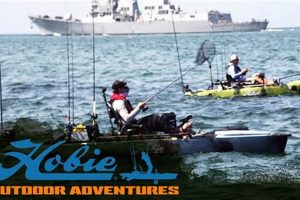
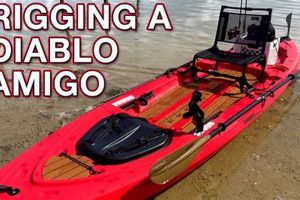
Competitive angling events held within the state combine the popular sport of fishing from small, human-powered vessels with the thrill of structured competition. These events typically involve anglers competing to catch the largest or most fish within a specified timeframe and according to established rules. A common format involves measuring the length of caught fish and submitting photographic evidence for verification. Prizes and recognition are often awarded to the top performers.
Such competitions offer a unique blend of sporting challenge and camaraderie. Participants can test their angling skills against fellow enthusiasts, fostering a sense of community among those who share a passion for fishing. These events also contribute to conservation efforts by promoting ethical fishing practices and raising awareness about aquatic ecosystems. The growing popularity of this specific type of tournament reflects broader trends in recreational fishing toward specialized techniques and environmentally conscious approaches.
This article will further explore various aspects of competitive angling from kayaks in Georgia, including specific tournament formats, popular fishing locations, relevant regulations, and the necessary equipment. It will also offer advice for both novice and experienced participants, covering strategies for success, safety considerations, and the importance of respecting natural resources.
Tips for Competitive Kayak Angling in Georgia
Success in competitive kayak fishing requires careful preparation and strategic execution. The following tips offer guidance for anglers seeking to improve their performance and enjoyment on the water.
Tip 1: Pre-Fishing Scouting: Thoroughly research potential fishing locations before the tournament. Understanding water depth, structure, and prevalent fish species significantly increases the chances of success.
Tip 2: Mastering Kayak Control: Proficient kayak maneuvering is essential for efficient fishing. Practice precise paddling and positioning to maintain optimal casting angles and minimize disturbance.
Tip 3: Tackle and Equipment Selection: Choose appropriate rods, reels, lines, and lures based on targeted species and fishing conditions. A well-organized and accessible tackle system saves valuable time during competition.
Tip 4: Effective Fish-Finding Strategies: Utilize fish finders and other electronic tools to locate fish and identify promising underwater structures. Combining technology with angling experience maximizes efficiency.
Tip 5: Weather Awareness and Safety Precautions: Prioritize safety by checking weather forecasts and dressing appropriately. Carry essential safety gear, including a personal flotation device, whistle, and communication device.
Tip 6: Tournament Rules and Regulations: Familiarize oneself with all tournament rules and regulations beforehand. Understanding size and catch limits, permissible fishing methods, and reporting procedures ensures compliance and fair competition.
Tip 7: Conservation Practices: Employ ethical fishing practices and handle fish with care. Promptly release undersized or unwanted catches to minimize stress and promote healthy fish populations.
By implementing these strategies, anglers can enhance their competitive performance while contributing to the overall positive experience of tournament participation. Careful planning and execution are crucial for success in the challenging yet rewarding environment of competitive kayak angling.
These insights aim to provide a comprehensive foundation for successful tournament participation. The following sections will delve into specific tournament formats and further explore the nuances of competitive kayak fishing in Georgia.
1. Competition

Competition forms the core of kayak fishing tournaments held in Georgia. It provides the structure and motivation that drives anglers to participate and excel. The competitive element transforms recreational fishing into a test of skill, strategy, and adaptability. Anglers are challenged to locate and catch the most or largest fish within defined boundaries and timeframes, pushing them to refine their techniques and knowledge of local waters. This competitive framework incentivizes anglers to not only improve their own abilities but also to contribute to the overall growth and development of the sport. Tournaments like the Georgia Kayak Fishing Trail offer ranked series competitions, fostering a sense of progression and achievement within the community.
The nature of competition in kayak fishing tournaments also influences the choice of locations and target species. For example, tournaments held in the Okefenokee Swamp might focus on bowfin and chain pickerel, rewarding anglers who can effectively navigate and fish in challenging, shallow-water environments. Conversely, competitions on Lake Allatoona may target spotted bass and largemouth bass, requiring different tackle and strategies suited to deeper, clearer water. The competitive format thus directly impacts the overall experience, demanding adaptability and specific expertise from participants. Furthermore, the competitive landscape often encourages innovation in techniques and equipment, contributing to the evolution of kayak fishing practices in general.
Understanding the role of competition is essential for appreciating the nuances of kayak fishing tournaments in Georgia. Competition creates a dynamic environment where anglers constantly strive to improve their performance, adapt to diverse fishing conditions, and contribute to the advancement of the sport. This competitive drive not only benefits individual anglers but also strengthens the overall community and promotes the sustainable enjoyment of Georgia’s aquatic resources. The challenges presented by competition also contribute to the ongoing development of techniques, strategies, and equipment used in kayak fishing, ensuring its continued evolution as a popular and engaging outdoor pursuit.
2. Kayak Angling

Kayak angling forms the foundational element of kayak fishing tournaments in Georgia. It dictates the specific methods, challenges, and opportunities available to competitors. The nature of kayak fishing, characterized by its quiet approach and maneuverability in shallow water, directly influences tournament formats and target species. These tournaments typically emphasize finesse techniques and the ability to access areas inaccessible to larger vessels, highlighting the unique advantages of kayak fishing. For example, tournaments held in the coastal marshes of Georgia often target redfish and speckled trout, species readily accessible to kayak anglers who can navigate shallow creeks and grassy flats. This close connection between kayak angling and tournament structure necessitates specialized skills and equipment tailored to this specific approach. Anglers must be proficient in paddling, kayak positioning, and managing fishing gear within the confines of a small vessel. This specialized skill set distinguishes competitive kayak angling from traditional boat-based fishing tournaments.
The growing popularity of kayak angling has directly contributed to the proliferation of dedicated tournaments in Georgia. As more anglers embrace this accessible and versatile fishing style, the demand for competitive outlets has risen. This growth reflects a broader trend towards human-powered fishing and a renewed appreciation for close contact with the natural environment. The popularity of kayak angling also drives innovation in kayak design, fishing tackle, and related accessories, specifically catering to the needs of tournament anglers. This constant evolution of equipment and techniques further enhances the competitive landscape and reinforces the specialized nature of kayak fishing tournaments. Furthermore, the accessibility of kayak angling has expanded participation in tournaments, attracting anglers of diverse backgrounds and skill levels. This inclusivity fosters a vibrant and growing community within the sport.
Understanding the integral role of kayak angling is crucial for comprehending the dynamics of competitive kayak fishing tournaments in Georgia. The specialized techniques, equipment, and accessibility associated with kayak fishing shape the structure, participation, and overall experience of these events. This understanding provides valuable context for analyzing tournament formats, target species, and the evolving trends within this specialized segment of competitive fishing. The continued growth and refinement of kayak angling techniques will undoubtedly further shape the future of kayak fishing tournaments in Georgia and beyond.
3. Georgia Locations
The diverse aquatic landscapes of Georgia play a crucial role in shaping the character and appeal of kayak fishing tournaments. The state’s varied waterways, ranging from large reservoirs to winding rivers and coastal marshes, offer unique challenges and opportunities for competitive anglers. The specific location of a tournament significantly influences target species, fishing techniques, and overall tournament dynamics. Understanding the characteristics of these diverse locations is essential for appreciating the complexity and appeal of kayak fishing tournaments in Georgia.
- Lake Lanier
Lake Lanier, a large reservoir in northern Georgia, hosts numerous kayak fishing tournaments, attracting anglers targeting spotted bass and striped bass. Its deep, clear waters and submerged structures necessitate specific fishing techniques, such as using downriggers and sonar to locate fish. The size and complexity of Lake Lanier also present navigational challenges, requiring participants to possess strong paddling skills and navigational awareness. Tournaments held on Lake Lanier often test anglers’ abilities to cover vast areas and adapt to changing conditions throughout the day.
- Flint River
The Flint River, a relatively shallow and winding river in southwest Georgia, offers a distinct contrast to Lake Lanier. Tournaments held on the Flint River typically focus on shoal bass, a species prized for its fighting ability. The shallow, flowing water requires anglers to utilize different techniques, such as wading and casting from shallow-draft kayaks. The Flint River’s unique ecosystem and conservation status often necessitate catch-and-release practices, emphasizing ethical angling and resource stewardship during tournaments.
- Okefenokee Swamp
The Okefenokee Swamp, a vast blackwater wetland in southeastern Georgia, presents a unique and challenging environment for kayak fishing tournaments. Competitions held in the Okefenokee often target bowfin and chain pickerel, species adapted to the swamp’s murky waters and dense vegetation. Navigating the Okefenokee’s intricate waterways requires specialized kayaks and paddling skills, and anglers must adapt to fishing in shallow, often heavily vegetated areas. Tournaments in the Okefenokee emphasize wilderness fishing skills and an appreciation for this unique ecosystem.
- Coastal Saltwater Marshes
Georgia’s extensive coastal saltwater marshes provide a distinct setting for kayak fishing tournaments, focusing on species such as redfish, speckled trout, and flounder. Tidal currents, varying salinity levels, and shallow water depths influence fishing strategies and necessitate specialized tackle and techniques. Navigating tidal creeks and shallow flats requires anglers to be proficient in paddle strokes and kayak control. These tournaments highlight the adaptability of kayak fishing and the diverse range of species available along Georgia’s coastline.
The variety of locations available for kayak fishing tournaments in Georgia contributes significantly to the sport’s appeal. Each location presents a distinct set of challenges and opportunities, attracting anglers with diverse skill sets and preferences. From the deep waters of Lake Lanier to the shallow, blackwater streams of the Okefenokee Swamp, Georgia offers a unique tapestry of aquatic environments, enriching the experience of competitive kayak angling. This diversity ensures that the sport remains dynamic and engaging, catering to a wide range of angling styles and target species. The distinct characteristics of each location also contribute to the overall competitive landscape, influencing tournament formats, strategies, and the specialized knowledge required for success.
4. Regulations and Rules

Regulations and rules form an essential framework for kayak fishing tournaments in Georgia, ensuring fair competition, promoting conservation, and maintaining the integrity of the sport. These guidelines govern various aspects of tournament participation, from registration and eligibility requirements to permissible fishing methods and catch reporting procedures. Understanding and adhering to these regulations is crucial for all participants, contributing to a positive and sustainable tournament environment. A clear comprehension of these rules ensures a level playing field for competitors and safeguards the natural resources that support the sport.
- Licensing and Permits
Participants in kayak fishing tournaments in Georgia are typically required to possess a valid Georgia fishing license, as well as any applicable special permits for specific fishing areas or species. These licensing requirements ensure compliance with state regulations and contribute to funding conservation efforts. For example, anglers participating in a tournament on the Chattahoochee River may require a trout stamp in addition to a standard fishing license if trout are a targeted species. Possessing the correct licenses and permits is a fundamental prerequisite for participation and ensures compliance with legal requirements.
- Size and Catch Limits
Tournaments often enforce specific size and catch limits for target species, aligning with state regulations and promoting conservation. These limits help protect fish populations by restricting the harvest of undersized or overabundant fish. For example, a tournament targeting largemouth bass might impose a minimum size limit of 14 inches and a daily catch limit of five fish. Adhering to these limits ensures sustainable fishing practices and contributes to the long-term health of fish populations within tournament waters.
- Permitted Fishing Methods
Regulations often dictate permitted fishing methods during tournaments, ensuring fair competition and preventing the use of unsustainable practices. These regulations may specify permitted types of tackle, bait, and fishing techniques. For instance, some tournaments may allow only artificial lures and prohibit the use of live bait. Others may restrict certain fishing techniques, such as trolling or the use of jug lines. Understanding and adhering to these rules maintains a level playing field for all competitors and promotes ethical angling practices.
- Catch Reporting and Verification
Most kayak fishing tournaments implement specific procedures for catch reporting and verification. Anglers are typically required to photograph their catches alongside a measuring device and submit these images as proof of their catches. This process ensures accurate reporting and maintains the integrity of tournament results. Some tournaments utilize digital platforms and mobile applications to streamline catch reporting and facilitate real-time tracking of tournament standings. These technologies enhance transparency and efficiency in managing tournament data and ensuring fair competition.
The regulations and rules governing kayak fishing tournaments in Georgia contribute significantly to the overall success and sustainability of the sport. By ensuring fair competition, promoting conservation, and streamlining tournament operations, these guidelines create a positive and enjoyable experience for participants while safeguarding the natural resources upon which the sport depends. Adherence to these rules is not only a requirement for participation but also a demonstration of respect for fellow anglers and the environment. A thorough understanding of these regulations ensures the continued growth and integrity of kayak fishing tournaments within the state.
5. Prizes and Recognition
Prizes and recognition constitute integral components of kayak fishing tournaments in Georgia, serving as powerful motivators for participation and contributing significantly to the overall appeal and growth of the sport. These incentives range from cash awards and sponsored merchandise to trophies, titles, and rankings within competitive circuits. The allure of prizes and recognition not only attracts experienced anglers seeking competitive validation but also encourages newcomers to participate, fostering a sense of community and shared achievement. The prospect of tangible rewards and public acknowledgement for angling prowess fuels competitive spirit and drives anglers to refine their skills and strategies. For instance, tournaments like the Kayak Bass Fishing series offer substantial cash prizes to top finishers, attracting a highly competitive field of anglers. Similarly, smaller, local tournaments may offer prizes sponsored by local businesses, fostering community engagement and supporting the local economy.
Beyond the immediate gratification of individual achievement, prizes and recognition play a crucial role in elevating the perceived value and legitimacy of competitive kayak angling. Publicly recognizing accomplishment validates the dedication and skill required to excel in the sport. This recognition extends beyond individual anglers, enhancing the overall profile of kayak fishing within the broader angling community and attracting sponsorships and media attention. The prestige associated with winning a major tournament or achieving a high ranking within a competitive series can significantly impact an angler’s standing within the sport, opening doors to sponsorship opportunities, media appearances, and invitations to exclusive events. This heightened visibility further promotes kayak fishing and contributes to its continued growth and development as a respected competitive pursuit.
In summary, prizes and recognition represent more than just rewards for individual performance; they are essential drivers of growth and engagement within the competitive kayak fishing landscape in Georgia. These incentives motivate participation, fuel competitive spirit, and enhance the overall prestige of the sport. The tangible and intangible rewards associated with tournament success contribute to the continued evolution of kayak fishing, attracting new participants, fostering community development, and ultimately enriching the angling experience within the state. Understanding the significance of prizes and recognition provides valuable insight into the dynamics and motivations driving the competitive kayak fishing community in Georgia and its ongoing evolution.
Frequently Asked Questions
This section addresses common inquiries regarding competitive kayak angling in Georgia, providing concise and informative responses to facilitate a deeper understanding of the sport.
Question 1: What are the typical entry fees for kayak fishing tournaments in Georgia?
Entry fees vary considerably depending on the tournament’s scale, location, and potential prizes. Smaller, local events may have entry fees ranging from $25 to $50, while larger, regional or national tournaments can range from $100 to $500 or more.
Question 2: What type of kayak is best suited for tournament fishing?
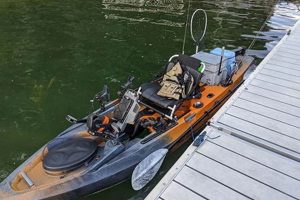
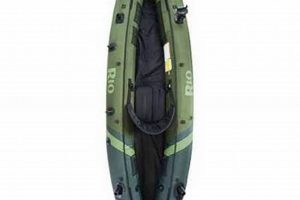
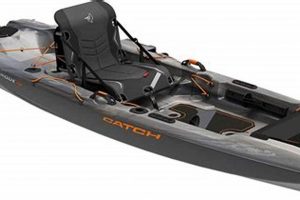
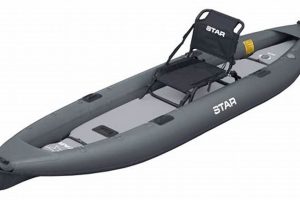
While specific kayak preferences vary among anglers, desirable features include stability, maneuverability, and ample storage for tackle and equipment. Sit-on-top kayaks are generally preferred for their stability and ease of entry/exit, while pedal-driven kayaks offer increased speed and hands-free fishing capabilities.
Question 3: Are there specific safety requirements for participating in kayak fishing tournaments?
Wearing a personal flotation device (PFD) is typically mandatory. Additional safety recommendations include carrying a whistle, communication device, and first-aid kit. Checking weather conditions before participating is also crucial.
Question 4: How are fish measured and weighed in kayak fishing tournaments?
Most tournaments utilize a catch, photo, and release format. Anglers photograph their catches alongside a measuring board and submit the images for verification. This practice minimizes fish handling and promotes conservation.
Question 5: How can one find information about upcoming kayak fishing tournaments in Georgia?
Information about upcoming tournaments can be found on websites dedicated to kayak fishing, social media groups, and online forums. Local fishing shops and clubs are also valuable resources for tournament information.
Question 6: What are the primary target species in Georgia kayak fishing tournaments?
Target species vary depending on the location and time of year. Common target species in Georgia include largemouth bass, spotted bass, striped bass, shoal bass, redfish, speckled trout, flounder, bowfin, and chain pickerel.
Understanding these frequently asked questions provides a solid foundation for those interested in participating in or learning more about competitive kayak angling in Georgia. Careful consideration of these aspects enhances angler preparedness and contributes to a positive tournament experience.
This concludes the frequently asked questions section. The following sections will offer further insights into specific tournament formats and strategies for success in competitive kayak fishing.
Conclusion
Competitive kayak angling in Georgia represents a dynamic and evolving sport, offering diverse opportunities for participants to test their skills amidst the state’s varied aquatic landscapes. This overview has explored key aspects of these tournaments, from the importance of pre-fishing scouting and kayak control to the intricacies of regulations, scoring systems, and the significance of prizes and recognition. The examination of diverse tournament locations, such as Lake Lanier, the Flint River, the Okefenokee Swamp, and coastal saltwater marshes, highlights the range of challenges and opportunities available to competitive kayak anglers within the state. Furthermore, the discussion of regulations, including licensing requirements, size and catch limits, and permitted fishing methods, underscores the importance of ethical angling practices and conservation within the competitive framework. The role of prizes and recognition in motivating participation and elevating the sport’s profile has also been examined.
The continued growth and development of competitive kayak angling in Georgia promise exciting prospects for both participants and the sport itself. As angler participation expands and tournament formats evolve, the pursuit of competitive excellence will undoubtedly drive innovation in techniques, equipment, and conservation practices. This ongoing evolution underscores the vital role that competitive kayak angling plays in promoting ethical fishing, fostering community engagement, and celebrating the unique aquatic resources within Georgia. Continued exploration of these diverse waterways and engagement with the competitive community will further enrich the experience and ensure the enduring appeal of kayak fishing tournaments within the state.