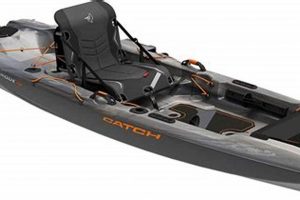
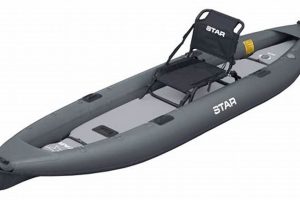
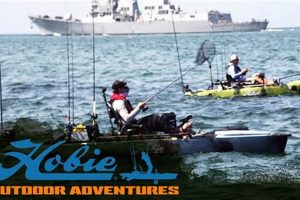
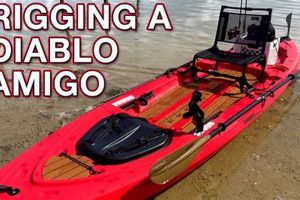
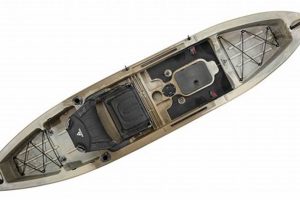
A state-specific organization dedicated to paddle-powered angling provides a platform for enthusiasts to connect, share knowledge, and advocate for responsible fishing practices within the Bayou State’s unique aquatic environments. Such groups typically offer resources like organized trips, fishing technique workshops, conservation initiatives, and advocacy for waterway access.
Membership in a community of like-minded individuals offers numerous advantages. It fosters camaraderie, provides opportunities for skill development, and amplifies the collective voice in matters of conservation and access. Historically, these organizations have played a vital role in protecting natural resources and promoting ethical angling practices. Furthermore, they contribute to the local economy by supporting related businesses and promoting tourism.
The following sections will delve into specific aspects of paddle sport fishing within the state, including popular species, preferred locations, essential gear, and responsible angling guidelines.
Tips for Kayak Fishing in Louisiana
Safe and successful kayak angling requires preparation and adherence to best practices. The following tips offer guidance for navigating Louisiana’s diverse waterways.
Tip 1: Check Weather Conditions: Before embarking on any fishing trip, consult reliable weather forecasts. Louisiana’s weather can change rapidly, and being aware of potential storms, high winds, or fog is crucial for safety.
Tip 2: Plan Your Route: Familiarize yourself with the chosen fishing area and plan a route accordingly. Consider factors such as tides, currents, and potential hazards like submerged logs or shallow areas.
Tip 3: Wear a Personal Flotation Device (PFD): A PFD is essential safety equipment for any kayak angler. Ensure it is properly fitted and worn at all times while on the water.
Tip 4: Pack Essential Gear: Carry necessary items such as a first-aid kit, signaling devices (whistle, mirror), navigation tools (map, compass, GPS), and appropriate fishing tackle. A dry bag can protect electronic devices and other valuables from water damage.
Tip 5: Practice Kayak Control: Develop proficiency in basic kayak maneuvers, including paddling, turning, and maintaining balance. Practice in calm water before venturing into more challenging conditions.
Tip 6: Respect Wildlife and the Environment: Practice catch-and-release whenever possible and handle fish with care. Adhere to all fishing regulations and leave no trace behind, packing out any trash or debris.
Tip 7: Be Aware of Other Watercraft: Share the waterways responsibly and be mindful of larger vessels. Maintain a safe distance and make your presence known with bright clothing or lights.
By following these guidelines, anglers can enhance their safety and enjoyment while contributing to the preservation of Louisiana’s natural resources.
This information provides a foundation for a successful kayak fishing experience. Further research and preparation are encouraged to maximize safety and enjoyment on the water.
1. Community

The concept of community is central to the function and appeal of a Louisiana kayak fishing club. It provides a framework for social interaction, shared learning, and collective action, enriching the individual angling experience and contributing to the broader well-being of the sport.
- Shared Passion
A shared passion for kayak fishing forms the foundation of these communities. Members connect through a common interest, fostering a sense of belonging and camaraderie. This shared enthusiasm creates an environment where individuals feel comfortable exchanging tips, stories, and advice.
- Mentorship and Skill Development
Experienced anglers often mentor newcomers, sharing their knowledge and expertise. This informal mentorship accelerates skill development, enabling novice anglers to improve their techniques and gain confidence on the water. This exchange of information benefits both the mentor and the mentee, strengthening the bonds within the community.
- Collective Advocacy
A united voice amplifies the impact of advocacy efforts. Clubs can collectively advocate for responsible fishing practices, conservation initiatives, and improved waterway access. This collective action benefits not only club members but also the wider angling community and the environment.
- Social Connections and Events
Organized trips, tournaments, and social gatherings foster deeper connections among members. These events provide opportunities for anglers to socialize, share experiences, and build lasting friendships. The social aspect of the club enhances the overall experience and contributes to a sense of community beyond the water.
These interwoven facets of community demonstrate the integral role it plays in a Louisiana kayak fishing club. The sense of belonging, shared learning, and collective action contribute to a more fulfilling angling experience for individuals and a stronger, more impactful organization overall. This sense of community strengthens the club’s ability to promote conservation, advocate for its members, and ensure the future of kayak fishing in Louisiana.
Within a Louisiana kayak fishing club, shared knowledge forms a cornerstone of the organization’s value. The collective experience and expertise of members create a dynamic learning environment, fostering skill development, promoting safety, and enhancing the overall angling experience. This exchange of information strengthens the community and contributes to its long-term success.
- Local Expertise
Members often possess intimate knowledge of local waterways, including prime fishing spots, optimal tides and currents, and potential hazards. Sharing this localized information provides invaluable insights for both novice and experienced anglers, increasing fishing success and promoting safe navigation. Specific examples include identifying productive oyster beds for speckled trout or understanding the nuances of navigating shallow marsh areas.
- Technique Exchange
Kayak fishing techniques often differ from traditional boat fishing. Members can share specialized techniques for casting, retrieving lures, and fighting fish from a kayak. This exchange might include tips for managing fishing lines in tight spaces or effectively using anchors and drift socks. Sharing these techniques improves individual angling proficiency and fosters a culture of continuous learning within the club.
- Safety Practices
Safety is paramount in kayak fishing. Experienced members can share essential safety practices, such as proper paddling techniques, self-rescue procedures, and navigation strategies. Discussions on appropriate safety gear, including personal flotation devices, signaling devices, and first-aid kits, contribute to a culture of preparedness and risk mitigation within the club.
- Conservation Awareness
Sharing knowledge about local ecosystems, fish populations, and responsible fishing practices fosters environmental stewardship within the club. Discussions on catch-and-release techniques, proper handling of fish, and the importance of preserving habitats contribute to a collective commitment to conservation and ensure the sustainability of the sport for future generations.
The continuous exchange of knowledge within a Louisiana kayak fishing club creates a dynamic and enriching environment. This shared expertise enhances individual angling skills, promotes safety consciousness, and fosters a collective commitment to conservation, ultimately strengthening the club and contributing to the long-term health of the fishery.
3. Conservation Advocacy

Conservation advocacy forms a crucial component of a Louisiana kayak fishing club’s mission. These organizations recognize the direct link between a healthy environment and the future of the sport. Advocacy efforts focus on protecting the delicate ecosystems that support fish populations and ensuring continued access to waterways.
A primary focus involves advocating for responsible fishing practices. This includes promoting catch-and-release fishing, adhering to size and creel limits, and using appropriate tackle. Clubs often educate members on best practices for minimizing environmental impact, such as proper disposal of fishing line and avoiding disturbance of sensitive habitats. For example, a club might organize a shoreline cleanup event to remove debris and educate the public about pollution’s effects on aquatic life. Furthermore, they may partner with state agencies to monitor fish populations and advocate for regulations that ensure sustainable harvests.
Protecting access to public waterways is another key area of advocacy. Louisiana’s extensive network of rivers, bayous, and coastal marshes provides exceptional fishing opportunities, but access can be threatened by development, pollution, or restrictive regulations. Kayak fishing clubs often work with local and state governments to ensure continued public access to these resources. A practical example might involve a club advocating for the establishment of a new kayak launch or opposing a development project that would restrict access to a popular fishing area. These efforts ensure that future generations can continue to enjoy the state’s unique angling opportunities.
Effective conservation advocacy requires collective action and collaboration. Clubs leverage their membership base to amplify their voice and work with other conservation organizations, government agencies, and local communities to achieve common goals. This collective effort ensures the long-term health of Louisiana’s aquatic ecosystems and safeguards the future of kayak fishing in the state. Understanding the vital role of conservation advocacy within these clubs strengthens their impact and contributes to a more sustainable future for the sport.
4. Skill Development
Within a Louisiana kayak fishing club, skill development represents a continuous process, fostering individual growth and enhancing the overall angling experience. The club environment provides a platform for learning and refinement, encompassing various techniques specific to kayak fishing in the state’s diverse waters. This ongoing development enhances safety, improves fishing success, and fosters a deeper appreciation for the sport.
- Paddle Control and Maneuvering
Mastering kayak control is fundamental to successful kayak fishing. Clubs often provide opportunities to practice essential paddling techniques, including forward and reverse strokes, turning maneuvers, and maintaining balance in various water conditions. Learning to position the kayak effectively for casting and fighting fish is crucial. For example, practicing in calm waters allows members to refine their skills before venturing into challenging currents or windy conditions. Improved paddle control enhances safety and allows anglers to navigate efficiently to prime fishing locations.
- Casting and Retrieval Techniques
Casting from a kayak presents unique challenges compared to casting from a larger boat. Clubs facilitate learning specialized casting techniques suitable for the confined space and stability considerations of a kayak. This might involve practicing sidearm casts, underhand pitches, or mastering the use of shorter rods. Similarly, retrieving lures effectively in varying currents and depths requires specific techniques. For example, learning to control the speed and depth of a retrieved lure can significantly impact fishing success. Refining these techniques maximizes fishing opportunities and increases the likelihood of successful catches.
- Fish Handling and Release Practices
Proper fish handling techniques ensure the well-being of the catch and promote conservation. Clubs often educate members on best practices for handling fish quickly and safely, minimizing stress and maximizing survival rates upon release. This includes using appropriate tools like lip grips or dehookers, and avoiding contact with sensitive gills. Learning to revive exhausted fish before release is another crucial skill. For example, understanding how to hold a fish in the current to allow water to flow over its gills can significantly improve its chances of survival. These skills are essential for responsible angling and contribute to the long-term sustainability of the fishery.
- Navigation and Safety Procedures
Navigating Louisiana’s waterways safely requires specific skills. Clubs frequently offer training on chart reading, compass use, and GPS navigation. Understanding tides, currents, and weather patterns is crucial for planning safe and successful trips. Additionally, clubs emphasize safety procedures, including self-rescue techniques, proper use of safety equipment like personal flotation devices, and emergency communication protocols. For example, practicing self-rescue drills in a controlled environment can equip members with the skills needed to handle unexpected capsizes. These skills are essential for minimizing risks and ensuring a safe and enjoyable experience on the water.
The emphasis on skill development within a Louisiana kayak fishing club fosters a culture of continuous learning and improvement. These acquired skills enhance not only individual fishing success but also overall safety and enjoyment on the water, contributing to a more fulfilling and responsible angling experience within the vibrant community of kayak fishing enthusiasts.
5. Organized Trips

Organized trips constitute a significant element within a Louisiana kayak fishing club, offering members structured opportunities to explore diverse waterways, enhance fishing skills, and foster camaraderie. These excursions, often led by experienced members, provide valuable learning experiences and contribute to the club’s overall sense of community. They represent a tangible manifestation of the club’s purpose, connecting members with the state’s rich angling resources and facilitating shared experiences.
- Exploration of Diverse Waterways
Organized trips allow members to explore a wider range of fishing locations than they might individually discover. These excursions often target specific species or habitats, exposing participants to new fishing challenges and expanding their knowledge of the local ecosystem. For example, a trip might focus on exploring the marshes for redfish or targeting speckled trout in coastal bays. This guided exploration provides valuable insights into local fishing conditions and expands members’ angling horizons.
- Enhanced Skill Development through Shared Experience
The structured environment of an organized trip offers an ideal setting for skill development. Experienced members can provide guidance on techniques specific to the targeted species or location, offering real-time feedback and demonstrations. For instance, during a trip focused on fishing oyster reefs, experienced anglers can demonstrate effective techniques for casting around structure and retrieving lures to avoid snags. This shared experience accelerates learning and allows members to refine their skills in a supportive environment.
- Strengthened Community Bonds
Organized trips contribute significantly to the club’s social fabric. Sharing a day on the water fosters camaraderie and builds lasting connections among members. The shared experience of navigating waterways, overcoming challenges, and celebrating successes creates a sense of shared accomplishment and strengthens the bonds within the club. These trips often extend beyond fishing itself, encompassing shared meals and social gatherings, further enhancing the sense of community.
- Conservation Awareness and Practice
Organized trips provide opportunities to promote and practice conservation principles. Leaders often emphasize responsible fishing practices, including catch-and-release techniques and proper handling of fish. Trips may incorporate elements of environmental stewardship, such as shoreline cleanups or educational sessions on local ecosystems. This focus on conservation reinforces the club’s commitment to protecting the natural resources that sustain the sport.
Through organized trips, a Louisiana kayak fishing club offers more than simply fishing excursions; they provide structured opportunities for skill development, exploration, and community building. These experiences solidify the club’s role as a valuable resource for anglers of all levels, fostering a deeper connection to the sport and the unique aquatic environments of Louisiana. The shared experiences and collective learning fostered on these trips contribute significantly to the overall value and vitality of the club.
6. Waterway Access

Waterway access represents a critical concern for a Louisiana kayak fishing club. The ability to launch and navigate kayaks safely and legally directly impacts the viability and enjoyment of the sport. Restricted access limits fishing opportunities, hinders club activities, and can negatively affect the local economy dependent on recreational angling. Understanding the multifaceted nature of waterway access underscores its importance for the club’s mission and long-term sustainability.
Maintaining existing access points and advocating for new ones constitutes a significant aspect of club advocacy. Louisiana’s extensive network of waterways offers abundant fishing opportunities, but access can be limited by factors such as private land ownership, inadequate launch facilities, or regulatory restrictions. A club might, for instance, engage with local authorities to improve existing boat ramps to accommodate kayak launching or advocate for the creation of designated kayak launch sites in areas with limited access. Furthermore, clubs can play a crucial role in educating members about responsible use of access points, minimizing environmental impact, and respecting private property rights. This responsible approach strengthens the club’s standing within the community and contributes to positive relationships with landowners and local authorities. Practical examples include organizing volunteer efforts to maintain launch sites, installing signage promoting responsible use, or collaborating with local businesses to provide amenities for kayakers.
Protecting and expanding waterway access is essential for a thriving kayak fishing community. Securing access not only benefits club members but also contributes to the overall health of the local economy. Increased angler access can stimulate tourism, support local businesses that cater to anglers, and generate revenue for conservation efforts. Furthermore, access to waterways facilitates broader community engagement with the natural environment, promoting conservation awareness and fostering a sense of stewardship. By actively addressing access challenges, a Louisiana kayak fishing club contributes not only to the enjoyment of its members but also to the long-term health of the state’s valuable aquatic resources and the economic vitality of communities that depend on them. Addressing access challenges proactively secures the future of kayak fishing and reinforces the club’s role as a responsible steward of Louisiana’s natural heritage.
7. Economic Impact
Louisiana kayak fishing clubs, while centered around recreational activities, exert a notable influence on the state’s economy. Understanding this economic impact provides a broader perspective on the club’s role within local communities and the state as a whole. The economic benefits generated through club activities, member spending, and related industries underscore the importance of supporting and fostering the growth of kayak fishing within Louisiana.
- Direct Spending by Club Members
Club members contribute directly to the economy through purchases related to their fishing activities. This includes expenditures on kayaks, paddles, fishing gear, tackle, bait, and safety equipment. Regular maintenance and upgrades further contribute to this spending. For example, purchasing fishing kayaks from local retailers or engaging local guides for fishing excursions directly injects money into the local economy. This spending supports businesses and creates jobs within the recreational fishing sector.
- Tourism and Travel Related to Club Activities
Organized trips, tournaments, and other club events often involve travel and accommodation, generating revenue for hotels, restaurants, and other tourism-related businesses. Participants traveling from outside the local area contribute significantly to this economic activity. For instance, a multi-day fishing tournament hosted by a club can attract anglers from across the state or even neighboring states, generating substantial revenue for the host community. This influx of visitors supports local businesses and promotes economic growth within the region.
- Support for Related Industries
Kayak fishing clubs indirectly support a network of related industries. This includes manufacturers of kayaks and fishing equipment, retailers selling these products, and service providers such as kayak repair shops and fishing guides. The increased demand generated by club members and the broader kayak fishing community sustains these businesses and contributes to job creation within these sectors. For example, the growing popularity of kayak fishing can lead to increased demand for specialized fishing kayaks manufactured within the state, supporting local manufacturing jobs and boosting the state’s economy.
- Conservation Efforts and Ecosystem Services
Kayak fishing clubs often engage in conservation efforts, contributing to the long-term health of Louisiana’s aquatic ecosystems. Healthy ecosystems provide valuable ecosystem services, such as water purification, flood control, and habitat provision, which have significant economic implications. By protecting these ecosystems, clubs indirectly support industries that rely on these services, such as tourism, fisheries, and real estate. For example, a club’s involvement in restoring coastal marshes not only enhances fishing opportunities but also strengthens natural defenses against coastal erosion, protecting valuable infrastructure and property.
The economic impact of Louisiana kayak fishing clubs extends beyond direct spending to encompass a wider network of businesses and industries. Supporting these clubs, therefore, translates to supporting local communities and the state’s economy. Recognizing these economic benefits underscores the value of kayak fishing as not just a recreational pursuit but also a contributor to Louisiana’s economic well-being. Furthermore, the club’s emphasis on conservation ensures the sustainability of these economic benefits for future generations, highlighting the interconnectedness between a healthy environment and a healthy economy.
Frequently Asked Questions
Addressing common inquiries regarding engagement with a dedicated paddle-powered angling organization provides clarity for prospective members and the broader community. The following responses aim to dispel misconceptions and offer practical guidance.
Question 1: What are the typical membership fees associated with a Louisiana kayak fishing club?
Membership fees vary among organizations. Potential members are encouraged to contact individual clubs directly or review their websites for specific details regarding dues and associated benefits.
Question 2: Are there specific skill level requirements for joining?
Most clubs welcome anglers of all skill levels, from beginners to seasoned professionals. These organizations provide opportunities for skill development and knowledge sharing, benefiting members regardless of their experience.
Question 3: What types of activities are typically organized by these clubs?
Activities often include organized fishing trips, tournaments, workshops on fishing techniques and safety procedures, conservation initiatives, and social gatherings. Specific offerings vary among individual clubs.
Question 4: How do these clubs contribute to conservation efforts?
Clubs frequently engage in advocacy for responsible fishing practices, habitat preservation, and improved waterway access. They may organize cleanup events, participate in fish population monitoring, and advocate for policies that protect aquatic ecosystems.
Question 5: What are the benefits of joining beyond fishing opportunities?
Membership fosters camaraderie, provides access to a network of like-minded individuals, and amplifies the collective voice in matters of conservation and waterway access. These organizations create a sense of community among kayak anglers.
Question 6: How can one locate a kayak fishing club in their area of Louisiana?
Online searches, inquiries at local kayak and fishing retailers, and engagement with online fishing forums can provide information on specific clubs and their contact details.
Engaging with a local organization offers numerous advantages, from skill enhancement and conservation advocacy to fostering a sense of community among those who share a passion for paddle-powered angling. Potential members are encouraged to explore opportunities for engagement within their respective regions.
The subsequent section will provide further details on specific clubs operating within Louisiana.
Conclusion
Exploration of the multifaceted nature of a Louisiana kayak fishing club reveals its significance beyond recreational angling. Such organizations foster community, enhance skill development, advocate for conservation, and contribute to the local economy. Understanding these interwoven aspects underscores the vital role these clubs play within the broader angling landscape and their impact on the state’s natural resources.
The future of kayak fishing in Louisiana relies on responsible stewardship and collective action. Engaging with a local club empowers individuals to contribute directly to conservation efforts, ensuring continued access to the state’s exceptional waterways and preserving its unique angling heritage for generations to come. Active participation strengthens the collective voice advocating for responsible resource management and promotes the sustainable growth of paddle-powered angling within the state.