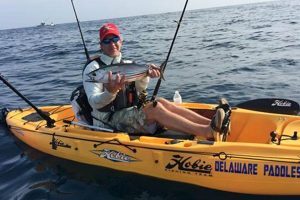
This activity involves angling from a small, human-powered watercraft in the brackish waters where slow-moving rivers meet the sea. These environments, characterized by rich biodiversity and often shallow depths, create unique opportunities to pursue a variety of fish species. Imagine navigating through tranquil waterways lined with cypress trees, casting a line for redfish or speckled trout.
The shallow draft of these vessels allows access to areas inaccessible to larger boats, offering a closer connection with nature and a more intimate fishing experience. Historically, small boats have been utilized for fishing in these coastal regions, demonstrating a longstanding connection between humans and these unique ecosystems. This low-impact approach minimizes disturbance to the environment and offers a quiet, peaceful way to enjoy the outdoors. Furthermore, it provides exercise and can be a relatively affordable way to participate in sport fishing.
This exploration will further delve into specific techniques, equipment considerations, safety precautions, and responsible practices relevant to this rewarding pursuit. Topics covered will include selecting appropriate tackle and kayaks, understanding tidal influences and navigation, and promoting conservation efforts within these delicate environments.
Tips for Successful Brackish Water Kayak Angling
Careful planning and preparation contribute significantly to a productive and enjoyable outing. The following recommendations provide valuable insights for anglers of all experience levels.
Tip 1: Prioritize Safety Equipment. A personal flotation device (PFD) is essential and should be worn at all times. A whistle, signaling mirror, and communication device are also crucial for emergencies. Carrying a first-aid kit and knowing basic first-aid procedures are highly recommended.
Tip 2: Understand Tidal Influences. Tides significantly impact fish behavior and accessibility. Research tide charts and plan fishing times accordingly. Incoming tides often bring baitfish and active feeding fish closer to shore.
Tip 3: Choose Appropriate Tackle. Rod and reel combinations suitable for target species and fishing techniques are vital. Lighter tackle is often preferred for the finesse required in these environments. A selection of lures and baits mimicking local forage should be included.
Tip 4: Select a Stable Kayak. A sit-on-top kayak provides enhanced stability and easier maneuverability in shallow water. Consider kayaks designed specifically for fishing, which often feature rod holders and storage compartments.
Tip 5: Practice Paddle Strokes and Maneuvers. Efficient paddling techniques conserve energy and allow for precise boat control. Practicing in calm water before venturing into more challenging conditions is advisable.
Tip 6: Respect Wildlife and the Environment. Practice catch-and-release whenever possible. Minimize disturbance to the natural habitat by avoiding shallow grass beds and bird nesting areas. Properly dispose of all fishing line and trash.
Tip 7: Check Local Regulations. Ensure compliance with all fishing licenses and regulations specific to the area. Regulations may vary regarding catch limits, size restrictions, and permitted fishing methods.
Adhering to these guidelines enhances angler safety and success while promoting responsible environmental stewardship. These practices ensure the longevity of this rewarding recreational activity and the health of the ecosystems it relies upon.
By incorporating these tips, anglers can maximize their chances of a rewarding experience while minimizing potential risks. A focus on safety, responsible practices, and environmental awareness contributes to a more enriching and sustainable approach to this unique fishing style.
1. Quiet Approach

In the context of bayou coast kayak fishing, a quiet approach is paramount to success. The shallow, often clear waters of these environments make fish particularly susceptible to noise and disturbance. Minimizing sound and commotion significantly increases the likelihood of encountering and catching fish. This approach involves a combination of mindful paddling, careful boat handling, and respect for the natural soundscape.
- Minimized Paddling Noise
Reducing paddle splashes and drips is crucial. Smooth, controlled strokes minimize disturbance and prevent spooking fish. Using a feathered paddle technique, where the blade slices through the air edge-on, reduces wind resistance and noise. Dripping water from the paddle can be minimized by pausing briefly before the next stroke. This contributes to a stealthier approach, particularly when fishing in shallow, calm waters.
- Careful Boat Handling
Avoiding sudden movements or bumps against the kayak hull prevents vibrations that transmit through the water. Carefully placing tackle boxes and other equipment within the kayak minimizes noise. Refraining from abrupt shifts in weight distribution helps maintain balance and reduces the chance of unintended noises. This deliberate handling contributes to a more natural and less intrusive presence in the fishing environment.
- Respect for Natural Sounds
Loud conversations or music disrupt the natural soundscape and can alert fish to the presence of anglers. Maintaining a quiet atmosphere allows fish to behave naturally, increasing the chances of a successful fishing experience. Observing the sounds of the environment can also provide clues about fish activity and location. This attentiveness to natural sounds enhances the overall fishing experience and promotes a deeper connection with the environment.
- Controlled Casting Techniques
Minimizing the splash created by lures entering the water prevents startling fish. Practicing smooth, accurate casts allows for quieter presentations and increases the chances of enticing a strike. Using lighter lures or flies can also reduce impact noise. This precision in casting contributes significantly to the effectiveness of a quiet approach, particularly in clear, shallow waters where fish have excellent visibility.
By integrating these facets of a quiet approach, anglers significantly enhance their chances of a successful fishing trip. This mindful approach fosters a deeper appreciation for the natural environment and contributes to a more rewarding and immersive experience in the bayou coast ecosystem.
2. Shallow Water Access
Shallow water access represents a significant advantage of bayou coast kayak fishing. The minimal draft of kayaks allows navigation through shallow areas inaccessible to larger, motorized boats. This capability opens up a wealth of fishing opportunities and provides a unique perspective on the bayou ecosystem.
- Reaching Prime Fishing Spots
Many prized game fish, such as redfish, speckled trout, and flounder, frequent shallow flats, creeks, and backwater areas. Kayaks provide the means to reach these prime fishing spots, often teeming with life and offering excellent angling prospects. These areas, inaccessible to traditional powerboats, become readily available to kayak anglers, increasing the chance of encountering target species. This access provides a distinct advantage, particularly in areas with extensive shallow-water habitats.
- Stealth and Reduced Disturbance
The shallow draft of a kayak allows for quieter movement through the water, minimizing disturbance to fish and enhancing stealth. This proves particularly advantageous in clear, shallow waters where fish are easily spooked. The reduced noise and vibration associated with kayaks create a less intrusive presence, increasing the likelihood of successful fishing. This subtle approach allows anglers to get closer to fish without alarming them.
- Exploring Diverse Habitats
Bayou coast ecosystems feature a mosaic of habitats, including shallow grass flats, oyster beds, and submerged vegetation. Kayaks offer the maneuverability to navigate these complex environments and explore their diverse offerings. This versatility allows anglers to target specific species associated with different habitats, maximizing their chances of success. The ability to move effortlessly through shallow, intricate waterways provides access to a wider range of fishing opportunities.
- Sight Fishing Opportunities
The clear, shallow waters often associated with bayou coasts provide excellent sight fishing opportunities. Kayaks offer a stable platform for observing fish behavior and making precise casts. The elevated vantage point from a kayak enhances visibility, allowing anglers to spot fish in shallow water and present lures with greater accuracy. This visual aspect of fishing adds an exciting dimension to the experience and allows for a more strategic approach.
The shallow water access afforded by kayaks significantly enhances the bayou coast fishing experience. This ability to navigate shallow, intricate waterways opens up a wealth of fishing opportunities and allows for a closer connection with the natural environment. The advantages of stealth, habitat exploration, and sight fishing contribute to a more rewarding and productive angling experience in these unique coastal ecosystems.
3. Specialized Tackle

Specialized tackle plays a crucial role in successful bayou coast kayak fishing. The unique characteristics of this environment, including shallow water, diverse habitats, and specific target species, necessitate tailored equipment choices. Appropriate tackle enhances fishing effectiveness, improves angler comfort, and promotes responsible fishing practices.
Lightweight rods and reels are preferred due to the often close-quarters nature of kayak fishing and the need for precise casts. Shorter rods, typically between six and seven feet, offer better maneuverability within the confined space of a kayak. Spinning reels and baitcasting reels, spooled with braided line for its strength and sensitivity, are common choices. Braided line’s thin diameter allows for longer casts and better hooksets in windy conditions common in coastal areas. For example, targeting redfish in shallow grass flats often requires accurate casts with weedless lures. A medium-power spinning rod paired with a 2500-size reel spooled with 20-pound braided line provides the necessary control and strength for this scenario.
Lure selection is equally important. Effective lures often mimic the prevalent baitfish and crustaceans found in bayou ecosystems. Topwater lures, such as popping corks and walking baits, can entice explosive strikes from speckled trout and redfish. Soft plastic lures, rigged weedless or on jigheads, effectively target flounder and other bottom-dwelling species. A selection of appropriate hooks, weights, and leader materials completes the angler’s arsenal. Understanding the feeding habits of target species is crucial for selecting the most effective lures and presentations. For instance, fishing for speckled trout during a shrimp hatch might necessitate using small, shrimp-imitating lures. Using a popping cork rig with a live shrimp or a soft plastic shrimp imitation can be highly effective under these specific conditions. Similarly, when fishing for flounder, a jighead rigged with a paddle-tail swimbait or a live mud minnow fished slowly along the bottom can be a productive technique.
The selection of specialized tackle directly impacts fishing success and overall enjoyment in bayou coast kayak fishing. Appropriate rods, reels, lines, lures, and accessories enhance an angler’s ability to target specific species, navigate diverse habitats, and adapt to varying conditions. This tailored approach optimizes fishing effectiveness while promoting responsible angling practices within these delicate ecosystems. Adaptability remains key; carrying a variety of lures and rigs allows anglers to adjust their approach based on changing conditions or target species.

Effective navigation is essential for safe and successful bayou coast kayak fishing. These environments present unique challenges and opportunities that require specific navigational skills. Proficiency in these areas enhances angler safety, maximizes fishing efficiency, and promotes responsible interaction with the environment.
- Understanding Tides and Currents
Tidal fluctuations significantly influence water depth, current strength, and fish behavior in bayou ecosystems. Planning fishing trips around favorable tides maximizes access to shallow areas and increases the likelihood of encountering actively feeding fish. Knowledge of current patterns aids in efficient navigation and conserves energy. For example, paddling against a strong outgoing tide can be strenuous and potentially dangerous. Consulting tide charts and understanding local current patterns is crucial for safe and effective kayak navigation in these dynamic environments. Failure to account for tidal changes can lead to stranding or difficulty returning to launch points.
- Chart Reading and GPS Usage
Utilizing nautical charts and GPS devices enhances navigational accuracy and safety. Charts provide information about water depths, channels, hazards, and points of interest. GPS devices pinpoint location and assist in route planning. In areas with intricate waterways or limited visibility, these tools prove invaluable. For example, navigating through a maze of mangrove tunnels or across open bays requires accurate positioning and route finding. Combining chart reading skills with GPS technology ensures efficient navigation and minimizes the risk of disorientation.
- Paddle Strokes and Maneuvering
Proficiency in various paddle strokes, including forward, reverse, sweep, and draw strokes, allows for precise boat control and efficient movement. Maneuvering skills are essential for navigating tight spaces, avoiding obstacles, and positioning the kayak for optimal casting. Practicing these techniques in calm water before venturing into more challenging conditions enhances boat control and confidence. For example, executing a sweep stroke effectively turns the kayak quickly, while a draw stroke allows for precise lateral movement. Mastering these skills allows anglers to navigate efficiently through complex environments and maintain optimal fishing positions.
- Weather Awareness and Trip Planning
Checking weather forecasts before embarking on a kayak fishing trip is paramount. Sudden changes in weather conditions, such as strong winds, thunderstorms, or fog, can create hazardous situations. Planning trips during periods of favorable weather enhances safety and enjoyment. Understanding wind patterns and their impact on kayak handling is crucial. For example, paddling into a strong headwind can be challenging and require adjustments in paddling technique or route planning. Having a contingency plan and being prepared to adjust plans based on changing weather conditions is essential for safe kayak fishing in coastal environments.
Proficient navigation skills are integral to successful and safe bayou coast kayak fishing. Understanding tides, currents, utilizing navigational tools, mastering paddling techniques, and prioritizing weather awareness allows anglers to explore these unique environments effectively and responsibly. These skills enhance fishing opportunities while minimizing risks and promoting a deeper appreciation for the bayou ecosystem.
5. Safety Precautions
Safety precautions are paramount in bayou coast kayak fishing due to the inherent risks associated with this activity. The combination of remote locations, dynamic water conditions, and potential encounters with wildlife necessitates a proactive approach to safety. Neglecting these precautions can lead to serious consequences, ranging from minor injuries to life-threatening situations. A comprehensive understanding of potential hazards and appropriate safety measures is crucial for mitigating risks and ensuring a positive experience.
The isolated nature of many bayou fishing locations presents communication challenges in emergencies. Carrying a waterproof communication device, such as a VHF radio or satellite phone, enables contact with emergency services or other boaters if assistance is required. A personal locator beacon (PLB) can be a lifesaver in situations where immediate rescue is necessary. For example, if a kayak capsizes in a remote area and the angler sustains an injury, a PLB can alert authorities and provide precise location information. Sharing float plans with a trusted individual before embarking on a fishing trip allows someone onshore to know the intended route and expected return time, enabling a quicker response in case of an overdue return. Furthermore, wearing a brightly colored personal flotation device (PFD) increases visibility to other boaters and aids in locating an angler in distress. Carrying a whistle enables signaling for help in situations where visual contact is limited. These communication and signaling tools are essential components of a comprehensive safety plan.
Understanding and respecting the dynamic nature of bayou coast environments is crucial for safe kayak fishing. Weather conditions can change rapidly, and strong winds, tides, and currents can create challenging paddling conditions. Checking weather forecasts before heading out and being prepared to adjust plans based on changing conditions is essential. Awareness of potential hazards, such as submerged logs, oyster beds, and shallow areas, minimizes the risk of capsizing or injury. Navigating through these environments requires careful observation and adherence to established waterways. Carrying a first-aid kit and having basic first-aid knowledge allows for immediate treatment of minor injuries. Understanding how to self-rescue in the event of a capsize is a crucial skill for all kayak anglers. Practicing self-rescue techniques in calm water builds confidence and preparedness for unexpected situations. Ultimately, a proactive and informed approach to safety is essential for mitigating risks and ensuring an enjoyable and safe bayou coast kayak fishing experience.
6. Environmental Awareness
Environmental awareness is integral to responsible bayou coast kayak fishing. These fragile ecosystems are susceptible to human impact, necessitating mindful interaction from anglers. Preserving the health and integrity of these environments ensures their long-term viability for both wildlife and future recreational opportunities. Understanding the interconnectedness of the bayou’s flora, fauna, and water quality is crucial for minimizing negative impacts and promoting sustainable practices.
- Minimizing Disturbance to Habitats
Kayaks offer a low-impact means of navigating shallow waters, but minimizing disturbance to sensitive habitats remains crucial. Avoiding shallow grass beds, mangrove roots, and oyster reefs prevents damage to these vital components of the bayou ecosystem. These areas serve as nurseries for juvenile fish and provide shelter for various organisms. Prop scars from motorized boats can inflict lasting damage on these habitats, highlighting the advantage of kayaks in minimizing physical impact. Careful maneuvering and route planning minimize disruption to these areas, preserving their ecological integrity.
- Proper Waste Disposal
Discarded fishing line, hooks, and other debris pose significant threats to wildlife. Animals can become entangled in fishing line, leading to injury or death. Ingested plastics and other debris can disrupt digestive systems and introduce toxins into the food chain. Carrying a trash bag and properly disposing of all waste, including organic matter like fruit peels, prevents pollution and protects the health of the bayou ecosystem. Participating in organized cleanup events further contributes to the preservation of these environments.
- Catch-and-Release Practices
Practicing catch and release helps maintain healthy fish populations and preserves the balance of the bayou ecosystem. Proper handling techniques minimize stress on fish and increase their chances of survival after release. Using appropriate tackle and avoiding over-fighting fish reduces physical trauma. Minimizing handling time and keeping fish submerged in water as much as possible helps maintain their oxygen levels. Using barbless hooks facilitates quicker and less damaging hook removal. These practices ensure the long-term health and viability of fish populations.
- Respecting Wildlife
Bayou coasts are home to a diverse array of wildlife, including birds, mammals, and reptiles. Observing wildlife from a distance minimizes disturbance and allows animals to behave naturally. Avoiding nesting areas and rookeries protects vulnerable populations. Refraining from feeding wildlife prevents unnatural behaviors and dependence on human interaction. Maintaining a respectful distance and minimizing noise pollution contribute to the preservation of these natural behaviors and the overall health of the ecosystem.
By integrating environmental awareness into every aspect of bayou coast kayak fishing, anglers contribute to the long-term health and sustainability of these valuable ecosystems. Responsible practices not only protect the environment but also enhance the overall fishing experience, fostering a deeper appreciation for the natural world and ensuring its enjoyment for generations to come. The quiet, low-impact nature of kayak fishing provides a unique opportunity to connect with nature while minimizing disturbance, making it a particularly suitable activity for environmentally conscious anglers. Continued education and advocacy for responsible practices further strengthen the commitment to preserving these delicate environments.
Frequently Asked Questions
This section addresses common inquiries regarding bayou coast kayak fishing, providing concise and informative responses.
Question 1: What essential safety equipment is recommended for bayou kayak fishing?
A personal flotation device (PFD), whistle, signaling mirror, communication device (VHF radio or satellite phone), first-aid kit, and a paddle leash are crucial safety items.
Question 2: How do tides affect fishing in bayou environments?
Tides influence water depth, current strength, and fish movement. Incoming tides often bring baitfish and active feeding fish closer to shore, while outgoing tides can concentrate fish in channels and deeper pools. Consulting tide charts is essential for planning fishing trips.
Question 3: What type of kayak is best suited for bayou fishing?
Sit-on-top kayaks are generally preferred for their stability, ease of entry and exit, and self-bailing capabilities. Kayaks specifically designed for fishing often feature rod holders, storage compartments, and other angler-friendly features.
Question 4: What fishing techniques are effective in bayou waters?
Effective techniques include drifting with live bait, casting artificial lures such as topwater plugs, soft plastics, and jigs, and fly fishing. The choice of technique often depends on the target species and prevailing conditions.
Question 5: What are the primary target species in bayou coast fishing?
Common target species include redfish, speckled trout, flounder, black drum, and sheepshead. The specific species present may vary depending on location and seasonality.
Question 6: What environmental considerations are important for bayou kayak anglers?
Minimizing disturbance to habitats, practicing catch and release, properly disposing of waste, and respecting wildlife are crucial environmental considerations. Responsible angling practices ensure the long-term health and sustainability of these valuable ecosystems.
Careful consideration of these frequently asked questions enhances angler preparedness, promotes safety, and fosters responsible interaction with the bayou environment. Understanding these aspects contributes to a more rewarding and sustainable fishing experience.
For further information, consult local fishing regulations, guides, and experienced anglers familiar with the specific bayou area of interest.
Bayou Coast Kayak Fishing
This exploration has highlighted the multifaceted nature of bayou coast kayak fishing, encompassing specialized tackle, navigational skills, safety precautions, and environmental stewardship. The advantages of shallow water access, combined with a quiet approach, offer unique opportunities to engage with diverse fish species in these intricate ecosystems. Emphasis on responsible practices, including catch and release and minimizing habitat disturbance, underscores the importance of preserving these delicate environments.
Bayou coast kayak fishing represents more than just a recreational pursuit; it offers a pathway to a deeper understanding and appreciation of coastal ecosystems. Continued focus on sustainable practices and informed decision-making will ensure the longevity of this rewarding activity and the preservation of these valuable natural resources for future generations. The future of these unique environments relies on the collective responsibility of those who enjoy them.