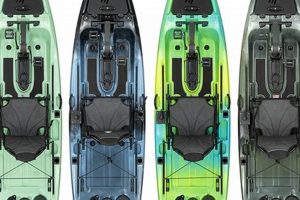
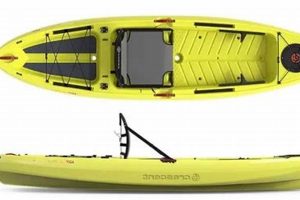
A comprehensive resource designed to inform and educate on all aspects of angling from a kayak encompasses a wide range of topics. Such a resource would typically cover equipment selection (kayaks, paddles, rods, reels, tackle), safety procedures, paddling techniques, fishing strategies specific to kayak angling, location selection, and ethical considerations. An example topic might include how to rig a kayak for different types of fishing, such as trolling or casting.
Access to comprehensive information is crucial for safe and successful kayak fishing. It allows anglers to make informed decisions about equipment purchases, understand and mitigate risks associated with on-the-water activities, and employ effective fishing techniques. Historically, anglers relied on fragmented information from various sources. A centralized, detailed guide offers a significant advantage by consolidating knowledge and presenting it in an accessible format, contributing to angler skill development and the overall growth and enjoyment of the sport.
Building upon this foundation, the following sections will delve deeper into specific aspects of kayak fishing, providing practical advice and expert insights to enhance the reader’s understanding and proficiency.
Essential Kayak Fishing Tips
This section provides practical advice to enhance on-water safety and angling success. Each tip offers valuable insights applicable to various fishing scenarios and kayak types.
Tip 1: Prioritize Stability: Kayak selection should prioritize stability, particularly for beginners. Wider kayaks offer greater initial stability, reducing the likelihood of capsizing. Consider a sit-on-top design for enhanced stability and self-rescue capability.
Tip 2: Master Paddle Strokes: Efficient paddling techniques are essential for navigating waterways and reaching fishing spots effectively. Practice forward, reverse, and sweep strokes to maneuver the kayak with precision and conserve energy.
Tip 3: Plan and Prepare: Pre-trip planning is crucial. Research potential fishing locations, check weather forecasts, and inform someone of the intended itinerary. Pack essential safety gear, including a personal flotation device (PFD), whistle, and signaling devices.
Tip 4: Dress Appropriately: Clothing choices should consider weather conditions and water temperature. Dress in layers to adapt to changing conditions and always wear a PFD. Consider quick-drying fabrics and avoid cotton.
Tip 5: Rig Your Kayak Effectively: Organize fishing gear for easy access and minimize clutter. Utilize rod holders, tackle boxes, and anchor trolleys to streamline fishing operations and maintain a safe environment.
Tip 6: Respect the Environment: Practice catch-and-release whenever possible and adhere to local fishing regulations. Pack out all trash and minimize disturbance to aquatic habitats. Responsible angling ensures the sustainability of the sport.
Tip 7: Start Slow and Progress Gradually: Begin with shorter trips in calm waters and gradually increase distance and complexity as skills develop. Consider joining a local kayak fishing club or taking lessons from experienced anglers.
By incorporating these tips into practice, anglers can significantly improve their on-water safety, fishing efficiency, and overall enjoyment. These fundamental principles provide a solid foundation for successful kayak fishing experiences.
With a strong understanding of these essential tips, anglers can now explore advanced techniques and specialized equipment to further refine their skills and pursue specific fishing targets.
1. Kayak Selection

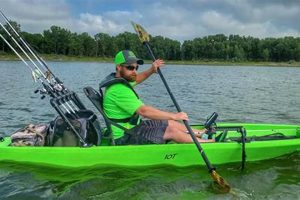
Appropriate kayak selection is fundamental to a positive kayak fishing experience. A comprehensive guide to the sport necessarily emphasizes this process, as kayak choice directly impacts stability, maneuverability, and overall fishing effectiveness. An unsuitable kayak can compromise safety and hinder an angler’s ability to reach desired fishing locations or effectively employ specific techniques. For instance, a short, wide kayak offers excellent stability for stillwater fishing but performs poorly in open, choppy conditions where a longer, more streamlined hull is preferable. Similarly, a sit-inside kayak offers protection from the elements and increased storage capacity, while a sit-on-top kayak allows for easier re-entry after a water landing and facilitates stand-up fishing.
Understanding the nuances of kayak design and their impact on performance is crucial. Hull shape, length, width, and material construction all contribute to a kayak’s stability, speed, and tracking ability. Consideration must be given to the intended fishing environment (rivers, lakes, oceans), target species, and preferred fishing style (casting, trolling, still-fishing). Choosing a kayak optimized for the intended application significantly enhances efficiency and enjoyment. For example, an angler targeting large pelagic fish offshore requires a seaworthy kayak with ample storage for specialized gear and the stability to handle challenging conditions, while a river angler benefits from a shorter, more maneuverable kayak designed to navigate shallow water and obstacles.
Careful kayak selection, guided by informed decision-making, is paramount for successful kayak fishing. A comprehensive guide empowers anglers to evaluate their individual needs and select the most suitable craft. This critical step lays the foundation for a safe, efficient, and ultimately rewarding experience on the water, highlighting its crucial role within the broader context of kayak angling best practices.
2. Safety Equipment

A comprehensive guide to kayak fishing necessarily prioritizes safety equipment. Understanding and utilizing appropriate safety gear is paramount for mitigating risks inherent in the sport. This section details essential safety equipment, emphasizing its role in ensuring angler well-being and responsible on-water practices.
- Personal Flotation Device (PFD)
A PFD is non-negotiable for kayak fishing. It provides buoyancy in the event of capsizing or accidental immersion, significantly increasing the chances of survival. Choosing a comfortable, well-fitting PFD designed for paddling is crucial. A Type III PFD, designed for calm, inland waters where rapid rescue is likely, is generally suitable for kayak fishing. Properly securing the PFD and ensuring it is in good working order before each trip are essential safety practices.
- Signaling Devices
Effective communication is critical in emergency situations. Carrying a whistle allows anglers to signal for help over distances. Visual distress signals, such as flares or a signal mirror, can attract attention in cases of disorientation or separation from the kayak. A waterproof VHF radio provides direct communication with other boaters and the Coast Guard, offering a reliable means of summoning assistance. Redundancy in signaling devices enhances safety.
- Navigation and Lighting
Navigation aids are essential, especially in unfamiliar waters or low-light conditions. A compass and nautical charts assist in maintaining course and avoiding hazards. A GPS unit provides precise location information and aids in route planning. Carrying a headlamp or flashlight ensures visibility during early morning, late evening, or nighttime excursions, further enhancing safety. Regularly checking batteries and functionality is essential for preparedness.
- First-Aid Kit and Emergency Supplies
Minor injuries can occur while kayak fishing, making a well-stocked first-aid kit crucial. It should contain essential supplies for treating cuts, scrapes, burns, and other common ailments. Additional emergency supplies, such as a knife, multi-tool, extra sunscreen, and a space blanket, can prove invaluable in unexpected situations, enhancing preparedness and resilience on the water.
Careful consideration of these safety precautions and the appropriate use of equipment significantly reduce risks associated with kayak fishing. Integrating these practices into pre-trip planning and on-water activities contributes to a safe and enjoyable experience, highlighting the critical role of safety within a comprehensive guide to the sport.
3. Fishing Techniques
Effective fishing techniques are integral to a comprehensive kayak fishing guide. Adapting traditional angling methods to the unique characteristics of a kayak platform optimizes success. This section explores key techniques relevant to kayak angling, emphasizing their practical application and contribution to an enhanced fishing experience.
- Casting and Retrieving
Casting from a kayak requires adjustments to maintain balance and accuracy. A shorter, more compact casting stroke minimizes disruptive kayak movement. Utilizing a seated position lowers the center of gravity, enhancing stability. Accurate casts placed near structure or in target zones maximize opportunities. Retrieving techniques vary depending on the target species and lure type. Maintaining controlled line tension and adjusting retrieval speed entice strikes. Practicing casting and retrieving from a seated position improves proficiency and consistency.
- Trolling
Trolling from a kayak presents a unique approach to covering water and locating fish. Deploying multiple lines at varying depths increases the chances of encountering different species. Utilizing rod holders frees the angler’s hands for kayak control and other tasks. Adjusting trolling speed and lure selection targets specific species and depths. Monitoring rod tips and line tension detects strikes. Employing a fish finder aids in identifying productive areas and depths, enhancing trolling efficiency.
- Drift Fishing
Drift fishing allows anglers to cover water naturally, presenting lures or bait to a wider area. Utilizing current or wind to propel the kayak eliminates the need for constant paddling. Adjusting drift speed with a drift sock or anchor controls presentation and maintains position within a target zone. Maintaining awareness of surrounding obstacles and boat traffic ensures safe and effective drift fishing. This technique is particularly well-suited to river systems or areas with prevailing winds.
- Anchor Positioning
Proper anchoring techniques maximize fishing efficiency from a stationary kayak. Selecting an appropriate anchor type and deployment method ensures secure placement in various bottom conditions. Utilizing an anchor trolley system allows precise control over kayak position relative to current or wind. Positioning the kayak upstream or upwind of a target area allows natural drift of lures or bait. Maintaining proper anchor line management prevents tangles and ensures efficient retrieval. Secure anchoring facilitates focused fishing in specific locations.
Mastering these techniques significantly enhances kayak fishing success. Integrating them into a comprehensive guide equips anglers with practical skills adaptable to diverse fishing scenarios. Proficiency in these techniques, combined with sound kayak handling and safety practices, contributes to a more rewarding and productive on-water experience, underscoring their importance within the broader context of kayak angling.
4. Location Scouting

Effective location scouting is a cornerstone of successful kayak fishing and a crucial component of any comprehensive guide. Strategic selection of fishing spots significantly influences angling success. Understanding how to identify and evaluate potential locations maximizes opportunities and contributes to a more productive and rewarding experience. This section explores key facets of location scouting within the context of kayak fishing.
- Map Analysis
Topographic and bathymetric maps provide valuable insights into underwater terrain, identifying potential fish-holding structures like drop-offs, points, and channels. Nautical charts offer information on navigation hazards, water depths, and access points. Analyzing these resources before embarking on a fishing trip allows anglers to pre-select promising areas and plan efficient routes, saving valuable on-water time and increasing the likelihood of success. For example, identifying a submerged ridge extending from a shoreline point on a bathymetric map indicates a potential ambush point for predatory fish.
- Observational Skills
Observing natural signs enhances location selection. Identifying areas with baitfish activity, such as diving birds or surface disturbances, often indicates the presence of larger predatory fish. Recognizing changes in water color, temperature, or current flow reveals transitions between different habitats, which can concentrate fish. Noticing structure, such as submerged logs or weed beds, provides further clues to potential fish-holding areas. These observational skills, honed through experience and attentiveness, significantly improve on-water decision-making. For instance, observing a line of floating debris converging in a specific area suggests a current confluence, a prime location for feeding fish.
- Local Knowledge and Resources
Leveraging local knowledge provides valuable insights into productive fishing spots. Consulting with local bait shops, fishing guides, or experienced anglers yields information on species-specific habitats, seasonal patterns, and effective techniques. Online forums and fishing reports offer real-time updates on current fishing conditions and successful locations. Integrating local knowledge supplements map analysis and observational skills, refining location selection and optimizing fishing strategies. For example, learning from a local bait shop about a recent influx of baitfish into a particular bay significantly increases the chances of encountering predatory game fish in that area.
- Accessibility and Safety Considerations
Accessibility plays a crucial role in location selection. Evaluating launch points, parking availability, and potential portages ensures efficient and safe access to chosen fishing spots. Considering water conditions, such as current flow, wind patterns, and tidal fluctuations, mitigates risks and ensures a safe fishing environment. Choosing locations within a comfortable paddling distance and avoiding areas with heavy boat traffic enhances safety and enjoyment. For instance, selecting a sheltered cove with a designated kayak launch provides a safe and convenient entry point, particularly in windy conditions.
By integrating these facets of location scouting into pre-trip planning and on-water decision-making, anglers significantly improve their chances of success. Thorough location scouting, as a core element of “kayak fishing the ultimate guide,” empowers anglers to strategically target specific species, maximize fishing time, and enhance their overall experience. Proficient location scouting distinguishes consistently successful kayak anglers, highlighting its crucial role in mastering the sport.
5. Responsible Angling
Responsible angling forms an integral component of a comprehensive kayak fishing guide. Ethical considerations are inseparable from sustainable fishing practices. A true “ultimate guide” must emphasize the angler’s role as a steward of the environment. This involves minimizing impact on aquatic ecosystems and ensuring the longevity of fish populations. Cause and effect relationships are clear: discarding fishing line can entangle wildlife; improper catch-and-release techniques can injure or kill fish; disturbing breeding habitats can disrupt reproductive cycles. For example, using circle hooks reduces the likelihood of deep hooking, increasing the survival rate of released fish. Similarly, choosing biodegradable fishing line minimizes long-term environmental impact should line be lost or discarded.
Practical applications of responsible angling within kayak fishing extend beyond catch-and-release practices. Minimizing disturbance to wildlife extends to avoiding nesting areas during breeding seasons and observing quiet practices when approaching fishing locations. Proper disposal of all waste, including biodegradable materials, prevents accumulation of debris in waterways and along shorelines. Respecting private property and adhering to access regulations demonstrates responsible community engagement. These actions contribute to the overall health of the ecosystem and ensure continued access to fishing resources for future generations. For example, carrying a reusable bag for collecting discarded fishing line and other trash actively contributes to maintaining a clean and healthy environment. Furthermore, respecting local fishing regulations, including catch limits and size restrictions, contributes to sustainable fish populations.
Ultimately, responsible angling reflects a deep respect for the environment and a commitment to preserving the sport of kayak fishing. Incorporating these principles within “kayak fishing the ultimate guide” elevates the discussion beyond mere technique and emphasizes the interconnectedness between angler actions and environmental health. Addressing these challenges proactively ensures the long-term sustainability of kayak fishing. Failing to prioritize responsible angling undermines the future of the sport and compromises the very resources upon which it depends. The ultimate guide, therefore, must not only instruct on how to fish but also instill a strong conservation ethic, ensuring that future generations can enjoy the same opportunities.
Frequently Asked Questions
This section addresses common inquiries regarding kayak fishing, providing concise and informative responses to clarify potential uncertainties and enhance understanding.
Question 1: What type of kayak is best suited for fishing?
Kayak selection depends on individual needs and fishing environments. Sit-on-top kayaks offer enhanced stability and ease of re-entry, making them suitable for beginners and warmer climates. Sit-inside kayaks provide greater protection from the elements and increased storage capacity, often preferred for colder conditions or longer expeditions. Hull design, length, and width influence maneuverability and tracking performance. Careful consideration of these factors ensures optimal kayak selection.
Question 2: What essential safety gear is required for kayak fishing?
Essential safety equipment includes a properly fitted personal flotation device (PFD), a whistle, visual distress signals (flares or a signal mirror), and a waterproof VHF radio. A navigation system comprising a compass, nautical charts, and a GPS unit is highly recommended. A well-stocked first-aid kit and emergency supplies, including a knife, multi-tool, and extra sunscreen, are also crucial for preparedness.
Question 3: How does one adapt fishing techniques to a kayak?
Adapting fishing techniques involves modifying casting strokes for stability, utilizing specialized kayak fishing rods and reels, and employing techniques like trolling and drift fishing to leverage the kayak’s mobility. Maintaining a low center of gravity enhances balance, and efficient gear organization optimizes space and accessibility.
Question 4: Where are productive kayak fishing locations found?
Productive locations vary depending on target species and local conditions. Analyzing maps, observing natural signs like baitfish activity, leveraging local knowledge, and considering accessibility factors all contribute to identifying promising fishing spots. Thorough pre-trip planning optimizes location selection.
Question 5: What constitutes responsible kayak fishing practices?
Responsible angling includes adhering to catch-and-release guidelines, minimizing environmental impact by properly disposing of waste, respecting wildlife and their habitats, and adhering to local fishing regulations. Practicing Leave No Trace principles ensures sustainability and preserves the environment for future generations.
Question 6: What are the advantages of kayak fishing compared to traditional boat fishing?
Kayak fishing offers access to shallow, secluded waters often inaccessible to larger boats, providing a stealthier approach for targeting fish. Reduced operational costs and the physical engagement of paddling enhance the overall experience. Kayak fishing provides a closer connection with nature and a unique perspective on the aquatic environment.
Careful consideration of these frequently asked questions, combined with the information presented throughout this guide, equips individuals with the knowledge and resources necessary for a safe, successful, and rewarding kayak fishing experience.
Beyond these fundamental aspects, exploring advanced techniques and specialized equipment further refines skills and maximizes angling potential, fostering continued growth within the sport.
Kayak Fishing
This exploration of kayak fishing as the ultimate guide has provided a comprehensive overview of essential aspects, from equipment selection and safety procedures to advanced fishing techniques and responsible angling practices. Key points emphasized include the importance of kayak selection based on individual needs and fishing environments, the critical role of safety equipment in mitigating risks, and the effectiveness of adapting traditional fishing techniques to the kayak platform. Furthermore, the guide underscored the significance of strategic location scouting and the ethical imperative of responsible angling for ensuring the sustainability of the sport and preserving aquatic ecosystems. A well-informed approach, integrating these elements, maximizes both angling success and the overall enjoyment of the experience.
Mastery of kayak fishing, as presented in this ultimate guide, empowers individuals to confidently explore diverse waterways, connect with nature on a deeper level, and experience the unique thrill of angling from a kayak. Continued learning, skill development, and unwavering adherence to ethical practices ensure not only personal growth within the sport but also the preservation of this rewarding pursuit for future generations. The future of kayak fishing rests upon the responsible actions of each angler, making informed participation and environmental stewardship paramount.