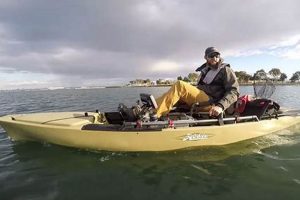
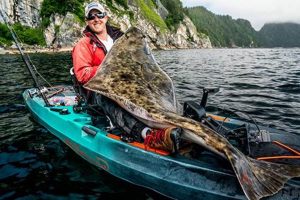
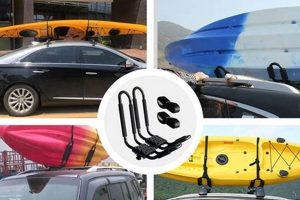
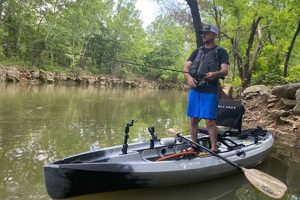
This activity involves angling from a small, human-powered watercraft within Singaporean waters. It offers a unique blend of outdoor recreation, sporting challenge, and connection with nature. A typical outing might involve paddling through coastal areas, reservoirs, or rivers, casting lines for a variety of local fish species.
The combination of physical exertion, strategic thinking, and the potential for a fresh catch makes this pastime an attractive option for residents and visitors alike. It offers an accessible entry point into the world of fishing, requiring minimal equipment compared to boat-based angling. Historically, small boats have been used for fishing in Singapore’s waters, but the modern iteration with specialized kayaks designed for angling has gained significant popularity in recent years, offering a more agile and personalized experience.
The following sections will delve into the key aspects of this pursuit in Singapore, covering topics such as suitable locations, essential equipment, relevant regulations, and responsible fishing practices.
Tips for Kayak Fishing in Singapore
Successful kayak angling requires careful planning and execution. These tips provide valuable insights for optimizing fishing trips in Singaporean waters.
Tip 1: Prioritize Safety: Always wear a personal flotation device (PFD). Check weather conditions and tides before embarking. Inform someone of the intended fishing location and estimated return time. Carry a communication device for emergencies.
Tip 2: Choose Suitable Locations: Research designated fishing areas within Singapore’s reservoirs, rivers, and coastal waters. Consider factors such as water depth, currents, and potential fish habitats. Respect restricted zones and marine protected areas.
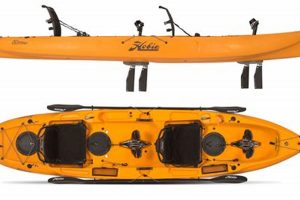
Tip 3: Select Appropriate Gear: Utilize a kayak specifically designed for fishing, equipped with rod holders, storage compartments, and stability features. Opt for lightweight rods and reels suitable for targeted species. Pack essential tackle, including lures, hooks, lines, and weights.
Tip 4: Master Basic Kayaking Techniques: Practice paddling and maneuvering the kayak efficiently. Learn how to maintain balance and stability while casting and retrieving lines. Familiarize oneself with proper anchoring techniques for stationary fishing.
Tip 5: Understand Local Regulations: Obtain any necessary fishing licenses or permits. Adhere to size and bag limits for specific fish species. Comply with regulations regarding allowed fishing methods and bait usage.
Tip 6: Practice Responsible Fishing: Minimize environmental impact by properly disposing of fishing line and other waste. Handle fish carefully and practice catch-and-release whenever appropriate. Respect other anglers and waterway users.
Tip 7: Observe Water Conditions: Pay attention to changes in weather, currents, and tides. Adapt fishing strategies based on water clarity and temperature. Exercise caution in areas with heavy boat traffic or strong currents.
By adhering to these guidelines, anglers can enhance their fishing experience while ensuring personal safety and environmental responsibility.
These practical tips provide a foundation for successful and enjoyable fishing outings, setting the stage for a more detailed exploration of specific techniques and strategies in the following sections.
1. Locations

Strategic location selection is paramount for successful kayak fishing in Singapore. Choosing the right spot involves considering factors such as target species, water conditions, accessibility, and regulations. The following facets highlight the critical role location plays in this pursuit.
- Reservoirs
Singapore’s reservoirs, such as Bedok, Kranji, and Lower Seletar, offer calm, sheltered waters suitable for kayak fishing. These locations are often stocked with fish species like peacock bass, snakehead, and tilapia. Reservoirs provide relatively easy access and controlled environments, making them ideal for anglers of varying skill levels. However, specific regulations regarding permitted fishing areas and methods within each reservoir must be observed.
- Coastal Areas
The diverse coastal waters surrounding Singapore present opportunities to target saltwater species. Areas like Pulau Ubin and the Southern Islands offer access to barracuda, grouper, and snapper. Coastal fishing, however, requires careful consideration of tides, currents, and weather conditions, demanding a higher level of experience and preparedness due to the dynamic nature of the marine environment.
- Rivers
Rivers like the Kallang and Singapore offer unique angling experiences within urban settings. While these locations might present challenges related to water quality and limited access points, they provide opportunities for targeting species like catfish and toman. Understanding the specific regulations and potential hazards associated with river fishing is crucial for a safe and productive outing.
- Restricted Zones
Certain areas, such as designated nature reserves and protected marine parks, are off-limits to fishing activities. Respecting these restrictions is essential for preserving the local ecosystem and avoiding penalties. Prior research and awareness of these zones are crucial before planning any kayak fishing trip.
Careful consideration of these location-specific factorsspecies availability, water conditions, accessibility, and regulationsis essential for planning a successful kayak fishing trip. Understanding these elements allows anglers to maximize their chances of a rewarding experience while contributing to the responsible and sustainable enjoyment of Singapore’s aquatic resources.
2. Equipment

Specialized equipment plays a crucial role in kayak fishing within Singapore’s diverse waters. The selection and utilization of appropriate gear directly impact both safety and fishing success. A well-equipped angler is better prepared to handle the unique challenges and opportunities presented by this activity. This necessitates careful consideration of various factors, including the fishing environment, target species, and individual angler preferences.
Essential equipment includes a fishing kayak designed for stability and maneuverability in specific water conditions. Rods and reels should be chosen based on the targeted species and fishing techniques. Tackle such as lures, hooks, lines, and weights must be matched to the prevalent fish species and fishing environment. Safety equipment, including a personal flotation device (PFD), communication device, and first-aid kit, is paramount. For example, a shorter, lighter rod is suitable for targeting smaller fish in sheltered reservoirs, while a longer, heavier rod is necessary for larger species in open coastal waters. Similarly, brightly colored lures are often effective in murky reservoir conditions, while more natural-looking bait might be preferred in clear coastal waters. A fish finder and GPS device can greatly enhance the ability to locate fish and navigate safely, particularly in larger bodies of water or unfamiliar areas.
Proper equipment selection and maintenance are crucial for a safe and successful experience. Neglecting essential gear can compromise safety and reduce fishing effectiveness. Regular maintenance, including cleaning and inspection of equipment, ensures optimal performance and longevity. Understanding the function and purpose of each piece of equipment allows anglers to make informed decisions and optimize their approach. This knowledge empowers anglers to adapt to varying conditions and target specific species effectively, contributing to a more rewarding and safe experience.
3. Regulations
Adherence to fishing regulations is essential for the sustainable practice of kayak fishing in Singapore. These regulations, established by the Agri-Food & Veterinary Authority of Singapore (AVA), now under the Singapore Food Agency (SFA), aim to conserve fish stocks, protect the aquatic environment, and ensure fair and responsible fishing practices. They cover aspects such as licensing requirements, permitted fishing areas, allowed fishing methods, and size and bag limits for specific species. Understanding and complying with these regulations is a prerequisite for any angler operating in Singaporean waters, regardless of experience level.
Specific examples include the prohibition of using nets or traps in designated areas, restrictions on fishing near fish farms or protected zones, and the requirement to hold a valid fishing license when fishing in reservoirs. Disregarding these regulations can lead to penalties, including fines and confiscation of equipment. These rules are designed to prevent overfishing, minimize environmental damage, and maintain a balance within the ecosystem. They are enforced through regular patrols and inspections by SFA officers. Understanding the specific regulations applicable to different locations, such as reservoirs, coastal areas, and rivers, is crucial. For instance, while fishing is permitted in designated areas within reservoirs, specific methods and bait restrictions might apply, differing from those in coastal areas.
Compliance with regulations safeguards fish populations, protects sensitive habitats, and contributes to the long-term viability of fishing activities. This responsible approach ensures the continued enjoyment of kayak fishing for future generations. A clear understanding of the regulations, readily available through official SFA resources, empowers anglers to participate legally and ethically, contributing to the overall health of Singapore’s aquatic ecosystems. The practical application of this understanding fosters a culture of responsible fishing, reinforcing the importance of conservation within the angling community and promoting the sustainable use of natural resources.
4. Techniques

Effective techniques are fundamental to successful kayak fishing in Singapore. Given the diverse aquatic environments and target species, employing appropriate strategies significantly influences fishing outcomes. These techniques encompass a range of skills, from kayak maneuvering and positioning to lure retrieval methods and fish handling. Mastering these skills allows anglers to optimize their approach based on specific conditions and target species, thus increasing the likelihood of success.
Specific techniques relevant to Singaporean waters include drift fishing along reservoir shorelines, trolling with lures in open coastal areas, and jigging near underwater structures. For instance, when targeting barracuda in coastal waters, trolling with fast-moving lures mimics the movement of prey fish, attracting strikes. Conversely, a slow, bottom-bouncing retrieve might be more effective when targeting groupers near reefs or rocky outcrops. Similarly, understanding tidal currents and their influence on fish behavior informs strategic kayak positioning, allowing anglers to present lures or bait effectively within feeding zones. Mastering the art of precise casting from a kayak, accounting for stability and limited space, is crucial for accurately placing lures near submerged structures or along weed lines. The appropriate use of different knot-tying methods ensures secure connections between line and tackle, minimizing the risk of losing fish during retrieval.
Proficiency in these techniques enhances fishing success and contributes to a more rewarding experience. Adaptability in technique selection, based on prevailing conditions and target species, is a hallmark of a skilled kayak angler. Continuous refinement of these techniques, through practice and observation, allows anglers to adapt to changing environments and maximize their catch potential. This understanding underscores the crucial connection between technique and outcome in kayak fishing, emphasizing the importance of continuous learning and adaptation within this dynamic pursuit.
5. Safety
Safety is paramount in kayak fishing within Singaporean waters. The combination of navigating often unpredictable water conditions and engaging in a physically demanding activity necessitates meticulous planning and adherence to safety protocols. Neglecting safety precautions can lead to serious consequences, ranging from minor injuries to life-threatening situations. A proactive approach to safety ensures an enjoyable and incident-free experience.
- Personal Flotation Devices (PFDs)
Wearing a properly fitted PFD is non-negotiable. PFDs provide essential buoyancy in the event of capsizing or accidental immersion, significantly increasing the chances of survival. Choosing a PFD specifically designed for kayaking, with unrestricted arm movement, enhances comfort and practicality while fishing. Regular inspection of PFDs for wear and tear ensures their effectiveness in emergencies.
- Weather and Water Conditions
Checking weather forecasts and tidal charts before embarking on a fishing trip is crucial. Sudden changes in weather, strong currents, or unexpected wave swells can create hazardous conditions. Awareness of potential hazards allows for informed decision-making regarding trip timing and location selection. Postponing a trip due to unfavorable conditions prioritizes safety and minimizes risks.
- Communication and Emergency Preparedness
Carrying a waterproof communication device, such as a mobile phone or VHF radio, enables communication in emergencies. Informing someone on shore of the intended fishing location and estimated return time provides an additional safety net. A basic first-aid kit equipped to handle common injuries, such as cuts, hooks, and stings, is essential. Knowledge of basic first-aid procedures and CPR enhances preparedness for unforeseen circumstances.
- Navigation and Situational Awareness
Carrying a navigational aid, such as a GPS device or chart, and understanding basic navigation principles are crucial, especially in unfamiliar waters or areas with limited visibility. Awareness of potential hazards, such as boat traffic, submerged obstacles, or changing tides, promotes safe navigation. Maintaining a safe distance from other vessels and respecting restricted areas minimizes collision risks and ensures compliance with waterway regulations. Knowledge of local maritime rules and regulations contributes to responsible and safe boating practices.
Prioritizing these safety aspects mitigates risks inherent in kayak fishing, contributing significantly to a positive and safe experience. A comprehensive understanding of safety procedures and their consistent application ensures the well-being of the angler and fosters a responsible approach to enjoying this demanding yet rewarding activity within Singapore’s unique maritime environment. This proactive approach to safety promotes a culture of responsible angling and enhances the overall enjoyment of kayak fishing in Singapore.
Frequently Asked Questions
This section addresses common inquiries regarding kayak fishing within Singapore, providing concise and informative responses to facilitate a better understanding of this activity.
Question 1: Is a license required for kayak fishing in Singapore?
A license is required for fishing in reservoirs, but generally not required in coastal areas, rivers, or canals. However, anglers should always verify specific regulations based on the chosen fishing location.
Question 2: What are the common fish species targeted in kayak fishing around Singapore?
Common targets include barracuda, grouper, snapper, peacock bass, snakehead, and tilapia, depending on the specific fishing location (coastal versus reservoir).
Question 3: What type of kayak is recommended for fishing in Singaporean waters?
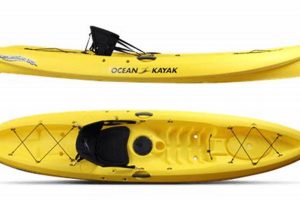
Sit-on-top kayaks are generally preferred for their stability, ease of entry and exit, and specialized features like rod holders and storage compartments designed for fishing.
Question 4: Where can suitable fishing kayaks be purchased or rented in Singapore?
Various local retailers and watersports centers offer fishing kayaks for sale or rent. Online marketplaces and specialized fishing equipment stores provide additional options.
Question 5: What safety precautions are essential for kayak fishing in Singapore?
Essential safety measures include wearing a PFD, checking weather conditions before embarking, informing someone of fishing plans, carrying a communication device, and having a basic first-aid kit.
Question 6: Are there any specific regulations regarding fishing methods or tackle in Singapore?
Regulations vary depending on location. Certain areas may prohibit specific fishing methods, such as the use of nets or traps. Size and bag limits apply to specific species. Always consult official SFA resources for up-to-date regulations.
Understanding these frequently asked questions equips individuals with foundational knowledge for embarking on kayak fishing excursions in Singapore. Thorough research and preparation contribute significantly to a safe, enjoyable, and compliant fishing experience.
For those seeking a more comprehensive understanding, detailed guides and resources are available online and through local angling communities.
Kayak Fishing SG
This exploration of kayak fishing within Singapore has highlighted key aspects, from equipment selection and location considerations to regulatory compliance and safety protocols. The unique blend of physical engagement, strategic thinking, and connection with nature positions this activity as a compelling recreational pursuit. Understanding the nuances of technique, coupled with a respect for local regulations and environmental sustainability, contributes to a rewarding and responsible angling experience.
The future of kayak fishing in Singapore relies on the continued adoption of sustainable practices and a collective commitment to preserving aquatic ecosystems. By embracing responsible angling principles, individuals contribute to the long-term viability of this activity, ensuring its enjoyment for future generations. Informed participation and mindful engagement with the environment are essential for fostering a positive and enduring relationship with Singapore’s valuable aquatic resources.