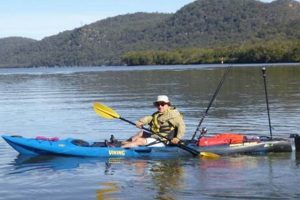
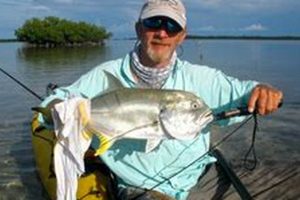
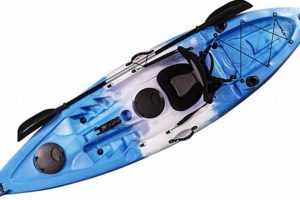
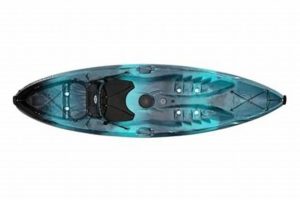
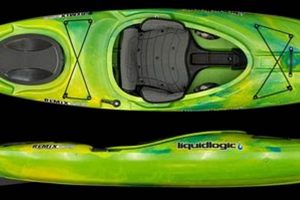
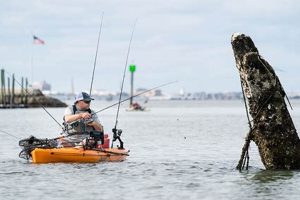
Companies that provide financial or material support to individuals or teams engaged in competitive or recreational angling from kayaks represent a vital aspect of the sport’s growth. This support can range from providing equipment like paddles, fishing rods, and safety gear, to covering travel expenses for tournaments or creating promotional content featuring the angler. For example, a manufacturer of fishing kayaks might sponsor a well-known angler in exchange for showcasing their products and brand.
Such arrangements offer mutual benefits. Anglers receive resources that enhance their performance and reach, allowing them to dedicate more time to the sport and potentially elevate their profile. For businesses, it provides a targeted marketing avenue to reach passionate fishing enthusiasts. Historically, angler endorsements have been a cornerstone of outdoor recreation marketing, but the rise in popularity of kayak fishing has created a distinct niche for specialized partnerships. This growing sector reflects the increasing prominence of kayak fishing within the broader angling community.
This article will further explore the dynamics of these relationships, covering topics such as finding potential backers, negotiating agreements, and fulfilling sponsorship obligations. It will also delve into the ethical considerations and best practices that contribute to successful and mutually beneficial partnerships within the sport.
Tips for Securing Kayak Fishing Sponsorships
Acquiring financial or material support requires a strategic approach. The following tips offer guidance for anglers seeking partnerships.
Tip 1: Build a Strong Online Presence: Maintain active social media profiles showcasing angling skills, tournament participation, and conservation efforts. High-quality photos and videos are crucial for attracting potential sponsors.
Tip 2: Define a Target Audience: Identifying the type of companies whose products align with one’s angling style and values is essential. Targeting relevant brands increases the likelihood of a successful partnership.
Tip 3: Develop a Compelling Proposal: A well-crafted proposal outlines the angler’s experience, target audience reach, and proposed marketing activities. Clear value propositions for potential partners are critical.
Tip 4: Network within the Industry: Attending industry events, joining online forums, and connecting with other anglers and industry professionals creates opportunities for potential sponsorship discussions.
Tip 5: Demonstrate Professionalism: Maintaining a positive public image, responding promptly to communications, and fulfilling agreed-upon obligations builds trust with potential sponsors and increases the chances of long-term partnerships.
Tip 6: Track Performance and Provide Reports: Demonstrating the effectiveness of sponsored content and activities through data-driven reports provides valuable insights for partners and strengthens the relationship.
Tip 7: Be Patient and Persistent: Securing sponsorships requires time and effort. Maintaining consistent engagement with potential partners and refining one’s approach are key to success.
By following these guidelines, anglers can increase their chances of securing valuable partnerships that enhance their angling pursuits while providing tangible returns for businesses.
The insights provided throughout this article equip anglers with the knowledge and strategies necessary to navigate the landscape of securing and maintaining successful sponsorships, contributing to both individual growth and the advancement of the sport.
1. Mutual Benefits

Successful partnerships between anglers and businesses hinge on the principle of mutual benefit. Each party brings value to the relationship, creating a synergistic exchange that fuels growth and success for both. Understanding these reciprocal advantages is crucial for establishing and maintaining fruitful, long-term collaborations.
- Enhanced Visibility and Brand Awareness
For businesses, sponsoring kayak anglers offers a direct route to a highly engaged target audience. Anglers, through their online presence and tournament participation, provide valuable exposure for brands. This heightened visibility translates to increased brand awareness and potential customer acquisition. An angler with a significant social media following, for instance, provides a platform for showcasing a sponsor’s products to a receptive audience.
- Product Development and Feedback
Anglers provide invaluable real-world testing and feedback on products. Their firsthand experience offers insights into product performance, durability, and potential improvements. This feedback loop allows businesses to refine their offerings, ensuring they meet the specific needs and demands of kayak anglers. For example, an angler’s feedback on a kayak’s stability in rough water can lead to design enhancements.
- Financial and Material Support
Sponsorships provide anglers with essential resources, including financial assistance, equipment, and travel expenses. This support enables anglers to dedicate more time and resources to their craft, whether it be competitive fishing or content creation. Access to high-quality gear, for instance, can significantly improve an angler’s performance and overall experience.
- Content Creation and Storytelling
Anglers often create compelling content showcasing their fishing experiences and the products they use. This content, shared across various platforms, provides engaging narratives that resonate with audiences and subtly promote sponsor brands. A well-produced video of a successful fishing trip, featuring sponsored gear, serves as authentic and engaging marketing material.
These interwoven benefits highlight the symbiotic nature of kayak fishing sponsorships. The success of one partner often contributes directly to the success of the other, creating a mutually beneficial ecosystem that drives innovation and growth within the sport.
2. Brand Alignment

The efficacy of a sponsorship rests significantly on the alignment between a brand’s identity and the values, audience, and content of the sponsored angler. A harmonious partnership amplifies the message of both parties, creating a resonant impact that transcends traditional advertising. Understanding the nuances of brand alignment is crucial for forging authentic and mutually beneficial relationships within the kayak fishing community.
- Shared Values
Consumers are increasingly drawn to brands that reflect their values. When a kayak fishing sponsor and angler share core principles, such as environmental stewardship or community engagement, the message resonates more deeply with the target audience. For example, a company focused on sustainable fishing practices would naturally align with an angler known for conservation efforts. This shared ethos strengthens the credibility of both parties and fosters a sense of trust among consumers.
- Target Audience Congruence
Effective sponsorships reach the right audience. An angler’s following should align with the sponsor’s target demographic. An angler specializing in tournament bass fishing, for example, would be a strong match for a bass boat manufacturer or fishing tackle brand. This precise targeting maximizes the impact of marketing efforts and ensures efficient resource allocation.
- Content Synergy
The content created by a sponsored angler should seamlessly integrate the sponsor’s brand and products. Forced or unnatural product placements can damage credibility. Authentic integration, where the product naturally complements the angler’s activities, resonates more effectively. An angler showcasing the durability of a kayak during a challenging fishing expedition provides a more compelling endorsement than a scripted product demonstration.
- Long-Term Vision
Successful sponsorships often extend beyond short-term campaigns. A shared long-term vision ensures sustained growth and mutual benefit. When both the angler and sponsor are invested in building a lasting relationship, opportunities for collaboration and innovation emerge. This can lead to co-branded products, joint marketing initiatives, and other mutually beneficial endeavors.
These interconnected facets of brand alignment demonstrate that effective partnerships extend beyond simple product endorsements. When a sponsor and angler share values, target the same audience, create synergistic content, and embrace a long-term perspective, the resulting relationship fosters genuine brand advocacy, elevates the angler’s profile, and strengthens the overall kayak fishing community.
3. Target Audience

Understanding the target audience represents a critical component within effective sponsorship strategies in kayak fishing. The intended consumer base shapes marketing decisions, influences content creation, and ultimately determines the success of a sponsored partnership. A clear definition of the target audience enables focused efforts and maximizes returns on investment for both the sponsoring company and the sponsored angler.
Consider a manufacturer of high-end fishing kayaks designed for offshore angling. Sponsoring a competitive angler known for tournament wins in inshore waters would likely yield limited results. The angler’s audience, primarily interested in inshore techniques and equipment, may not align with the manufacturer’s target demographic of offshore enthusiasts. Conversely, partnering with an angler who creates content focused on offshore kayak fishing and targets a similar audience offers a more effective avenue for reaching potential customers. This alignment ensures that marketing efforts reach a receptive audience, increasing the likelihood of conversion and brand engagement.
The practical significance of this understanding lies in the ability to tailor content and marketing strategies to resonate with the specific needs and interests of the intended audience. Content focused on specific techniques, equipment preferences, or fishing locations attracts viewers who identify with those elements. This targeted approach fosters a sense of community and builds trust, enhancing the credibility of both the angler and the sponsoring brand. Failure to define and address the target audience effectively can lead to wasted resources, diluted messaging, and ultimately, a less successful sponsorship campaign. Precisely identifying and catering to the target audience ensures that marketing efforts resonate with the intended consumers, maximizing the impact of the sponsorship and fostering mutually beneficial outcomes.
4. Performance Metrics

Within the realm of kayak fishing sponsorships, performance metrics provide quantifiable data that demonstrate the value and effectiveness of the partnership. These metrics offer critical insights for both anglers and sponsors, informing strategic decisions and ensuring alignment with marketing objectives. Tracking and analyzing these metrics is essential for optimizing campaigns, justifying investments, and fostering mutually beneficial, long-term relationships.
- Social Media Engagement
Engagement across social media platforms serves as a key indicator of audience interest and content effectiveness. Metrics such as likes, shares, comments, and follower growth provide valuable data regarding audience reach and content resonance. An angler with consistently high engagement rates demonstrates a strong and active following, offering sponsors significant potential for brand exposure and consumer interaction. For instance, an increase in shares of sponsored posts indicates wider content dissemination and potential reach to new audiences.
- Website Traffic and Conversions
Website analytics offer insights into the effectiveness of online marketing campaigns. Tracking metrics like website traffic, click-through rates, and conversion rates provides data on how effectively sponsored content drives traffic to a sponsor’s website and generates leads or sales. An angler who consistently drives traffic and conversions through embedded links or promotional codes demonstrates tangible value to sponsors. This data-driven approach allows sponsors to assess the return on investment (ROI) of their sponsorship and adjust strategies accordingly.
- Tournament Placements and Media Coverage
For competitive anglers, tournament placements and media coverage represent crucial performance indicators. High rankings in tournaments and positive media attention enhance an angler’s credibility and visibility, thereby increasing their value to sponsors. Winning a major tournament, for example, generates significant media exposure and reinforces the angler’s expertise, creating positive associations for affiliated brands. This heightened visibility translates into increased brand awareness and potential customer acquisition for sponsors.
- Content Creation and Quality
The quality and consistency of content produced by a sponsored angler directly impacts audience engagement and sponsor visibility. Metrics such as video views, blog post readership, and content download rates provide insights into audience preferences and content effectiveness. An angler producing high-quality, engaging content that aligns with the sponsor’s brand messaging strengthens the partnership and enhances brand perception. For example, a well-produced video showcasing the features of a sponsored kayak in action can significantly impact viewer interest and drive product awareness.
By meticulously tracking and analyzing these performance metrics, both anglers and sponsors gain a clear understanding of the effectiveness and reach of their collaborative efforts. This data-driven approach facilitates informed decision-making, optimized campaign strategies, and ultimately, the cultivation of mutually beneficial partnerships that contribute to sustained growth and success within the competitive landscape of kayak fishing.
5. Contractual Agreements
Well-defined contractual agreements form the bedrock of successful partnerships between kayak fishing sponsors and anglers. These agreements outline the rights, responsibilities, and expectations of both parties, ensuring clarity, transparency, and a strong foundation for a mutually beneficial relationship. A comprehensive contract protects the interests of all stakeholders and minimizes the potential for misunderstandings or disputes.
- Scope of Services
The contract should clearly define the scope of services the angler will provide. This includes specifics such as the number of social media posts, appearances at events, content creation deliverables, and usage rights for the sponsor’s brand and products. For example, a contract might stipulate the creation of four fishing videos per month featuring the sponsor’s kayak and fishing gear. Clear delineation of services prevents ambiguity and ensures both parties are aligned on expectations.
- Compensation and Benefits
The contract should meticulously outline the compensation structure, including financial payments, provision of equipment, travel reimbursements, and any other benefits provided to the angler. Specific payment schedules, bonus structures tied to performance metrics, and the valuation of non-monetary benefits should be clearly articulated. For instance, the contract might specify a base monthly payment plus performance-based bonuses tied to social media engagement metrics or tournament placements. This transparent approach to compensation prevents financial disputes and fosters a positive working relationship.
- Term and Termination
The duration of the sponsorship agreement and the conditions under which the agreement can be terminated should be explicitly stated. This includes provisions for early termination due to breach of contract, performance issues, or changes in business strategy. The contract might stipulate a one-year term with automatic renewal options, outlining specific grounds for termination by either party. Clear termination clauses protect both the angler and the sponsor in unforeseen circumstances.
- Intellectual Property Rights
Ownership and usage rights of content created during the sponsorship should be clearly defined. This includes specifications on copyright ownership of photos, videos, and written content, as well as the rights of each party to use and distribute this content. The contract might grant the sponsor exclusive rights to use the angler’s created content for a specified period. Clear definition of intellectual property rights prevents future disputes and clarifies usage parameters for all parties involved.
These contractual elements provide a framework for a professional and mutually beneficial relationship between kayak fishing sponsors and anglers. A well-drafted agreement protects the interests of both parties, fostering trust, transparency, and a strong foundation for a successful partnership. This structured approach contributes to a more stable and productive relationship, ultimately benefiting the growth and development of the sport.
6. Content Creation
Content creation plays a pivotal role in the dynamic between kayak fishing sponsors and anglers. It serves as the primary medium through which sponsorships generate value, transforming angler experiences into engaging narratives that resonate with target audiences. High-quality content, strategically disseminated across various platforms, amplifies brand messaging, enhances angler visibility, and fosters a sense of community within the kayak fishing ecosystem. This intricate relationship between content creation and sponsorship success necessitates a nuanced understanding of content strategy, audience engagement, and brand integration.
Consider a kayak fishing angler sponsored by a fishing line manufacturer. The angler might create a series of videos documenting fishing trips, showcasing the line’s performance in various conditions. These videos, incorporating footage of successful catches and highlighting the line’s strength and durability, serve as compelling marketing material. Sharing this content across social media platforms and online fishing communities exposes the sponsor’s product to a receptive audience, generating brand awareness and driving potential sales. Conversely, low-quality or irrelevant content can damage a sponsor’s image and diminish the angler’s credibility. An angler posting infrequent, poorly edited videos lacking a clear narrative fails to capture audience attention and provides minimal value to the sponsor. This underscores the importance of investing in high-quality content creation as a cornerstone of a successful sponsorship strategy.
The practical significance of this understanding lies in the ability to leverage content creation as a powerful tool for achieving sponsorship objectives. Anglers who consistently produce engaging, informative, and entertaining content cultivate a loyal following and attract potential sponsors. Sponsors, in turn, benefit from increased brand visibility, enhanced product awareness, and access to a highly engaged target audience. This symbiotic relationship, fueled by compelling content, drives growth and fosters mutually beneficial outcomes within the kayak fishing community. The challenges lie in maintaining consistent content quality, adapting to evolving audience preferences, and navigating the ethical considerations of sponsored content. Addressing these challenges requires a commitment to authenticity, transparency, and a deep understanding of the target audience.
7. Professionalism
Professionalism serves as a cornerstone in the relationship between kayak fishing sponsors and anglers. It encompasses a range of attributes, from maintaining a positive public image and adhering to ethical guidelines to honoring commitments and communicating effectively. This commitment to professionalism directly impacts the success and longevity of sponsorship agreements, influencing sponsor perceptions, audience engagement, and the overall health of the angler’s career. Sponsors invest in anglers who represent their brand positively, both on and off the water. An angler exhibiting unprofessional conduct, such as displaying poor sportsmanship or engaging in unethical fishing practices, can damage a sponsor’s reputation and undermine the partnership’s value. Conversely, consistent professionalism enhances an angler’s credibility and strengthens the sponsor’s confidence in the partnership. Consider an angler sponsored by a kayak manufacturer. Consistent tournament performance combined with a positive online presence, respectful interactions with competitors, and adherence to conservation principles reinforces the sponsor’s brand image and amplifies the value of the sponsorship.
The practical significance of this connection lies in the understanding that professionalism is not merely a desirable trait but a fundamental requirement for securing and maintaining sponsorships. Anglers who prioritize professionalism cultivate trust with sponsors, build stronger relationships within the industry, and enhance their marketability. This commitment translates into more opportunities, greater earning potential, and a more sustainable career trajectory. For example, an angler known for their professionalism and integrity is more likely to attract long-term sponsorships and secure lucrative endorsement deals. Failure to uphold professional standards can damage an angler’s reputation, limit opportunities, and jeopardize future partnerships. The challenge lies in maintaining consistent professionalism across all aspects of an angler’s public persona, both online and offline. This requires self-awareness, discipline, and a commitment to representing the sport and its sponsors in a positive light.
In conclusion, professionalism is inextricably linked to success within the realm of kayak fishing sponsorships. It represents a core value that underpins successful partnerships, influencing sponsor perceptions, audience engagement, and the overall trajectory of an angler’s career. A commitment to professionalism fosters trust, enhances marketability, and contributes to the sustained growth and positive development of the sport. The challenges of maintaining consistent professionalism underscore the ongoing commitment required to navigate the complexities of sponsored partnerships and contribute positively to the kayak fishing community.
Frequently Asked Questions about Kayak Fishing Sponsorships
This section addresses common inquiries regarding the process of securing and managing relationships with financial and material supporters within the kayak fishing community. Clear and concise answers provide practical insights for both aspiring and established anglers navigating this evolving landscape.
Question 1: What are the typical requirements for obtaining support?
Requirements vary depending on the specific company and the level of support provided. Generally, companies seek anglers with a strong online presence, demonstrated fishing skills, a positive public image, and a history of community engagement. A proven track record in competitive fishing can also enhance an angler’s appeal to potential sponsors.
Question 2: How does an angler identify potential sponsors?
Researching companies within the fishing industry, particularly those manufacturing kayaks, fishing gear, and related outdoor products, represents the first step. Attending industry events, networking with other anglers, and actively engaging on social media platforms can also create opportunities to connect with potential sponsors.
Question 3: What should be included in a sponsorship proposal?
A comprehensive proposal outlines the angler’s experience, target audience reach, content creation capabilities, and proposed marketing activities. It should clearly articulate the value proposition offered to the potential sponsor, emphasizing how the partnership will benefit their brand and marketing objectives.
Question 4: What are the typical obligations of a sponsored angler?
Obligations vary depending on the specific agreement, but commonly include creating sponsored content for social media, representing the sponsor’s brand at events, providing product feedback, and adhering to brand guidelines in all public communications related to the sport.
Question 5: How are sponsorship agreements structured?
Agreements are typically formalized through contracts outlining the terms of the sponsorship, including the scope of services, compensation structure, performance expectations, and duration of the partnership. These contracts protect the interests of both the angler and the sponsor, ensuring a clear understanding of mutual obligations.
Question 6: What are some common misconceptions about sponsorships?
One common misconception is that sponsorships are solely about financial compensation. While financial support is often a component, sponsorships are fundamentally partnerships built on mutual benefit. Anglers provide value through brand promotion, content creation, and audience engagement, while sponsors provide resources that support the angler’s fishing pursuits and career development.
Understanding these fundamental aspects of sponsorship arrangements prepares anglers to engage effectively with potential sponsors and cultivate mutually beneficial partnerships. This knowledge strengthens the foundation for sustainable collaborations within the kayak fishing community.
The following section will further delve into the nuances of building successful long-term relationships with sponsors, exploring best practices for communication, contract negotiation, and performance optimization.
Kayak Fishing Sponsors
This exploration of kayak fishing sponsors has illuminated the multifaceted nature of these relationships. From the initial stages of securing an agreement to the ongoing commitment required for a successful partnership, several key elements have emerged as crucial. Building a strong online presence, demonstrating consistent professionalism, crafting compelling content, and understanding the target audience all contribute significantly to attracting and maintaining valuable support. Furthermore, clear contractual agreements, aligned brand values, and meticulous tracking of performance metrics provide a framework for mutually beneficial outcomes. These interconnected components underscore the dynamic interplay between anglers and the businesses that invest in their passion.
The evolution of kayak fishing sponsorships reflects the sport’s growing prominence within the broader angling community. As the sport continues to gain traction, the potential for mutually beneficial partnerships between anglers and businesses will only expand. Cultivating these relationships requires a strategic approach grounded in professionalism, transparency, and a shared vision for growth. The future of kayak fishing hinges on the continued development of these symbiotic relationships, driving innovation, expanding reach, and fostering a thriving community of passionate anglers.