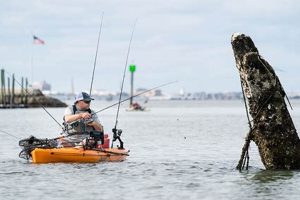
Paddling through the tranquil waterways surrounding Amelia Island while casting a line offers a unique angling experience. This method allows access to shallow-water habitats often inaccessible by larger vessels, bringing anglers closer to the natural environment and a variety of fish species.
This style of fishing provides a low-impact, eco-friendly way to enjoy the coastal ecosystem. It offers both a relaxing escape and an exciting sporting challenge suitable for various skill levels, from novice to experienced anglers. The historical significance of fishing in the region adds another layer of depth to this activity, connecting modern practitioners with a long tradition of harvesting from the sea.
This pursuit encompasses various facets, including choosing appropriate equipment, understanding local regulations, and identifying productive fishing spots. The following sections will explore these elements in detail, offering guidance and insights for successful and enjoyable outings.
Tips for Kayak Fishing Around Amelia Island
Successful outings require preparation and awareness. The following tips offer guidance for enhancing safety and maximizing catch potential.
Tip 1: Check Weather and Tide Charts: Prior to departure, consult marine forecasts. Wind, tide, and current conditions significantly impact paddling and fishing conditions. Calm days during slack tide offer the most favorable experience.
Tip 2: Pack Essential Safety Gear: A personal flotation device (PFD) is paramount. A whistle, signaling mirror, and communication device are also crucial for emergencies. Sunscreen, a hat, and polarized sunglasses enhance comfort and protect against the elements.
Tip 3: Choose Appropriate Tackle and Bait: Light to medium tackle suits the target species commonly found in these waters. Live bait or lures that mimic local forage fish increase the likelihood of attracting bites.
Tip 4: Familiarize Oneself with Local Regulations: Obtain necessary fishing licenses and understand size and catch limits for targeted species. Awareness of protected areas and restricted fishing zones ensures compliance.
Tip 5: Plan Routes and Identify Launch Points: Research accessible launch points suitable for kayaks. Mapping routes in advance and noting potential fishing hotspots contributes to efficient navigation and increased angling opportunities.
Tip 6: Practice Paddle Strokes and Kayak Control: Comfortable maneuvering allows anglers to focus on fishing. Practicing basic paddle strokes and control techniques in calm water enhances stability and efficiency on the water.
Tip 7: Respect Wildlife and the Environment: Practice catch-and-release whenever possible, minimizing impact on fish populations. Properly dispose of fishing line and other debris to preserve the natural beauty of the area.
Adhering to these guidelines contributes significantly to angler safety and successful fishing trips. Careful planning and responsible practices enhance enjoyment and preserve the natural environment for future generations.
By combining these practical tips with an understanding of local conditions, individuals can maximize their chances of a rewarding experience on the water.
1. Location Scouting

Effective location scouting is crucial for successful kayak fishing around Amelia Island. Identifying promising fishing spots beforehand maximizes angling opportunities and contributes to a more rewarding experience. Understanding key facets of location scouting enables informed decision-making and enhances on-the-water efficiency.
- Backcountry Creeks and Flats:
The shallow, protected waters of Amelia Island’s backcountry creeks and flats provide ideal habitat for various fish species. These areas offer opportunities to target redfish, trout, and flounder. Quietly paddling through these shallows allows anglers to sight-fish or present lures and bait with minimal disturbance.
- Tidal Inlets and Outlets:
Tidal inlets and outlets represent dynamic environments rich in baitfish and larger predatory species. These locations experience strong currents that attract fish, particularly during tidal changes. Anglers often find success drifting live bait or casting lures near these inlets and outlets.
- Nearshore Reefs and Structures:
Nearshore reefs, oyster beds, and other underwater structures attract a diverse array of fish. Kayaks provide access to these areas often difficult to reach by larger boats. Anglers can employ bottom fishing techniques or cast lures around these structures to target species such as sheepshead, black drum, and snapper.
- Salt Marsh Edges:
The edges of salt marshes offer a productive zone where freshwater from creeks mixes with saltwater from the ocean. This brackish environment attracts baitfish and larger predators seeking food. Kayak anglers can target these areas with topwater lures or subsurface presentations to entice redfish, trout, and flounder.
Careful consideration of these locations and their specific characteristics allows anglers to tailor their approach, increasing the likelihood of successful catches. By combining effective location scouting with knowledge of fish behavior and appropriate techniques, kayak anglers can fully enjoy the diverse fishing opportunities Amelia Island offers.
2. Tidal Considerations

Tidal fluctuations significantly influence kayak fishing success around Amelia Island. Understanding tidal patterns, currents, and their impact on fish behavior is crucial for effective angling. Careful consideration of tidal conditions allows anglers to optimize fishing strategies and enhance their overall experience.
- Current Strength and Direction:
Tidal currents dictate the movement of water and influence the distribution of baitfish and larger predatory species. Strong currents can make kayak control challenging, particularly for less experienced paddlers. Fishing during slack tide, the period between incoming and outgoing tides, offers calmer conditions. However, strong currents can concentrate fish in specific areas, creating productive fishing opportunities for those prepared to navigate them. Knowledge of current direction helps anglers position themselves effectively for drift fishing or casting lures.
- Water Depth and Accessibility:
Tidal changes alter water depths, impacting accessibility to shallow-water fishing grounds. During high tide, areas previously inaccessible become navigable, opening up opportunities to explore creeks, flats, and salt marsh edges. Conversely, low tide exposes shallow areas, concentrating fish in deeper channels and holes. Anglers should consult tide charts to plan their trips according to target species and preferred fishing locations.
- Fish Behavior and Feeding Patterns:
Tidal cycles impact fish behavior and feeding patterns. Certain species become more active during specific tidal phases. For example, redfish often move onto shallow flats during high tide to feed, while flounder may concentrate in channels during low tide. Understanding these patterns allows anglers to target specific species at optimal times and locations.
- Safety Implications:
Tidal currents pose safety concerns for kayak anglers. Strong outgoing tides can quickly carry kayaks away from the intended fishing area, making it challenging to return to shore. Incoming tides can flood previously accessible areas, potentially stranding anglers. Checking tide charts and planning accordingly is essential for safe and enjoyable kayak fishing experiences.
By incorporating tidal considerations into planning and execution, anglers can significantly enhance their chances of successful kayak fishing trips around Amelia Island. Understanding the interplay between tides, currents, and fish behavior allows for more informed decision-making on the water, contributing to both productive and safe angling experiences.
3. Equipment Selection

Appropriate equipment selection significantly impacts the safety and success of kayak fishing excursions around Amelia Island. The chosen gear must accommodate the specific conditions of the region, including tidal currents, varying water depths, and target species. Well-chosen equipment enhances angler comfort, efficiency, and overall enjoyment.
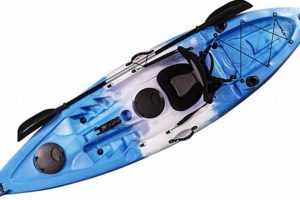
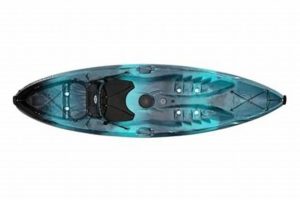
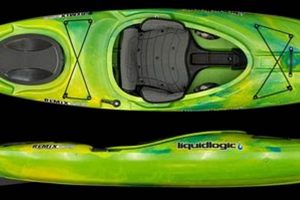
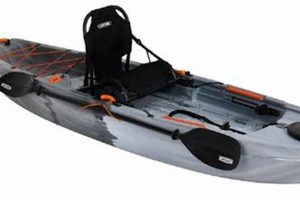
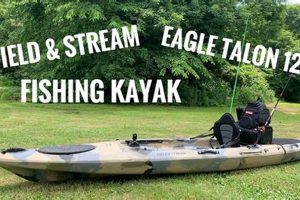
Kayak Selection: Stable and maneuverable kayaks are essential for navigating the diverse waterways surrounding Amelia Island. Sit-on-top kayaks offer enhanced stability and ease of re-entry if capsized, making them suitable for beginners. Longer kayaks provide greater speed and tracking ability, while shorter kayaks offer increased maneuverability in tight spaces. Selecting a kayak with ample storage capacity allows anglers to carry necessary gear and potential catches.
Paddle Choice: A lightweight, appropriately sized paddle contributes to efficient paddling and reduced fatigue. Adjustable paddles offer versatility for different paddling styles and water conditions. Durable materials, such as fiberglass or carbon fiber, provide strength and longevity.
Fishing Gear: Rods, reels, and lines should be tailored to target species. Light to medium tackle generally suffices for the common fish found in these waters. Rod holders, anchor trolleys, and other specialized kayak fishing accessories enhance angler efficiency and organization. A well-stocked tackle box containing a variety of lures, hooks, weights, and other terminal tackle allows anglers to adapt to changing fishing conditions and target different species.
Safety Equipment: Prioritizing safety is paramount. A personal flotation device (PFD) is essential and legally required in many areas. A whistle, signaling mirror, and communication device (such as a VHF radio or waterproof cell phone) are crucial for emergencies. A first-aid kit, knife, and bilge pump or sponge are also recommended. Wearing appropriate clothing, including a hat, sunglasses, and sunscreen, protects against the elements.
Careful consideration of these equipment choices contributes to a safe, comfortable, and productive kayak fishing experience on Amelia Island. Investing in high-quality gear suited to the specific conditions of the region enhances angler performance and overall enjoyment while prioritizing safety on the water.
4. Safety Precautions
Safety precautions are paramount for kayak fishing around Amelia Island. The environment presents inherent risks mitigated through careful planning and adherence to established safety guidelines. Neglecting these precautions can lead to accidents, injuries, or even fatalities. The combination of open water, tidal currents, and potential encounters with marine life necessitates a proactive approach to safety.
A key safety measure is wearing a personal flotation device (PFD). Even strong swimmers can encounter unforeseen circumstances, such as capsizing in strong currents or unexpected encounters with marine life. A PFD provides essential buoyancy and can prevent drowning. Carrying a communication device, such as a VHF radio or waterproof cell phone, enables contact with emergency services should the need arise. Informing someone of planned fishing locations and estimated return times adds another layer of security. Should an angler fail to return as scheduled, this information facilitates a timely search and rescue operation.
Awareness of weather conditions is crucial. Checking marine forecasts before embarking on a fishing trip allows anglers to avoid hazardous conditions. Strong winds, thunderstorms, and fog significantly increase risks. Sudden weather changes can occur, making continuous monitoring of weather conditions during the trip essential. Carrying a basic first-aid kit enables treatment of minor injuries, while knowledge of basic first-aid procedures can prove invaluable in more serious situations. Understanding local regulations, including speed limits in designated areas and awareness of restricted zones, contributes to overall safety and responsible enjoyment of the natural environment.
5. Respecting Wildlife
Sustainable kayak fishing practices around Amelia Island necessitate a deep respect for the local ecosystem. Maintaining the health of fish populations and preserving the natural environment ensures the longevity of this cherished activity. Respecting wildlife encompasses various actions and considerations crucial for minimizing human impact and fostering a harmonious relationship between anglers and the natural world.
- Catch-and-Release Practices
Practicing catch-and-release minimizes stress on fish populations and promotes healthy ecosystems. Proper handling techniques, such as using wet hands or a landing net, reduce damage to fish scales and protective slime coatings. Promptly returning fish to the water minimizes air exposure and increases their chances of survival. Avoiding fishing in areas with high concentrations of breeding fish protects future generations.
- Minimizing Disturbances
Kayaks offer a stealthy approach to fishing, allowing anglers to approach fish without creating excessive noise or disturbance. Paddling quietly and avoiding sudden movements minimizes disruptions to fish behavior and their natural environment. Respecting nesting birds and other wildlife by maintaining a safe distance prevents stress and potential harm.
- Proper Waste Disposal
Discarded fishing line poses a significant threat to marine life. Birds, turtles, and other animals can become entangled in discarded line, leading to injury or death. Properly disposing of fishing line and all other trash preserves the natural beauty of Amelia Island’s waterways and protects the health of its inhabitants. Carrying a small trash bag or container on the kayak facilitates responsible waste management.
- Awareness of Sensitive Habitats
Certain areas, such as seagrass beds and oyster reefs, serve as critical habitats for various species. Avoiding anchoring or fishing in these sensitive areas minimizes damage and preserves their ecological integrity. Educating oneself about local ecosystems and their vulnerabilities fosters responsible angling practices and contributes to long-term conservation efforts.
Respecting wildlife through these practices ensures the sustainability of Amelia Island’s kayak fishing opportunities. By prioritizing conservation and minimizing environmental impact, anglers contribute to the long-term health of the ecosystem and preserve the natural beauty of this unique coastal environment for future generations.
Frequently Asked Questions
This section addresses common inquiries regarding kayak fishing around Amelia Island. The information provided aims to clarify potential uncertainties and provide practical guidance for planning successful and enjoyable fishing excursions.
Question 1: What are the most common fish species targeted by kayak anglers around Amelia Island?
Redfish, speckled trout, flounder, sheepshead, and black drum are frequently targeted. Seasonal variations influence species presence and activity.
Question 2: Are fishing licenses required for kayak fishing in Amelia Island waters?
Yes, a valid Florida saltwater fishing license is required for anglers over the age of 16, unless exempt. Licenses are readily available online or through authorized vendors.
Question 3: What are the recommended launch points for kayaks around Amelia Island?
Several public boat ramps and designated kayak launch areas provide access. Researching specific locations in advance aids logistical planning. Local outfitters offer guided tours and equipment rentals.
Question 4: What safety precautions are essential for kayak fishing in this area?
Wearing a personal flotation device (PFD), carrying a communication device, checking weather forecasts, and informing someone of fishing plans are crucial safety measures.
Question 5: What are the typical costs associated with kayak fishing around Amelia Island?
Costs vary depending on equipment ownership, rental fees (if applicable), bait and tackle expenses, and potential guide service fees. Budgeting appropriately ensures a financially manageable experience.
Question 6: What impact do tides have on kayak fishing success in this region?
Tidal fluctuations significantly influence fish behavior and accessibility to fishing grounds. Consulting tide charts and understanding tidal currents improves angling success and safety.
Understanding these frequently asked questions provides valuable insight for planning successful kayak fishing trips. Thorough preparation contributes to enjoyable and safe experiences on the water.
For further information or specific inquiries, local fishing guides and outfitters offer specialized knowledge and resources.
Amelia Island Kayak Fishing
Exploration of this unique angling experience reveals a rewarding pursuit deeply intertwined with the natural environment. Successful participation hinges upon understanding key elements: strategic location scouting, tidal influence awareness, appropriate equipment selection, diligent safety precautions, and unwavering respect for local wildlife. These factors collectively contribute to successful and sustainable fishing practices.
Amelia Island’s intricate waterways offer a compelling invitation to experience the sport in a distinctive manner. Careful preparation and responsible engagement ensure both rewarding catches and the preservation of this valuable ecosystem for generations to come. Continued exploration and mindful participation promise enriching experiences within this dynamic coastal environment.