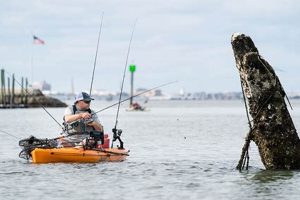
These excursions combine the serene experience of paddling with the thrill of angling. Imagine gliding across a tranquil lake at dawn, casting a line into the promising depths, or navigating a winding river, pursuing elusive species in their natural habitat. This activity offers a unique blend of outdoor recreation and sporting challenge.
Such adventures offer distinct advantages. The low profile of a kayak allows anglers to approach fish stealthily, increasing the chances of a successful catch. They provide access to shallow waters and secluded coves often inaccessible to larger boats, opening up a wider range of fishing opportunities. Furthermore, this form of fishing promotes a deeper connection with nature, fostering appreciation for aquatic ecosystems and the surrounding environment. Over time, evolving kayak designs and specialized fishing gear have enhanced the experience, making it more accessible and enjoyable.
This article will delve deeper into various aspects of planning and executing successful outings, covering topics such as essential gear, choosing the right kayak, selecting prime locations, and employing effective fishing techniques.
Tips for Successful Kayak Fishing Outings
Careful planning and preparation are essential for productive and enjoyable kayak fishing excursions. The following tips offer valuable insights for anglers of all skill levels.
Tip 1: Prioritize Safety
Always wear a personal flotation device (PFD). Check weather forecasts before embarking and be aware of changing conditions. Inform someone of the intended fishing location and estimated return time.
Tip 2: Choose the Right Kayak
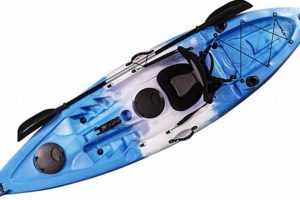
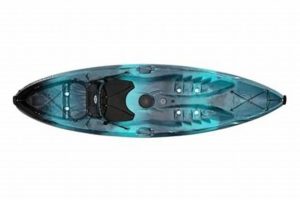
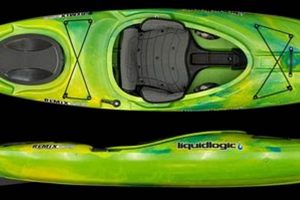
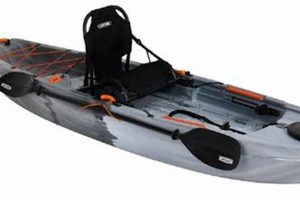
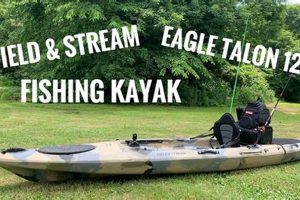
Consider factors such as stability, storage capacity, and maneuverability when selecting a kayak. Sit-on-top kayaks are generally preferred for fishing due to their self-bailing design and ease of entry and exit.
Tip 3: Organize Essential Gear
Pack essential fishing gear, including rods, reels, tackle, and bait. Carry safety equipment such as a whistle, first-aid kit, and communication device. A dry bag is crucial for protecting valuables from water damage.
Tip 4: Research Fishing Locations
Thorough research helps identify productive fishing spots. Consult local fishing reports, maps, and online resources to determine suitable locations and target species.
Tip 5: Master Basic Paddling Techniques
Efficient paddling conserves energy and allows anglers to cover more water. Practice basic paddling strokes and maneuvering techniques before venturing out on a fishing trip.
Tip 6: Employ Effective Fishing Strategies
Adapt fishing techniques to the specific target species and environment. Consider using downriggers or trolling motors to enhance fishing effectiveness.
Tip 7: Respect the Environment
Practice catch-and-release whenever possible. Dispose of fishing line and other waste responsibly. Minimize disturbance to wildlife and their habitats.
By adhering to these guidelines, anglers can maximize their chances of a successful and rewarding experience, while ensuring safety and preserving the natural environment.
This information provides a solid foundation for planning a memorable kayak fishing adventure. The following sections will explore these topics in greater detail.
1. Planning

Meticulous planning forms the cornerstone of successful kayak fishing trips. A well-structured plan mitigates potential risks, optimizes time on the water, and significantly increases the likelihood of a rewarding experience. This preparation encompasses several crucial elements, each contributing to a cohesive and effective strategy. Consider a hypothetical scenario: an angler sets out without checking weather conditions. Encountering unexpected storms or strong winds could jeopardize safety and curtail the trip prematurely. Conversely, an angler who consults weather forecasts can choose a day with optimal conditions, enhancing both safety and fishing prospects. This illustrates the direct cause-and-effect relationship between planning and a positive outcome.
Planning extends beyond weather considerations. Careful route mapping is essential, especially when navigating unfamiliar waters. Identifying potential hazards such as shallow areas, strong currents, or restricted zones ensures safer passage. Pre-trip checks of essential equipment, including paddles, rods, reels, and safety gear, prevent frustrating delays or compromises on the water. Furthermore, researching target species and their preferred habitats allows anglers to select appropriate lures and techniques, increasing the chances of a successful catch. For example, an angler targeting trout in a cold, clear stream might choose light tackle and small lures, while an angler pursuing larger game fish in the ocean would opt for heavier gear and larger baits.
In summary, planning functions as a critical component of successful kayak fishing trips, directly impacting safety, efficiency, and overall enjoyment. By diligently considering factors such as weather conditions, navigation routes, equipment readiness, and species-specific strategies, anglers can transform potential challenges into opportunities for a memorable and productive experience on the water. Neglecting this crucial preparatory phase can lead to avoidable difficulties, underscoring the practical significance of thorough planning for any kayak fishing excursion.
2. Safety
Safety is paramount in kayak fishing trips, directly impacting the overall experience. Neglecting safety precautions can lead to preventable accidents, injuries, or even fatalities. A comprehensive understanding of potential hazards and proactive measures mitigates risks and ensures enjoyable outings.
- Personal Flotation Devices (PFDs)
PFDs are essential safety equipment for all kayak anglers. They provide buoyancy in the event of capsizing or accidental immersion, significantly increasing chances of survival. Choosing a comfortable, well-fitting PFD and wearing it consistently throughout the trip are crucial. For example, an angler unexpectedly encountering rough water or colliding with an underwater obstacle can rely on their PFD for immediate flotation, preventing a potentially life-threatening situation. Ignoring this fundamental safety precaution can have dire consequences.
- Weather Awareness
Weather conditions significantly influence kayak fishing safety. Checking forecasts before embarking and remaining vigilant for changing conditions during the trip are essential. Sudden storms, strong winds, or lightning strikes pose serious threats. For instance, an angler venturing out without checking the forecast might encounter unexpected high winds, making paddling difficult and increasing the risk of capsizing. Conversely, staying informed about approaching weather systems allows for timely adjustments to plans, ensuring a safe return.
- Navigation and Communication
Careful navigation and reliable communication are crucial safety aspects. Carrying a map, compass, or GPS device aids in maintaining orientation, especially in unfamiliar waters. Informing someone of the intended fishing location and estimated return time allows for prompt assistance in case of emergencies. Consider a scenario where an angler gets lost or experiences equipment failure in a remote area. Having a communication device, such as a VHF radio or satellite phone, enables them to contact emergency services or inform others of their situation, facilitating a swift rescue.
- Equipment Checks and Maintenance
Regular equipment checks and proper maintenance contribute significantly to kayak fishing safety. Ensuring kayaks are in good condition, paddles are functioning correctly, and fishing gear is secure prevents potential problems on the water. For example, a loose paddle holder could lead to a lost paddle, compromising maneuverability and posing a safety risk. Similarly, neglecting kayak maintenance could result in structural failures or leaks, jeopardizing stability and increasing the likelihood of capsizing.
These interconnected safety facets underscore the importance of a proactive and comprehensive approach to risk management in kayak fishing trips. By prioritizing safety considerations and integrating these practices into every excursion, anglers can significantly enhance their overall experience, ensuring enjoyment while mitigating potential hazards.
3. Equipment

Specialized equipment plays a crucial role in successful kayak fishing trips, directly influencing both safety and effectiveness. Appropriate gear selection enhances angler comfort, improves fishing performance, and mitigates potential risks on the water. The relationship between equipment and the overall experience is symbiotic; each piece of gear contributes to a cohesive system that enables anglers to pursue their passion safely and efficiently. For example, a high-quality paddle designed for kayak fishing reduces fatigue and improves maneuverability, allowing anglers to cover more water and position themselves effectively for casting. Conversely, an inadequate paddle can hinder performance, causing strain and limiting access to prime fishing spots.
Beyond the kayak and paddle, several other equipment categories warrant consideration. Rods and reels tailored to target species and fishing techniques optimize casting distance, line retrieval, and fish-fighting capabilities. A lightweight, yet robust rod designed for inshore saltwater fishing might be ideal for targeting speckled trout, while a heavier rod and reel combination would be more suitable for offshore pursuits of larger game fish. Similarly, appropriate fishing line selection, based on breaking strength and abrasion resistance, is crucial for landing desired catches. Terminal tackle, including hooks, lures, and weights, further refines the fishing setup, allowing anglers to present bait effectively and entice target species. Specialized tools, such as fish finders and GPS units, enhance location awareness and fish identification, increasing the likelihood of success. Safety equipment, including PFDs, whistles, and first-aid kits, remains essential for mitigating potential risks.
The practical significance of understanding equipment requirements for kayak fishing cannot be overstated. Choosing suitable gear enhances not only fishing success but also overall safety and enjoyment. A well-equipped angler can confidently navigate diverse water conditions, target specific species effectively, and respond appropriately to unforeseen circumstances. While the initial investment in specialized equipment may seem substantial, the long-term benefits, in terms of improved performance, increased safety, and enhanced enjoyment, justify the expenditure. Failing to recognize the importance of proper equipment can lead to frustration, diminished success, and potentially hazardous situations, underscoring the crucial link between equipment and a positive kayak fishing experience.
4. Location
Location profoundly influences kayak fishing trip outcomes. The chosen fishing spot directly impacts the species encountered, the techniques employed, and the overall success of the outing. Understanding the interplay between location characteristics and fishing strategies is crucial for maximizing catch rates and enhancing the overall experience. Cause-and-effect relationships are readily apparent: selecting a location known for specific target species increases the likelihood of encountering those fish. For instance, targeting redfish in a saltwater marsh environment yields better results than seeking them in a freshwater lake. This illustrates the direct link between location choice and fishing success.
Several factors contribute to location effectiveness. Water depth, temperature, clarity, and current play significant roles in determining fish distribution and behavior. Shallow, weedy areas might hold bass or panfish, while deeper channels or offshore reefs could harbor larger pelagic species. Understanding these habitat preferences allows anglers to strategically select locations that align with target species. Furthermore, accessibility, including launch points, parking availability, and potential hazards, influences location suitability. A remote, secluded cove might offer excellent fishing opportunities, but limited access or challenging navigation could diminish its practicality. Real-world examples illustrate this principle: an easily accessible public boat ramp with ample parking simplifies logistics, while a remote location requiring a long paddle or difficult portage might prove less convenient. This underscores the practical implications of location accessibility.
In summary, location serves as a cornerstone of successful kayak fishing trips. Careful consideration of species-specific habitat preferences, environmental factors, and accessibility challenges empowers anglers to make informed decisions that maximize their chances of success. Neglecting the importance of location can lead to unproductive outings and missed opportunities, highlighting the practical significance of understanding this critical aspect of kayak fishing. By strategically selecting locations based on informed analysis, anglers can significantly enhance their fishing experience, transforming potential challenges into rewarding catches.
5. Technique

Effective fishing techniques are essential for successful kayak fishing trips. The chosen methods directly influence catch rates and overall angling success. Understanding various techniques and their applicability to different species and environments is crucial for maximizing results. Technique selection should align with target species behavior, water conditions, and the angler’s skill level. This deliberate approach transforms potential challenges into opportunities for rewarding catches.
- Casting Techniques
Precise casting techniques are fundamental to kayak fishing. Accuracy and distance are crucial for presenting lures or bait effectively. Different casts, such as overhead, sidearm, and underhand casts, cater to various situations and target zones. For example, an overhead cast might suit open water scenarios, while a sidearm cast proves effective under overhanging branches. Mastering these techniques allows anglers to reach specific areas where fish are likely to hold, increasing the chances of a successful presentation and subsequent hookup. Inadequate casting can result in missed opportunities and tangled lines, highlighting the practical importance of honing these skills.
- Retrieving Techniques
Retrieving techniques significantly impact lure action and fish attraction. Varying the speed, rhythm, and depth of retrieval imitates natural prey movements, enticing fish to strike. Slow, steady retrieves might work well for bottom-dwelling species, while faster, erratic retrieves could trigger reactions from predatory fish higher in the water column. For example, a jerkbait retrieved with short, sharp twitches mimics an injured baitfish, attracting aggressive strikes from bass or pike. Understanding these nuances and adapting retrieval techniques to specific target species significantly enhances fishing success.
- Hook Setting and Fish Fighting
Effective hook setting and proper fish-fighting techniques are essential for securing catches. A firm hookset ensures the hook penetrates securely, while controlled line management prevents break-offs and lost fish. Knowing how to apply appropriate pressure and tire the fish before landing it is crucial, especially with larger species. For example, maintaining a tight line and using the kayak’s leverage to control the fish’s movements increases the likelihood of a successful landing. Improper hook setting or inadequate fish-fighting techniques can lead to lost fish and broken lines, underscoring the practical importance of mastering these skills.
- Anchor and Drift Fishing
Anchor and drift fishing techniques cater to different kayak fishing scenarios. Anchoring allows anglers to hold position in specific locations, such as near structure or over reefs. Drift fishing, on the other hand, involves allowing the kayak to move naturally with the current, covering more water and presenting bait or lures to a wider range of fish. Choosing the appropriate technique depends on factors such as water depth, current strength, and target species behavior. For example, anchoring might be preferred when fishing near submerged structures, while drifting is often more effective in open water or along shorelines.
These interconnected techniques collectively contribute to a successful kayak fishing experience. Mastering these skills allows anglers to adapt effectively to varying conditions, target specific species strategically, and maximize their chances of landing desired catches. The interplay between casting, retrieving, hook setting, fish fighting, and choosing between anchoring and drifting underscores the complexity and nuance of kayak fishing techniques. By refining these skills and understanding their practical applications, anglers can significantly enhance their overall fishing prowess and transform potential challenges into rewarding triumphs on the water.
6. Environment

The environment plays a crucial role in kayak fishing trips, influencing both the experience and the sustainability of the activity. Understanding the interplay between environmental factors and responsible fishing practices is essential for preserving aquatic ecosystems and ensuring the long-term enjoyment of this recreational pursuit. This section explores key environmental considerations relevant to kayak fishing, highlighting the interconnectedness between angler actions and ecological health.
- Water Quality
Water quality directly impacts fish populations and overall ecosystem health. Factors such as temperature, dissolved oxygen, and pollutant levels influence fish habitat suitability and survival. For example, excessive nutrient runoff from agricultural activities can lead to algal blooms, depleting oxygen and creating dead zones harmful to aquatic life. Kayak anglers, by observing and reporting water quality issues, can contribute valuable data to conservation efforts. Choosing fishing locations with good water quality supports healthy fish populations and enhances the overall fishing experience.
- Habitat Preservation
Preserving aquatic habitats is crucial for maintaining healthy fish populations and supporting biodiversity. Kayak anglers can minimize their impact by avoiding sensitive areas, such as spawning grounds or seagrass beds. For instance, paddling through shallow spawning areas can disturb nests and damage eggs, negatively impacting fish reproduction. Practicing catch-and-release fishing, especially with larger breeding fish, contributes to sustainable populations. Respecting natural habitats ensures the long-term viability of kayak fishing opportunities.
- Weather Conditions
Weather conditions significantly influence kayak fishing trips. Understanding weather patterns, including wind, tides, and currents, is essential for both safety and fishing success. For example, strong winds can create challenging paddling conditions, increasing the risk of capsizing. Tidal fluctuations influence fish movement and feeding behavior, affecting optimal fishing times. Adapting to prevailing weather conditions and making informed decisions about trip timing and location contribute to both a safer and more productive experience.
- Leave No Trace Principles
Adhering to Leave No Trace principles minimizes the environmental impact of kayak fishing trips. Packing out all trash, avoiding disturbing wildlife, and minimizing shoreline disturbances are essential practices. Discarded fishing line, for instance, can entangle birds and other animals, causing injury or death. Respecting the natural environment ensures its preservation for future generations of anglers and contributes to a more sustainable and responsible approach to kayak fishing.
These interconnected environmental factors underscore the importance of responsible kayak fishing practices. By understanding the ecological context of their activities and adopting sustainable approaches, anglers can contribute to the preservation of aquatic environments. This awareness not only enhances the overall fishing experience but also ensures the long-term health and viability of the sport. The interplay between environment and angler behavior highlights the crucial role kayak anglers play in safeguarding these valuable natural resources.
7. Experience

Experience significantly shapes kayak fishing trips, influencing angler skill development, adaptability, and overall enjoyment. The cumulative effect of time on the water translates into improved techniques, enhanced decision-making, and a deeper appreciation for the intricacies of the sport. This progression from novice to seasoned angler underscores the transformative power of experience. A direct cause-and-effect relationship exists: increased experience often leads to improved fishing outcomes. For instance, a beginner might struggle with paddle control and casting accuracy, while an experienced angler navigates effortlessly and presents lures with precision, resulting in higher catch rates. This illustrates the practical significance of experience in achieving fishing success.
Beyond technical proficiency, experience fosters a deeper understanding of fish behavior, habitat preferences, and environmental factors. An experienced angler recognizes subtle clues, such as water temperature changes or baitfish activity, that indicate prime fishing locations. They adapt techniques based on prevailing conditions, choosing appropriate lures, adjusting retrieval speeds, or modifying strategies based on observed fish behavior. Real-world scenarios illustrate this adaptive capacity: an experienced angler encountering unexpected high winds might adjust their paddling technique or seek sheltered coves, while a novice might struggle to maintain control. This adaptability, honed through experience, enhances safety and maximizes fishing opportunities. Furthermore, experience cultivates a heightened awareness of environmental nuances, fostering responsible fishing practices and a deeper appreciation for the natural world.
In summary, experience functions as a crucial component of successful and fulfilling kayak fishing trips. It fosters technical proficiency, enhances adaptability, and cultivates a deeper connection with the aquatic environment. The progression from novice to expert highlights the transformative influence of time on the water, transforming challenges into opportunities for learning and growth. While initial outings might present difficulties, each experience contributes to a cumulative knowledge base that enhances future trips. This ongoing learning process underscores the intrinsic value of experience in shaping a rewarding and sustainable approach to kayak fishing.
Frequently Asked Questions
This section addresses common inquiries regarding kayak fishing excursions, providing concise and informative responses to facilitate informed decision-making and enhance understanding of this popular recreational activity.
Question 1: What are the essential safety precautions for kayak fishing?
Essential safety measures include consistently wearing a personal flotation device (PFD), checking weather forecasts before embarking, informing someone of the intended location and return time, and carrying essential safety equipment such as a whistle, first-aid kit, and communication device.
Question 2: What type of kayak is best suited for fishing?
Sit-on-top kayaks are generally preferred due to their self-bailing design, stability, and ease of entry and exit. However, the optimal choice depends on individual preferences, fishing style, and the intended environment.
Question 3: What essential gear is required for a kayak fishing trip?
Essential gear includes appropriate fishing rods, reels, tackle, and bait suitable for target species. Safety equipment, including a PFD, whistle, first-aid kit, and communication device, is crucial. A dry bag protects valuables from water damage.
Question 4: How can one locate productive fishing spots from a kayak?
Consult local fishing reports, maps, and online resources. Explore areas with varying depths, structures, and vegetation. Observe wildlife activity, such as baitfish or birds, which can indicate fish presence.
Question 5: What are the basic paddling techniques for kayak fishing?
Mastering forward and reverse strokes, sweep strokes for turning, and draw strokes for lateral movement are fundamental. Efficient paddling conserves energy and facilitates precise boat control, essential for effective fishing.
Question 6: What are some effective fishing strategies from a kayak?
Effective strategies include trolling, casting near structures, drifting along shorelines, and anchoring in promising locations. Technique selection depends on target species, water conditions, and personal preferences. Adaptability is key.
These responses provide a general overview of common concerns. Further research and consultation with experienced anglers are recommended for detailed information tailored to specific fishing locations and target species.
The following section delves into advanced techniques and specialized equipment for experienced kayak anglers seeking to refine their skills and maximize their success on the water.
Conclusion
This exploration of kayak fishing trips has highlighted various facets contributing to successful and enriching experiences. From meticulous planning and essential safety considerations to equipment selection, location analysis, and technique adaptation, each element plays a crucial role. The interplay between angler preparation, environmental awareness, and the dynamic aquatic environment underscores the complexity and rewarding nature of this pursuit. Understanding these interconnected factors empowers anglers to maximize opportunities, ensuring both enjoyable outings and the preservation of aquatic ecosystems.
Kayak fishing offers a unique blend of outdoor recreation, sporting challenge, and connection with nature. As angler expertise grows, so too does the potential for deeper engagement with the aquatic world. Continued learning, responsible practices, and a commitment to conservation will ensure the sustainability and enjoyment of kayak fishing for generations to come. The journey from novice to seasoned angler represents a continuous exploration of skills, knowledge, and appreciation for the delicate balance within aquatic environments.