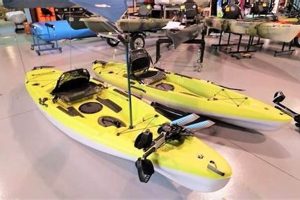
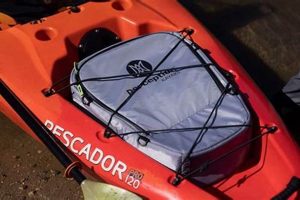
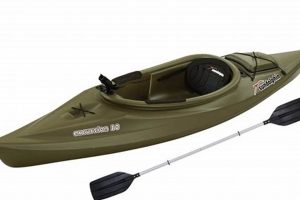
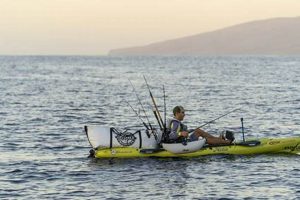
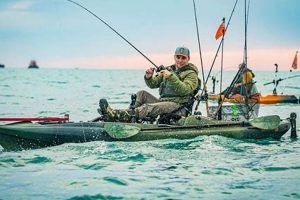
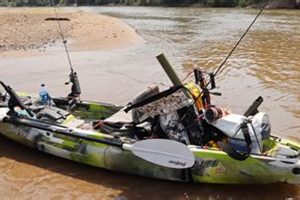
Securing temporary use of a kayak specifically outfitted for angling provides an accessible entry point to this popular sport. This service typically includes the kayak, essential safety gear like a personal flotation device, and often specialized equipment such as rod holders and paddle leashes. For instance, a coastal outfitter might offer sit-on-top kayaks designed for stability in ocean conditions, while a lakeside business may provide longer, narrower kayaks better suited for calm waters.
This approach offers several advantages. It eliminates the need for significant upfront investment in equipment, storage, and transportation, making the sport more accessible to newcomers and casual participants. Furthermore, outfitters often provide valuable local knowledge, recommending prime fishing spots and advising on suitable techniques. Historically, fishing from small, human-powered vessels has been a common practice across cultures. Modern outfitters build upon this tradition, offering specialized equipment and services catered to the contemporary angler.
The following sections will explore key aspects of this practice, covering topics such as choosing the right equipment, finding reputable providers, and understanding relevant regulations and safety procedures.
Tips for Kayak Fishing Rentals
Careful planning ensures a successful and enjoyable kayak fishing experience. Consider the following recommendations before embarking on an outing.
Tip 1: Research Rental Providers Thoroughly: Investigate local outfitters, comparing pricing, equipment quality, and services offered. Customer reviews can provide valuable insights into the reliability and professionalism of different providers. Look for outfitters offering specialized fishing kayaks equipped with features like rod holders and anchor trolleys.
Tip 2: Match Kayak Selection to Water Conditions: Consider the intended fishing environment. Calm lakes and ponds necessitate different kayak designs compared to open ocean or flowing rivers. Discuss options with the outfitter to determine the most suitable hull shape and size.
Tip 3: Prioritize Safety Equipment: Ensure the rental package includes essential safety gear such as a properly fitted personal flotation device (PFD), a whistle, and a signaling device. Familiarize oneself with their operation before launching.
Tip 4: Inquire About Local Regulations and Licensing Requirements: Fishing regulations vary by location. Contact local authorities or the rental provider to determine necessary licenses and permits, size and catch limits, and any restricted areas.
Tip 5: Check Weather Forecasts and Water Conditions: Avoid venturing out in adverse weather, strong currents, or choppy waters. Postpone the trip if conditions appear unsafe. Up-to-date weather information is crucial for a safe and enjoyable experience.
Tip 6: Plan a Float Plan and Inform Someone of Your Itinerary: Share details of the planned fishing trip, including launch location, intended route, and expected return time, with a trusted contact. This ensures someone is aware of one’s whereabouts in case of unforeseen circumstances.
Tip 7: Pack Essential Gear and Supplies: Bring appropriate clothing, sun protection, insect repellent, water, and snacks. Consider a dry bag to protect electronic devices and other valuables from water damage. Specialized fishing gear, such as rods, reels, and tackle, may also be required depending on the rental package.
Adhering to these guidelines contributes significantly to a safe and productive fishing excursion. Thorough preparation allows anglers to focus on enjoying the sport and maximizing their chances of success.
By addressing these key considerations, individuals can confidently embark on a rewarding kayak fishing experience. The concluding section will summarize key takeaways and offer final recommendations.
1. Rental Duration
Rental duration plays a crucial role in kayak fishing excursions, directly influencing planning, budgeting, and the overall angling experience. The chosen timeframe dictates the potential fishing range, the feasibility of reaching desired locations, and the overall cost of the rental. Shorter rental periods, such as a few hours, may suffice for exploring smaller bodies of water or targeting specific near-shore areas. Longer durations, such as a full day or multiple days, expand fishing opportunities, enabling access to more remote locations or allowing for extended trips targeting migratory species. For example, a half-day rental might be suitable for targeting panfish in a small pond, while a multi-day rental could allow for a comprehensive exploration of a larger river system or coastal area.
Matching rental duration to fishing goals is essential for maximizing effectiveness. Consider factors such as travel time to and from the launch site, anticipated fishing time at the desired location, and any potential delays due to weather or unforeseen circumstances. Overestimating the required duration often proves more beneficial than underestimating, providing flexibility and minimizing potential disruptions. Inadequate rental periods may lead to rushed fishing experiences or necessitate premature returns, impacting overall enjoyment and potentially compromising safety. A well-planned outing aligns rental duration with realistic expectations of fishing time and travel logistics. Selecting an appropriate timeframe prevents unnecessary expenses associated with excessively long rentals while ensuring sufficient time on the water to achieve angling objectives.
Careful consideration of rental duration, in conjunction with other factors such as location and target species, contributes significantly to a successful and satisfying kayak fishing experience. This proactive approach allows anglers to optimize their time on the water and enhances the likelihood of a productive and enjoyable outing. Balancing cost-effectiveness with the desired fishing experience necessitates a thorough assessment of individual needs and objectives in relation to the available rental options.
2. Equipment Quality

Equipment quality significantly influences the safety and enjoyment of kayak fishing rentals. Well-maintained, appropriate equipment contributes directly to angler comfort, fishing success, and overall trip satisfaction. Conversely, subpar equipment can lead to frustration, discomfort, and potentially hazardous situations. Careful evaluation of equipment condition and suitability is crucial when selecting a rental provider.
- Kayak Integrity
Structural soundness and appropriate design are fundamental. Kayaks should be free of cracks, leaks, and excessive wear. Properly functioning hatches and secure seating are essential for a safe and comfortable experience. A stable, maneuverable kayak designed for fishing, rather than a recreational model, offers superior performance and stability in various water conditions. Choosing a kayak appropriate for the intended environment, such as a sit-on-top for ocean fishing or a longer, narrower model for lakes, contributes significantly to stability and control.
- Paddle Condition
A lightweight, appropriately sized paddle in good condition is crucial for efficient propulsion and maneuverability. Damaged blades or loose components can hinder paddling efficiency and create discomfort. A properly functioning paddle allows for precise control and reduces fatigue during longer outings. Adjustable-length paddles accommodate varying user heights and paddling styles, contributing to overall comfort and performance.
- Safety Gear Reliability
Reliable safety equipment is paramount. A well-maintained, properly fitted personal flotation device (PFD) is essential. A functional whistle, signaling device, and bilge pump are also crucial safety components. Inspecting these items before embarking ensures they are in working order and readily accessible in case of emergency.
- Fishing-Specific Features
Specialized features enhance the fishing experience. Rod holders, anchor trolleys, and tackle storage compartments contribute to organization and efficiency. Well-placed rod holders allow for hands-free operation while maintaining control of the kayak. A functional anchor trolley system facilitates controlled drifting and positioning in desired fishing areas. Adequate storage compartments keep tackle organized and readily accessible, optimizing fishing time and minimizing disruptions.
Prioritizing equipment quality when selecting a kayak fishing rental provider directly impacts the overall experience. A well-maintained kayak, appropriate paddle, reliable safety gear, and functional fishing-specific features contribute significantly to safety, comfort, and angling success. Investing time in evaluating equipment quality before embarking ensures a more enjoyable and productive fishing excursion.
3. Location Suitability
Location suitability plays a critical role in successful kayak fishing rentals. The chosen environment directly impacts catch potential, safety considerations, and overall enjoyment. Careful consideration of factors such as water conditions, target species, and accessibility is essential for a productive and safe fishing experience. Aligning the rental location with angling objectives significantly increases the likelihood of success.
Calm lakes and ponds offer excellent stability for novice kayakers and present opportunities for species like bass, panfish, and trout. Coastal saltwater environments provide access to larger game fish but demand more experience navigating currents, tides, and potentially challenging weather conditions. Rivers present unique considerations, with flowing water requiring additional paddling skills and awareness of potential hazards such as rapids or submerged obstacles. Choosing a location aligned with skill level and target species is crucial. For example, targeting tarpon from a kayak in open ocean requires significantly more experience and specialized equipment than fishing for bass in a sheltered cove.
Accessibility is another key factor. Convenient launch sites with adequate parking and clear access to the water simplify logistics and enhance overall enjoyment. Locations offering amenities such as restrooms, bait shops, or nearby restaurants further enhance convenience. Understanding local regulations, including permitted fishing areas, licensing requirements, and any catch limits, is also essential for responsible angling. Thorough research of potential locations, including online resources, local fishing reports, and consultations with experienced anglers or rental providers, ensures informed decision-making and increases the likelihood of a successful and enjoyable kayak fishing experience. Prioritizing location suitability maximizes angling potential while minimizing risks and enhancing overall satisfaction.
4. Safety Provisions

Safety provisions are paramount in kayak fishing rentals, directly impacting angler well-being and the overall success of the outing. Thorough consideration of safety aspects ensures a responsible and enjoyable experience, minimizing potential risks associated with the aquatic environment. Reputable rental providers prioritize safety, offering comprehensive guidance and appropriate equipment to mitigate potential hazards.
- Personal Flotation Devices (PFDs)
PFDs are essential safety equipment for all kayak anglers. Properly fitted and Coast Guard-approved PFDs provide buoyancy and support in the event of capsizing or accidental immersion. Rental providers should supply appropriate PFDs and instruct renters on proper fit and usage. Inflatable PFDs offer greater comfort and mobility but require regular inspection and maintenance to ensure proper function.
- Signaling Devices
Effective communication is crucial in emergencies. Carrying a whistle allows for audible signaling to nearby boaters or individuals on shore. Visual distress signals, such as flares or a signal mirror, can attract attention over longer distances. Understanding how and when to use these devices is essential for effective communication in distress situations.
- Weather Awareness and Monitoring
Weather conditions can change rapidly on the water. Checking forecasts before embarking and continuously monitoring conditions throughout the outing allows anglers to anticipate and react appropriately to changing weather patterns. Postponing trips due to adverse weather, such as strong winds, lightning storms, or dense fog, demonstrates responsible decision-making and prioritizes safety.
- Float Plan and Communication
Informing someone on shore of the planned fishing route, estimated return time, and emergency contact information enhances safety. This float plan allows for timely assistance in case of unexpected delays or emergencies. Regular communication with the designated contact, especially during longer trips or changing weather conditions, provides an additional layer of security.
Prioritizing these safety provisions significantly mitigates potential risks associated with kayak fishing rentals. Responsible anglers prioritize safety by utilizing appropriate equipment, adhering to established procedures, and demonstrating sound judgment in decision-making. A proactive approach to safety enhances enjoyment and ensures a positive experience on the water.
5. Pricing Transparency

Pricing transparency forms a cornerstone of a positive customer experience within the kayak fishing rental sector. Clear, upfront disclosure of all costs associated with rentals builds trust and facilitates informed decision-making, allowing potential customers to accurately assess value and compare offerings. Opaque or misleading pricing practices, conversely, erode trust and can lead to dissatisfaction. Transparent pricing structures benefit both the customer and the rental provider by fostering a clear understanding of the financial aspects of the transaction.
- Rental Rates
Clearly defined rental rates, specifying hourly, half-day, full-day, or multi-day charges, are fundamental. Displaying these rates prominently on websites, brochures, or in-store signage eliminates ambiguity. Variations in rates based on kayak type, included equipment, or seasonal demand should be clearly articulated. For example, a premium kayak with advanced features might command a higher hourly rate than a standard model. Transparency in rate variations allows customers to select options aligning with their budget and desired experience.
- Additional Fees
Transparency extends beyond base rental rates to encompass any supplementary charges. Potential additional fees might include delivery charges, launch fees, equipment rentals (e.g., fish finders, GPS units), or late return penalties. Explicitly stating these potential costs upfront allows customers to factor them into their budgeting and avoids unexpected charges. For instance, a rental provider might charge a delivery fee for transporting kayaks to a remote launch site, a detail crucial for customers evaluating overall costs.
- Security Deposits and Insurance
Rental agreements often involve security deposits to cover potential damage or loss of equipment. Clear communication regarding deposit amounts, refund procedures, and the specific conditions under which deductions might occur promotes trust and avoids disputes. Similarly, if insurance options are available to cover accidental damage or liability, the terms and costs of such coverage should be transparently presented. This allows customers to make informed decisions regarding risk management and financial protection.
- Cancellation Policies
Unforeseen circumstances may necessitate rental cancellations. Clear cancellation policies, outlining refund procedures and any applicable fees, are essential. Transparent cancellation policies provide flexibility and minimize potential financial losses for customers while also allowing rental providers to manage their inventory and scheduling effectively. For example, a policy might offer a full refund for cancellations made more than 24 hours in advance, with a partial refund or no refund for cancellations within a shorter timeframe.
Open communication regarding all pricing aspects contributes significantly to a positive customer experience in kayak fishing rentals. Transparency fosters trust, facilitates informed decision-making, and ultimately contributes to a more satisfying and predictable rental experience. By adopting transparent pricing practices, rental providers enhance their reputation, attract customers, and cultivate long-term relationships built on mutual understanding and respect. Clear pricing benefits all parties involved, fostering a more stable and sustainable business environment within the kayak fishing rental industry.
Frequently Asked Questions
This section addresses common inquiries regarding kayak fishing rentals, providing concise and informative responses to facilitate informed decision-making and enhance the overall rental experience.
Question 1: What typical equipment is included in a kayak fishing rental?
Standard inclusions typically encompass the kayak itself, a paddle, and a personal flotation device (PFD). Many outfitters also provide fishing-specific equipment such as rod holders, anchor trolleys, and sometimes even basic tackle. Clarifying inclusions with the specific provider beforehand is recommended.
Question 2: How does one choose the right kayak for fishing?
Kayak selection depends on several factors, including the intended fishing environment (calm lakes versus open ocean), angler experience level, and desired stability and maneuverability. Sit-on-top kayaks are generally preferred for fishing due to their stability and ease of re-entry after a water landing. Consulting with the rental provider about specific needs and preferences is advised.
Question 3: Are fishing licenses required for kayak fishing, and if so, how are they obtained?
Licensing requirements vary by location and sometimes by species targeted. It is the angler’s responsibility to determine and obtain any necessary licenses before embarking on a fishing trip. Local authorities or the rental provider can typically provide guidance on licensing requirements and acquisition procedures.
Question 4: What safety precautions should one take when kayak fishing?
Essential safety measures include wearing a properly fitted PFD, carrying a whistle and signaling device, checking weather forecasts before departure, and informing someone of the planned fishing route and estimated return time. Familiarity with basic paddling techniques and self-rescue procedures is also highly recommended.
Question 5: What factors influence the cost of kayak fishing rentals?
Rental costs are typically determined by factors such as rental duration (hourly, half-day, full-day, etc.), kayak type and features, included equipment, and seasonal demand. Location and the specific rental provider can also influence pricing.
Question 6: What should one do in the event of a kayak capsize?
Remaining calm and attempting to re-enter the kayak is the primary course of action. If re-entry proves difficult, staying with the overturned kayak and using it for flotation is recommended while awaiting assistance. Signaling for help using a whistle or signaling device is crucial.
Careful consideration of these frequently asked questions enhances preparedness and fosters a safer, more enjoyable kayak fishing rental experience. Proactive planning and informed decision-making contribute significantly to a successful outing.
The next section offers a concluding summary and final recommendations for prospective kayak fishing enthusiasts.
Conclusion
Kayak fishing rentals offer a compelling entry point to this dynamic sport. Access to suitable equipment, combined with the inherent flexibility and cost-effectiveness of rentals, allows a broad spectrum of individuals to experience the unique rewards of angling from a kayak. Careful consideration of factors such as equipment quality, location suitability, safety provisions, and pricing transparency ensures a positive and productive experience. Prioritizing safety, adhering to regulations, and respecting the environment remain paramount for all participants. Understanding the nuances of kayak fishing rentals empowers individuals to make informed decisions, maximizing enjoyment and fostering responsible participation within this evolving recreational pursuit.
The continued growth and diversification within the kayak fishing rental sector underscore the increasing popularity of this accessible and engaging outdoor activity. As technology advances and specialized equipment evolves, the potential for enriching and expanding kayak fishing experiences continues to broaden. Embracing sustainable practices and promoting responsible angling ensures the preservation of aquatic ecosystems for future generations of kayak fishing enthusiasts.