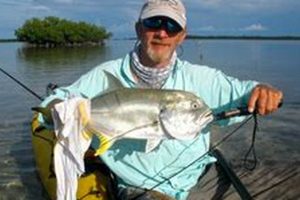
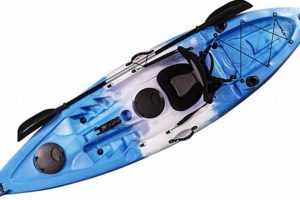
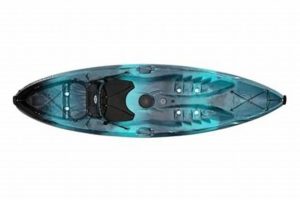
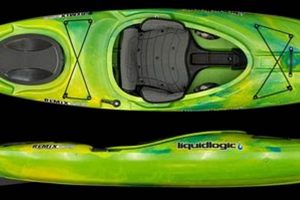
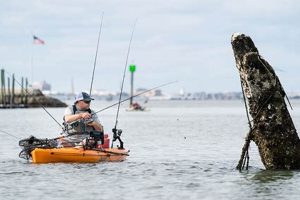
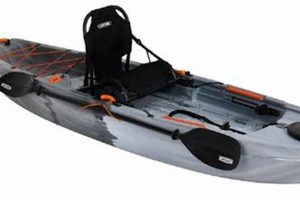
This specific type of watercraft is designed for angling, offering stability and features tailored to the needs of fishing enthusiasts. These vessels often include specialized storage for rods, tackle, and catches, as well as features like rod holders and comfortable seating designed for extended periods on the water. They can range from basic sit-on-top models to advanced pedal-powered or motorized versions.
A dedicated fishing watercraft provides enhanced angling opportunities, allowing access to shallower waters and quieter fishing spots often inaccessible to larger boats. This maneuverability and specialized design contribute to a more productive and enjoyable fishing experience. The evolution of these specialized vessels reflects a growing appreciation for kayak fishing’s unique advantages and the pursuit of a closer connection with nature.
The following sections will delve into specific aspects of selecting, outfitting, and utilizing this type of watercraft for a successful and rewarding fishing experience. Topics covered will include choosing the right propulsion system, essential safety equipment, effective fishing techniques from a kayak, and responsible angling practices.
Essential Tips for Kayak Fishing
Careful planning and preparation are crucial for a safe and successful kayak fishing excursion. The following tips offer valuable insights for anglers of all skill levels.
Tip 1: Prioritize Stability and Capacity: Select a watercraft appropriate for individual weight, fishing gear, and intended waters. Wider, more stable hulls are recommended for beginners or those fishing in rough conditions.
Tip 2: Essential Safety Gear is Non-Negotiable: Always wear a personal flotation device (PFD). Carry a whistle, signaling device, and a waterproof communication device. A first-aid kit and essential tools should also be readily accessible.
Tip 3: Master Basic Paddling Techniques: Efficient paddling conserves energy and allows for greater maneuverability. Practice fundamental strokes before venturing into challenging waters.
Tip 4: Plan and Share Your Trip Details: Inform someone of your intended fishing location, estimated return time, and emergency contacts. This precaution is vital for personal safety.
Tip 5: Respect Wildlife and the Environment: Practice catch-and-release whenever possible. Properly dispose of fishing line and other waste to preserve the natural environment.
Tip 6: Understand Weather Conditions: Check the forecast before heading out and be prepared for changing conditions. Avoid fishing in thunderstorms or strong winds.
Tip 7: Organize and Secure Gear: Utilize onboard storage solutions and dry bags to protect essential equipment from water damage. Ensure gear is readily accessible and organized for efficient retrieval.
By adhering to these guidelines, anglers can maximize their enjoyment and success on the water while ensuring a safe and responsible fishing experience.
The insights provided in this article aim to equip anglers with the knowledge and practical advice necessary to embark on rewarding kayak fishing adventures.
1. Stability

Stability forms the cornerstone of a successful fishing kayak experience. A stable platform is essential not only for safety but also for effective casting, reeling, and landing fish. Compromised stability can lead to capsizing, lost equipment, and potential injury. In the context of sentinel fishing kayaks, stability considerations are paramount given the dynamic movements involved in angling.
- Hull Design and Stability
Hull design directly impacts stability. Wider hulls generally offer greater initial stability, resisting tipping from side to side. Flat-bottomed hulls provide excellent primary stability, ideal for calm waters. However, they may be less maneuverable and susceptible to wind drift. Pontoon-style hulls offer exceptional stability, even allowing for stand-up fishing, but sacrifice maneuverability. The specific hull design of a sentinel fishing kayak influences its suitability for different fishing environments and angler preferences.
- Center of Gravity and Balance
Maintaining a low center of gravity is crucial for stability. Distributing weight evenly within the kayak enhances balance. Positioning heavier items lower in the hull and avoiding sudden movements contribute to overall stability. Anglers should be mindful of their body position and weight shifts, especially when casting or reeling. Sentinel fishing kayaks designed with lower seating positions inherently promote a lower center of gravity, enhancing stability.
- Water Conditions and Stability
Calm waters present fewer stability challenges compared to choppy or rough conditions. Wind, currents, and wakes from passing boats can significantly impact stability. In challenging conditions, a kayak with higher secondary stability, meaning resistance to capsizing when tilted further, becomes crucial. Anglers should carefully assess water conditions and choose a sentinel fishing kayak with appropriate stability characteristics for the intended environment. Prioritizing stability over speed and maneuverability is advisable in rough waters.
- Stability Enhancements
Outriggers and stabilizers can significantly improve stability, particularly for anglers seeking to stand while fishing. These additions provide extra support and reduce the risk of capsizing. Some sentinel fishing kayaks offer integrated or optional outrigger systems. Anglers should consider these enhancements based on their fishing style and anticipated water conditions. Understanding the impact of these add-ons on maneuverability is also important.
By carefully evaluating these facets of stability in relation to the sentinel fishing kayak, anglers can make informed decisions about selecting the appropriate vessel for their needs and ensuring a safe and productive fishing experience. Prioritizing stability ensures not only personal safety but also enhances angling performance, allowing for more confident and effective fishing techniques.
2. Maneuverability

Maneuverability is a critical factor influencing the effectiveness and enjoyment of kayak fishing. A highly maneuverable vessel allows anglers to navigate tight spaces, access shallow waters, and respond quickly to changing fish behavior. In the context of sentinel fishing kayaks, maneuverability directly impacts the ability to reach prime fishing locations and effectively present lures or bait.
- Hull Design and Turning Radius
The hull design significantly impacts a kayak’s turning radius. Shorter kayaks generally turn more quickly than longer ones, making them ideal for navigating confined areas such as creeks and mangrove tunnels. Longer kayaks, while less agile, offer greater tracking ability and speed in open water. The specific hull design of a sentinel fishing kayak should align with the intended fishing environment. A shorter, more maneuverable hull is advantageous for navigating complex waterways, while a longer hull is preferable for covering greater distances.
- Waterline Length and Tracking
Waterline length, the portion of the hull in contact with the water, influences tracking, the kayak’s ability to maintain a straight course. Longer waterlines generally track better, requiring fewer corrective strokes. Shorter waterlines enhance maneuverability but may sacrifice some tracking performance. The balance between maneuverability and tracking is a key consideration in sentinel fishing kayak design. Anglers should consider their fishing style and the typical water conditions they encounter when evaluating waterline length.
- Propulsion System and Maneuverability
The propulsion system significantly impacts maneuverability. Paddle kayaks offer excellent control and maneuverability, especially in tight spaces. Pedal-powered kayaks provide hands-free operation and increased speed but may have a larger turning radius. Motorized kayaks offer the greatest speed and range but can be less maneuverable in confined areas. Sentinel fishing kayaks offer various propulsion options, allowing anglers to choose the system best suited to their individual needs and fishing style. The choice of propulsion system influences the kayak’s agility and overall fishing effectiveness.
- Rudder and Skeg Systems
Rudders and skegs enhance tracking and maneuverability, particularly in windy conditions or currents. A rudder is actively controlled by the angler to steer the kayak, while a skeg is a fixed fin that improves directional stability. Sentinel fishing kayaks may incorporate rudder or skeg systems to enhance performance in various water conditions. These features offer greater control and efficiency, allowing anglers to focus on fishing rather than constantly correcting their course.
By carefully considering these facets of maneuverability in relation to the sentinel fishing kayak, anglers can select the vessel that best suits their fishing needs and target environments. The optimal balance between maneuverability and other performance characteristics, such as stability and speed, ultimately depends on individual fishing styles and the specific demands of the fishing environment.
3. Storage Capacity

Adequate storage capacity is a defining feature of a well-equipped sentinel fishing kayak. The ability to carry essential gear, tackle, and potential catches directly impacts fishing success and overall enjoyment. Insufficient storage can lead to a cluttered deck, hindering movement and casting, while ample and well-organized storage promotes efficiency and a more streamlined fishing experience.
- Types of Storage Compartments
Sentinel fishing kayaks offer various storage solutions, including front and rear hatches, tank wells, side pockets, and specialized compartments for tackle boxes. Hatches provide secure, waterproof storage for larger items like dry bags and extra clothing. Tank wells accommodate coolers or crates, offering easy access to frequently used items. Side pockets are ideal for smaller accessories like pliers and line cutters. Specialized tackle compartments keep lures and hooks organized and readily accessible.
- Weight Capacity and Storage Considerations
The kayak’s weight capacity dictates the total amount of gear and angler weight it can safely carry. Exceeding the weight capacity compromises stability and performance. Anglers must consider the combined weight of their gear, intended catch, and personal weight when selecting a sentinel fishing kayak. Choosing a kayak with a higher weight capacity offers greater flexibility for carrying additional equipment and larger catches.
- Storage Organization and Accessibility
Efficient storage organization maximizes available space and ensures quick access to essential gear. Utilizing dry bags, tackle boxes, and gear organizers keeps items protected from water and facilitates efficient retrieval. Strategic placement of frequently used items within easy reach minimizes disruption during fishing. Well-organized storage contributes to a more focused and productive fishing experience.
- Storage and Kayak Design
Storage solutions are integrated into the overall design of the sentinel fishing kayak. Recessed hatches minimize interference with paddling and casting. Strategically placed tank wells provide stability and balance. The design and placement of storage compartments influence the kayak’s overall performance and usability. Anglers should consider how storage features integrate with the kayak’s design and whether they complement their fishing style.
The storage capacity of a sentinel fishing kayak directly influences its practicality and effectiveness as a fishing platform. Ample, well-designed storage allows anglers to carry all necessary equipment and potential catches comfortably and safely, contributing to a more organized and enjoyable fishing experience. Careful consideration of storage solutions is crucial when selecting a sentinel fishing kayak to ensure it meets individual needs and fishing style requirements.
4. Fishing Features
Specialized fishing features distinguish sentinel fishing kayaks from recreational models, optimizing them for angling effectiveness. These integrated features enhance convenience, efficiency, and overall fishing success. Understanding these features and their function is crucial for anglers seeking to maximize their on-the-water experience.
- Rod Holders
Rod holders secure fishing rods, allowing anglers to manage multiple lines or prepare tackle without constantly holding the rod. Flush-mounted rod holders minimize interference with paddling, while adjustable rod holders accommodate different fishing techniques and rod lengths. Multiple rod holders provide flexibility for various fishing styles and target species. Integrated rod holders are a hallmark of sentinel fishing kayaks, freeing anglers’ hands for other tasks and increasing fishing efficiency.
- Tackle Storage
Dedicated tackle storage compartments keep lures, hooks, and other essential gear organized and readily accessible. These compartments may include removable tackle trays, waterproof boxes, or specialized compartments for specific items like leader line or fishing tools. Organized tackle storage streamlines lure changes and minimizes time spent searching for gear, maximizing fishing time. Sentinel fishing kayaks prioritize tackle storage solutions that cater to the specific needs of anglers.
- Fish Finders and Electronics Mounts
Integrated mounts and transducer scuppers accommodate fish finders and other electronic devices, providing crucial underwater insights. These mounts are often strategically positioned for optimal transducer performance and easy viewing of the fish finder display. Fish finders enhance angling success by revealing fish location, depth, and bottom structure. Sentinel fishing kayaks often feature pre-installed wiring and power sources for seamless integration of electronics.
- Anchor Systems
Anchor systems allow anglers to position their kayaks precisely in desired fishing locations, maintaining position in currents or wind. Integrated anchor trolleys facilitate controlled anchor deployment and retrieval, minimizing anchor line tangles. Anchor systems are essential for maintaining position over structure or targeting specific fish-holding areas. Sentinel fishing kayaks often incorporate anchor trolley systems and dedicated anchor storage solutions.
These specialized fishing features contribute to the sentinel fishing kayak’s effectiveness as a dedicated angling platform. By integrating these features, manufacturers prioritize the needs of anglers, enhancing convenience, efficiency, and overall fishing success. The strategic incorporation of these features reflects a deep understanding of kayak fishing techniques and the pursuit of an optimized angling experience. The presence and quality of these features often distinguish a dedicated fishing kayak from a recreational model, underscoring their importance in the overall evaluation and selection process.
5. Propulsion Options
Propulsion systems significantly influence a sentinel fishing kayak’s performance, impacting speed, range, maneuverability, and overall fishing effectiveness. The choice of propulsion directly affects access to fishing grounds and the ability to adapt to varying water conditions. Understanding the advantages and disadvantages of each propulsion type is crucial for selecting the optimal system for individual needs and fishing styles.
Traditional paddle propulsion offers excellent maneuverability and control, ideal for navigating tight spaces and complex waterways. However, paddling requires physical exertion, potentially limiting range and fishing time, particularly in challenging conditions. Pedal-powered systems provide hands-free operation, allowing anglers to focus on fishing while maintaining speed and covering greater distances. This advantage comes at the cost of increased complexity and potential maintenance. Motorized kayaks offer the greatest speed and range, enabling access to distant fishing grounds. However, motors add weight and cost, and may be restricted in certain environments due to noise or environmental regulations. For instance, a paddle-driven kayak excels in navigating shallow, vegetated areas where a motor would be impractical, while a motorized kayak is advantageous for covering large lakes or coastal areas. A pedal drive offers a compromise, providing hands-free propulsion while retaining reasonable maneuverability.
The optimal propulsion system for a sentinel fishing kayak depends on several factors: intended fishing environment, physical capabilities, desired fishing range, and budget constraints. Careful consideration of these factors ensures the chosen propulsion system aligns with individual angling needs and maximizes on-the-water effectiveness. The interplay between propulsion choice and fishing success highlights the importance of understanding these systems within the broader context of kayak fishing. Matching the propulsion system to the specific demands of the fishing environment and personal preferences is essential for a productive and enjoyable experience. Selecting the appropriate propulsion system contributes directly to the overall effectiveness and versatility of the sentinel fishing kayak.
Frequently Asked Questions
This section addresses common inquiries regarding specialized fishing kayaks, providing concise and informative responses to assist in informed decision-making.
Question 1: What differentiates a specialized fishing kayak from a recreational model?
Dedicated fishing kayaks incorporate features like rod holders, tackle storage, and anchor systems, optimizing them for angling. Recreational kayaks prioritize stability and comfort for general paddling but may lack these specialized features.
Question 2: How is stability affected by hull design?
Wider hulls generally offer greater initial stability, while longer hulls enhance tracking. Specialized hull designs, such as pontoon styles, prioritize stability for activities like stand-up fishing but may compromise maneuverability.
Question 3: What are the primary propulsion options available?
Common propulsion methods include traditional paddling, pedal drives, and motorized systems. Each offers distinct advantages and disadvantages regarding speed, maneuverability, and physical exertion.
Question 4: What safety precautions should one take when kayak fishing?
Essential safety measures include wearing a personal flotation device (PFD), carrying a whistle and signaling device, informing someone of trip plans, and checking weather conditions before departure.
Question 5: How does storage capacity influence fishing effectiveness?
Ample storage allows for organized transport of tackle, gear, and potential catches. Efficient storage solutions contribute to a streamlined and productive fishing experience.
Question 6: What factors influence maneuverability?
Hull design, waterline length, and the chosen propulsion system significantly influence maneuverability. Shorter kayaks generally turn more quickly, while longer kayaks excel in tracking and speed.
Understanding these key aspects contributes to informed decisions regarding kayak selection and utilization. Prioritizing safety and function ensures an enjoyable and successful fishing experience.
For further information on specific models and features, consult detailed product specifications and reviews.
Conclusion
Specialized fishing kayaks represent a significant advancement in angling technology, offering a unique blend of stability, maneuverability, and specialized features designed to enhance fishing success. Key considerations such as hull design, propulsion systems, storage capacity, and integrated fishing features directly influence performance and angler experience. Understanding the interplay of these elements is crucial for selecting the appropriate vessel for specific fishing styles and target environments.
The evolution of specialized fishing kayaks reflects a growing appreciation for the nuanced demands of this increasingly popular pursuit. As technology continues to advance, further refinements in design and functionality can be anticipated, promising even greater optimization of the kayak fishing experience. Careful evaluation of these specialized watercraft empowers anglers to make informed decisions, maximizing both enjoyment and effectiveness on the water.