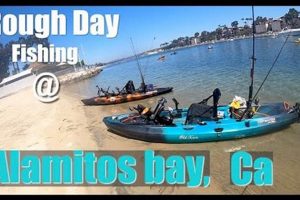
Exploring the diverse marine ecosystems of Panama from a kayak offers a unique and intimate angling experience. Imagine paddling through tranquil mangroves, casting lines in crystal-clear waters teeming with vibrant fish, or navigating the open ocean swells in pursuit of pelagic species. This style of fishing allows for access to shallow, secluded areas often inaccessible to larger boats, maximizing opportunities for exciting encounters.
The combination of Panama’s rich biodiversity and the low-impact nature of kayak fishing contributes to sustainable tourism and conservation efforts. This approach minimizes disturbance to marine habitats and allows anglers to connect directly with the natural environment. Historically, indigenous communities have utilized small watercraft for fishing, highlighting the long-standing connection between people and the ocean in this region. Modern kayak fishing builds upon this tradition, offering a contemporary yet environmentally conscious way to experience Panama’s aquatic treasures.
The following sections will delve into specific aspects of this activity, covering topics such as ideal locations, target species, necessary equipment, and responsible fishing practices.
Tips for Kayak Fishing in Panama
Successful kayak fishing excursions in Panama require careful planning and preparation. The following tips offer valuable insights for maximizing enjoyment and ensuring safety on the water.
Tip 1: Research and select appropriate locations. Consider factors such as target species, water conditions, and accessibility when choosing fishing spots. Consulting local guides or online resources can provide valuable information.
Tip 2: Pack essential gear. A well-equipped kayak should include essential safety items like a personal flotation device, a whistle, and a first-aid kit. Fishing gear should be tailored to target species and local regulations.
Tip 3: Prioritize sun protection. Panama’s tropical climate necessitates adequate sun protection. Sunscreen, a hat, and polarized sunglasses are essential for mitigating the effects of prolonged sun exposure.
Tip 4: Understand tidal flows and currents. Tidal movements can significantly impact fishing conditions and kayak navigation. Consult tide charts before embarking on a trip and be prepared for changing currents.
Tip 5: Practice proper kayak handling techniques. Maintaining balance and stability is crucial, especially in open water or challenging conditions. Prior experience and practice maneuvering a kayak are recommended.
Tip 6: Respect local regulations and conservation efforts. Adhering to fishing regulations, size limits, and catch-and-release practices contributes to the sustainability of Panama’s fisheries. Dispose of waste responsibly and minimize environmental impact.
Tip 7: Engage a local guide. Local guides possess invaluable knowledge about the best fishing spots, local species, and safe navigation practices. Their expertise enhances the overall experience and promotes responsible fishing.
By adhering to these guidelines, anglers can contribute to safe and successful kayak fishing experiences while respecting the natural environment and contributing to sustainable tourism practices.
These preparatory steps ensure a more rewarding and enjoyable fishing adventure, allowing focus to shift towards the thrill of the catch and the beauty of Panama’s aquatic landscapes.
1. Biodiversity

Panama’s remarkable biodiversity forms the foundation of its thriving kayak fishing opportunities. The diverse ecosystems, ranging from mangrove forests and estuaries to coral reefs and open ocean waters, support a wealth of fish species, creating a unique and rewarding angling experience. Understanding this biodiversity is crucial for responsible and successful kayak fishing.
- Species Richness
Panama’s waters boast an impressive array of fish species, from inshore favorites like snook and tarpon to offshore pelagics such as tuna and marlin. This high species richness provides anglers with diverse targeting options and contributes to the overall thrill of the experience. Understanding the habitat preferences and feeding patterns of different species enhances angling success.
- Ecosystem Variety
The variety of ecosystems accessible by kayak, including mangroves, estuaries, coral reefs, and open ocean, further amplifies the biodiversity encountered during fishing excursions. Each environment supports unique fish assemblages, offering anglers diverse fishing opportunities and showcasing the interconnectedness of Panama’s marine environment.
- Conservation Importance
The high biodiversity of Panama’s waters underscores the importance of conservation efforts. Responsible fishing practices, including catch-and-release techniques and adherence to regulations, play a vital role in preserving these valuable ecosystems for future generations. Kayak fishing’s low-impact nature aligns well with conservation goals, minimizing disturbance to marine habitats.
- Food Web Dynamics
Understanding the intricate food web dynamics within these diverse ecosystems is crucial for successful angling. Recognizing the prey-predator relationships and seasonal variations in fish behavior informs bait selection and fishing techniques, increasing the likelihood of a successful catch while minimizing environmental impact.
The interplay of these biodiversity facets creates a dynamic and rewarding kayak fishing experience in Panama. Respecting this intricate web of life ensures the sustainability of these valuable resources and contributes to the long-term enjoyment of this unique angling opportunity.
2. Equipment Selection

Appropriate equipment selection is paramount for successful and enjoyable kayak fishing adventures in Panama. The diverse fishing environments and target species necessitate careful consideration of various factors, from kayak choice and paddle type to fishing rods, reels, and tackle. Proper equipment ensures safety, enhances fishing effectiveness, and contributes to a more comfortable and rewarding experience.
- Kayak Choice
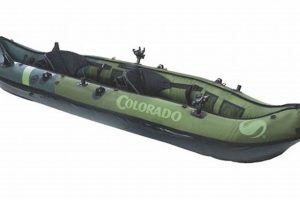
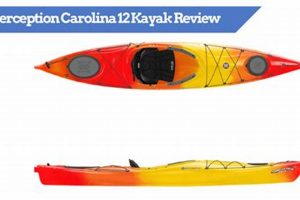
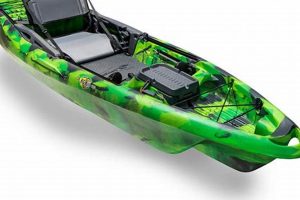
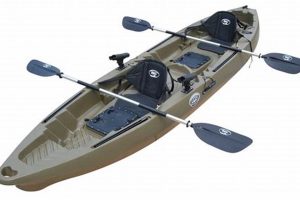
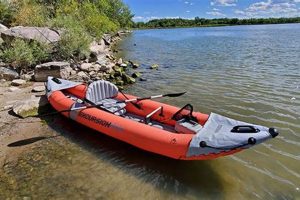
Selecting the right kayak is fundamental. Sit-on-top kayaks are generally preferred for their stability and self-bailing capabilities, crucial in Panama’s often warm and occasionally choppy waters. Consider kayak length and width based on individual needs and anticipated conditions. Longer kayaks offer better tracking in open water, while shorter, wider kayaks provide enhanced stability in calmer environments like mangroves.
- Paddle Selection
A lightweight, efficient paddle is essential for comfortable and effective paddling. Paddle length should be appropriate for the kayaker’s height and kayak width. Durable materials like fiberglass or carbon fiber are preferred for their strength and performance. A spare paddle is a crucial safety precaution.
- Rods, Reels, and Tackle
The choice of fishing rods, reels, and tackle depends on the target species. Light to medium-weight spinning or baitcasting setups are versatile choices for inshore fishing. Heavier tackle is required for offshore pursuits. Braided fishing line is often preferred for its strength and sensitivity. A selection of lures and terminal tackle appropriate for target species should be included.
- Safety and Navigation Equipment
Safety should always be a priority. Essential safety equipment includes a personal flotation device (PFD), a whistle, a signaling device, a first-aid kit, and a waterproof container for electronics and valuables. A GPS unit or chartplotter can aid navigation, particularly in unfamiliar waters. A VHF radio allows communication in emergencies.
Careful consideration of these equipment choices significantly contributes to a successful and enjoyable kayak fishing adventure in Panama. Properly selected gear enhances safety, improves fishing effectiveness, and allows anglers to fully appreciate the unique angling opportunities this diverse region offers.
3. Safety Precautions
Safeguarding well-being while kayak fishing in Panama’s waters is paramount. The combination of remote locations, diverse marine environments, and variable weather conditions necessitates meticulous attention to safety precautions. Implementing appropriate measures mitigates potential risks and ensures a secure and enjoyable experience.
- Personal Flotation Devices (PFDs)
Wearing a properly fitted PFD is non-negotiable. Even strong swimmers can encounter unexpected situations, such as capsizing in strong currents or encountering marine life. A PFD provides essential buoyancy and increases visibility in the water, significantly enhancing chances of rescue. Selecting a PFD designed for kayaking, with unrestricted arm movement, is recommended.
- Weather Awareness
Checking weather forecasts before embarking on any kayak fishing trip is crucial. Sudden changes in weather, including strong winds, thunderstorms, and lightning, are common in Panama. Being prepared for these changes and having an exit strategy is vital. Postponing trips during adverse conditions prioritizes safety.
- Communication Devices
Carrying a reliable communication device, such as a waterproof VHF radio or a satellite phone, enables contact in emergencies. Cellular phone coverage can be unreliable in remote areas. Informing someone onshore of the planned fishing location and estimated return time is also a crucial safety measure.
- Navigation and Awareness
Understanding navigational markers, charts, and local water conditions is essential. Tides, currents, and underwater hazards can pose risks. Carrying a GPS device and compass, and knowing how to use them, can be invaluable. Remaining aware of surroundings, including other vessels and marine life, enhances safety.
Prioritizing these safety precautions allows anglers to fully appreciate the unique experience of kayak fishing in Panama while minimizing potential risks. Careful planning and preparation contribute significantly to a secure and rewarding adventure in these diverse and dynamic waters.
4. Location Scouting
Effective location scouting is integral to successful Panama kayak fishing adventures. Strategic selection of fishing spots maximizes opportunities for encountering target species while ensuring angler safety and minimizing environmental impact. Thorough research and consideration of various factors contribute significantly to a rewarding experience.
- Habitat Assessment
Analyzing potential fishing locations based on habitat characteristics is crucial. Identifying areas with structures such as mangroves, reefs, or rock formations, which attract various fish species, increases the likelihood of successful catches. Understanding the preferred habitats of target species informs location choices. For example, targeting snook might involve scouting mangrove-lined shorelines, while pursuing snapper could lead to rocky reefs.
- Tidal Influences
Considering tidal flows and currents is essential when scouting locations. Incoming tides often bring baitfish closer to shore, attracting larger predatory fish. Outgoing tides can create concentrated feeding zones near channels and inlets. Consulting tide charts and understanding how tides influence fish behavior in specific locations enhances fishing success. For instance, fishing near river mouths during an outgoing tide can be highly productive for certain species.
- Accessibility and Safety
Evaluating accessibility and safety aspects of potential fishing locations is paramount. Considering launch points, water conditions, and potential hazards ensures angler safety. Remote locations might offer excellent fishing opportunities but require careful planning and navigation. Assessing factors like prevailing winds, currents, and potential boat traffic contributes to safe and enjoyable excursions. For example, avoiding areas with strong currents or heavy boat traffic minimizes risks.
- Local Regulations and Conservation
Respecting local fishing regulations and conservation efforts is crucial when scouting locations. Identifying designated fishing zones, protected areas, and any specific regulations related to target species ensures responsible angling practices. Consulting local authorities or experienced guides provides valuable insights into local rules and conservation initiatives. For instance, certain areas may have restrictions on fishing gear or require catch-and-release practices for specific species.
Integrating these location scouting considerations into pre-fishing planning significantly enhances the overall Panama kayak fishing adventure. Strategic selection of fishing spots increases the likelihood of successful catches while prioritizing angler safety and environmental stewardship, ensuring a rewarding and responsible angling experience.
5. Sustainable Practices
Sustainable practices are inextricably linked to the long-term viability of Panama kayak fishing adventures. The pristine marine ecosystems that support diverse fish populations are vulnerable to human impact. Adopting responsible angling methods ensures the preservation of these natural resources for future generations of anglers and contributes to the overall health of the marine environment. Cause and effect relationships are readily apparent: unsustainable practices, such as overfishing or habitat destruction, directly lead to diminished fish populations and degraded ecosystems, jeopardizing the future of kayak fishing opportunities. Conversely, embracing sustainable practices safeguards these resources, allowing continued enjoyment of this unique activity.
Sustainable practices function as essential components of Panama kayak fishing adventures, not merely as optional add-ons. Examples include adhering to catch-and-release protocols for certain species, respecting size limits, and using appropriate fishing gear. Minimizing environmental impact through proper waste disposal and avoiding disturbance to sensitive habitats, such as coral reefs and mangrove forests, is crucial. Employing biodegradable fishing lines and avoiding lead sinkers contributes to minimizing pollution. These practical applications demonstrate a commitment to responsible angling and contribute to the overall health of Panama’s aquatic ecosystems. For example, releasing undersized or breeding-sized fish allows them to contribute to future fish populations, ensuring the sustainability of the fishery. Similarly, using circle hooks minimizes injury to fish, increasing their chances of survival after release.
Integrating sustainable practices into all facets of Panama kayak fishing adventures safeguards the very foundation of this activity. Challenges such as illegal fishing and habitat destruction necessitate ongoing education and enforcement efforts. Understanding the interconnectedness of healthy ecosystems and thriving fish populations underscores the practical significance of responsible angling. Sustainable practices are not merely ethical considerations; they are essential for the continued enjoyment of Panama’s unique kayak fishing opportunities. The future of this activity depends on a collective commitment to preserving the delicate balance of these valuable marine environments.
6. Local Guidance

Engaging local guides significantly enhances Panama kayak fishing adventures. Their intimate knowledge of local waters, fish behavior, and effective techniques provides invaluable advantages. Cause and effect relationships are evident: utilizing local expertise often leads to increased fishing success and a deeper understanding of the surrounding ecosystem. Local guides possess intricate knowledge of optimal fishing locations, tidal influences, and species-specific behaviors, maximizing angling opportunities. They also offer insights into navigating complex waterways, enhancing both safety and the overall experience. For example, a local guide can identify prime fishing spots based on real-time conditions, such as baitfish activity or recent weather patterns, increasing the likelihood of successful catches. Their understanding of local regulations and conservation efforts also promotes responsible angling practices.
Local guidance functions as an integral component of Panama kayak fishing adventures, not merely as an optional add-on. Guides provide practical assistance with equipment selection, kayak handling, and navigation, enhancing safety and efficiency. They offer cultural insights, enriching the overall experience beyond just fishing. For instance, a guide might explain traditional fishing methods used by indigenous communities or share knowledge about local flora and fauna. This deeper understanding fosters appreciation for the natural environment and promotes responsible interactions. Practical applications extend to logistical support, including transportation to remote fishing locations and assistance with launching and landing kayaks. This support allows anglers to focus on the fishing experience itself, without the added complexities of logistical arrangements.
Integrating local guidance into Panama kayak fishing adventures maximizes opportunities for successful angling while promoting responsible interaction with the environment. Challenges, such as language barriers or varying levels of guide expertise, can be addressed through careful selection and communication. Utilizing reputable tour operators or seeking recommendations from experienced anglers ensures quality guidance. The practical significance of engaging local guides is undeniable, contributing to both the success and sustainability of Panama kayak fishing experiences. Their insights enhance angling opportunities, promote safety, and foster a deeper appreciation for the natural environment, ensuring a more rewarding and responsible adventure.
Frequently Asked Questions
This FAQ section addresses common inquiries regarding kayak fishing adventures in Panama, providing concise and informative responses to assist in planning and preparation.
Question 1: What are the typical costs associated with a guided kayak fishing trip in Panama?
Costs vary depending on factors such as trip duration, location, included services (e.g., equipment rental, meals, lodging), and guide experience. Researching various tour operators and comparing packages is recommended.
Question 2: What is the best time of year for kayak fishing in Panama?
Panama offers year-round fishing opportunities, but specific species availability varies seasonally. Researching target species and consulting local guides helps determine optimal timing for specific angling goals.
Question 3: What level of experience is required for kayak fishing in Panama?
Prior kayaking experience is beneficial, but not always mandatory. Guided tours often cater to various skill levels, providing instruction and support as needed. Open ocean excursions typically require more experience than calmer inshore trips.
Question 4: What type of fish can one expect to catch while kayak fishing in Panama?
Panama’s diverse waters support a wide range of fish species, including snook, tarpon, snapper, grouper, roosterfish, tuna, and marlin. Target species vary depending on location and season. Consulting local guides helps determine realistic expectations.
Question 5: What safety precautions are essential for kayak fishing in Panama?
Wearing a personal flotation device (PFD), checking weather forecasts, carrying communication devices, and understanding local water conditions are crucial safety precautions. Adhering to guide instructions and practicing responsible angling further enhances safety.
Question 6: What are the regulations regarding fishing licenses and catch limits in Panama?
Fishing licenses are typically required and can often be obtained through tour operators or local authorities. Catch limits and size restrictions vary depending on species. Adhering to all regulations is essential for responsible and legal angling.
Careful consideration of these frequently asked questions facilitates informed decision-making and enhances the overall Panama kayak fishing experience. Thorough planning and preparation contribute to a successful and enjoyable adventure.
For further inquiries or specific details, consulting reputable tour operators or local fishing authorities is recommended.
Panama Kayak Fishing Adventures
Exploration of Panama kayak fishing adventures reveals a unique intersection of angling pursuit, ecological awareness, and cultural immersion. Key elements highlighted include the importance of biodiversity conservation, appropriate equipment selection, stringent safety precautions, strategic location scouting, and the invaluable contribution of local guides. Sustainable practices emerge as not merely supplemental considerations, but rather fundamental principles woven into the fabric of responsible angling. The delicate interplay of these factors underscores the potential for enriching experiences while preserving the integrity of Panama’s aquatic ecosystems.
Panama’s diverse marine environments offer exceptional opportunities for anglers seeking intimate engagement with nature. Continued emphasis on sustainable practices and respect for local ecosystems will ensure the longevity of these unique kayak fishing adventures. The future of this pursuit rests upon a collective commitment to responsible stewardship, preserving the delicate balance between angling enjoyment and environmental preservation for generations to come.