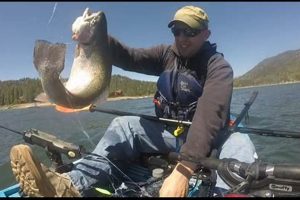
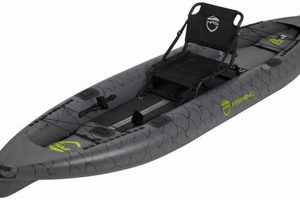
A high-performing watercraft designed for angling should excel in diverse environments, from calm lakes and slow-moving rivers to challenging ocean conditions. It must offer stability for casting and reeling, ample storage for gear, and features conducive to various fishing styles, such as trolling, fly fishing, or bottom fishing. A well-designed example might include features like adjustable seating, multiple rod holders, and a readily accessible livewell or cooler.
The ability to adapt to different fishing scenarios enhances the angler’s experience, offering greater freedom and increasing the likelihood of success. This adaptability is driven by innovations in hull design, materials, and specialized features. Historically, fishing from small, non-motorized boats has been a common practice. Modern advancements have revolutionized the design and functionality of these vessels, leading to highly specialized craft catering to diverse fishing needs.
This article will explore key features that contribute to a fishing kayak’s adaptability, examine various hull designs and their suitability for specific environments, and delve into essential accessories that enhance functionality and angler comfort.
Tips for Selecting a Highly Adaptable Fishing Kayak
Choosing a fishing kayak requires careful consideration of various factors to ensure optimal performance and angler satisfaction. The following tips offer guidance for selecting a vessel suited to diverse fishing environments and styles.
Tip 1: Consider Hull Design: Different hull designs offer varying degrees of stability and maneuverability. A pontoon-style hull provides exceptional stability, while a V-shaped hull offers better tracking and speed in open water. A hybrid design attempts to balance stability and maneuverability.
Tip 2: Evaluate Storage Capacity: Ample storage is crucial for carrying essential gear, including tackle boxes, rods, and safety equipment. Consider both dry storage compartments and bungee systems for securing items on deck.
Tip 3: Assess Seating Comfort and Adjustability: Long hours on the water necessitate a comfortable and supportive seat. Look for adjustable seating options that allow for personalized positioning and alleviate fatigue.
Tip 4: Examine Rod Holders and Mounting Options: Multiple rod holders and mounting options provide flexibility for various fishing techniques. Consider flush-mounted rod holders for trolling and adjustable rod holders for casting.
Tip 5: Prioritize Stability and Weight Capacity: Stability is paramount, especially when standing to cast or reel. Ensure the kayak offers sufficient stability and weight capacity to accommodate the angler, gear, and potential catch.
Tip 6: Factor in Propulsion Options: Paddle kayaks offer excellent exercise and maneuverability in shallow water. Pedal-driven kayaks offer increased speed and hands-free fishing. Consider the primary fishing environment and personal preferences when choosing a propulsion system.
Tip 7: Explore Additional Features: Features like a rudder, anchor trolley system, and integrated livewell or cooler can significantly enhance the fishing experience. Evaluate these features based on individual fishing needs and preferences.
By carefully considering these factors, anglers can select a fishing kayak optimized for their specific needs and fishing style, leading to more productive and enjoyable outings on the water.
The next section will delve into specific kayak models that exemplify these key features, offering practical examples for informed decision-making.
1. Stability

Stability forms a cornerstone of fishing kayak versatility, directly impacting angler safety, comfort, and fishing effectiveness. A stable platform is essential for various on-the-water activities, from casting and reeling to landing fish and navigating challenging conditions. This section explores key facets of stability relevant to versatile fishing kayaks.
- Primary Stability:
Primary stability refers to the initial resistance a kayak offers to tipping. A wider, flatter hull design generally provides greater primary stability, making it ideal for calm waters and activities like standing casting. This stability is crucial for beginners and anglers prioritizing a secure, steady platform.
- Secondary Stability:
Secondary stability describes how a kayak behaves when leaned or tilted beyond its initial stability point. Kayaks with rounded or flared hulls often exhibit strong secondary stability, providing a reassuring feel even at steeper angles. This characteristic is valuable in rough water or when maneuvering in tight spaces, contributing to the kayak’s adaptability across various environments.
- Impact of Hull Design:
Hull design plays a significant role in determining both primary and secondary stability. Pontoon hulls offer exceptional primary stability, while V-shaped hulls provide better tracking and speed but less initial stability. Hybrid designs attempt to strike a balance between these characteristics, offering moderate stability and performance across a range of conditions. Understanding the impact of hull design is crucial for selecting a kayak suitable for the intended fishing environments.
- Influence of Weight Distribution:
Proper weight distribution significantly influences stability. Evenly distributing gear and maintaining a low center of gravity enhances overall stability. Adding weight to the lower portions of the kayak can further improve stability, particularly in challenging conditions. Understanding weight distribution is crucial for maximizing a kayak’s stability potential.
These facets of stability collectively contribute to a fishing kayak’s versatility. A kayak offering a balanced combination of primary and secondary stability, combined with a suitable hull design and proper weight distribution, provides a secure and adaptable platform for diverse fishing environments and techniques. This stability ultimately enhances angler confidence, comfort, and fishing success.
2. Storage Capacity

Storage capacity is a critical factor influencing the versatility of a fishing kayak. Adequate storage enables anglers to carry essential gear, including tackle boxes, rods, safety equipment, and personal items, enhancing their adaptability to various fishing scenarios and durations. Insufficient storage can limit fishing opportunities and compromise safety, underscoring the importance of careful consideration of storage solutions.
- Types of Storage:
Fishing kayaks offer various storage solutions, including sealed hatches, open compartments with bungee cords, and specialized compartments for specific gear like rods and paddles. Sealed hatches protect sensitive items from water damage, while open compartments provide quick access to frequently used gear. Understanding the types and locations of available storage is crucial for organizing gear effectively and maximizing space utilization.
- Capacity and Weight Distribution:
The overall storage capacity and its distribution within the kayak influence both performance and stability. A kayak with a higher weight capacity can accommodate more gear, but proper weight distribution remains crucial for maintaining balance and maneuverability. Distributing weight evenly throughout the kayak, including both front and rear storage areas, contributes to optimal performance and prevents instability.
- Accessibility and Organization:
Easy access to stored gear is essential for efficient fishing. Well-designed storage compartments with readily accessible hatches or openings minimize disruption and allow anglers to quickly retrieve needed items. Utilizing organizers, dry bags, and other storage accessories further enhances organization and accessibility, promoting a streamlined and productive fishing experience.
- Integration with Kayak Design:
Storage solutions should seamlessly integrate with the overall kayak design without compromising stability or performance. Recessed compartments and strategically placed hatches minimize interference with paddling and casting. A well-integrated storage system enhances the kayak’s overall functionality and contributes to a positive user experience.
The storage capacity of a fishing kayak directly correlates with its versatility. A kayak with ample, well-designed storage empowers anglers to carry diverse gear, adapt to changing conditions, and extend their time on the water. By considering the types of storage, capacity, accessibility, and integration with the kayak’s design, anglers can select a vessel that meets their specific storage needs and enhances their overall fishing experience.
3. Maneuverability
Maneuverability is a critical aspect of a versatile fishing kayak, directly influencing its adaptability to diverse aquatic environments and fishing styles. Efficient navigation through tight spaces, swift currents, and changing water conditions requires a kayak responsive to angler input and capable of precise movements. This section explores the key facets of maneuverability that contribute to a fishing kayak’s overall versatility.
- Tracking and Turning:
Tracking refers to a kayak’s ability to maintain a straight course, while turning describes its responsiveness to directional changes. A kayak with excellent tracking minimizes the need for constant correction, conserving energy during long paddles. Responsive turning enables quick adjustments to navigate obstacles or follow fish. These characteristics are essential for efficient movement in various water conditions, from open lakes to winding rivers.
- Hull Design Influence:
Hull design significantly impacts maneuverability. Longer, narrower kayaks generally track better in open water but can be less maneuverable in tight spaces. Shorter, wider kayaks offer enhanced maneuverability but may sacrifice tracking performance. Specialized hull designs, such as those with pronounced keels or chines, can optimize both tracking and turning for specific environments. Understanding the influence of hull design is crucial for selecting a kayak suited to the intended fishing locations.
- Impact of Water Conditions:
Water conditions, including current, wind, and waves, directly affect maneuverability. Kayaks with higher stability and tracking perform better in challenging conditions, while shorter, more maneuverable kayaks excel in calmer waters. Considering the prevailing water conditions in the intended fishing areas helps determine the most suitable kayak design for optimal performance.
- Role of Rudders and Skegs:
Rudders and skegs are control surfaces that enhance maneuverability and tracking. Rudders provide active control over direction, particularly helpful in windy or current-prone areas. Skegs improve tracking by reducing sideways drift, making them beneficial in open water. These features can significantly enhance a kayak’s performance in various conditions, contributing to its overall versatility.
Maneuverability is integral to the versatility of a fishing kayak. A kayak that balances tracking and turning performance, incorporates a suitable hull design, and effectively handles various water conditions provides anglers with the adaptability needed to succeed in diverse fishing environments. By carefully considering these facets, anglers can select a kayak that optimizes their ability to navigate and position themselves effectively for a more successful and enjoyable fishing experience.
4. Comfort and Adjustability

Comfort and adjustability are paramount for extended fishing trips, directly influencing angler endurance, focus, and overall enjoyment. A versatile fishing kayak must accommodate diverse body types and fishing styles, providing a platform that allows anglers to remain comfortable and efficient throughout their time on the water. This section explores key facets of comfort and adjustability that contribute to a fishing kayak’s overall versatility.
- Seating System:
The seating system plays a crucial role in angler comfort. Adjustable seats with ample back support and cushioning minimize fatigue and strain during long hours on the water. Features like adjustable height, lumbar support, and breathable fabrics contribute to a more comfortable and personalized seating experience. High-quality seating systems enhance angler endurance and contribute to a more enjoyable and productive fishing trip.
- Footrests and Leg Position:
Proper leg positioning and support are essential for maintaining balance and paddling efficiency. Adjustable footrests or foot braces accommodate varying leg lengths and allow anglers to find a comfortable and biomechanically sound paddling position. Well-designed footrests minimize leg fatigue and contribute to greater control and maneuverability of the kayak.
- Deck Layout and Accessibility:
A well-designed deck layout enhances comfort and efficiency by providing easy access to essential gear and accessories. Strategically placed rod holders, tackle storage compartments, and other features minimize the need for excessive reaching or movement, allowing anglers to maintain a comfortable and stable position while fishing. An organized and accessible deck layout contributes to a more streamlined and enjoyable fishing experience.
- Customization Options:
Customization options, such as adjustable seat backs, thigh braces, and accessory mounts, allow anglers to personalize the kayak to their specific needs and preferences. These options enhance comfort and optimize the kayak’s ergonomics for individual body types and fishing styles. The ability to customize the kayak contributes to a more comfortable and efficient fishing experience tailored to the individual angler.
Comfort and adjustability are essential components of a versatile fishing kayak. A comfortable and adaptable kayak allows anglers to fish for extended periods without fatigue or discomfort, maximizing their time on the water and overall fishing enjoyment. By considering the seating system, footrests, deck layout, and customization options, anglers can select a kayak that prioritizes comfort and adjustability, contributing to a more versatile and rewarding fishing experience.
5. Feature Integration
Feature integration significantly contributes to the versatility of a fishing kayak. Seamlessly incorporated features enhance angler efficiency, comfort, and adaptability to various fishing scenarios. A well-integrated system optimizes space utilization and streamlines workflow, allowing anglers to focus on the task at hand. This section explores key facets of feature integration within the context of versatile fishing kayaks.
- Rod Holders and Mounting Systems:
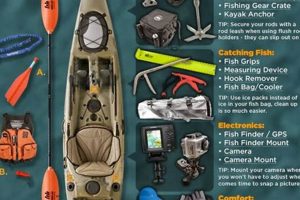
Multiple rod holders, strategically positioned and securely mounted, are essential for diverse fishing techniques. Flush-mounted rod holders facilitate trolling, while adjustable rod holders accommodate casting and spinning. Track systems offer flexibility for mounting additional accessories like fish finders and cameras. Well-designed rod holder systems maximize fishing efficiency and adaptability.
- Electronics and Navigation:
Integrated electronics, including fish finders, GPS units, and transducers, enhance fishing success and navigational safety. Flush-mounted displays and recessed compartments protect electronics while maintaining a streamlined profile. Power sources, such as rechargeable batteries or solar panels, provide reliable power for extended trips. Integrated electronics systems improve situational awareness and fishing effectiveness.
- Storage and Organization Solutions:
Efficient storage solutions are crucial for maintaining order and maximizing space utilization. Tackle storage compartments, dry bags, and gear tracks provide designated spaces for essential equipment. Integrated coolers or livewells maintain catch freshness. Well-designed storage solutions contribute to a clutter-free and organized fishing experience.
- Paddle and Propulsion Integration:
Secure paddle storage and efficient propulsion systems enhance maneuverability and overall performance. Paddle parks or clips keep paddles secure when not in use. Integrated pedal drives or motor mounts provide alternative propulsion options for covering greater distances or navigating challenging currents. Well-integrated propulsion systems enhance versatility and adaptability to diverse water conditions.
Effective feature integration transforms a fishing kayak into a highly versatile and efficient fishing platform. By seamlessly incorporating essential features, these kayaks optimize angler workflow, enhance comfort, and adapt to various fishing scenarios. The strategic placement and integration of features contribute significantly to the overall fishing experience, allowing anglers to maximize their time on the water and focus on what matters most catching fish.
6. Durability and Portability

Durability and portability are essential considerations when evaluating the versatility of a fishing kayak. A kayak’s ability to withstand the rigors of diverse environments and be easily transported significantly impacts its usability and long-term value. These factors influence the range of accessible fishing locations and the overall convenience of kayak ownership. This section explores the key facets of durability and portability in the context of versatile fishing kayaks.
- Material and Construction:
The materials used in kayak construction directly influence its durability and resistance to impact, abrasion, and UV degradation. High-density polyethylene (HDPE) offers excellent impact resistance, while rotomolded construction provides uniform wall thickness and enhanced structural integrity. Thermoformed ABS kayaks offer a balance of durability and lighter weight. The choice of material affects the kayak’s longevity and ability to withstand various environmental challenges.
- Weight and Transportation:
Kayak weight significantly impacts portability and ease of transport. Lighter kayaks are easier to load and unload from vehicles, carry to launch sites, and maneuver on land. Features like integrated handles, scupper holes for drainage, and roof rack compatibility enhance transportability. The kayak’s weight and design features influence its accessibility to various fishing locations.
- Maintenance and Repair:
Durability also encompasses the ease of maintenance and repair. Kayaks constructed from durable materials and featuring robust hardware require less frequent maintenance. The availability of replacement parts and the simplicity of repair procedures contribute to the kayak’s long-term usability. Ease of maintenance and repair minimizes downtime and extends the kayak’s lifespan.
- Storage and Protection:
Proper storage and protection are crucial for maintaining the kayak’s condition and prolonging its lifespan. UV-resistant covers protect the kayak from sun damage during storage. Secure storage solutions prevent warping and damage during transport. Appropriate storage practices contribute to the long-term durability and value of the kayak.
Durability and portability are integral to the versatility of a fishing kayak. A durable and easily transportable kayak expands fishing possibilities by allowing access to a wider range of locations and simplifying the logistics of kayak ownership. By carefully considering the materials, weight, maintenance requirements, and storage solutions, anglers can choose a kayak that offers both durability and portability, maximizing its versatility and long-term value. These factors contribute significantly to the overall enjoyment and practicality of owning a fishing kayak, enabling anglers to explore diverse waters and pursue their passion with ease.
Frequently Asked Questions
This section addresses common inquiries regarding the selection and utilization of fishing kayaks designed for diverse environments and fishing styles.
Question 1: What hull design offers the best balance of stability and maneuverability for a versatile fishing kayak?
Hybrid hull designs, incorporating features from both pontoon and V-shaped hulls, often provide a balanced approach, offering reasonable stability for activities like standing casting while maintaining acceptable maneuverability in varied water conditions. The specific balance depends on the intended usage, with calmer waters favoring stability and more open or dynamic environments prioritizing maneuverability.
Question 2: How much storage capacity is typically considered sufficient for a versatile fishing kayak?
Sufficient storage depends on individual needs and trip duration. However, a kayak intended for versatility should offer ample storage for essential gear, including tackle boxes, rods, safety equipment, and personal items. Consider the anticipated fishing style and duration when evaluating storage capacity. Longer trips or techniques requiring specialized gear necessitate greater storage volume.
Question 3: What features contribute most significantly to comfort during long fishing trips?
A comfortable, adjustable seat with adequate back support is paramount. Adjustable footrests or foot braces accommodate varying leg lengths and promote proper posture, minimizing fatigue. A well-designed deck layout with easy access to essential gear further enhances comfort and reduces strain during extended fishing sessions.
Question 4: How does weight impact the portability and transportability of a fishing kayak?
Weight significantly influences ease of transport. Lighter kayaks are easier to load onto vehicles, carry to launch sites, and maneuver on land. Consider the available transport methods and physical capabilities when evaluating kayak weight. Features like integrated handles and roof rack compatibility further enhance portability.
Question 5: What materials offer the best balance of durability and weight for a fishing kayak?
High-density polyethylene (HDPE) offers excellent impact resistance and durability, while rotomolded construction provides uniform wall thickness for enhanced structural integrity. Thermoformed ABS kayaks provide a balance of durability and lighter weight, but may be less resistant to impact compared to HDPE.
Question 6: How important are integrated features like rod holders and electronics for versatility?
Integrated features significantly enhance versatility by optimizing functionality and streamlining workflow. Multiple rod holders accommodate diverse fishing techniques. Integrated electronics, such as fish finders and GPS units, improve fishing success and navigational safety. These features contribute to a more efficient and adaptable fishing platform.
Careful consideration of these frequently asked questions contributes to informed decision-making when selecting a versatile fishing kayak suited to individual needs and fishing preferences.
The following section will provide a comprehensive comparison of various fishing kayak models, highlighting key features and performance characteristics.
The Pursuit of the Most Versatile Fishing Kayak
This exploration of high-performing fishing kayaks has highlighted the multifaceted nature of versatility in this specialized watercraft. From stability and maneuverability to storage capacity and feature integration, numerous factors contribute to a kayak’s adaptability across diverse fishing environments and techniques. Careful consideration of hull design, material construction, and integrated features empowers anglers to select a vessel optimized for individual needs and preferences. The balance between stability and maneuverability, ample storage solutions, comfortable seating systems, and strategically integrated features collectively define the ideal fishing platform for diverse angling pursuits.
Ultimately, the pursuit of the most versatile fishing kayak reflects the angler’s desire for enhanced adaptability and freedom on the water. As technology continues to advance and kayak design evolves, the possibilities for customization and specialized performance will only expand. Choosing a kayak that aligns with individual fishing styles and aspirations ensures a more rewarding and enriching experience on the water, fostering a deeper connection with the sport and the natural world.