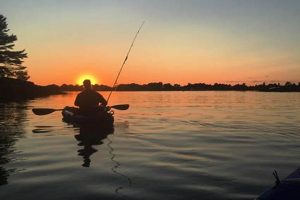
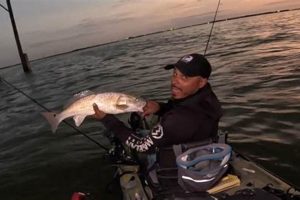
Shallow-water angling from a small, human-powered vessel offers a unique approach to pursuing various fish species. This method often involves navigating serene, shallow waters, providing access to areas unreachable by larger boats. Anglers employ specialized techniques and equipment adapted to the stability and maneuverability of their craft.
This style of fishing provides numerous advantages, including minimal environmental impact, affordability, and the opportunity for close encounters with nature. It allows for a quiet, stealthy approach, increasing the chances of a successful catch. Historically, small boats have been utilized for fishing in shallow waters for centuries, demonstrating the enduring practicality and effectiveness of this method.
The following sections will explore suitable locations, essential equipment, effective techniques, and relevant safety considerations for this specialized form of angling.
Tips for Shallow-Water Angling
Optimizing shallow-water fishing expeditions from small, human-powered vessels requires careful planning and execution. The following tips offer guidance for a successful and enjoyable experience.
Tip 1: Stability is Paramount: Maintaining balance is crucial. Weight should be distributed evenly within the vessel. Sudden movements should be avoided, especially when casting or reeling.
Tip 2: Shallow Draft Advantage: Utilize the vessel’s shallow draft to access areas inaccessible to larger boats. Look for shallow flats, backwater creeks, and protected coves.
Tip 3: Quiet Approach: Minimize noise and disturbance to avoid spooking fish. Paddle smoothly and avoid sudden splashes. Consider using a drift sock or anchor to maintain position quietly.
Tip 4: Specialized Tackle: Employ shorter rods and lighter tackle suited for close-quarters fishing. Consider using lures and bait appropriate for the target species in shallow water environments.
Tip 5: Sun Protection: Shallow water environments offer minimal shade. Appropriate sun protection, including hats, sunglasses, and sunscreen, is essential.
Tip 6: Tide Awareness: Understanding tidal fluctuations is critical. Incoming tides can provide access to previously unreachable areas, while outgoing tides can create strong currents and expose shallow hazards.
Tip 7: Respect Wildlife: Minimize disturbance to the natural environment. Avoid disturbing nesting birds and other wildlife. Practice catch-and-release whenever possible.
Adhering to these guidelines promotes a safe, productive, and environmentally responsible approach to shallow-water fishing. Careful preparation enhances the overall experience and increases the likelihood of success.
These tips offer a starting point for anglers venturing into shallow-water fishing. Further research and experience will refine techniques and contribute to greater enjoyment of this specialized angling style.
1. Shallow Water Access

Shallow water access represents a defining characteristic of kayak fishing, enabling exploration of environments often inaccessible to larger vessels. This capability opens unique opportunities for targeting species that thrive in these shallow habitats and require a specialized approach.
- Habitat Exploitation:
Shallow, protected waters serve as nurseries and feeding grounds for various fish species. Kayak anglers gain access to these productive zones, increasing their chances of encountering target species like redfish, snook, or bonefish. These areas often feature diverse ecosystems, including seagrass beds, oyster reefs, and mangrove forests, attracting a rich variety of fish.
- Stealth and Approach:
Kayaks offer a quiet and non-intrusive mode of transport, allowing anglers to approach fish in shallow water without disturbing them. The low profile of a kayak reduces visibility and minimizes noise, crucial for success in clear, shallow environments where fish are easily spooked. This advantage enhances fishing opportunities in areas where traditional motorboats would be disruptive.
- Navigational Advantages:
The shallow draft of a kayak allows navigation through extremely shallow waters, including areas with submerged obstacles or varying depths. This maneuverability expands the fishable range, providing access to secluded creeks, flats, and backwaters that hold significant fish populations but are unreachable by larger boats.
- Tidal Influence:
Shallow water environments are significantly influenced by tidal fluctuations. Kayak anglers can capitalize on these tidal changes, accessing areas exposed or submerged during specific tide stages. Understanding tidal patterns and their effects on fish behavior is essential for maximizing success in these areas. For example, incoming tides can bring baitfish and larger predators onto shallow flats.
The ability to access shallow water environments significantly enhances the kayak fishing experience. By understanding the interplay between habitat, stealth, navigation, and tidal influence, anglers can effectively target species and explore ecosystems often out of reach for other fishing methods. This advantage underscores the unique appeal and effectiveness of kayak fishing in shallow water habitats.
2. Stealthy Approach

A stealthy approach is paramount in shallow-water kayak fishing, where fish are easily spooked by disturbances. Minimizing noise and visual presence significantly increases the likelihood of a successful catch. This approach requires careful consideration of various factors, including vessel control, paddling technique, and environmental awareness.
- Minimized Sound:
Kayaks, by their nature, offer a quieter alternative to motorized boats. However, even subtle sounds, such as paddle splashes or gear shifting, can alert fish. Smooth, deliberate paddling techniques and careful handling of equipment are crucial for maintaining a low acoustic profile. Using a paddle with a feathered blade entry can further reduce noise.
- Reduced Visibility:
The low profile of a kayak minimizes its visual impact on the water’s surface. Choosing muted colors that blend with the surrounding environment, such as greens or browns, can further reduce visibility. Avoiding bright clothing and reflective surfaces also contributes to a less conspicuous presence.
- Natural Drifting:
Utilizing natural currents and wind drift allows for a silent approach to target areas. Drifting with the wind or tide minimizes paddling, reducing noise and allowing the kayak to blend seamlessly with the environment. A drift sock can further control and slow the kayak’s movement.
- Observational Awareness:
Careful observation of the water’s surface can reveal signs of fish activity, such as subtle rises or baitfish scattering. This awareness allows anglers to anticipate fish location and plan their approach accordingly, minimizing unnecessary movement and maximizing the effectiveness of their stealth tactics. Polarized sunglasses can aid in spotting fish below the surface.
The combination of minimized sound, reduced visibility, natural drifting, and observational awareness creates a comprehensive stealthy approach in kayak fishing. This approach allows anglers to get closer to fish in shallow water environments, significantly increasing the probability of a successful and rewarding fishing experience.
3. Specialized Equipment

Specialized equipment plays a crucial role in shallow-water kayak angling, directly influencing an angler’s effectiveness and overall experience. The unique demands of this fishing style necessitate gear choices that prioritize portability, maneuverability, and adaptability to the shallow-water environment.
Rods designed for kayak fishing are typically shorter than those used in other angling disciplines. Shorter lengths, generally between six and seven feet, facilitate casting and fish fighting within the confined space of a kayak. These rods often feature a faster action, allowing for quicker hooksets in shallow water where fish have limited space to run. Lightweight, durable materials like graphite or composite construction are preferred for their balance and sensitivity.
Reels chosen for kayak fishing should be appropriately sized for the target species and fishing techniques. Spinning reels are commonly favored for their versatility and ease of use in various fishing situations. A reel with a smooth drag system is crucial for handling strong runs from fish in shallow water, where obstacles like submerged vegetation or structure can quickly lead to line breakage. Corrosion-resistant materials are essential for maintaining reel performance in saltwater environments. Furthermore, a shallow spool might be preferred to reduce line tangles with lighter lines often used in this type of fishing.
Tackle selection is also influenced by the specifics of shallow-water fishing. Lures that mimic the prey found in these environments, such as small baitfish or crustaceans, are effective choices. Weedless hooks and soft plastic baits are often employed to minimize snags in areas with heavy vegetation or structure. A selection of weights and floats allows anglers to adjust their presentations to varying water depths and current conditions. Finally, specialized tools like shallow-water anchors and stake-out poles provide stability and control in specific locations, allowing anglers to maintain position and effectively cover promising fishing areas.
Appropriate equipment selection contributes significantly to a successful and enjoyable shallow-water kayak angling experience. Careful consideration of rod length and action, reel size and drag system, and appropriate tackle choices tailored to the target species and environment optimizes an angler’s ability to effectively fish these unique areas.
4. Balance and Stability
Balance and stability are paramount in shallow-water kayak angling, directly impacting safety and fishing effectiveness. Maintaining equilibrium within the kayak allows for efficient casting, accurate lure presentation, and safe fish fighting. A stable platform enhances maneuverability and reduces the risk of capsizing, especially in challenging conditions such as shallow water, currents, or wind.
- Center of Gravity:
Understanding and managing the center of gravity is fundamental to kayak stability. Weight distribution within the kayak significantly influences balance. Keeping weight low and centered minimizes instability. Evenly distributing gear and avoiding sudden weight shifts, especially when casting or retrieving, contribute to a stable platform. External factors such as wind and currents can also affect the center of gravity and require adjustments in weight distribution to maintain balance. For example, strong winds may necessitate leaning into the wind to counteract the force and maintain stability.
- Kayak Design:
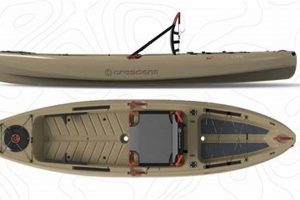
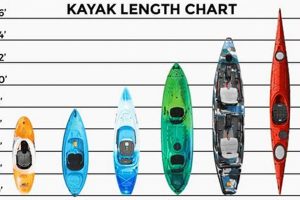
Kayak design influences stability. Wider kayaks generally offer greater initial stability, making them suitable for beginners or calmer waters. Longer, narrower kayaks are more efficient for paddling longer distances but may be less stable. Hull shape also plays a role, with flat-bottomed hulls providing more initial stability and V-shaped hulls offering greater secondary stability (resistance to capsizing after tipping). Understanding the characteristics of different kayak designs informs appropriate kayak selection based on individual needs and fishing conditions.
- Environmental Factors:
Wind, currents, and waves directly impact kayak stability. Strong winds can push the kayak off course and create instability. Currents can cause the kayak to drift or create challenging paddling conditions. Waves, particularly in shallow water, can destabilize the kayak and increase the risk of capsizing. Assessing environmental conditions before and during fishing trips is crucial for maintaining balance and safety. Adapting paddling techniques and positioning the kayak strategically in relation to wind and waves enhances stability.
- Body Positioning and Movement:
Proper body posture and controlled movements are essential for maintaining balance in a kayak. Sitting upright with a slight bend in the knees and engaging core muscles enhances stability. Avoiding sudden, jerky movements, especially when casting or reeling, minimizes the risk of tipping. Learning to brace with the paddle can prevent capsizing in unexpected situations, such as encountering a wave or a sudden shift in weight. Practicing basic kayak maneuvers in calm water builds confidence and improves balance control.
These interconnected factors highlight the critical role of balance and stability in shallow-water kayak fishing. A stable and balanced kayak not only enhances fishing effectiveness but also ensures angler safety. Understanding these principles and practicing appropriate techniques contributes to a more enjoyable and productive fishing experience.
5. Tide Awareness
Tide awareness is crucial for shallow-water kayak angling, significantly influencing fish behavior, accessibility of fishing grounds, and overall safety. Understanding tidal fluctuations enables anglers to optimize fishing strategies, access productive areas, and navigate safely in dynamic shallow-water environments. Ignoring tidal influences can lead to missed opportunities, reduced catches, and potentially hazardous situations.
- Fish Behavior:
Tidal currents transport baitfish and other prey, influencing the movement and feeding patterns of target species. Incoming tides often bring baitfish and predators onto shallow flats, creating feeding opportunities. Outgoing tides can concentrate fish in channels and deeper pools as water recedes. Anglers who understand these patterns can predict fish location and adjust their fishing techniques accordingly. For example, fishing near inlets or channels during an outgoing tide can be highly productive.
- Accessibility:
Tidal fluctuations alter water depths and expose or submerge shallow areas, impacting accessibility to various fishing grounds. High tides allow kayaks to reach areas otherwise inaccessible during low tide, such as shallow flats, creeks, or mangrove forests. Conversely, low tides may restrict access to certain areas but expose others, revealing sandbars, oyster beds, or other structures that attract fish. Planning fishing trips based on tidal stages ensures access to target locations and maximizes fishing opportunities. For instance, accessing a shallow flat requires knowledge of high tide times to avoid grounding.
- Currents and Navigation:
Tidal currents create dynamic water movement, impacting kayak control and navigation. Strong currents can make paddling challenging, especially in shallow areas or narrow channels. Understanding current direction and strength allows anglers to plan efficient routes, conserve energy, and avoid being swept into hazardous areas. Utilizing currents strategically can also enhance fishing by allowing for a natural drift presentation of bait or lures. However, strong currents near inlets or bridges require caution and advanced paddling skills.
- Safety:
Tide awareness contributes significantly to angler safety. Rapidly changing tides can create strong currents or expose submerged hazards, posing risks to kayakers. Awareness of tidal changes and potential hazards allows for informed decision-making and appropriate safety precautions. Checking tide charts before embarking on a fishing trip and monitoring water levels during the outing helps avoid unexpected situations and ensures a safe return. For instance, awareness of an approaching low tide prevents being stranded on a shallow flat.
By integrating tide awareness into fishing strategies, shallow-water kayak anglers significantly enhance their chances of success and ensure a safer, more informed experience. Understanding the interplay between tidal fluctuations and fish behavior, accessibility, currents, and safety is essential for maximizing the enjoyment and productivity of kayak fishing in these dynamic environments.
6. Respect for Wildlife

Respect for wildlife is integral to shallow-water kayak angling, ensuring the long-term health of the ecosystem and the sustainability of the sport. Kayak fishing provides close encounters with diverse fauna, necessitating minimal disturbance to their natural habitats. Disturbing nesting birds, harassing marine mammals, or damaging sensitive vegetation can have detrimental effects on the delicate balance of these environments. Consideration of wildlife extends beyond avoiding direct interaction. Improperly discarded fishing line can entangle birds, turtles, and other animals, causing injury or death. Leaving trash behind pollutes the water and degrades the habitat. Responsible angling practices demonstrate respect for the interconnectedness of the ecosystem. For example, minimizing noise near bird rookeries during nesting season ensures successful breeding. Observing manatee zones and avoiding close approaches minimizes stress on these vulnerable mammals.
Practical applications of respecting wildlife include practicing catch-and-release fishing whenever possible, minimizing handling time for caught fish, using appropriate fishing gear to avoid harming non-target species, and adhering to local fishing regulations designed to protect vulnerable populations. Choosing biodegradable fishing line further minimizes environmental impact. Educating fellow anglers about the importance of wildlife conservation fosters a community of responsible stewards. Supporting organizations dedicated to protecting coastal ecosystems amplifies individual efforts and contributes to broader conservation initiatives. Shallow-water environments are often nurseries for juvenile fish and crucial habitats for various species, making respectful angling practices even more critical.
Respecting wildlife safeguards the future of shallow-water kayak fishing by preserving the health and integrity of the ecosystem. This respect translates into responsible angling practices that minimize disturbance, prevent pollution, and protect vulnerable species. Such practices ensure the sustainability of the sport and maintain the pristine environments that make kayak fishing so rewarding. The interconnectedness of the ecosystem necessitates a mindful approach, recognizing that the well-being of wildlife directly impacts the quality of the angling experience. Continued education and responsible actions contribute to the long-term viability of both the ecosystem and the recreational activity it supports.
7. Safety Precautions
Safety precautions are paramount in shallow-water kayak angling, mitigating inherent risks and ensuring an enjoyable experience. The shallow-water environment presents unique challenges, demanding careful consideration of potential hazards and proactive measures to prevent accidents. Ignoring safety protocols can lead to serious consequences, jeopardizing angler well-being and potentially impacting the surrounding environment. Understanding and implementing appropriate safety measures contributes significantly to a positive and incident-free fishing trip.
- Personal Flotation Device (PFD):
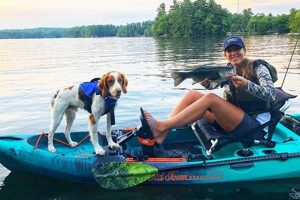
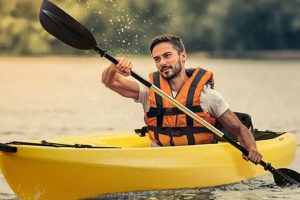
A PFD is an indispensable piece of safety equipment for any kayak angler. Wearing a properly fitted and U.S. Coast Guard-approved PFD significantly increases the chances of survival in the event of a capsize or unexpected immersion in water. Shallow water environments, while seemingly less dangerous than open water, still pose risks of entanglement, strong currents, or sudden changes in depth. A PFD provides essential buoyancy and support, keeping the angler afloat and aiding in self-rescue or rescue by others. Even in calm conditions, unforeseen circumstances can occur, making consistent PFD use crucial.
- Communication Devices:
Maintaining communication is vital in shallow-water kayak fishing, enabling contact in case of emergencies or unforeseen circumstances. A waterproof cell phone or VHF radio allows anglers to summon assistance if needed. Informing someone on shore of the planned fishing location and estimated return time adds an extra layer of safety. Sharing this information ensures that help can be dispatched promptly if the angler does not return as expected. Consider carrying a whistle as a backup signaling device. Mobile phone reception can be unreliable in some areas.
- Navigation and Awareness:
Navigating shallow-water environments requires careful attention to changing depths, currents, and potential obstacles. Carrying a nautical chart or GPS device aids in staying oriented and avoiding grounding or getting lost. Awareness of tidal fluctuations is critical, as tides can dramatically alter water levels and expose or submerge hazards. Shallow water often conceals submerged logs, rocks, or vegetation, posing risks of entanglement or capsizing. Careful observation and slow, controlled paddling minimize the risk of collisions and allow for timely adjustments to changing conditions.
- Weather Monitoring:
Weather conditions can change rapidly, especially in coastal areas. Checking weather forecasts before embarking on a fishing trip and remaining vigilant for changing conditions during the outing are essential safety practices. Sudden storms, strong winds, or lightning can create dangerous situations for kayakers in shallow water. Having a plan for seeking shelter or returning to shore quickly in case of inclement weather is crucial. Portable weather radios or weather apps on smartphones provide real-time updates and warnings.
These safety precautions are interconnected and contribute to a comprehensive safety strategy for shallow-water kayak angling. By adhering to these guidelines, anglers minimize risks, enhance their overall experience, and promote responsible enjoyment of the sport. A proactive approach to safety ensures a positive and sustainable relationship with the shallow-water environment.
Frequently Asked Questions
This section addresses common inquiries regarding shallow-water kayak angling, providing concise and informative responses to clarify potential uncertainties and promote a comprehensive understanding of this specialized fishing style.
Question 1: What are the primary advantages of fishing from a kayak in shallow water?
Kayak fishing in shallow water offers unparalleled access to areas unreachable by larger boats, allowing anglers to target species in their natural habitats. The quiet, non-motorized approach minimizes disturbance, increasing chances of success. The low profile of a kayak reduces visibility, enhancing stealth and improving the likelihood of close encounters with fish.
Question 2: What essential safety equipment should one carry when kayak fishing in shallow water?
Essential safety equipment includes a properly fitted, U.S. Coast Guard-approved personal flotation device (PFD), a communication device such as a waterproof cell phone or VHF radio, and a signaling device like a whistle. Navigation tools like charts or a GPS device are recommended, along with appropriate clothing and sun protection.
Question 3: How does tide affect shallow-water kayak fishing?
Tides significantly influence fish behavior, accessibility of fishing grounds, and navigation in shallow water. Incoming tides bring baitfish and predators onto shallow flats, while outgoing tides concentrate fish in channels and deeper pools. Understanding tidal patterns is crucial for planning fishing trips and optimizing strategies.
Question 4: What specialized fishing gear is recommended for shallow-water kayak angling?
Shorter rods (6-7 feet) with faster action facilitate casting and fish fighting within the confined space of a kayak. Spinning reels with smooth drag systems are suitable for handling fish in shallow water. Lures mimicking prey found in shallow environments, such as small baitfish or crustaceans, are effective choices. Weedless hooks and soft plastic baits minimize snags in areas with heavy vegetation.
Question 5: How can one minimize environmental impact while kayak fishing in shallow water?
Minimizing environmental impact involves practicing catch-and-release fishing whenever possible, using appropriate fishing gear, and adhering to local fishing regulations. Properly disposing of fishing line and avoiding disturbance of wildlife habitats, such as nesting birds or sensitive vegetation, contributes to preserving the ecosystem.
Question 6: What are some common misconceptions about shallow-water kayak fishing?
A common misconception is that shallow water equates to safety. While generally calmer than open water, shallow areas still present risks like strong currents, submerged obstacles, and changing tides. Another misconception is that specialized equipment isn’t necessary. Using appropriate gear significantly enhances fishing effectiveness and safety in shallow-water environments.
Careful consideration of these frequently asked questions equips anglers with valuable knowledge for a safe and successful shallow-water kayak fishing experience. Understanding the nuances of this specialized fishing style, including safety protocols, environmental considerations, and appropriate equipment, contributes to both angler satisfaction and the long-term health of the ecosystem.
For further information on specific techniques or regional considerations, consult local fishing guides or experienced kayak anglers. Continuously expanding one’s knowledge and refining techniques enhance the enjoyment and productivity of shallow-water kayak fishing.
Conclusion
Shallow-water angling from small, human-powered vessels offers a unique and rewarding approach to fishing. This overview has explored the advantages of accessing shallow, often secluded areas, emphasizing the importance of a stealthy approach for success. Specialized equipment considerations, tailored to the demands of this fishing style, were highlighted. The critical role of balance and stability in kayak control and safety was underscored. Understanding tidal influences and practicing respect for wildlife were presented as integral components of responsible angling. Finally, adherence to safety precautions was emphasized as paramount for a positive and incident-free experience.
Shallow-water angling provides an opportunity to connect with nature on a deeper level, demanding skill, patience, and respect for the environment. Continued learning, adaptation of techniques, and responsible angling practices will ensure the sustainability of this rewarding pursuit for generations to come. As shallow-water ecosystems face increasing pressures, mindful angling contributes to their preservation, allowing future anglers to experience the unique rewards of this specialized fishing approach.