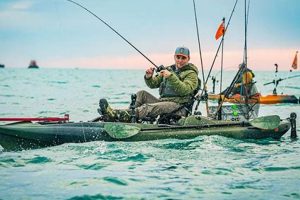
Small boat angling on Lake St. Clair offers a unique blend of accessibility and sporting challenge. This shallow freshwater lake, situated between Michigan and Ontario, provides ample opportunity to pursue a variety of fish species from a maneuverable, human-powered vessel. Anglers can access shallower areas and navigate tight spaces often inaccessible to larger motorized boats, increasing the chances of encountering species such as muskie, bass, walleye, and panfish.
This style of fishing offers a low-impact way to experience the natural beauty of the lake while enjoying a physically engaging activity. Historically, smaller watercraft have been used for fishing on the lake, reflecting a tradition of close interaction with the aquatic environment. The modern iteration maintains this connection while utilizing advancements in kayak design and fishing technology to enhance the angling experience. The relative quiet of paddling allows anglers to approach fish with minimal disturbance, leading to potentially higher success rates. Further, the affordability and ease of transport associated with kayaks open up this recreational activity to a wider audience.
The following sections will explore various facets of this popular activity, covering topics such as ideal locations, effective techniques, necessary equipment, and relevant regulations. The information provided aims to equip anglers with the knowledge needed for a successful and enjoyable experience on the water.
Tips for Kayak Fishing on Lake St. Clair
Successful angling on Lake St. Clair from a kayak requires preparation and strategic planning. The following tips can significantly enhance fishing success and overall experience.
Tip 1: Understand Weather Conditions: Consulting marine weather forecasts prior to embarking is crucial. Wind speed and direction significantly impact paddling effort and safety on the lake. Postponing trips during adverse conditions is recommended.
Tip 2: Utilize a Fish Finder: A fish finder provides valuable insights into underwater terrain and fish locations, maximizing angling efficiency in the expansive lake environment. Portable units designed for kayaks are readily available.
Tip 3: Choose Appropriate Tackle: Selecting lures and tackle that match target species and prevailing conditions is essential. Researching effective techniques for common Lake St. Clair species like muskie, bass, and walleye is beneficial.
Tip 4: Plan a Float Plan: Informing someone of intended fishing locations and estimated return times is a vital safety precaution. This allows for quicker response in case of emergencies.
Tip 5: Employ Proper Kayaking Techniques: Practicing efficient paddling strokes and maneuvering techniques conserves energy and allows for greater coverage of fishing areas. Learning self-rescue procedures is also recommended.
Tip 6: Respect Navigation Rules: Maintaining awareness of other vessels and adhering to established navigation rules ensures a safe environment for all lake users.
Tip 7: Practice Catch and Release: Conserving fish populations contributes to the long-term health of the lake’s ecosystem. Handling fish carefully and employing appropriate release techniques minimizes stress on captured fish.
By implementing these strategies, anglers can significantly improve their chances of a successful and enjoyable fishing experience while promoting responsible use of Lake St. Clair’s resources.
These tips provide a solid foundation for successful kayak fishing. The next section will offer resources for further exploration and planning.
1. Species Variety

The diverse fish population of Lake St. Clair is a significant draw for kayak anglers. This variety provides opportunities to target different species using various techniques, enhancing the overall angling experience. Understanding the prevalent species and their habitats is key to a successful fishing trip.
- Muskellunge (Muskie):
Lake St. Clair is renowned for its muskie population, attracting anglers seeking a challenging and rewarding pursuit. These apex predators inhabit weedy areas and shallow bays, making them accessible to kayak anglers. Targeting muskie often involves using larger lures and specialized equipment.
- Largemouth and Smallmouth Bass:
Both largemouth and smallmouth bass thrive in Lake St. Clair, offering exciting angling opportunities. These species inhabit diverse environments, from rocky shorelines to submerged structures. Kayak anglers can effectively target bass using a variety of lures and techniques.
- Walleye:
Walleye are a popular target species due to their sporting qualities and table fare. They are often found in deeper water or near drop-offs, requiring anglers to adapt their techniques accordingly. Kayak anglers can successfully target walleye using jigs, crankbaits, and live bait.
- Panfish:
Species such as bluegill, crappie, and perch provide ample opportunities for anglers of all skill levels. These fish inhabit various areas, including weed beds, shallow bays, and docks. Kayak anglers can readily target panfish using lighter tackle and smaller lures or bait.
The wide array of fish species in Lake St. Clair makes it an attractive destination for kayak anglers. By understanding the habitat preferences and feeding patterns of different species, anglers can increase their chances of success and enjoy a diverse fishing experience on the lake. This diversity also contributes to the lakes ecological balance and supports a thriving recreational fishery.
2. Shallow Water Access

Shallow water access represents a significant advantage for kayak anglers on Lake St. Clair. The lake’s extensive shallow flats, marshes, and tributaries create a rich environment teeming with fish species, often inaccessible to larger, motorized boats. Kayaks, with their shallow draft and maneuverability, allow anglers to exploit these productive areas effectively. This access opens up unique fishing opportunities and contributes significantly to the popularity of kayak fishing on the lake.
- Stealth Approach:
Kayaks enable a quiet and non-intrusive approach to shallow-water fish, minimizing disturbance and increasing the likelihood of successful hookups. The reduced noise and vibration compared to motorized boats allow anglers to get closer to fish without spooking them, particularly in clear, shallow water.
- Exploiting Prime Habitats:
Many fish species, including bass, pike, and panfish, prefer shallow, vegetated areas for feeding and spawning. Kayaks provide access to these prime habitats, allowing anglers to target fish in their preferred environment. Navigating through dense weed beds and shallow channels becomes possible, increasing the chances of encountering fish.
- Reaching Hidden Fishing Spots:
Lake St. Clair’s complex shoreline, dotted with small inlets, backwaters, and protected bays, offers numerous hidden fishing spots. Kayaks provide the maneuverability to explore these less-pressured areas, often holding high concentrations of fish. These areas might be inaccessible to larger boats due to depth limitations or navigational restrictions.
- Reduced Competition:
While boat traffic can be heavy in certain areas of Lake St. Clair, shallow-water zones are often less congested, offering kayak anglers a more secluded fishing experience. This reduced competition can translate into a more productive and relaxing outing.
The ability to access the shallow water regions of Lake St. Clair is a defining aspect of the kayak fishing experience. This advantage allows anglers to target a wider range of species, exploit productive fishing grounds, and enjoy a closer connection with the lake’s ecosystem. The quiet and maneuverable nature of kayaks makes them ideally suited for exploring these often-overlooked areas, further enhancing the appeal of this popular angling method.
3. Launch Locations
Strategic selection of launch locations is paramount for a successful kayak fishing excursion on Lake St. Clair. Convenient access to desired fishing areas, coupled with suitable launching facilities, significantly influences both efficiency and enjoyment. Careful consideration of available options ensures anglers can maximize their time on the water and target specific species effectively.
- Public Access Sites:
Numerous public access sites dot the shoreline of Lake St. Clair, providing convenient launch points for kayak anglers. These locations often feature amenities such as parking, restrooms, and designated launch areas. Examples include the Selfridge Boat Launch, the Harley Ensign Boat Launch, and the Brandenburg Park Marina. Utilizing these established sites ensures legal access and contributes to organized recreational use of the lake.
- Parks and Recreation Areas:
Many parks and recreation areas bordering Lake St. Clair offer kayak launch facilities, often in conjunction with other amenities like picnic areas and hiking trails. Lake St. Clair Metropark and St. Clair Shores Waterfront Park exemplify such locations. These sites offer a combined recreational experience, appealing to anglers seeking a more comprehensive outdoor outing.
- Private Marinas and Boat Clubs:
Some private marinas and boat clubs provide launch access for kayak anglers, either through membership or day-use fees. These facilities often offer additional services like kayak rentals and storage. While requiring potential fees, they can provide a more controlled and secure launching environment. Researching specific marina policies regarding kayak launching is advisable.
- Small, Unimproved Launch Sites:
Less developed access points, such as small beaches or roadside pull-offs, can offer a more secluded launching experience. However, these locations may lack amenities and require careful assessment of suitability for kayak launching. Respecting private property and ensuring legal access are crucial when utilizing these less formal launch areas.
Careful consideration of launch locations based on individual fishing goals, preferred amenities, and prevailing conditions contributes significantly to a positive kayak fishing experience on Lake St. Clair. Evaluating proximity to target fishing areas, parking availability, and the presence of launch fees allows for efficient planning and maximizes time spent angling. Selecting appropriate launch sites is integral to a productive and enjoyable outing on the lake.
4. Equipment Selection

Appropriate equipment selection significantly influences success and safety while kayak fishing on Lake St. Clair. Specific gear choices should reflect target species, fishing techniques, and prevailing conditions. Careful consideration of essential equipment contributes to a more productive and enjoyable experience on the water.
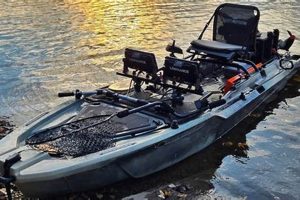
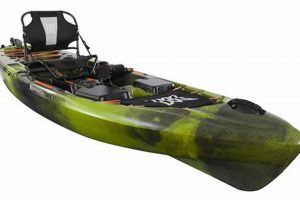
Kayak Selection: Kayak choice hinges on factors such as angler preference, fishing style, and storage capacity. Sit-on-top kayaks offer stability and ease of entry/exit, beneficial in the lake’s occasionally choppy conditions. Sit-inside kayaks provide greater protection from the elements and increased storage for gear. Pedal-driven kayaks allow hands-free fishing and enhanced maneuverability. Selecting a kayak with sufficient weight capacity ensures safe handling of gear and potential catches. A stable and appropriately sized kayak enhances angler safety and fishing efficiency.
Paddle Selection: Paddle length and blade shape impact paddling efficiency and comfort. Choosing a paddle appropriate for angler height and kayak width minimizes fatigue during long paddling sessions. Lightweight paddles reduce strain and enhance maneuverability. A comfortable and efficient paddle improves overall fishing experience and conserves energy for angling.
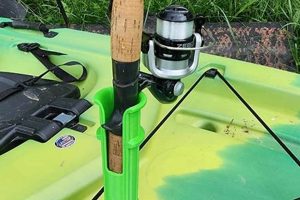
Rods and Reels: Rod and reel selection depends on target species and fishing techniques. Targeting larger species like muskie requires heavier rods and reels capable of handling strong runs. Bass fishing typically utilizes medium-weight spinning or baitcasting setups. Panfish anglers benefit from lighter, more sensitive rods and reels. Matching rod and reel combinations to target species optimizes fishing effectiveness.
Tackle and Lures: Lure selection should reflect target species and prevailing water conditions. Brightly colored lures attract aggressive species like bass in murky water. Natural-colored lures are often effective for walleye in clearer conditions. Live bait, such as minnows or worms, can entice a variety of species. Carrying a diverse selection of lures and tackle allows anglers to adapt to changing conditions and target various species. Effective tackle selection increases chances of successful hookups.
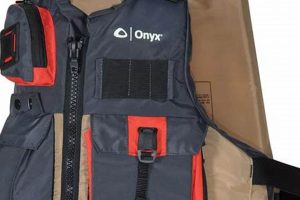
Safety Equipment: Prioritizing safety is paramount on Lake St. Clair. A personal flotation device (PFD) is essential and legally required in many jurisdictions. A whistle facilitates communication in emergencies. Carrying a first-aid kit addresses minor injuries. A waterproof bag protects essential items like phones and wallets. Prioritizing safety equipment ensures angler well-being and preparedness for unforeseen circumstances.
Appropriate equipment selection directly correlates with a successful and safe kayak fishing trip on Lake St. Clair. Understanding the function and importance of each piece of gear enhances angling efficiency and contributes to an enjoyable experience. Prioritizing safety equipment alongside fishing gear ensures a responsible and prepared approach to enjoying this popular recreational activity.
5. Safety Precautions
Safe practices are paramount for an enjoyable and incident-free kayak fishing experience on Lake St. Clair. The lake’s dynamic environment, characterized by changing weather patterns and vessel traffic, necessitates careful planning and adherence to safety guidelines. Understanding and implementing appropriate safety precautions significantly mitigates potential risks and ensures angler well-being.
- Weather Awareness:
Checking marine weather forecasts before embarking is crucial. Sudden changes in wind speed and direction can create challenging paddling conditions and increase the risk of capsizing. Strong winds can also push kayaks offshore quickly. Monitoring weather conditions throughout the fishing trip allows for timely adjustments to plans and ensures angler safety. Postponing trips during adverse weather conditions demonstrates responsible decision-making.
- Personal Flotation Devices (PFDs):
Wearing a properly fitted PFD is essential for all kayak anglers, regardless of swimming ability. PFDs provide buoyancy and increase survival chances in the event of capsizing or accidental immersion. Lake St. Clair’s cold water temperatures can quickly lead to hypothermia, further emphasizing the importance of PFDs. Selecting a comfortable and appropriately sized PFD ensures proper fit and encourages consistent use.
- Navigation and Visibility:
Maintaining awareness of other vessels and navigational markers is critical on Lake St. Clair. Kayaks’ lower profile can make them less visible to larger boats. Carrying a bright light or flag increases visibility, especially during low-light conditions or foggy weather. Understanding navigation rules and right-of-way procedures prevents collisions and ensures safe passage. A VHF radio allows for communication with other vessels and emergency services.
- Float Plan and Communication:
Informing someone onshore of the intended fishing location, planned route, and estimated return time establishes a crucial safety net. This float plan allows for prompt response in case of an emergency or overdue return. Carrying a waterproof cell phone or VHF radio enables communication in case of unexpected events or changes in plans. Regular communication with onshore contacts provides an added layer of safety and peace of mind.
Prioritizing safety precautions is fundamental to responsible kayak fishing on Lake St. Clair. Implementing these measures contributes significantly to angler well-being and allows for a more enjoyable and worry-free experience. By understanding and mitigating potential risks, anglers can fully appreciate the lake’s recreational opportunities while ensuring their safety and the safety of others.
6. Regulation Adherence
Adherence to fishing regulations is essential for the sustainable management of Lake St. Clair’s fishery and the preservation of its ecosystem. Regulations established by governing bodies, such as the Michigan Department of Natural Resources and the Ontario Ministry of Natural Resources and Forestry, aim to protect fish populations, maintain biodiversity, and ensure equitable access to resources. These regulations encompass aspects such as catch limits, size restrictions, season closures, and permitted fishing methods. Compliance with these rules directly contributes to the long-term health of the lake’s fish populations and the overall quality of the angling experience.
Ignoring regulations can lead to several negative consequences. Overfishing can deplete fish stocks, impacting the balance of the ecosystem and potentially leading to reduced angling opportunities in the future. Disregarding size restrictions can disrupt breeding cycles and hinder the natural replenishment of fish populations. Using prohibited fishing methods can unfairly target vulnerable species or damage habitats. Non-compliance can result in fines, license revocation, and legal action, impacting individual anglers and the broader fishing community. For example, exceeding catch limits for walleye during the spawning season can negatively impact future walleye populations, reducing the overall sustainability of the fishery. Similarly, using illegal fishing gear, such as gill nets, can indiscriminately catch and kill a wide range of species, disrupting the delicate balance of the lake’s ecosystem.
Understanding and adhering to fishing regulations are crucial for all anglers, including those fishing from kayaks. Resources such as the Michigan Fishing Guide and the Ontario Fishing Regulations Summary provide detailed information on specific regulations applicable to Lake St. Clair. Consulting these resources before each fishing trip ensures anglers remain informed of current rules and contribute to the responsible management of the lakes resources. Regulation adherence ensures the sustainability of the fishery, protects the environment, and preserves the enjoyment of kayak fishing on Lake St. Clair for future generations. It reflects a commitment to ethical angling practices and fosters a sense of stewardship among those who utilize this valuable natural resource.
Frequently Asked Questions about Kayak Fishing on Lake St. Clair
This section addresses common inquiries regarding kayak fishing on Lake St. Clair, providing concise and informative responses to assist anglers in planning successful and enjoyable outings.
Question 1: What are the most common fish species targeted by kayak anglers on Lake St. Clair?
Common targets include muskellunge, largemouth bass, smallmouth bass, walleye, and various panfish species. The lake’s diverse fish population offers angling opportunities for a wide range of preferences and skill levels.
Question 2: Are there specific areas of Lake St. Clair better suited for kayak fishing?
The shallow flats, marshes, and protected bays of Lake St. Clair offer excellent kayak fishing opportunities. These areas provide access to productive fishing grounds often inaccessible to larger boats, allowing anglers to exploit prime habitats for various species.
Question 3: What safety precautions should be taken when kayak fishing on Lake St. Clair?
Essential safety measures include wearing a personal flotation device (PFD), checking weather forecasts before embarking, informing someone of fishing plans, and carrying a communication device. Understanding and adhering to boating regulations further enhances safety on the water.
Question 4: What type of kayak is best suited for fishing on Lake St. Clair?
Kayak selection depends on individual preferences and fishing styles. Sit-on-top kayaks provide stability and ease of access, while sit-inside kayaks offer greater protection from the elements. Pedal-driven kayaks allow hands-free fishing and enhanced maneuverability. Stability and sufficient weight capacity are key considerations.
Question 5: Are there any specific fishing regulations anglers should be aware of on Lake St. Clair?
Anglers must adhere to regulations set by the relevant governing bodies, including catch limits, size restrictions, and season closures. Consulting official resources, such as the Michigan Fishing Guide and the Ontario Fishing Regulations Summary, ensures compliance and responsible resource management.
Question 6: What essential equipment is recommended for kayak fishing on Lake St. Clair?
Essential gear includes a properly fitted PFD, a suitable paddle, appropriate rods and reels for target species, a variety of lures and tackle, and safety items such as a whistle, first-aid kit, and communication device. A fish finder and appropriate anchoring system can also enhance fishing success.
Understanding these frequently asked questions enhances angler preparedness and contributes to a safer and more productive experience on Lake St. Clair. Careful planning and adherence to safety guidelines allow anglers to fully enjoy the diverse fishing opportunities this unique environment offers.
Further exploration of specific fishing techniques and recommended locations can provide additional insights for planning a successful kayak fishing trip on Lake St. Clair.
Conclusion
Lake St. Clair offers a compelling destination for kayak anglers. Its diverse fish populations, accessible shallows, and numerous launch points create a unique angling environment. Understanding appropriate equipment selection, adhering to safety regulations, and respecting environmental considerations ensures a rewarding and sustainable experience. From targeting trophy muskie to pursuing panfish in tranquil bays, the lake caters to a variety of angling preferences. Effective planning, coupled with an appreciation for the lake’s dynamic ecosystem, contributes significantly to successful outings.
The future of kayak fishing on Lake St. Clair relies on continued conservation efforts and responsible angling practices. Respecting catch limits, employing proper fish handling techniques, and minimizing environmental impact contribute to the long-term health of the fishery and ensure its enjoyment for generations to come. Lake St. Clair represents a valuable natural resource, offering both recreational opportunities and ecological significance. Its preservation depends on the collective stewardship of all who utilize its waters.