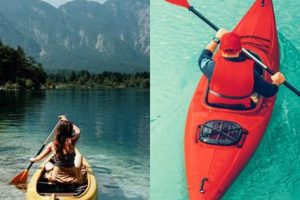
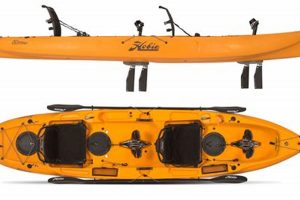
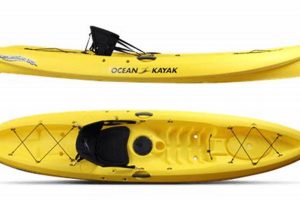
This activity involves angling from a small, human-powered vessel in the Pacific Ocean waters off the shoreline of the Golden State. It offers a unique and intimate way to experience the marine environment while pursuing various fish species. Imagine paddling along kelp forests, rocky reefs, or sandy beaches, casting a line into the rich waters. This method allows for access to shallower areas and secluded coves often unreachable by larger boats, potentially leading to rewarding catches.
The combination of accessible launch points, diverse target species, and stunning natural beauty makes this pursuit a popular recreational activity. Historically, indigenous peoples of the region utilized small watercraft for fishing and transportation. The modern iteration, employing specialized kayaks and contemporary fishing gear, provides a connection to this historical practice while offering a sustainable and environmentally conscious way to enjoy the coastal ecosystem. This approach also promotes physical activity and offers a unique perspective on California’s natural splendor.
The following sections will delve into essential aspects of this pursuit, including recommended equipment, popular fishing locations, target species, safety considerations, and licensing requirements. Readers will gain a comprehensive understanding of how to safely and successfully experience this exciting and rewarding outdoor activity.
Tips for Coastal Kayak Angling in California
Preparation and awareness are crucial for a safe and successful experience. The following tips offer valuable guidance for anglers.
Tip 1: Check Weather and Ocean Conditions: Prior to embarking on any trip, consult marine forecasts for wind speed, wave height, and tides. Avoid venturing out in hazardous conditions.
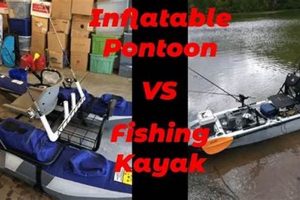
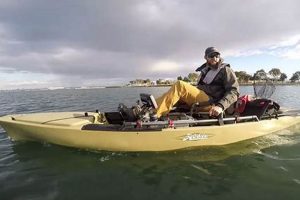
Tip 2: Choose the Right Kayak: Select a kayak designed for stability and suitable for fishing. Consider features like rod holders, storage compartments, and comfortable seating. Sit-on-top kayaks are generally preferred for their stability and self-bailing capabilities.
Tip 3: Wear a Personal Flotation Device (PFD): A PFD is essential safety equipment and should be worn at all times while on the water.
Tip 4: File a Float Plan: Inform someone on shore of your intended route, launch time, and estimated return. This ensures someone is aware of your plans in case of an emergency.
Tip 5: Pack Essential Gear: Carry necessary safety equipment, including a whistle, signaling device, first-aid kit, and a communication device (e.g., VHF radio or waterproof cell phone). Also, pack appropriate fishing gear, sunscreen, and hydration.
Tip 6: Understand Local Regulations: Familiarize oneself with fishing license requirements, size and catch limits, and any area-specific regulations before fishing.
Tip 7: Practice Kayak Handling Skills: Develop proficiency in paddling, maneuvering, and recovering from a capsize in calm waters before venturing into more challenging conditions.
Tip 8: Respect the Environment: Practice Leave No Trace principles. Pack out all trash, avoid disturbing wildlife, and be mindful of sensitive habitats.
By adhering to these guidelines, anglers can enhance their safety, improve their chances of a successful catch, and contribute to the preservation of California’s coastal environment.
With a solid understanding of these essential tips, anglers can confidently plan and execute their next coastal fishing adventure.
1. Legalities (licenses, regulations)

Adhering to legal requirements is essential for responsible and sustainable kayak fishing along the California coast. Regulations exist to protect fish populations, maintain ecosystem health, and ensure the safety of anglers and the environment. Understanding and complying with these rules is paramount for anyone engaging in this activity.
- Fishing Licenses:
A valid California fishing license is mandatory for anyone 16 years of age or older. Different license types exist, including annual, one-day, and two-day licenses. Anglers must possess the appropriate license before casting a line from a kayak. Licenses can be obtained online, from licensed retailers, or from California Department of Fish and Wildlife offices.
- Size and Catch Limits:
Regulations dictate the minimum and maximum sizes of fish that can be legally kept, as well as the daily bag limit for each species. These limits vary depending on the species and location. Anglers must familiarize themselves with these regulations and carry a measuring device to ensure compliance. Information on current size and catch limits is available on the California Department of Fish and Wildlife website and in official publications.
- Protected Species:
Certain fish species are protected and cannot be legally taken. Anglers must be able to identify these protected species and avoid targeting them. Accidental catches should be released immediately and unharmed. Resources such as illustrated guides and online databases can assist in proper species identification.
- Marine Protected Areas (MPAs):
Specific zones along the California coast are designated as MPAs, where fishing may be restricted or prohibited entirely. These areas are designed to conserve marine biodiversity and enhance ecosystem health. Anglers must be aware of MPA boundaries and adhere to the specific regulations in place for each area. Maps and information regarding MPAs are available from the California Department of Fish and Wildlife.
By understanding and respecting these legal frameworks, anglers contribute to the long-term health of California’s coastal fisheries and ensure the sustainability of this popular recreational activity. Ignoring regulations can lead to fines, confiscation of equipment, and even suspension of fishing privileges. Responsible angling practices benefit both the environment and the future of kayak fishing along the California coast.
2. Safety Equipment (PFDs, Signaling)

The coastal waters of California present unique challenges and hazards for kayak anglers. Cold water temperatures, unpredictable currents, and changing weather conditions necessitate a serious approach to safety. Personal Flotation Devices (PFDs) and signaling devices play a crucial role in mitigating risks and ensuring angler well-being. A PFD provides essential buoyancy in the event of a capsize, increasing the chances of survival, especially in cold water. Signaling devices, such as whistles, flares, and VHF radios, enable communication with other boaters or emergency services should assistance be required. Consider a scenario where an angler encounters unexpected strong currents and capsizes. A PFD will keep the angler afloat, while a signaling device can alert nearby vessels or coastal authorities, facilitating a swift rescue. These tools become indispensable in such situations, bridging the gap between a potentially life-threatening incident and a safe return to shore.
The importance of carrying appropriate safety equipment goes beyond mere compliance with regulations. It reflects a responsible approach to personal safety and a respect for the inherent risks of the marine environment. Choosing a suitable PFD involves considering factors such as fit, comfort, and intended use. Regularly inspecting and maintaining safety equipment ensures proper functionality when needed most. Signaling devices should be readily accessible and anglers should be familiar with their operation. Knowledge of distress signals and communication protocols is also critical. Practical preparation, combined with a thorough understanding of potential hazards, contributes significantly to a safer and more enjoyable kayak fishing experience.
Careful selection and consistent use of safety equipment are non-negotiable aspects of responsible kayak angling along the California coast. The potential consequences of neglecting these precautions can be severe. Investing in quality safety gear and acquiring the necessary knowledge to utilize it effectively demonstrates a commitment to personal well-being and a respect for the power of the ocean. This preparedness empowers anglers to enjoy their pursuit safely and confidently, minimizing risks and maximizing the chances of a positive experience.
3. Kayak Selection (Stability, Features)
Kayak selection significantly impacts the success and safety of fishing expeditions along the California coast. The dynamic coastal environment, characterized by varying wave conditions, currents, and kelp forests, necessitates careful consideration of kayak stability and specialized features. A stable platform is crucial for casting lines, reeling in fish, and navigating potentially challenging waters. Specialized features, such as rod holders, tackle storage, and anchor trolleys, enhance fishing efficiency and overall enjoyment. Choosing a kayak tailored to these specific needs elevates the experience from a basic outing to a productive and comfortable angling adventure.
Consider the difference between fishing from a wide, stable sit-on-top kayak designed for ocean use versus a narrow, recreational sit-inside kayak. The sit-on-top provides a secure platform for standing and casting, even in moderate chop, and offers ample storage for fishing gear. Its self-bailing design sheds water effectively, maintaining stability. Conversely, the sit-inside kayak, while potentially faster, lacks the stability required for comfortable angling in coastal conditions. Its enclosed design also limits storage space and presents challenges for re-entry after a capsize, a critical safety consideration in cold coastal waters. This illustrates the direct link between kayak selection and a successful fishing outcome.
Prioritizing stability and specialized features during kayak selection significantly enhances the California coast fishing experience. A stable kayak enables anglers to focus on fishing rather than constantly managing balance. Features such as integrated rod holders streamline the process of casting and retrieving lines, while dedicated storage compartments keep tackle organized and accessible. An anchor trolley system allows for precise positioning in current or wind, maximizing fishing opportunities. These seemingly small details contribute significantly to overall efficiency, comfort, and ultimately, angling success. Investing time and consideration in choosing the right kayak translates directly to a more rewarding and safer experience on the water.
4. Location planning (access, species)
Strategic location planning is paramount for a successful kayak fishing experience along the California coast. Considering launch site accessibility, target species distribution, and prevailing environmental conditions significantly influences both catch rates and overall enjoyment. Thoughtful planning transforms a casual outing into a targeted pursuit, maximizing the chances of encountering desired fish populations while ensuring a safe and efficient experience.
- Launch Site Accessibility
California’s coastline offers diverse launch sites, ranging from sandy beaches to protected harbors. Evaluating launch site accessibility involves considering factors such as parking availability, fees, tides, surf conditions, and potential hazards like rocks or reefs. Launching from a protected harbor during high tide might be ideal for calm-water species, while a beach launch during lower tides might offer access to nearshore reefs teeming with different fish. Careful assessment ensures a smooth and safe entry and exit, minimizing potential risks and maximizing fishing time.
- Target Species Distribution
Different fish species inhabit specific coastal habitats. Researching target species distribution is crucial for effective location planning. Rockfish, for instance, congregate around rocky reefs and kelp forests, while halibut prefer sandy bottoms. Matching the chosen location to the preferred habitat of the target species significantly increases the likelihood of a successful catch. Resources such as online fishing forums, local bait shops, and tide charts can provide valuable insights into species distribution patterns.
- Prevailing Environmental Conditions
Wind, tides, currents, and water temperature all influence fish behavior and impact kayak maneuverability. Strong winds and currents can create challenging paddling conditions, especially for less experienced kayakers. Understanding tide charts helps anglers predict optimal fishing windows and avoid areas that become inaccessible during low tide. Consulting weather forecasts and marine advisories allows for informed decision-making, enhancing safety and maximizing fishing opportunities.
- Regulations and Restrictions
Certain areas along the California coast are designated as Marine Protected Areas (MPAs) or have specific fishing restrictions. Understanding these regulations is crucial for responsible angling. Researching local regulations, including size and catch limits, and respecting restricted areas ensures compliance and contributes to the long-term health of the coastal ecosystem. Resources such as the California Department of Fish and Wildlife website provide detailed information on MPAs and fishing regulations.
By integrating these facets of location planning, kayak anglers can significantly enhance their chances of a successful and enjoyable fishing trip along the California coast. This meticulous approach minimizes wasted time and effort, increases the likelihood of encountering target species, and promotes a safer and more rewarding experience within the dynamic coastal environment. The interplay of these elements ultimately dictates the success of a well-planned kayak fishing expedition.
5. Environmental awareness (tides, currents)

A deep understanding of environmental factors, particularly tides and currents, is crucial for safe and successful kayak fishing along the California coast. These dynamic forces shape the coastal environment, influencing fish behavior, navigation, and overall safety. Ignoring these elements can lead to challenging paddling conditions, missed fishing opportunities, and potentially hazardous situations. A strong grasp of tidal fluctuations and current patterns allows anglers to predict optimal fishing windows, navigate efficiently, and minimize risks associated with the dynamic coastal environment. For instance, fishing during a falling tide near a river mouth can concentrate baitfish and attract larger predatory species, creating a prime fishing window. Conversely, paddling against a strong ebb current can be exhausting and potentially dangerous, highlighting the importance of timing excursions with favorable tidal flows.
The interplay of tides and currents creates complex and ever-shifting conditions along the California coast. Nearshore currents are influenced by tidal cycles, wind patterns, and bathymetry. Understanding these influences allows anglers to predict current direction and strength, which is essential for kayak control and positioning. For example, fishing near kelp forests requires an awareness of current patterns to avoid entanglement and maintain optimal fishing position. Similarly, understanding tidal currents is vital for navigating channels and inlets safely, especially during periods of significant tidal exchange. Ignoring these factors can lead to challenging paddling conditions, reduced fishing effectiveness, and potentially dangerous situations. Leveraging this knowledge, however, transforms the kayak angler from a passive observer to an active participant in the coastal ecosystem.
Ultimately, environmental awareness, specifically regarding tides and currents, forms an integral component of successful kayak fishing along the California coast. This knowledge empowers anglers to make informed decisions regarding launch timing, location selection, and navigation strategies. It minimizes potential risks, maximizes fishing opportunities, and enhances overall enjoyment. By respecting and understanding the dynamic forces of the coastal environment, anglers not only improve their chances of a successful catch but also contribute to a safer and more sustainable approach to this rewarding recreational activity.
Frequently Asked Questions
This section addresses common inquiries regarding kayak fishing along the California coast, providing concise and informative responses to facilitate a safe and rewarding experience.
Question 1: What type of kayak is best suited for coastal fishing in California?
Sit-on-top kayaks are generally recommended for their stability, self-bailing capabilities, and ease of re-entry after a capsize. Longer kayaks (12-14 feet) offer better tracking and speed in open water conditions.
Question 2: What essential safety equipment should be carried on a kayak fishing trip?
Essential safety equipment includes a properly fitted personal flotation device (PFD), a signaling device (whistle, air horn, or VHF radio), a first-aid kit, a waterproof cell phone or VHF radio for communication, and navigation lights if fishing during low-light conditions.
Question 3: Are there specific regulations regarding fishing licenses and catch limits?
A valid California fishing license is required for anglers 16 years of age or older. Specific size and catch limits exist for various species and are subject to change. Consult the California Department of Fish and Wildlife website for current regulations.
Question 4: What are the primary environmental factors to consider when planning a kayak fishing trip?
Tides, currents, wind, and swell are critical factors to consider. Understanding tidal flows and current patterns is essential for safe navigation and effective fishing. Checking weather forecasts and marine advisories before embarking on a trip is crucial.
Question 5: Where can reliable information regarding launch sites and fishing conditions be found?
Local bait and tackle shops, online fishing forums, and the California Department of Fish and Wildlife website offer valuable information on launch sites, fishing conditions, and species distribution.
Question 6: What are some recommended best practices for minimizing environmental impact while kayak fishing?
Adhering to Leave No Trace principles, packing out all trash, avoiding disturbing wildlife, and respecting sensitive habitats are crucial for minimizing environmental impact. Proper disposal of fishing line is essential to prevent entanglement of marine life.
Careful consideration of these frequently asked questions contributes significantly to a safer, more informed, and ultimately more rewarding kayak fishing experience along the California coast. Preparedness and responsible angling practices enhance both personal enjoyment and the sustainability of this popular recreational activity.
The subsequent section will delve into specific techniques and strategies for targeting popular game fish along the California coast.
Kayak Fishing California Coast
This exploration of kayak fishing along the California coast has highlighted the multifaceted nature of this pursuit. From the essential elements of safety and equipment selection to the intricacies of location planning and environmental awareness, successful coastal kayak angling requires careful consideration and preparation. Understanding legal frameworks, respecting fragile ecosystems, and prioritizing safety contribute not only to a more rewarding personal experience but also to the long-term sustainability of this popular recreational activity. The dynamic interplay of environmental factors, such as tides and currents, underscores the need for informed decision-making and adaptability. Furthermore, the selection of appropriate kayak features and specialized equipment directly influences fishing effectiveness and overall comfort on the water.
The California coast offers exceptional opportunities for kayak anglers. However, responsible engagement requires a commitment to continuous learning and adaptation. Staying informed about evolving regulations, refining fishing techniques, and deepening one’s understanding of the coastal environment are essential for maximizing success and minimizing impact. Ultimately, responsible stewardship and a commitment to safety ensure the preservation of this unique and rewarding pursuit for future generations. Embracing these principles fosters a deeper appreciation for the intricate balance of the coastal ecosystem and ensures the continued enjoyment of kayak fishing along California’s magnificent coastline.