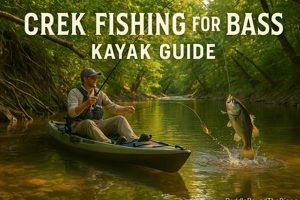
An individual dedicated to angling from a kayak throughout their life embodies a unique blend of passion, skill, and connection with nature. This pursuit often signifies a deep understanding of aquatic ecosystems, honed fishing techniques tailored to the kayak platform, and a commitment to conservation. For example, such an angler might specialize in targeting specific species from their kayak, mastering techniques like drift fishing in rivers or trolling in open water.
This enduring dedication fosters a rich body of knowledge, often passed down through generations or shared within communities. These anglers contribute significantly to conservation efforts, advocating for responsible fishing practices and habitat preservation. Their intimate knowledge of waterways provides invaluable insights into environmental changes and the health of fish populations. Historically, kayaks have played a crucial role in fishing cultures worldwide, and the modern sport maintains this tradition, adapting with new technologies and angling approaches while preserving the core values of respect for nature and the thrill of the catch.
The following sections will delve into essential aspects of this lifestyle, exploring the specialized equipment, techniques, and conservation principles that define this dedicated pursuit.
Tips from Seasoned Kayak Anglers
Decades of experience on the water yield invaluable insights for maximizing success and safety while kayak fishing. These tips represent accumulated wisdom, offering guidance for anglers of all skill levels.
Tip 1: Stability is Paramount: Prioritize kayak stability, especially when fishing in moving water or challenging conditions. Consider wider, flatter-hulled kayaks for enhanced balance. Practice re-entry techniques in a controlled environment before venturing into open water.
Tip 2: Master Paddle Strokes: Efficient paddling conserves energy and allows for precise boat control. Learn various strokes for maneuvering in currents, wind, and around obstacles. A silent approach is often crucial for success.
Tip 3: Streamline Gear Organization: Optimize tackle storage for easy access and minimize clutter. Utilize specialized kayak crates and mounting systems to secure essential equipment within reach. Prioritize lightweight gear to maintain balance and maneuverability.
Tip 4: Respect the Environment: Practice catch-and-release whenever possible and adhere to local fishing regulations. Minimize environmental impact by packing out all trash and avoiding sensitive habitats. Responsible angling ensures the preservation of these valuable resources.
Tip 5: Prioritize Safety: Always wear a personal flotation device (PFD). Inform someone of your fishing plans, including location and estimated return time. Carry a communication device and be prepared for changing weather conditions. Safety should always be the foremost consideration.
Tip 6: Understand Water Conditions: Study current patterns, tides, and weather forecasts before embarking on a fishing trip. Awareness of potential hazards like submerged obstacles or rapidly changing weather is essential for a safe and successful experience.
Tip 7: Refine Knot-Tying Skills: Mastery of essential fishing knots is critical for securing lines, lures, and hooks effectively. Practice these knots regularly to ensure reliability in demanding situations.
By integrating these principles, anglers can enhance their skills, improve their catch rates, and foster a deeper appreciation for the sport. These practices contribute to a lifetime of rewarding experiences on the water.
The following section will offer concluding thoughts on the profound connection between anglers and the aquatic environment.
1. Dedicated Angler

The “dedicated angler” forms the foundation of the “lifetime kayak sport fisher.” Dedication signifies consistent effort, persistent learning, and a deep passion for the sport. This dedication drives the individual to refine techniques, expand knowledge of fish behavior and habitats, and continually adapt to changing conditions. A dedicated angler invests time not just in fishing, but in understanding the intricacies of the aquatic environment. For instance, they might meticulously study weather patterns, water currents, and seasonal variations in fish activity to maximize their success. This deep engagement differentiates them from casual fishers and sets the stage for a lifelong pursuit.
This dedication translates directly into the skills and knowledge crucial for kayak fishing success. The physical demands of paddling, combined with the technical challenges of fishing from a small, mobile platform, necessitate consistent practice and adaptation. A dedicated angler embraces these challenges, viewing them as opportunities to refine their abilities. For example, mastering the art of casting accurately from a kayak, while maintaining balance and navigating currents, requires dedicated practice and a commitment to continuous improvement. This commitment is essential for transforming a novice into a proficient kayak angler.
Ultimately, the dedication of the angler fuels the long-term engagement that defines the “lifetime kayak sport fisher.” This sustained passion translates into a deep understanding of the aquatic environment and a commitment to conservation. Challenges such as unpredictable weather, equipment malfunctions, or slow fishing days become opportunities for growth and learning, further solidifying the dedication and fostering a lifelong connection with the sport. The dedicated angler, therefore, represents the core principle upon which the identity of the “lifetime kayak sport fisher” is built.
2. Kayak Expertise

Kayak expertise is integral to the identity of a lifetime kayak sport fisher. It represents not merely proficiency in paddling, but a deep understanding of how to maneuver and control a kayak in diverse aquatic environments, optimizing its use as a fishing platform. This specialized skill set distinguishes the experienced kayak angler from a novice and contributes significantly to long-term success and enjoyment of the sport.
- Boat Control:
Boat control encompasses precise maneuvering in various conditions, including currents, wind, and confined spaces. A skilled kayak angler can hold position in a current, quietly approach fish-holding areas, and navigate through complex waterways with ease. This level of control maximizes fishing opportunities and enhances safety. For example, effectively utilizing eddy currents and back eddies allows for precise presentations of lures and baits, increasing the likelihood of a successful hookup. Mastery of boat control is fundamental to efficient and effective kayak fishing.
- Stability and Balance:
Maintaining stability and balance is crucial, especially when casting, reeling, and landing fish from a kayak. An experienced angler understands the kayak’s center of gravity and adjusts body position accordingly. This inherent understanding becomes particularly important when dealing with larger fish or challenging weather conditions. Practicing self-rescue techniques and understanding the limits of stability contribute to a safe and confident approach. For example, knowing how to brace with a paddle prevents capsizing in rough water or when fighting a strong fish. These skills develop over time and are essential for confident and safe kayak fishing.
- Efficient Paddling Techniques:
Efficient paddling conserves energy and allows for covering greater distances. A lifetime kayak sport fisher employs various paddle strokes to navigate efficiently, minimize disturbance to the water, and approach fish stealthily. Understanding how wind and currents affect kayak movement is crucial for planning effective fishing strategies. For instance, using a modified forward stroke minimizes splashing and noise, allowing for a closer approach to wary fish. Efficient paddling techniques are essential for maximizing fishing time and exploring diverse locations.
- Kayak Selection and Outfittings:
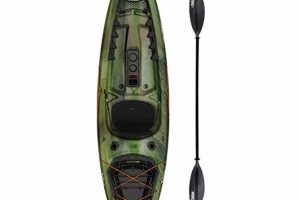
Choosing the right kayak and outfitting it for fishing demonstrates a deep understanding of the sport’s specific demands. A lifetime kayak sport fisher selects a kayak based on factors like stability, maneuverability, storage capacity, and the intended fishing environment. Customizing the kayak with rod holders, fish finders, and other accessories enhances efficiency and comfort. For example, selecting a sit-on-top kayak with ample storage for tackle and gear is a practical choice for longer fishing trips. Understanding the nuances of kayak selection and outfitting is a hallmark of an experienced angler.
These facets of kayak expertise contribute significantly to the overall experience and success of a lifetime kayak sport fisher. They represent a deep understanding of the interplay between angler, kayak, and the aquatic environment. This expertise is not simply a collection of skills, but an integrated approach that evolves over years of dedicated practice and a passion for the sport. It allows for efficient navigation, effective fishing techniques, and a heightened connection with nature, ultimately enhancing the enjoyment and longevity of this rewarding pursuit.
3. Sport Fishing Focus

The “sport fishing focus” distinguishes the lifetime kayak sport fisher from a casual angler or recreational kayaker. It represents a commitment to the pursuit of fish as a sporting challenge, emphasizing skill, ethical practices, and a deep understanding of fish behavior and aquatic ecosystems. This focus shapes equipment choices, fishing techniques, and the overall approach to the sport.
- Target Species Expertise:
A sport fishing focus often involves specializing in targeting specific species. This specialization leads to in-depth knowledge of the target species’ habits, preferred habitats, and effective fishing techniques. For example, an angler focused on bass fishing might develop expertise in using specific lures, reading underwater structures, and understanding seasonal bass behavior. This targeted approach enhances the angler’s success and deepens their connection with the aquatic environment.
- Technique Refinement:
Sport fishing emphasizes continuous refinement of techniques, including casting accuracy, lure presentation, and fighting fish effectively from a kayak. A lifetime kayak sport fisher dedicated to sport fishing constantly seeks to improve their skills, adapting to changing conditions and learning new methods. For instance, they might practice different casting techniques to improve accuracy in windy conditions or learn how to use specific retrieves to entice different species. This dedication to technique elevates the sport beyond simply catching fish to a pursuit of mastery.
- Ethical Considerations and Conservation:
A strong ethical framework underpins the sport fishing focus. This includes adherence to catch-and-release practices, respect for size and bag limits, and a commitment to minimizing environmental impact. For example, a sport fisher might choose to use barbless hooks to minimize injury to released fish or actively participate in habitat restoration projects. This ethical approach reflects a deep respect for the resource and ensures its sustainability for future generations.
- Equipment Selection and Adaptation:
The sport fishing focus influences equipment choices, from rod and reel combinations to specialized lures and electronics. A lifetime kayak sport fisher invests in quality gear suited to their target species and fishing style, constantly adapting their equipment to improve effectiveness and efficiency. For example, they might choose a lighter rod and reel for finesse fishing or invest in a high-quality fish finder to locate fish-holding structures. This thoughtful approach to equipment reflects a commitment to maximizing the sport fishing experience.
These facets of the sport fishing focus contribute significantly to the identity of the lifetime kayak sport fisher. They represent a dedication to the pursuit of fish as a worthy adversary, emphasizing skill, ethical practices, and a deep appreciation for the aquatic environment. This focus shapes not only the angler’s approach to fishing but also their connection with nature and their lifelong commitment to the sport.
4. Lifelong Pursuit

The “lifelong pursuit” aspect of a lifetime kayak sport fisher signifies more than just a hobby; it represents a deep-seated passion that shapes an individual’s lifestyle and values. This enduring commitment fosters a unique relationship with nature, driving continuous learning, adaptation, and a profound appreciation for the aquatic environment. The lifelong pursuit of kayak sport fishing becomes interwoven with personal growth, providing not only recreation but also a source of fulfillment and connection to the natural world. Consider the angler who spends decades exploring a local river system from their kayak, intimately learning its nuances, seasonal changes, and the behavior of its fish populations. This accumulated knowledge transforms fishing from a simple pastime into a profound understanding of the interconnectedness of the ecosystem. The lifelong pursuit fosters this deep connection, driving a commitment to conservation and responsible angling practices.
The dedication inherent in a lifelong pursuit translates into a wealth of experience and refined skills. Years spent on the water honing techniques, adapting to changing conditions, and learning from successes and failures create a highly skilled angler. For example, an angler who dedicates their life to kayak fishing might develop an intuitive understanding of fish behavior, mastering the art of lure presentation and reading subtle environmental cues to consistently locate and catch fish. This mastery is not achieved overnight; it is the product of dedicated practice and continuous learning over many years. The challenges encountered along the way become valuable lessons, contributing to the angler’s growth and expertise. This continuous learning process is a defining characteristic of the lifelong pursuit.
The lifelong pursuit of kayak sport fishing offers not only a connection with nature but also a pathway to personal growth. The challenges inherent in the sport, from mastering complex techniques to navigating unpredictable weather conditions, build resilience and adaptability. The quiet solitude of being on the water provides opportunities for reflection and self-discovery. Overcoming these challenges fosters a sense of accomplishment and deepens the angler’s connection to the sport. The practical significance of understanding this lifelong pursuit lies in recognizing its transformative power. It is not merely about catching fish; it is about embracing a journey of continuous learning, personal growth, and a deepening relationship with the natural world. This understanding underscores the profound impact that kayak sport fishing can have on an individual’s life, shaping their values, enriching their experiences, and fostering a lifelong connection to the aquatic environment.
5. Conservation Ethic

A strong conservation ethic is a defining characteristic of the lifetime kayak sport fisher. This ethic represents a deep understanding of the interconnectedness of aquatic ecosystems and a commitment to protecting these valuable resources for future generations. It goes beyond simply adhering to regulations; it embodies a proactive approach to minimizing environmental impact and promoting responsible angling practices. This commitment stems from a deep appreciation for the natural world and a recognition of the angler’s role as a steward of these fragile environments. The following facets illuminate the key components of this conservation ethic.
- Catch-and-Release Practices:
Catch-and-release is a cornerstone of the conservation ethic. It involves handling fish with care, minimizing stress and injury, and quickly returning them to the water to ensure their survival. This practice helps maintain healthy fish populations and preserves the quality of the fishing experience for future anglers. For example, using barbless hooks reduces tissue damage, while wet hands and avoiding contact with gills minimize handling stress. These seemingly small actions demonstrate a deep respect for the fish and the ecosystem they inhabit.
- Habitat Preservation and Restoration:
Lifetime kayak sport fishers recognize the importance of healthy habitats for thriving fish populations. They actively participate in habitat preservation and restoration efforts, such as shoreline cleanups, riparian planting projects, and advocating for responsible land management practices. For instance, removing debris and invasive vegetation from shorelines improves water quality and provides crucial habitat for fish and other aquatic organisms. These actions demonstrate a commitment to preserving the long-term health of the aquatic environment.
- Responsible Waste Management:
Minimizing pollution and leaving no trace are integral aspects of the conservation ethic. Lifetime kayak sport fishers diligently pack out all trash and fishing line, ensuring that their presence leaves no negative impact on the environment. Properly disposing of used fishing line is particularly important, as it can entangle wildlife and pollute waterways. This commitment to responsible waste management reflects a deep respect for the natural beauty of the environment and a desire to preserve it for future generations.
- Advocacy and Education:
Sharing knowledge and advocating for responsible fishing practices are essential components of the conservation ethic. Lifetime kayak sport fishers often educate others about the importance of conservation, promoting ethical angling techniques, and supporting organizations dedicated to protecting aquatic ecosystems. For example, mentoring new anglers on proper catch-and-release techniques or participating in educational outreach programs helps spread awareness and fosters a broader conservation ethic within the angling community. This commitment to advocacy and education plays a vital role in ensuring the long-term health of our waterways.
These interconnected facets of the conservation ethic demonstrate the deep respect and responsibility that lifetime kayak sport fishers feel towards the aquatic environment. This ethic is not merely a set of rules but a fundamental value that shapes their actions and guides their lifelong pursuit. By embracing these principles, they contribute to the preservation of healthy fish populations and the long-term sustainability of the sport they cherish. Their actions serve as a powerful example of how a deep connection with nature can inspire positive change and ensure the enjoyment of our natural resources for generations to come.
6. Skillful Adaptation

Skillful adaptation is paramount for the lifetime kayak sport fisher. The dynamic nature of aquatic environments demands constant adjustment and refinement of techniques, equipment, and strategies. Factors such as weather patterns, water conditions, seasonal changes in fish behavior, and the specific challenges of fishing from a kayak necessitate a flexible and adaptable approach. This adaptability distinguishes the experienced angler, enabling them to consistently find success and enjoyment on the water regardless of the circumstances. Consider an angler encountering shifting winds while fishing a large lake. Skillful adaptation might involve adjusting kayak position, employing different casting techniques, or switching to heavier lures to maintain control and presentation in the changing conditions. This ability to respond effectively to unforeseen circumstances is a hallmark of a skilled kayak angler.
The importance of skillful adaptation as a component of the lifetime kayak sport fisher extends beyond simply reacting to immediate challenges. It encompasses a proactive approach to learning and improvement. Experienced anglers continually seek new knowledge, experiment with different techniques, and refine their understanding of fish behavior and aquatic ecosystems. This proactive adaptation allows them to anticipate challenges, maximize opportunities, and consistently improve their skills over time. For example, an angler might study local weather patterns and water currents before heading out, allowing them to preemptively select appropriate fishing locations and techniques. This proactive approach maximizes fishing time and increases the likelihood of success. Furthermore, adapting to the limitations and advantages of fishing from a kayak itself represents a significant aspect of skillful adaptation. Learning to cast effectively from a seated position, managing gear efficiently in a confined space, and maintaining balance while fighting a fish all require specialized techniques and adjustments. The ability to integrate these considerations seamlessly into the overall fishing approach distinguishes the truly skilled kayak angler.
Understanding the practical significance of skillful adaptation is crucial for aspiring and experienced kayak anglers alike. It underscores the importance of continuous learning, adaptability, and a willingness to embrace challenges as opportunities for growth. By cultivating these qualities, anglers can transform potential setbacks into valuable learning experiences, enhancing their skills, deepening their connection with the aquatic environment, and ensuring a lifetime of rewarding experiences on the water. This adaptability also contributes to the angler’s resilience in the face of challenges, allowing them to maintain enjoyment and enthusiasm for the sport even when conditions are less than ideal. Ultimately, skillful adaptation is not merely a set of techniques but a mindset that embraces change and fosters continuous growth, ensuring the lifetime kayak sport fisher remains engaged and successful in their lifelong pursuit.
Frequently Asked Questions
Addressing common inquiries regarding the pursuit of kayak sport fishing provides valuable insights for both aspiring and experienced anglers. These responses offer practical guidance and clarify potential misconceptions.
Question 1: What are the essential safety precautions for kayak fishing?
Prioritizing safety is paramount. Always wear a personal flotation device (PFD). Inform someone of fishing plans, including location and estimated return time. Check weather forecasts before embarking and be prepared for changing conditions. Carry a communication device and essential safety gear, such as a whistle, first-aid kit, and signaling mirror. Understanding self-rescue techniques is also highly recommended.
Question 2: How does one choose the right kayak for fishing?
Kayak selection depends on individual needs and fishing style. Consider factors such as stability, maneuverability, storage capacity, and the intended fishing environment. Sit-on-top kayaks offer inherent stability and ease of re-entry, while sit-inside kayaks provide better protection from the elements. Evaluate hull design, length, and width based on fishing location (calm lakes, rivers, or open ocean).
Question 3: What essential gear is required for kayak fishing?
Essential gear includes a properly fitted PFD, paddle, appropriate fishing rods and reels, tackle suited to target species, a landing net, and a tackle box or storage system. Additional accessories like rod holders, fish finders, and anchor trolleys enhance efficiency. Prioritize lightweight, durable gear and organize it for easy access.
Question 4: How does one maintain balance and stability while fishing from a kayak?
Maintaining balance requires practice and awareness of body position. Distribute weight evenly and avoid sudden movements. Practice casting and reeling while seated and learn bracing techniques to maintain stability in rough water or when fighting fish. Consider using a kayak with a wider, flatter hull for enhanced stability.
Question 5: What are effective techniques for fishing from a kayak?
Effective techniques depend on the target species and fishing environment. Mastering basic kayak maneuvering skills allows for precise boat control. Learn to position the kayak effectively for casting and drifting. Adapt techniques based on water conditions, currents, and wind. Stealthy approaches are often crucial, minimizing noise and disturbance to the water.
Question 6: How can anglers contribute to conservation efforts?
Anglers play a crucial role in conservation. Practice catch-and-release whenever possible, handling fish with care to ensure their survival. Adhere to local fishing regulations, including size and bag limits. Minimize environmental impact by packing out all trash and fishing line. Participate in habitat restoration projects and advocate for responsible fishing practices.
Prioritizing safety, choosing appropriate gear, and practicing ethical angling contribute significantly to a positive and sustainable kayak fishing experience. Continuous learning and adaptation are key to long-term enjoyment and success in this rewarding pursuit.
The following section will explore advanced techniques for experienced kayak anglers.
A Lifetime on the Water
This exploration has delved into the multifaceted nature of the lifetime kayak sport fisher, highlighting the dedication, specialized skills, and conservation ethic that define this pursuit. From kayak expertise and sport fishing focus to the lifelong dedication and skillful adaptation required, the journey represents a deep connection with aquatic ecosystems. The importance of responsible angling practices and environmental stewardship has been underscored, emphasizing the role these anglers play in preserving these valuable resources.
The future of kayak sport fishing rests on the continued commitment to conservation, education, and the sharing of knowledge within the angling community. The challenge lies in balancing the thrill of the pursuit with the responsibility of protecting the fragile environments that sustain it. This dedication to ethical angling and environmental stewardship ensures not only the longevity of the sport but also the health and vitality of our waterways for generations to come.