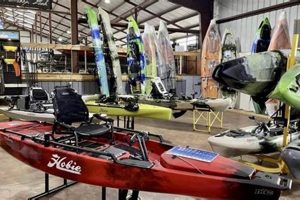
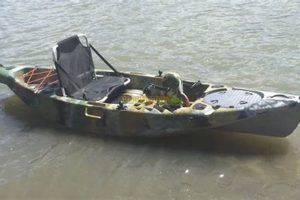
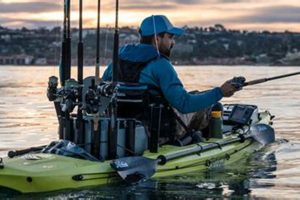
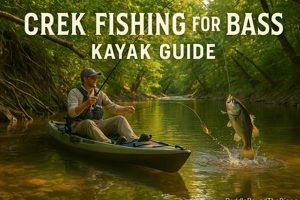
The sport of angling from small, human-powered watercraft offers unique access to the diverse waterways of the Sunflower State. Quietly navigating rivers, lakes, and ponds allows anglers to approach fish undisturbed and explore areas inaccessible to larger boats. This method is particularly well-suited to pursuing species such as bass, crappie, catfish, and walleye, which thrive in Kansas waters.
This pursuit provides a low-impact way to experience the natural beauty of Kansas, promoting physical activity and a connection with the outdoors. It also represents a cost-effective entry point into fishing, requiring less investment than motorized boating. The growing popularity of this style of fishing reflects a broader trend toward nature-based recreation and sustainable outdoor practices.
Further exploration will cover topics including recommended locations, appropriate gear and techniques, safety considerations, licensing and regulations, and the ecological impact of this recreational activity in Kansas.
Tips for Kayak Fishing in Kansas
Successful angling from a kayak in Kansas requires preparation and awareness. The following tips offer guidance for a safe and productive experience.
Tip 1: Research and choose appropriate waterways. Different bodies of water offer varying conditions and fish species. Consider factors like current strength, water clarity, and access points when selecting a location.
Tip 2: Prioritize safety equipment. Always wear a personal flotation device (PFD) and carry essential safety gear, including a whistle, signaling device, and first-aid kit. Inform someone of your fishing plans and estimated return time.
Tip 3: Select suitable tackle and gear. Rods and reels should be appropriately sized for targeted species. Kayak-specific fishing accessories, such as rod holders and anchor systems, enhance stability and efficiency.
Tip 4: Practice basic paddling and maneuvering skills. Comfortable kayak control is essential for safe navigation and precise casting. Familiarize oneself with launching, landing, and maneuvering in various water conditions.
Tip 5: Understand and respect local regulations. Obtain the required fishing licenses and adhere to catch limits and size restrictions. Practice ethical angling and leave no trace behind.
Tip 6: Be aware of weather conditions. Check forecasts before heading out and be prepared for changing conditions. Wind, rain, and temperature fluctuations can impact safety and fishing success.
Tip 7: Employ appropriate fishing techniques. Techniques like drift fishing, trolling, and still fishing can be effective from a kayak. Adapt methods based on the targeted species and water conditions.
Careful planning and informed decision-making contribute significantly to a positive experience on Kansas waters. Attention to these key areas enhances safety and increases the likelihood of angling success.
By incorporating these guidelines, anglers can confidently enjoy the unique opportunities offered by kayak fishing in Kansas. The following section will detail resources for further information and support.
1. Location Selection

Location selection is paramount for a productive and enjoyable kayak fishing experience in Kansas. The diverse waterways across the state offer distinct characteristics, impacting species availability, fishing techniques, and overall experience. Factors such as water clarity, current strength, vegetation density, and accessibility significantly influence fishing outcomes. Choosing a location aligned with target species and angler skill level is crucial. For instance, reservoirs like Milford and Tuttle Creek offer ample space for targeting crappie and walleye, while smaller rivers and streams, such as the Neosho and Smoky Hill, provide opportunities for pursuing bass and catfish in more intimate settings.
Careful consideration of access points is vital. Kayak launches, bank access, and proximity to parking areas facilitate easier entry and exit. Understanding water conditions, including potential hazards like submerged structures or rapidly changing currents, ensures safety. Researching prevailing wind patterns and sun exposure aids in planning a comfortable and efficient fishing trip. Consulting local fishing reports and online forums can offer valuable insights into current fishing conditions and species activity at specific locations.
Effective location selection optimizes angling potential and enhances the overall kayak fishing experience in Kansas. Thorough research and informed decision-making minimize potential challenges and maximize the likelihood of a successful and rewarding outing. Choosing a location suited to individual skill levels and target species contributes significantly to a positive experience on the water.
2. Safety Gear
Safety gear is paramount for kayak fishing in Kansas. The inherent risks associated with on-the-water activities necessitate careful preparation and a proactive approach to safety. Understanding and utilizing appropriate safety equipment significantly mitigates potential hazards and ensures a positive experience.
- Personal Flotation Device (PFD)
A PFD is the single most important piece of safety equipment. Kansas law requires readily accessible PFDs for each person on board a vessel. Properly fitted and worn PFDs provide essential buoyancy in the event of capsizing or accidental immersion, significantly increasing chances of survival. Type III PFDs, designed for calm inland waters, are generally suitable for kayak fishing, offering comfort and freedom of movement while providing adequate flotation.
- Signaling Devices
Signaling devices enable communication in emergencies. A whistle, attached to the PFD, provides an audible signal to attract attention. Visual distress signals, such as flares or a signal mirror, offer a means of communication over longer distances, particularly in low-visibility conditions. Carrying a waterproof cell phone or VHF radio allows direct contact with emergency services. These devices become critical if assistance is needed due to unforeseen circumstances.
- First-Aid Kit
A well-stocked, waterproof first-aid kit is essential for addressing minor injuries and providing initial care in more serious situations. Common items include bandages, antiseptic wipes, pain relievers, and motion sickness medication. Specialized additions, such as a tourniquet and CPR mask, can be valuable in remote locations. Regularly checking and replenishing the kit ensures readiness for any eventuality.
- Navigation and Lighting
Navigation and lighting equipment enhance safety, especially in low-light conditions or unfamiliar waters. A compass or GPS device aids in maintaining orientation and navigating back to shore. Carrying a waterproof map and chart provides a backup navigation resource. A headlamp or flashlight facilitates safe movement in the dark and signals one’s presence to other boaters. These tools are particularly important during early morning or late evening fishing excursions.
Careful consideration and utilization of these safety measures are integral to responsible kayak fishing in Kansas. Prioritizing safety enhances the overall fishing experience, allowing anglers to focus on enjoying the sport while minimizing potential risks. Proper preparation contributes significantly to a safe and rewarding time on the water.
3. Kayak Choice
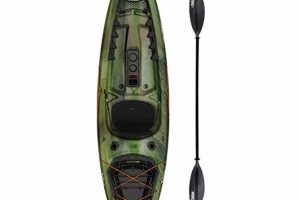
Kayak selection significantly impacts the overall experience of kayak fishing in Kansas. Matching the vessel’s characteristics to the intended fishing environment and individual angler needs optimizes performance, comfort, and safety. Factors such as hull design, length, width, and weight capacity influence maneuverability, stability, and storage capacity, impacting both angling effectiveness and overall enjoyment.
- Hull Design
Hull design dictates a kayak’s performance characteristics. Sit-on-top kayaks offer inherent stability and self-bailing capabilities, making them suitable for calmer waters and warmer weather. Sit-inside kayaks provide better protection from the elements and enhanced paddling efficiency, making them suitable for colder conditions or longer distances. Choosing the right hull design depends on anticipated water conditions and personal preferences.
- Length and Width
Kayak length and width influence speed, maneuverability, and stability. Longer kayaks generally track straighter and glide more efficiently, covering greater distances with less effort. Wider kayaks offer enhanced stability, particularly beneficial for stand-up fishing, but sacrifice some speed and maneuverability. Shorter kayaks are more agile in tight spaces but may be less stable and efficient for covering long distances. Selection depends on the intended fishing environment and the angler’s preference for stability versus speed.
- Weight Capacity
Weight capacity determines the maximum load a kayak can safely carry, encompassing the angler’s weight, fishing gear, and any additional equipment. Exceeding the weight capacity compromises stability and performance, increasing the risk of capsizing. Selecting a kayak with ample weight capacity ensures safe and efficient operation. The combined weight of all intended cargo should be well within the manufacturer’s specified limit.
- Features and Accessories
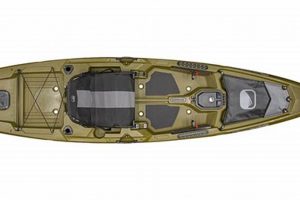
Kayaks offer various features and accessories that enhance fishing functionality. Built-in rod holders, anchor trolleys, and storage compartments improve organization and efficiency on the water. Features like rudder systems or pedal drives aid in maneuvering and maintaining position, particularly in windy conditions or strong currents. Consideration of these features, alongside fundamental design elements, ensures the kayak aligns with individual fishing styles and preferences.
Careful consideration of these factors ensures the chosen kayak aligns with the specific demands of Kansas fishing environments. The right kayak enhances on-the-water performance, improves angler comfort and safety, and ultimately contributes to a more productive and enjoyable fishing experience. Choosing wisely balances individual needs with the diverse conditions encountered across Kansas waterways.
4. Fishing Tackle

Fishing tackle selection significantly influences success and enjoyment in Kansas kayak fishing. Specialized equipment caters to the unique demands of this angling style, balancing functionality with portability and ease of use within the confines of a kayak. Appropriate tackle enhances angling effectiveness and contributes to a safer, more organized, and ultimately more rewarding experience on the water.
- Rods and Reels
Rod and reel combinations should align with target species and fishing techniques employed in Kansas waters. Shorter, lighter rods (5-7 feet) offer maneuverability within a kayak’s limited space, while medium to medium-heavy power accommodates common Kansas game fish like bass, crappie, and walleye. Spinning reels generally provide versatility for various lures and techniques, while baitcasting reels offer increased accuracy and control for specific presentations. Selecting appropriate rod and reel combinations maximizes angling effectiveness and comfort.
- Lines and Leaders
Line choice depends on target species and fishing environment. Braided lines offer high sensitivity and strength, beneficial for detecting subtle bites and handling heavier fish in areas with submerged structures. Fluorocarbon lines provide low visibility and abrasion resistance, advantageous in clear water scenarios. Leader material selection considers the targeted species and fishing technique; for example, steel leaders are essential when targeting toothy fish like pike or muskie. Optimizing line and leader selection enhances fishing success and minimizes line breakage.
- Lures and Baits
Lure and bait selection should reflect the prevalent forage and feeding habits of target species in Kansas waters. Jigs, spinnerbaits, crankbaits, and soft plastics effectively imitate common prey fish and trigger strikes from bass, crappie, and walleye. Live bait options, such as minnows, worms, and crickets, can be equally productive, especially for catfish and panfish. Matching lure and bait choices to the target species increases the likelihood of attracting and hooking fish.
- Tackle Storage and Organization
Efficient tackle storage and organization are crucial in the limited space of a kayak. Tackle boxes designed for kayak fishing maximize storage capacity while minimizing footprint. Utilizing waterproof containers and bags protects tackle from the elements and prevents loss in the event of capsizing. Maintaining an organized tackle system streamlines lure changes and maximizes fishing time on the water. Effective organization enhances efficiency and minimizes disruptions during the fishing experience.
Careful consideration of these tackle components contributes significantly to a successful and enjoyable kayak fishing experience in Kansas. Matching equipment to target species, fishing techniques, and the specific demands of the kayak environment optimizes performance, enhances angling success, and ultimately contributes to a more rewarding time on the water. Appropriate tackle selection, coupled with skillful angling techniques, unlocks the full potential of kayak fishing in Kansas’s diverse waterways.
5. Local Regulations
Adherence to local regulations is essential for responsible and legal kayak fishing in Kansas. These regulations, established by the Kansas Department of Wildlife, Parks and Tourism (KDWPT), aim to conserve fish populations, protect aquatic ecosystems, and ensure sustainable recreational fishing opportunities for all. Regulations encompass licensing requirements, catch limits, size restrictions, permitted fishing methods, and designated fishing areas. Ignoring these regulations can lead to fines, legal penalties, and damage to the environment.
Licensing requirements mandate that anglers possess a valid Kansas fishing license before engaging in any fishing activity, including kayak fishing. Different license types exist, catering to residents, non-residents, and specific age groups. Catch limits dictate the number of each species an angler can legally harvest within a given timeframe. Size restrictions specify the minimum and/or maximum size of certain species that can be kept, allowing younger fish to mature and reproduce. Regulations also outline permitted fishing methods, restricting certain gear or practices to protect fish populations and maintain fair angling opportunities. Designated fishing areas may prohibit fishing altogether in specific locations to safeguard sensitive habitats or spawning grounds.
For example, walleye fishing on Wilson Reservoir is subject to specific size and creel limits designed to maintain a healthy population. Similarly, certain sections of the Kansas River may be closed to fishing during specific times of the year to protect spawning fish. Understanding and complying with these regulations, which can vary by location and species, ensures the long-term health of Kansas fisheries and the sustainability of kayak fishing as a recreational activity. Resources such as the KDWPT website and local fishing regulations publications provide detailed information on current rules and requirements, empowering anglers to participate responsibly and legally.
6. Weather Awareness
Weather awareness is critical for safe and successful kayak fishing in Kansas. The state’s variable weather patterns, including rapid temperature fluctuations, strong winds, and sudden storms, pose significant risks to anglers on the water. Ignoring weather forecasts or failing to recognize changing conditions can lead to dangerous situations, impacting both personal safety and fishing success. Understanding weather patterns and their potential impact on water conditions enables informed decision-making regarding trip planning and on-the-water adjustments.
Wind significantly influences kayak control and maneuverability, especially on larger bodies of water. Strong winds can create challenging paddling conditions, making it difficult to maintain position or return to shore. Sudden gusts can capsize kayaks, particularly smaller, less stable models. Rain and thunderstorms create hazardous conditions due to reduced visibility, lightning strikes, and rapidly changing water levels. Temperature extremes, particularly cold water, pose risks of hypothermia if anglers become immersed. Checking weather forecasts before heading out and monitoring conditions throughout the fishing trip allows anglers to make informed decisions about launching, location selection, and safe return times. For instance, awareness of an approaching cold front and accompanying strong north winds would advise against fishing on large reservoirs like Clinton or Milford.
Prioritizing weather awareness enhances safety and contributes to a more enjoyable and productive kayak fishing experience in Kansas. Consulting reliable weather sources, understanding local weather patterns, and recognizing signs of changing conditions empowers anglers to make informed decisions, minimizing potential risks and maximizing time on the water. Preparation for varied weather conditions, including appropriate clothing and safety gear, further mitigates potential hazards. Ultimately, a proactive approach to weather awareness allows anglers to fully appreciate the diverse fishing opportunities across Kansas while ensuring personal safety and responsible enjoyment of the natural environment.
7. Fishing Techniques

Effective fishing techniques are essential for successful kayak angling in Kansas. Adapting methods to specific species, water conditions, and the unique constraints of a kayak platform maximizes catch potential. The quiet approach afforded by a kayak allows for subtle presentations, often crucial for wary fish in clear Kansas waters. Techniques must consider factors like limited casting range and the need for efficient boat control while managing tackle and landing fish. Casting accuracy becomes paramount due to the smaller fishing platform, demanding precise lure placement near structure or cover.
Specific techniques commonly employed in Kansas kayak fishing include drift fishing, trolling, and still fishing. Drift fishing allows anglers to cover water effectively, presenting lures or bait naturally along current seams or structure edges. Trolling involves slowly paddling or pedaling while dragging lures behind the kayak, an effective method for covering larger areas and locating active fish. Still fishing, anchoring or positioning the kayak near promising locations, proves effective for targeting specific areas holding fish, particularly in calmer waters. For example, targeting crappie along submerged brush piles in reservoirs like Tuttle Creek often benefits from still fishing techniques, while drift fishing proves effective for working jigs or soft plastics along rocky stretches of the Kansas River for smallmouth bass.
Mastery of these techniques, tailored to the nuances of Kansas waters and species-specific behaviors, significantly enhances angling success from a kayak. Consideration of factors like water clarity, current speed, and wind conditions influences technique selection. Efficient kayak control and boat positioning become integral parts of successful fishing, maximizing presentation effectiveness and angler efficiency. Adaptability and a nuanced understanding of the interplay between technique and environment are essential for consistent success in Kansas kayak fishing.
Frequently Asked Questions
This section addresses common inquiries regarding kayak fishing in Kansas, providing concise and informative responses to facilitate a better understanding of the activity and its associated considerations.
Question 1: What are the licensing requirements for kayak fishing in Kansas?
A valid Kansas fishing license is required for anyone 16 years of age and older. Licenses can be obtained online through the Kansas Department of Wildlife, Parks and Tourism (KDWPT) website or from licensed vendors.
Question 2: Where are suitable locations for kayak fishing in Kansas?
Numerous lakes, reservoirs, and rivers offer excellent kayak fishing opportunities. Options range from larger bodies of water like Milford and Tuttle Creek Reservoirs to smaller rivers such as the Neosho and Smoky Hill. Researching specific locations and considering target species aids in selection.
Question 3: What essential safety precautions should be taken while kayak fishing in Kansas?
Always wear a personal flotation device (PFD), inform someone of fishing plans and estimated return time, and check weather forecasts before heading out. Carrying a whistle, signaling device, and first-aid kit enhances safety preparedness.
Question 4: What type of kayak is best suited for fishing in Kansas?
Sit-on-top kayaks offer stability and self-bailing capabilities, making them suitable for calmer waters. Sit-inside kayaks provide better protection from the elements, advantageous in colder conditions. Kayak selection depends on individual preferences, fishing style, and anticipated water conditions.
Question 5: What fishing tackle is recommended for kayak fishing in Kansas?
Shorter, lighter rods facilitate maneuverability within a kayak. Spinning and baitcasting reels, coupled with appropriate lines and lures, effectively target various species. Tackle selection should align with the targeted species and fishing techniques.
Question 6: What are the primary fish species targeted by kayak anglers in Kansas?
Common target species include bass, crappie, walleye, catfish, and various panfish. Species availability varies based on location and time of year. Researching local fish populations and their respective habitats informs target selection and technique refinement.
Careful consideration of these frequently asked questions promotes a safe, informed, and successful kayak fishing experience in Kansas. Thorough preparation enhances enjoyment and contributes to responsible angling practices.
For further information and detailed resources, consult the Kansas Department of Wildlife, Parks and Tourism website.
Kansas Kayak Fishing
This exploration has highlighted the multifaceted nature of kayak angling within Kansas. From selecting appropriate locations and prioritizing safety to understanding local regulations and employing effective fishing techniques, successful angling requires careful consideration of various interconnected elements. Kayak choice, tackle selection, and weather awareness contribute significantly to both safety and angling success. The unique opportunities offered by this method, allowing access to diverse waterways and close encounters with Kansas fish species, contribute to its increasing popularity.
The future of kayak fishing in Kansas relies on responsible angling practices and continued conservation efforts. Respect for the environment, adherence to regulations, and a commitment to ethical angling principles ensure the sustainability of this rewarding recreational activity. Through informed participation and mindful stewardship, anglers can continue to enjoy the abundant fishing opportunities available across the Sunflower State’s diverse waterways for generations to come.