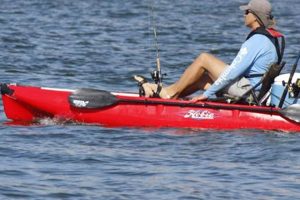
This pursuit involves angling for lingcod, a large, predatory fish inhabiting the Pacific Ocean, from a kayak. It combines the thrill of big-game fishing with the maneuverability and accessibility of kayak angling, often focusing on rocky reefs, kelp forests, and other near-shore structures where these fish reside. An angler might employ various techniques, such as bottom fishing with heavy jigs or live bait, or even trolling along promising contours.
The appeal stems from the challenging yet rewarding nature of targeting a powerful fish from a relatively small vessel. It offers a close-to-nature experience, requiring anglers to possess a good understanding of both fish behavior and kayak handling skills. Historically, indigenous cultures have utilized kayaks for fishing, demonstrating the long-standing practicality of this approach. Modern anglers continue this tradition, appreciating the unique perspective and eco-friendly nature of kayak fishing.
This article will further explore the necessary equipment, effective techniques, optimal locations, and safety considerations essential for a successful and enjoyable experience targeting these impressive fish from a kayak.
Tips for Successful Lingcod Fishing from a Kayak
Preparation and knowledge are crucial for a productive and safe experience when targeting lingcod from a kayak. The following tips offer valuable insights for anglers of all skill levels.
Tip 1: Choose the Right Kayak: A stable, sit-on-top kayak designed for offshore fishing is recommended. Adequate storage space for gear and a comfortable seat are essential for longer trips.
Tip 2: Utilize Appropriate Tackle: Medium-heavy to heavy rods and reels spooled with braided line are necessary to handle the strong runs and weight of lingcod. Leaders of heavy monofilament or fluorocarbon help to resist abrasion.
Tip 3: Employ Effective Techniques: Vertical jigging near rocky reefs or kelp beds proves highly effective. Live or dead bait, such as herring or squid, can also entice strikes.
Tip 4: Understand Lingcod Behavior: These ambush predators often hold near structure. Presenting lures or bait near the bottom maximizes chances of success.
Tip 5: Prioritize Safety: Always wear a personal flotation device and check weather conditions before embarking. Carry a VHF radio and inform someone of your fishing plans.
Tip 6: Respect Regulations: Adhere to local fishing regulations, including size and bag limits. Practice catch-and-release techniques to preserve fish populations.
Tip 7: Handle Fish Carefully: Use appropriate tools, such as lip grips and dehookers, to minimize stress on the fish during handling and release.
By following these guidelines, anglers can increase their likelihood of a successful and rewarding experience while contributing to the conservation of this valuable species.
This information provides a solid foundation for planning and executing a rewarding kayak fishing trip targeting lingcod. Further research and practice will enhance skills and contribute to a greater appreciation of this unique pursuit.
1. Kayak Selection

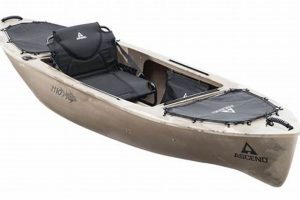
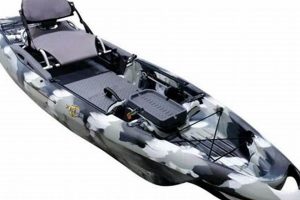
Kayak selection significantly impacts success and safety in lingcod kayak fishing. Lingcod inhabit near-shore environments often characterized by rocky coastlines, currents, and potentially challenging sea conditions. Therefore, kayak choice must prioritize stability, durability, and sufficient storage capacity. A sit-on-top kayak design offers inherent buoyancy and self-bailing capabilities, vital for navigating unpredictable waters. Longer kayaks (12-14 feet) generally provide better tracking and maneuverability in currents, enhancing the angler’s ability to position effectively near structure where lingcod reside. Sufficient storage space accommodates tackle, safety equipment, and potentially large catches. For example, a wider beam and ample storage hatches facilitate handling gear and fish without compromising stability.
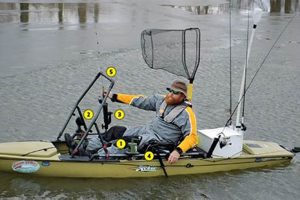
A kayak specifically designed for fishing offers additional advantages. Features such as rod holders, integrated tackle storage, and anchor trolleys streamline fishing operations, allowing anglers to focus on presenting their lures or bait effectively. The ability to install fish finders and other electronics further enhances the ability to locate promising fishing grounds and target lingcod successfully. Consideration of kayak weight capacity is also critical. A higher weight capacity ensures the kayak can handle the combined weight of the angler, gear, and potentially a large lingcod, maintaining stability and performance throughout the trip. For instance, anglers targeting larger lingcod may opt for a kayak with a higher weight capacity to accommodate heavier tackle and the potential for landing a trophy fish.
Careful kayak selection, tailored to the specific demands of lingcod fishing, contributes significantly to both safety and fishing success. Prioritizing stability, storage, and fishing-specific features enables anglers to navigate challenging environments effectively, optimize their fishing approach, and ultimately enhance their chances of landing these prized fish. Neglecting these considerations could compromise safety and hinder fishing success. Investing time and research into selecting an appropriate kayak ultimately improves the overall experience and fosters a more responsible approach to this demanding yet rewarding style of fishing.
2. Targeted Location

Targeted location plays a crucial role in successful lingcod kayak fishing. Lingcod exhibit specific habitat preferences, and understanding these preferences dictates where anglers should focus their efforts. Selecting appropriate locations maximizes fishing efficiency and increases the likelihood of encountering these prized fish. Effective location targeting necessitates knowledge of lingcod behavior, underwater topography, and prevailing environmental conditions.
- Rocky Reefs and Kelp Forests
Lingcod are ambush predators, favoring rocky reefs, kelp forests, and other structures that provide cover and attract prey. These environments offer ideal hunting grounds for lingcod, making them prime locations for kayak anglers. Rocky reefs, with their crevices and ledges, provide ample hiding spots for lingcod to lie in wait for unsuspecting prey. Kelp forests offer similar advantages, with their dense foliage providing cover and attracting smaller fish that lingcod feed upon. For example, areas where rocky reefs intersect with kelp beds often concentrate lingcod, offering excellent fishing opportunities. The presence of baitfish in these areas further enhances the likelihood of encountering lingcod.
- Depth and Water Movement
Lingcod occupy a range of depths, typically found from nearshore shallows to deeper waters. However, they tend to concentrate in areas with moderate depth and some water movement. Currents deliver nutrients and attract baitfish, creating feeding opportunities for lingcod. Kayak anglers should consider targeting areas with moderate current flow, such as channels or points, where lingcod are more likely to be actively hunting. Depth variations, such as drop-offs or ledges, also concentrate fish and can be productive fishing spots. For instance, targeting depths between 30 and 100 feet often proves fruitful, particularly when combined with moderate current flow.
- Structure and Bottom Contour
Understanding underwater structure and bottom contour proves essential for locating lingcod. Submerged rock piles, pinnacles, and wrecks create ideal habitat and attract lingcod. Kayak anglers can utilize nautical charts, sonar, or GPS mapping tools to identify promising structures and target their fishing efforts. Changes in bottom contour, such as steep drop-offs or gradual slopes, also influence lingcod distribution. Areas where the bottom transitions from sand to rock or where there are abrupt changes in depth often hold lingcod. Identifying these subtle variations in bottom contour can significantly increase the odds of success. Using a fish finder with side-scan sonar, for instance, can provide detailed information on underwater structures and help locate prime lingcod habitat.
- Tidal Influence
Tidal currents significantly impact lingcod feeding behavior. Incoming and outgoing tides create water movement that attracts baitfish and triggers increased lingcod activity. Anglers should consider fishing during periods of moderate tidal flow, avoiding slack tides when water movement is minimal. Understanding tidal patterns and how they affect fish behavior in specific locations enhances the effectiveness of targeted location selection. For example, fishing near channels or inlets during an incoming tide can concentrate baitfish and lingcod, creating ideal fishing conditions. Conversely, fishing near rocky points or drop-offs during an outgoing tide can also prove productive as lingcod ambush prey swept along by the current. Consulting tide charts and understanding local current patterns provides valuable insights for optimizing fishing strategies based on tidal influences.
By considering these factors rocky reefs and kelp forests, depth and water movement, structure and bottom contour, and tidal influence kayak anglers can strategically select targeted locations that maximize their chances of encountering lingcod. Understanding these elements and their interconnectedness contributes significantly to a more productive and rewarding fishing experience. Combining knowledge of lingcod behavior with an understanding of the local environment allows anglers to make informed decisions about where to fish, increasing efficiency and enhancing the overall enjoyment of the pursuit.
3. Equipment & Tackle
Specialized equipment and tackle are essential for successful and safe lingcod kayak fishing. The demanding nature of this pursuit, targeting a powerful fish from a relatively small vessel, necessitates robust, reliable gear capable of handling the stresses of battling large lingcod in challenging near-shore environments. Appropriate equipment selection directly influences fishing success, angler safety, and the responsible handling of these valuable fish.
Rods and Reels: Medium-heavy to heavy-action rods (7-8 feet) provide the necessary backbone to manage the strong initial runs and powerful fighting ability of lingcod. Reels should be durable and capable of handling substantial line capacity, typically spooled with braided line in the 30-50 pound test range. Braided line offers superior sensitivity for detecting bites in deep water and greater strength for battling large fish near structure. A high-quality drag system on the reel is crucial for controlling the fight and preventing line breakage during powerful runs. For example, a lever drag reel allows for precise drag adjustments during the fight, increasing the chances of landing a large lingcod.
Terminal Tackle: Leaders of heavy monofilament or fluorocarbon (40-80 pound test) are essential to resist abrasion against rocks and teeth. Sinker weights appropriate for the depth and current conditions keep lures or bait near the bottom, where lingcod typically reside. Hooks should be strong and sharp, sized appropriately for the chosen bait or lure. High-quality swivels and snaps ensure secure connections and facilitate quick changes of lures or rigs. Effective rigs might include a simple dropper loop rig with a live bait hook or a jig head rigged with a plastic swimbait. For instance, using a circle hook can improve hook-up rates and reduce the risk of deep hooking, facilitating catch and release.
Other Essential Gear: A reliable fish finder with sonar capabilities aids in locating productive structure and identifying fish-holding areas. A sturdy kayak anchor and appropriate anchor line allow anglers to maintain position in current or wind. Essential safety equipment includes a personal flotation device (PFD), a VHF radio, and a signaling device. A landing net or lip grip facilitates safe fish handling and release. Carrying a tackle box or bag organized with essential tools, such as pliers, dehookers, and a knife, streamlines fishing operations. For example, having a readily accessible dehooker allows for quick and efficient removal of hooks, minimizing stress on the fish and facilitating a responsible catch-and-release practice.
Appropriate equipment and tackle selection is not merely a matter of convenience but a crucial element of responsible and successful lingcod kayak fishing. The right gear ensures anglers can effectively target these powerful fish, handle them safely and responsibly, and enhance their overall fishing experience. Prioritizing quality and functionality in equipment choices contributes to a safer, more productive, and more ethical approach to this demanding but rewarding pursuit.
4. Techniques & Bait
Effective techniques and appropriate bait selection are crucial for enticing lingcod when kayak fishing. These elements work in tandem, influencing fishing success by targeting lingcod’s predatory instincts and feeding behavior. Understanding the nuances of various techniques and how they interact with bait choices allows anglers to optimize their approach, increasing the likelihood of hooking these prized fish. The following explores several effective techniques and bait options commonly employed in lingcod kayak fishing.
- Jigging
Jigging involves vertically presenting a weighted lure, often resembling a wounded or fleeing baitfish, to entice strikes. The angler imparts an up-and-down motion to the jig, mimicking the erratic movements of prey. This technique proves particularly effective near rocky reefs, kelp beds, and other structures where lingcod ambush their prey. Metal jigs, plastic swimbaits, and bucktail jigs are common choices for lingcod jigging. Jig weight selection depends on water depth and current strength. Varying the jigging cadence and incorporating pauses can further enhance the effectiveness of this technique. For example, lifting the jig quickly and then allowing it to flutter back down can trigger aggressive strikes from lingcod.
- Bait Fishing
Bait fishing offers a more passive approach, relying on presenting natural or artificial bait to attract lingcod. Live or dead bait, such as herring, squid, or mackerel, can be highly effective. The bait is typically presented near the bottom, either using a dropper loop rig or a Carolina rig. Sinker weight selection depends on current and depth, ensuring the bait remains in the target zone. Bait fishing allows for a more stationary approach, ideal for targeting specific structure or covering a larger area. For instance, when fishing near a wreck or reef, a live bait rig presented near the bottom can entice lingcod holding within the structure. Using a scent trail enhancer can further increase the effectiveness of bait fishing by attracting lingcod from a wider area.
- Trolling
Trolling involves dragging lures or bait behind a moving kayak. This technique allows anglers to cover a larger area and target active lingcod. Deep-diving plugs, spoons, and large swimbaits are common choices for trolling. Trolling speed should be adjusted based on the lure type and target depth. This technique proves particularly effective for locating scattered lingcod or exploring new areas. When trolling along a rocky shoreline or near a drop-off, for example, varying the trolling speed and depth can help pinpoint areas where lingcod are actively feeding. Using downriggers allows for precise depth control when trolling, increasing the chances of presenting lures at the optimal depth for targeting lingcod.
- Drift Fishing
Drift fishing involves allowing the kayak to drift naturally with the current while presenting bait or lures. This technique can be highly effective for covering a large area and exploring different depths. Live bait rigs or jigs are often employed when drift fishing. The angler adjusts the drift speed by deploying a sea anchor or drift sock. This technique proves particularly effective in areas with consistent current flow and diverse bottom structure. For instance, drifting along a rocky reef or kelp bed while presenting a live bait rig can effectively target lingcod holding within the structure. Adjusting the drift speed allows anglers to maintain the optimal presentation of their bait or lure within the target zone.
By strategically combining these techniques with appropriate bait choices, anglers can significantly increase their chances of success when kayak fishing for lingcod. Understanding the strengths of each technique and how they interact with different bait options allows for a more targeted and adaptable approach. Adapting techniques and bait choices to prevailing conditions, such as water depth, current, and structure, further refines the approach and maximizes the potential for a rewarding fishing experience.
5. Safety Precautions
Safety precautions are paramount in lingcod kayak fishing due to the inherent risks associated with the sport. The marine environment presents unpredictable conditions, including changing weather, strong currents, and cold water temperatures. These factors, combined with the physical demands of battling large fish from a small vessel, necessitate a proactive and comprehensive approach to safety. Neglecting safety protocols can lead to serious consequences, ranging from equipment damage and lost catches to injuries or even fatalities. For example, an unexpected shift in weather conditions can create challenging paddling conditions, increasing the risk of capsizing. Similarly, encountering strong currents near rocky reefs can create hazardous navigation situations.
Several key safety precautions must be observed. Wearing a personal flotation device (PFD) is non-negotiable. A PFD provides essential buoyancy in the event of a capsize, increasing the chances of survival in cold water. Carrying a VHF radio enables communication with other boaters and emergency services, crucial for summoning assistance if needed. A reliable waterproof GPS and chart plotter aid navigation and help anglers avoid hazards. Regularly checking weather forecasts before embarking and throughout the fishing trip allows anglers to adapt to changing conditions and make informed decisions about their safety. Informing someone onshore of fishing plans, including intended location and return time, provides an additional layer of security. For instance, providing a float plan with contact information and trip details allows for a timely response in case of an overdue return.
Understanding and adhering to safety precautions significantly mitigates risks associated with lingcod kayak fishing. Preparation and a proactive mindset are crucial for ensuring a safe and enjoyable experience. Regularly reviewing and practicing safety procedures enhances preparedness and reduces the likelihood of incidents. Ultimately, prioritizing safety not only protects anglers but also contributes to a more responsible and sustainable approach to the sport. This focus on safety fosters a culture of awareness and preparedness, allowing anglers to fully appreciate the rewarding nature of lingcod kayak fishing while minimizing potential dangers.
6. Legal Regulations
Legal regulations are integral to lingcod kayak fishing, ensuring the sustainability of fish populations and the health of the marine ecosystem. These regulations, often specific to geographic location and season, encompass various aspects, including size limits, bag limits, and permitted fishing methods. Adhering to these rules is not merely a legal obligation but a crucial practice for responsible anglers, contributing to the long-term viability of the fishery. For example, size limits protect younger fish, allowing them to reach maturity and contribute to the breeding population. Bag limits prevent overfishing, ensuring that enough fish remain to sustain the population. Regulations regarding permitted fishing methods, such as prohibiting certain types of gear or fishing in specific areas, aim to minimize environmental impact and protect vulnerable habitats. Ignoring these regulations can lead to penalties, including fines and license suspension, and more significantly, contributes to the depletion of fish stocks and damage to the marine environment.
Understanding and complying with current regulations is crucial for any angler engaging in lingcod kayak fishing. Resources such as local fishing regulations websites, printed guides available at tackle shops, or contacting fisheries management agencies provide up-to-date information on specific rules and requirements. Awareness of closed seasons, gear restrictions, and specific area closures ensures legal compliance and promotes responsible fishing practices. For instance, certain areas may be designated as marine protected areas or seasonal closures to safeguard spawning grounds or vulnerable habitats. Utilizing appropriate fishing gear, such as circle hooks, can further minimize environmental impact by reducing the incidence of deep hooking and facilitating catch and release. Staying informed about current regulations and adapting fishing practices accordingly reflects a commitment to conservation and ensures the longevity of the lingcod fishery.
Compliance with legal regulations in lingcod kayak fishing demonstrates a respect for the environment and a commitment to sustainable fishing practices. This adherence safeguards fish populations, protects sensitive marine habitats, and ensures the enjoyment of the sport for future generations. Challenges may include variations in regulations across different jurisdictions or changes in regulations over time. However, the practical significance of understanding and complying with these rules remains paramount for the responsible management and preservation of this valuable fishery. By prioritizing legal compliance and actively participating in conservation efforts, anglers contribute to the overall health and sustainability of the marine environment and ensure the continued enjoyment of lingcod kayak fishing for years to come.
7. Fish Handling
Proper fish handling techniques are essential in lingcod kayak fishing, not only for the well-being of the fish but also for the angler’s safety. Lingcod possess sharp teeth and powerful jaws, requiring careful handling to avoid injury. Moreover, appropriate handling minimizes stress on the fish, promoting survival, particularly in catch-and-release scenarios. This section explores key aspects of fish handling specific to lingcod kayak fishing.
- Minimizing Air Exposure
Lingcod, like many bottom-dwelling fish, are susceptible to barotrauma, a pressure-related injury that can occur when fish are brought rapidly from deep water to the surface. Minimizing the time a lingcod spends out of the water helps reduce the risk of barotrauma. When bringing a lingcod onboard a kayak, it should be kept as low to the water as possible, ideally supported in a net or cradle. If a fish is to be released, handling should be expedited to minimize stress and air exposure.
- Secure Gripping Techniques
Using appropriate gripping techniques is crucial for controlling a lingcod without causing harm. A lip grip can be used to securely hold the fish while removing the hook. However, care should be taken to avoid excessive pressure on the jaw. Alternatively, a wet towel or gloves can provide a secure grip while minimizing contact with the fish’s slime coat, which protects it from infection.
- Hook Removal
Efficient hook removal minimizes stress and injury to the fish. Using long-nosed pliers or specialized dehooking tools allows for quick and safe removal of the hook. If the hook is deeply embedded, cutting the line as close to the hook as possible is often the best course of action, allowing the hook to dissolve or work its way out naturally.
- Revival and Release
If a lingcod is to be released, proper revival techniques maximize its chances of survival. Holding the fish upright in the water, facing into the current, allows water to flow over its gills and helps it recover from the stress of being caught. Gently moving the fish back and forth can further aid in revival. Release should occur in calm water, away from strong currents or waves, to minimize disorientation.
Effective fish handling practices in lingcod kayak fishing are essential for ensuring both angler safety and fish welfare. By employing appropriate techniques, anglers can minimize stress and injury to the fish, promote survival rates in catch-and-release scenarios, and contribute to the long-term health of lingcod populations. These handling techniques, combined with a focus on ethical angling practices, are crucial for maintaining the sustainability of this valuable fishery and preserving the enjoyment of the sport for future generations. For instance, educating fellow anglers on proper fish handling techniques and advocating for responsible fishing practices further contributes to the conservation of this species and the overall health of the marine environment.
Frequently Asked Questions
This section addresses common inquiries regarding lingcod kayak fishing, providing concise yet informative responses to enhance understanding and promote safe and responsible angling practices.
Question 1: What type of kayak is best suited for lingcod fishing?
A stable, sit-on-top kayak designed for offshore fishing is recommended. Look for features like a comfortable seat, ample storage, and rod holders. A longer kayak (12-14 feet) generally offers better tracking and stability in offshore conditions.
Question 2: What essential safety equipment is required?
Essential safety gear includes a personal flotation device (PFD), a VHF radio, a signaling device (whistle or flare), a first-aid kit, and navigation tools (GPS and chartplotter). Checking weather conditions before departure and informing someone of fishing plans are also crucial.
Question 3: What fishing techniques are most effective for targeting lingcod from a kayak?
Effective techniques include vertical jigging near rocky reefs and kelp beds, bait fishing with live or dead bait (herring, squid, mackerel), and trolling along depth contours. Adapting techniques to specific locations and prevailing conditions enhances success rates.
Question 4: What are the typical legal regulations regarding lingcod fishing?
Regulations vary by location and season, encompassing size limits, bag limits, and permitted fishing methods. Consulting official resources, such as local fishing regulations websites or contacting fisheries management agencies, ensures compliance.
Question 5: How should lingcod be handled to minimize stress and ensure survival?
Minimizing air exposure, using appropriate gripping techniques (lip grip or wet towel), and employing efficient hook removal methods reduce stress on the fish. Reviving released fish by holding them upright in the water, facing into the current, promotes survival.
Question 6: What are the primary challenges associated with lingcod kayak fishing?
Challenges include navigating potentially challenging sea conditions, handling large fish from a small vessel, and understanding complex underwater terrain. Thorough preparation, adherence to safety protocols, and continuous skill development mitigate these challenges.
Careful consideration of these frequently asked questions enhances preparedness and promotes responsible angling practices, contributing to a safer and more rewarding experience while preserving the sustainability of lingcod populations and their marine environment.
For further information and resources regarding lingcod kayak fishing, explore the links and additional materials provided below.
Lingcod Kayak Fishing
This exploration of lingcod kayak fishing has highlighted the multifaceted nature of this demanding yet rewarding pursuit. From kayak selection and targeted location to equipment, techniques, safety precautions, legal regulations, and proper fish handling, each element contributes significantly to a successful and responsible angling experience. The interplay of these factors underscores the need for a comprehensive understanding of both the target species and the dynamic marine environment in which it resides. The challenging aspect of targeting powerful lingcod from a relatively small vessel necessitates careful planning, skillful execution, and a steadfast commitment to safety. Moreover, adherence to legal regulations and ethical fish handling practices demonstrates a respect for the environment and ensures the sustainability of this valuable fishery.
The future of lingcod kayak fishing rests on the continued adoption of sustainable practices and a commitment to responsible angling. Continued education, informed decision-making, and respect for the marine environment will ensure the longevity of this unique and engaging pursuit. Through responsible stewardship and a dedication to conservation, anglers can contribute to the preservation of healthy lingcod populations and the overall health of the marine ecosystem, ensuring the enjoyment of this exhilarating sport for generations to come.