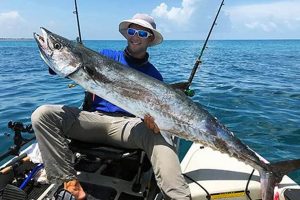
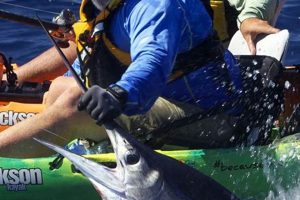
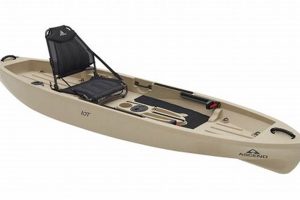
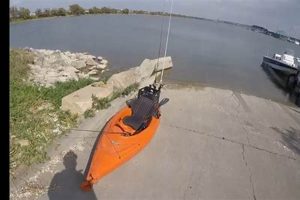
This activity combines the tranquility of paddling with the excitement of angling in the coastal waters off Salento, a peninsula in southern Italy. Imagine gliding across crystal-clear waters, surrounded by stunning cliffs and grottos, while casting a line for a variety of fish species. It offers a unique perspective of the coastline, inaccessible by larger vessels, allowing exploration of secluded coves and inlets.
Accessing pristine fishing grounds and experiencing the natural beauty of the region firsthand are key advantages. The low-impact nature of kayaks minimizes disturbance to marine life, promoting sustainable fishing practices. Historically, small boats have played a vital role in the local fishing traditions of Salento, and this modern approach allows for a continuation of that heritage while respecting the environment. This method provides an opportunity for both experienced anglers seeking new challenges and beginners looking for a peaceful introduction to the sport.
The following sections will delve deeper into specific aspects of this pursuit, including ideal locations, recommended equipment, target species, and responsible fishing practices. Further exploration will cover local regulations and guidelines for ensuring a safe and enjoyable experience.
Tips for Kayak Fishing in Salento
Successful outings require careful planning and consideration of several factors. The following tips offer guidance for a safe and productive experience.
Tip 1: Check Weather Conditions: Prior to departure, consult marine forecasts for wind speed, wave height, and potential storms. Calm seas and favorable winds are essential for a comfortable and safe trip.
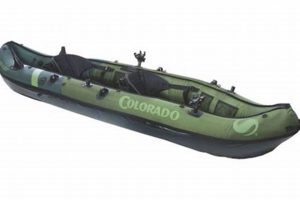
Tip 2: Choose Appropriate Kayak and Gear: Select a stable kayak designed for fishing, equipped with rod holders, storage compartments, and comfortable seating. Essential gear includes a properly fitted personal flotation device, a paddle leash, and appropriate fishing tackle.
Tip 3: Plan Your Route and Inform Someone Ashore: Research potential fishing spots and establish a planned route, considering tides and currents. Sharing this plan with someone on land ensures awareness of one’s location in case of emergencies.
Tip 4: Respect Local Regulations and Marine Life: Familiarize oneself with fishing regulations specific to the Salento region, including licensing requirements and catch limits. Practice catch-and-release principles whenever possible to preserve fish populations.
Tip 5: Pack Essential Supplies: Carry ample water, sunscreen, a hat, and appropriate clothing for sun protection. A first-aid kit, signaling devices, and a waterproof bag for electronics are crucial safety items.
Tip 6: Practice Kayak Handling Skills: Prior experience navigating a kayak is recommended. Practice launching, landing, and maneuvering the kayak in calm waters before venturing into more challenging conditions.
Tip 7: Be Aware of Other Vessels: Maintain awareness of boat traffic and give larger vessels the right of way. Carry a whistle or other signaling device to alert others to one’s presence.
Adherence to these guidelines will enhance safety and increase the likelihood of a successful fishing experience. Preparation and mindful practices contribute significantly to enjoyable outings on the water.
By following these tips, anglers can focus on the enjoyment of the activity and the beauty of the Salento coastline. The following section provides a concluding overview and reiterates the importance of responsible practices.
1. Location

Salento’s geographical position, nestled between the Adriatic and Ionian Seas, plays a crucial role in shaping the character of kayak fishing in the region. These two distinct bodies of water offer diverse marine environments, influencing the types of fish species available and the overall fishing experience. The Adriatic, characterized by its shallow depths and sandy bottoms, provides ideal habitats for species such as sea bream, mullet, and various crustaceans. The Ionian Sea, with its deeper waters and rocky formations, attracts pelagic fish like tuna, swordfish, and larger sea bass. This dual-sea access provides anglers with varied opportunities, increasing the likelihood of successful catches and broadening the scope of the fishing experience. For example, the sheltered bays of the Adriatic offer calmer waters suited for beginners, while the more exposed coastline of the Ionian presents a challenge for seasoned kayakers seeking larger game fish.
The differing water conditions also influence fishing techniques. Calm Adriatic waters lend themselves to drift fishing or slow trolling, while the stronger currents and deeper waters of the Ionian may require heavier tackle and techniques like jigging or bottom fishing. Understanding these nuances is essential for effective fishing and maximizing catch potential. Furthermore, the unique confluence of these two seas creates dynamic currents and nutrient-rich upwellings, attracting diverse marine life and contributing to the overall biodiversity of the region. This rich ecosystem supports a thriving fish population, making Salento a desirable destination for kayak anglers.
Navigating these waters requires careful consideration of weather patterns and sea conditions. The Adriatic, while generally calmer, can experience strong northerly winds, creating choppy conditions. The Ionian, exposed to southerly winds and currents, can become challenging for kayakers, particularly during certain seasons. Consult local weather forecasts and marine charts prior to embarking on any fishing trip. Recognizing these distinct characteristics of the Adriatic and Ionian Seas and their influence on the local ecosystem allows for a more informed and rewarding kayak fishing experience in Salento. This knowledge directly impacts the angler’s choice of fishing location, target species, techniques employed, and ultimately, the success of their fishing expedition.
2. Target Species

Sea bream and sea bass represent key target species in Salento kayak fishing due to their prevalence in the region’s coastal waters and their sporting qualities. These species thrive in the diverse habitats offered by the Adriatic and Ionian Seas, from rocky reefs and seagrass beds to sandy bottoms and estuaries. Their presence attracts anglers seeking a challenging yet rewarding fishing experience. Sea bream, known for their subtle bites and spirited fights, offer a test of angling skill. Sea bass, ambush predators often found lurking near structures, provide exciting strikes and powerful runs. Targeting these species from a kayak adds an element of stealth and maneuverability, allowing anglers to access shallower waters and navigate complex coastal features, increasing the chances of a successful encounter.
The significance of sea bream and sea bass extends beyond their sporting value. They play important roles in the local marine ecosystem and contribute to the region’s culinary heritage. Sustainable fishing practices, such as catch-and-release, are essential for preserving these populations. Understanding their feeding habits and preferred habitats is crucial for successful kayak fishing. For example, sea bream often congregate around rocky outcrops and respond well to small lures or baited hooks presented near the seabed. Sea bass, on the other hand, might be found patrolling the edges of seagrass beds or lurking beneath overhanging rocks, requiring different angling techniques and lure presentations. Local knowledge and experience contribute significantly to locating these prime fishing spots and selecting the most effective methods.
Successful targeting of sea bream and sea bass in Salento necessitates careful consideration of various factors, including tidal movements, water temperature, and prevailing currents. These factors influence fish behavior and dictate optimal fishing times and locations. Employing appropriate tackle and techniques tailored to the specific species enhances the likelihood of success. Light to medium spinning gear paired with appropriate lures or bait is commonly used for both sea bream and sea bass. Local regulations regarding fishing licenses and catch limits must be adhered to, ensuring the sustainability of these valuable resources. Respectful angling practices contribute to the preservation of the marine environment and ensure the continued enjoyment of Salento kayak fishing for future generations.
3. Equipment

Specialized equipment plays a crucial role in the success and enjoyment of Salento kayak fishing. The kayak itself serves as the primary platform, requiring careful selection based on stability, maneuverability, and storage capacity. A sit-on-top kayak is generally preferred for its self-bailing design and ease of entry and exit in the water. Rods and reels should be chosen based on the target species and fishing techniques employed. Lightweight spinning or baitcasting combos are well-suited for the typical fish species encountered in Salento’s waters. Lure selection depends on the target species and prevalent baitfish; small jigs, soft plastics, and topwater lures can prove effective. A fish finder and GPS unit can significantly enhance the experience by aiding navigation and locating fish-holding structures. Proper storage solutions within the kayak are essential for organizing tackle and keeping essential gear readily accessible.
The choice of equipment directly impacts an angler’s ability to effectively target specific species. For instance, pursuing larger pelagic fish like tuna or swordfish might necessitate heavier tackle and specialized rods and reels designed for offshore fishing. Conversely, targeting smaller inshore species such as sea bream or sea bass allows for lighter and more versatile setups. Local tackle shops can offer valuable insights into appropriate gear choices based on current fishing conditions and target species. The kayak’s configuration also influences fishing strategy. Rod holders, anchor systems, and storage compartments facilitate hands-free operation and efficient tackle management. Prioritizing comfort and ergonomics through adjustable seating and footrests contributes to a more enjoyable and less fatiguing fishing experience, especially during longer outings.
Effective equipment selection enhances the overall efficiency and safety of Salento kayak fishing. A well-equipped kayak allows anglers to cover more water, access diverse fishing grounds, and adapt to changing conditions. Proper safety equipment, including a personal flotation device, a signaling whistle, and a first-aid kit, remains paramount. Understanding the specific demands of Salento’s fishing environment and tailoring equipment choices accordingly leads to a more productive and rewarding angling experience. Investing in high-quality gear ensures durability and reliable performance, contributing to long-term enjoyment and success in this unique fishing environment.
4. Techniques
Effective kayak fishing in Salento relies heavily on employing appropriate techniques tailored to the target species and prevailing conditions. Trolling involves dragging lures or baited hooks behind a moving kayak, covering a wider area and attracting pelagic fish like bonito or mackerel. This technique proves particularly effective in deeper waters or when searching for active schools of fish. Casting, a more targeted approach, involves presenting lures or bait to specific locations, such as rocky outcrops, seagrass beds, or areas with visible surface activity. This technique is well-suited for targeting ambush predators like sea bass or grouper. Jigging, a vertical fishing technique, involves repeatedly raising and lowering a weighted lure to mimic the movement of injured prey, attracting bottom-dwelling species like snapper or dentex. The varying depths and bottom structures found in Salento’s waters offer ample opportunities for jigging.
Choosing the right technique requires an understanding of fish behavior and habitat preferences. For example, trolling might prove ineffective in shallow, heavily structured areas where snags are common. Casting, while effective in targeting specific features, might not be ideal for covering large expanses of open water. Jigging requires specific tackle and knowledge of bottom contours to avoid snagging and maximize effectiveness. Combining different techniques can enhance the overall fishing experience and increase the likelihood of success. Starting with trolling to locate active fish and then switching to casting or jigging once a promising area is identified can be a highly productive strategy. Adaptability is key, as changing weather conditions, tidal movements, and fish activity might necessitate adjustments in approach.
Successful implementation of these techniques hinges on several factors, including proper tackle selection, boat control, and an understanding of the local marine environment. Matching tackle strength to the target species and fishing technique is crucial. Maintaining proper boat position and control while trolling or casting ensures accurate lure presentation and effective hooksets. Knowledge of local currents, tides, and bottom structure contributes significantly to successful jigging and targeted casting. Applying these techniques in a mindful and adaptable manner maximizes the chances of a productive and enjoyable fishing experience in the unique waters of Salento.
5. Regulations
Adhering to local fishing regulations is paramount for sustainable and legal kayak fishing practices in Salento. These regulations, encompassing licensing requirements and catch limits, serve to protect fish populations, preserve marine ecosystems, and ensure equitable access to resources for all anglers. Understanding and complying with these rules contribute significantly to the long-term health of the Salento fishing environment.
- Licensing Requirements
Fishing licenses are mandatory for recreational fishing in Salento. Specific license types and associated fees vary depending on factors such as residency, fishing duration, and target species. Acquiring the appropriate license prior to embarking on a fishing trip is essential for compliance. Licenses can typically be obtained from local authorities, designated vendors, or online platforms. Failure to possess a valid license can result in penalties, including fines and confiscation of equipment. Information regarding specific license requirements can be found on official government websites or by contacting local fishing authorities. Understanding the nuances of licensing regulations ensures a legal and hassle-free fishing experience.
- Catch Limits and Size Restrictions
Catch limits restrict the number of fish of a specific species that an angler can retain within a given timeframe. These limits help prevent overfishing and maintain healthy fish populations. Size restrictions dictate the minimum or maximum size of fish that can be legally kept, allowing juvenile fish to mature and contribute to the breeding stock. Regulations regarding catch limits and size restrictions vary depending on the species and may be subject to seasonal adjustments. Accurate identification of fish species and proper measurement are crucial for compliance. Disregarding these regulations can lead to legal repercussions and negatively impact the sustainability of local fish populations.
- Protected Species and Areas
Certain fish species and marine areas may be designated as protected, either permanently or seasonally, to safeguard vulnerable populations or critical habitats. Fishing within these designated areas or targeting protected species is strictly prohibited. These regulations aim to conserve biodiversity and ensure the long-term health of the marine environment. Information regarding protected species and areas can be found through local fishing authorities or online resources. Respecting these restrictions is essential for maintaining the ecological balance of Salento’s coastal waters and contributing to the conservation of vulnerable species.
- Gear Restrictions
Specific regulations might govern the type of fishing gear permitted for use in certain areas or when targeting particular species. For instance, restrictions on net fishing, spear fishing, or the use of certain types of hooks or bait may be in place. These regulations aim to minimize environmental impact and ensure fair fishing practices. Understanding and adhering to gear restrictions contribute to the overall sustainability of the fishing environment and promote responsible angling practices. Local regulations regarding gear restrictions should be consulted before embarking on any fishing trip in Salento.
Adherence to these regulations is not merely a legal obligation but also a demonstration of respect for the Salento marine environment and its resources. Responsible fishing practices ensure the sustainability of fish populations and the preservation of the region’s natural beauty for future generations. By understanding and complying with licensing requirements, catch limits, protected species designations, and gear restrictions, kayak anglers contribute actively to the conservation of Salento’s unique coastal ecosystem. This responsible approach ensures the continued enjoyment of kayak fishing in the region while safeguarding its biodiversity.
6. Safety
Safety considerations are paramount in Salento kayak fishing, given the potential hazards of the marine environment. Personal flotation devices (PFDs) and communication devices play critical roles in mitigating risks and ensuring angler well-being. Understanding their importance and proper usage contributes significantly to a safe and enjoyable fishing experience.
- Personal Flotation Devices (PFDs)
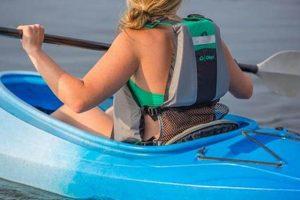
PFDs are essential safety equipment for any kayak fishing excursion. They provide buoyancy in the event of capsizing or accidental immersion, increasing the chances of survival. Selecting a properly fitted and comfortable PFD is crucial, ensuring freedom of movement while paddling and fishing. Regular inspection and maintenance of PFDs are necessary to ensure their effectiveness in emergency situations. The Salento coastline, while generally accessible, presents varying conditions, including potential for sudden changes in weather and sea state. Wearing a PFD provides a critical safety margin in unforeseen circumstances.
- Communication Devices
Maintaining communication while kayak fishing is vital for safety and emergency response. A waterproof VHF radio enables direct contact with coastal authorities and other vessels in case of distress. Mobile phones, while useful, can have limited reception in offshore areas. Satellite communication devices offer a reliable alternative for remote locations beyond cellular coverage. Informing someone ashore of planned fishing routes and estimated return times adds another layer of safety, enabling timely assistance if needed. The ability to communicate effectively allows for rapid response in emergencies, minimizing potential risks associated with unforeseen circumstances.
- Emergency Preparedness
Carrying essential safety gear beyond PFDs and communication devices enhances preparedness for potential emergencies. A first-aid kit equipped to handle common injuries, such as cuts, hooks, and stings, is essential. Signaling devices, including flares, whistles, and mirrors, can attract attention in distress situations. A basic understanding of marine navigation, including chart reading and compass use, can prove invaluable if electronic navigation systems fail. Preparation for potential challenges, from minor injuries to unexpected weather changes, contributes significantly to a safer and more confident fishing experience.
- Environmental Awareness
Awareness of environmental conditions and potential hazards is critical for safe kayak fishing in Salento. Checking weather forecasts before embarking on a trip allows anglers to avoid potentially dangerous conditions, such as strong winds, thunderstorms, or rough seas. Understanding local currents and tidal movements is essential for navigating safely and avoiding hazardous situations. Awareness of marine life, including potentially dangerous species like jellyfish or stingrays, contributes to a safer and more informed experience. Respecting the marine environment and adhering to safe practices minimizes potential risks and enhances the overall enjoyment of the activity.
Prioritizing safety through the proper use of PFDs, communication devices, and emergency preparedness measures enhances the overall Salento kayak fishing experience. A well-informed and safety-conscious approach allows anglers to focus on the enjoyment of the sport while minimizing potential risks associated with the marine environment. Integrating these safety practices contributes to a more responsible and sustainable approach to kayak fishing, ensuring the well-being of anglers and the preservation of the Salento coastal ecosystem.
Frequently Asked Questions about Salento Kayak Fishing
This section addresses common inquiries regarding kayak fishing in Salento, providing concise and informative responses to facilitate a deeper understanding of the activity.
Question 1: What are the typical costs associated with kayak fishing in Salento?
Costs vary depending on equipment ownership. Kayak rentals typically range from 20-50 per day. Guided tours, including equipment, can range from 50-100 per person. Personal kayak ownership entails a larger initial investment but reduces long-term expenses. Additional costs include fishing licenses, tackle, and transportation.
Question 2: Are there specific areas in Salento recommended for beginners?
Sheltered bays along the Adriatic coast, particularly around Otranto and Porto Cesareo, offer calmer waters suitable for novice kayakers. These areas provide easier launching and landing points and generally calmer sea conditions.
Question 3: What is the best time of year for kayak fishing in Salento?
The optimal period spans from spring to autumn, offering favorable weather and water temperatures. Specific target species might have peak seasons; local knowledge or guided tours can provide valuable insights regarding seasonal fishing patterns.
Question 4: Is it necessary to hire a guide for kayak fishing in Salento?
While not mandatory, guided tours offer several advantages, particularly for beginners. Guides provide local expertise, including knowledge of prime fishing spots, appropriate techniques, and current regulations. They also enhance safety through navigation assistance and emergency preparedness.
Question 5: What essential safety precautions should one take while kayak fishing in Salento?
Wearing a personal flotation device (PFD) is paramount. Carrying a communication device, such as a VHF radio or mobile phone, is crucial for emergencies. Informing someone ashore about the planned fishing route and estimated return time adds an extra layer of safety. Checking weather forecasts prior to departure is essential for avoiding hazardous conditions.
Question 6: Are there any specific regulations regarding fishing from a kayak in Salento?
Regulations mirror those for shore fishing, including licensing requirements and catch limits. Specific regulations may apply to certain areas or species; consulting local authorities or experienced guides is recommended. Adhering to regulations ensures a legal and sustainable fishing practice.
Understanding these common questions and their respective answers contributes to a more informed and enjoyable Salento kayak fishing experience. Thorough preparation, adherence to regulations, and prioritization of safety enhance both the productivity and the overall enjoyment of this activity.
For further information and booking details, please consult the following resources or contact local tourism agencies.
Salento Kayak Fishing
Exploration of Salento kayak fishing reveals a unique pursuit blending angling skill with an intimate experience of the region’s stunning coastline. Key elements discussed include the diverse fishing grounds offered by the Adriatic and Ionian Seas, the targeted species of sea bream and sea bass, effective techniques like trolling, casting, and jigging, and the critical importance of appropriate equipment selection. Adherence to local fishing regulations and unwavering prioritization of safety measures underscore the responsible approach required for a sustainable and rewarding experience.
Salento kayak fishing offers more than just a recreational activity; it provides a connection with the region’s rich maritime heritage and its vibrant marine ecosystem. Preservation of this unique environment through responsible fishing practices ensures the continued enjoyment of this pursuit for generations to come. Consideration of the insights presented within this exploration empowers individuals to embark on informed and enriching Salento kayak fishing adventures, fostering a deeper appreciation for both the sport and the natural beauty it encompasses.