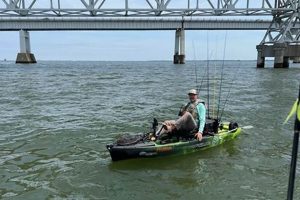
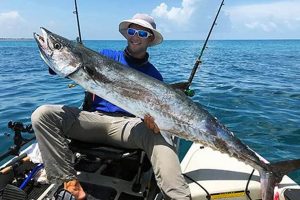
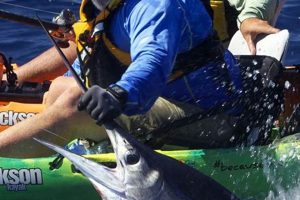
This activity involves angling from a small, human-powered watercraft in the waters surrounding Miami, Florida. It offers a unique blend of recreation and sport, allowing close contact with the marine environment. Imagine navigating tranquil Biscayne Bay, casting a line near vibrant coral reefs, or exploring the diverse ecosystem of the Everglades National Park, all from the seat of a kayak.
The shallow-water accessibility provided by kayaks opens up prime fishing grounds often unreachable by larger vessels. This method offers a stealthy approach, allowing anglers to get closer to fish without disturbing them. Furthermore, the low impact nature of this pursuit aligns with sustainable fishing practices. The region’s rich angling history, coupled with the growing popularity of kayak-based activities, has established this as a prominent recreational activity.
This article will further explore various aspects of this pursuit, including suitable kayak selection, essential equipment, recommended locations, local regulations, and responsible angling practices. Further sections will offer practical tips and resources for both novice and experienced anglers seeking to experience the unique opportunities available in this vibrant coastal region.
Tips for Kayak Fishing in Miami
Successful kayak angling in Miami requires preparation and adherence to best practices. The following tips offer guidance for a safe and productive experience.
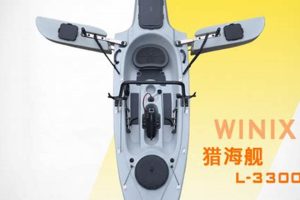
Tip 1: Choose the Right Kayak: Kayak selection depends on individual needs and fishing style. Sit-on-top kayaks offer stability and ease of re-entry after a water landing, making them suitable for beginners. Sit-in kayaks provide better protection from the elements and increased storage capacity. Pedal-driven kayaks allow hands-free fishing, offering an advantage when navigating currents or covering larger distances.
Tip 2: Prioritize Safety Equipment: Essential safety gear includes a personal flotation device (PFD), a whistle, a visual distress signal, and a communication device. A first-aid kit and a waterproof pouch for essential items are also recommended. Checking weather conditions before embarking and informing someone of the planned fishing route are crucial safety precautions.
Tip 3: Utilize Appropriate Fishing Gear: Rod and reel selection depends on targeted species. Lighter tackle is suitable for inshore species like bonefish and snapper, while heavier gear is needed for offshore game fish. Selecting appropriate lures, lines, and hooks based on target species increases fishing success.
Tip 4: Understand Local Regulations: Familiarization with local fishing regulations, including licensing requirements, catch limits, and protected species, is essential. Adhering to these regulations contributes to sustainable fishing practices and ensures the preservation of local fish populations.
Tip 5: Respect the Environment: Practicing catch-and-release whenever possible helps conserve fish stocks. Proper disposal of fishing line and other debris minimizes environmental impact. Respecting wildlife and avoiding disturbances to natural habitats promotes responsible angling practices.
Tip 6: Plan for Weather Conditions: Miami’s weather can be unpredictable. Checking marine forecasts before heading out is essential. Being prepared for changing conditions, including sudden rain showers or strong winds, ensures a safe and enjoyable experience.
Tip 7: Navigate with a Chart or GPS: Utilizing a nautical chart or GPS device facilitates safe navigation, particularly in unfamiliar waters. Marking waypoints and tracking fishing locations can enhance efficiency and aid in returning to launch points.
By following these guidelines, anglers can maximize their chances of a productive and enjoyable fishing experience while prioritizing safety and environmental responsibility.
This article concludes with a summary of key information and resources for pursuing this rewarding activity in Miami’s diverse waters.
1. Location

Location plays a critical role in kayak fishing around Miami. The diverse ecosystem offers various fishing grounds, each with unique characteristics influencing species availability, fishing techniques, and required equipment. Biscayne Bay, with its shallow flats and mangrove-lined shorelines, provides excellent opportunities for targeting bonefish, tarpon, and permit. The Everglades National Park, a vast expanse of interconnected waterways and shallow flats, offers access to snook, redfish, and largemouth bass. Offshore reefs, accessible by kayak from various launch points, hold pelagic species like mahi-mahi, kingfish, and snapper. Choosing a location aligned with target species and angler experience significantly impacts fishing success.
The selection of a launch site within a chosen location further refines the fishing experience. Public boat ramps provide easy access to open waters, while smaller, less-trafficked launch points offer a quieter and more secluded experience. Consideration of tides, currents, and wind conditions when selecting a launch site enhances safety and improves fishing prospects. For instance, launching near a tidal inlet during an outgoing tide can provide access to feeding fish as they move with the current. Conversely, fishing in shallow flats during high tide allows access to areas inaccessible at low tide.
Successful kayak fishing in Miami requires careful consideration of location. Matching the fishing location and launch site to target species, experience level, and prevailing conditions increases the likelihood of a productive and enjoyable outing. Understanding the nuances of each location, from water depth and bottom structure to prevailing currents and tidal influences, allows anglers to refine their strategies and maximize their success.
2. Equipment

Specialized equipment plays a crucial role in the success and enjoyment of kayak fishing in Miami. Appropriate gear selection hinges on several factors, including target species, fishing location, and individual angler preferences. A well-outfitted kayak enhances safety, improves fishing efficiency, and allows anglers to adapt to varying conditions encountered in Miami’s diverse waters. The connection between equipment and experience is direct; appropriate choices lead to a safer and more rewarding experience.
Essential equipment falls into several categories. Firstly, the kayak itself forms the foundation. Stability, maneuverability, and storage capacity are key considerations. Sit-on-top kayaks offer enhanced stability and self-bailing capabilities, ideal for beginners or fishing in calmer waters. Sit-in kayaks provide greater protection from the elements and increased storage for gear, suitable for longer trips or challenging conditions. Secondly, appropriate fishing tackle is crucial. Rods, reels, lines, and lures should be selected based on the target species. Lighter tackle suits inshore fishing for species like bonefish and snapper, while heavier setups are necessary for offshore targets such as kingfish and mahi-mahi. A variety of lures and terminal tackle allows anglers to adapt to changing conditions and fish behavior.
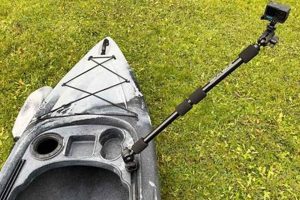
Beyond the kayak and fishing gear, safety and navigational equipment are paramount. A personal flotation device (PFD) is mandatory and crucial for angler safety. A whistle, visual distress signals, and a waterproof communication device are essential for emergencies. Navigation tools, such as a chart, GPS device, or compass, ensure accurate positioning and safe return to launch points. Additional accessories, including a fish finder, anchor, and rod holders, further enhance the fishing experience. Careful consideration of equipment needs, based on specific fishing goals and local conditions, contributes significantly to a safe, productive, and enjoyable kayak fishing experience in Miami.
3. Species
The diverse fish species inhabiting Miami’s waters are central to the kayak fishing experience. The range extends from inshore species like bonefish, tarpon, snook, redfish, permit, and snapper to offshore pelagic species like mahi-mahi, kingfish, sailfish, and tuna. This variety presents opportunities for anglers of all skill levels, targeting specific species based on preference, equipment, and location. Understanding the habits and habitats of target species is crucial for successful angling. For example, bonefish frequent shallow flats and require stealthy approaches, while tarpon prefer deeper channels and demand heavier tackle. Matching fishing techniques to the target species is essential for maximizing catch rates.
The interconnectedness of species within the local ecosystem plays a significant role in the overall fishing experience. Baitfish populations influence the presence of larger predatory fish. Understanding these relationships provides insights into likely fishing locations and effective bait choices. For instance, the presence of schools of baitfish near a reef structure might indicate the presence of larger predatory species like snapper or kingfish. Furthermore, seasonal migrations impact species availability. Tarpon, for example, migrate through Miami’s waters during specific periods, creating seasonal fishing opportunities.
Knowledge of local fish species and their behaviors is essential for responsible angling practices. Adhering to catch limits, size restrictions, and seasonal closures ensures the sustainability of fish populations. Practicing catch-and-release techniques minimizes stress on caught fish and promotes conservation. Respecting the ecosystem by avoiding damage to habitats and minimizing disturbance to non-target species contributes to the long-term health of Miami’s fisheries. Understanding the role of species within the ecosystem provides a deeper appreciation for the kayak fishing experience and promotes sustainable angling practices.
4. Regulations
Regulations governing kayak fishing in Miami are essential for maintaining healthy fish populations, protecting sensitive habitats, and ensuring a sustainable recreational fishery. These regulations, primarily enforced by the Florida Fish and Wildlife Conservation Commission (FWC), cover various aspects of the activity, including licensing requirements, catch limits, size restrictions, seasonal closures, and permitted fishing methods. Compliance with these regulations is not merely a legal obligation but a crucial contribution to preserving Miami’s diverse marine ecosystem. Ignoring regulations can lead to detrimental consequences, including overfishing, habitat destruction, and disruption of the natural balance. For example, exceeding catch limits for a particular species can deplete its population, impacting the entire food chain and potentially harming the overall health of the ecosystem.
Specific regulations relevant to kayak anglers in Miami include the requirement for a saltwater fishing license unless exempt. Exemptions typically apply to residents fishing from land or a structure attached to land, certain individuals with disabilities, and those fishing on licensed charter vessels. Regulations also stipulate bag limits and size restrictions for various species. For instance, snook fishing is subject to strict size and bag limits, as well as seasonal closures designed to protect the species during its vulnerable spawning periods. Understanding these species-specific regulations is crucial for responsible angling. Furthermore, certain areas, such as designated spawning grounds or protected habitats within Biscayne National Park or Everglades National Park, may have specific restrictions on fishing activities. Familiarization with these area-specific regulations is crucial for avoiding unintentional violations.
Adherence to fishing regulations ensures the long-term health and sustainability of Miami’s marine resources. Compliance not only preserves fish populations and protects sensitive habitats but also contributes to the overall quality of the recreational fishing experience. By understanding and respecting these regulations, kayak anglers play a vital role in maintaining a thriving and balanced ecosystem for future generations. Resources like the FWC website and local bait and tackle shops provide up-to-date information on current regulations and best practices. Staying informed and adhering to these guidelines ensures a responsible and sustainable approach to kayak fishing in Miami.
5. Safety

Safety is paramount in kayak fishing, particularly in the dynamic environment of Miami’s waters. The combination of open ocean, shallow flats, diverse weather patterns, and potential encounters with marine life necessitates a proactive and comprehensive approach to safety. Understanding potential hazards and implementing appropriate safety measures significantly reduces risks and ensures an enjoyable fishing experience. Neglecting safety protocols can lead to serious consequences, impacting not only the angler but also potentially involving rescue personnel.
- Personal Flotation Devices (PFDs)
Wearing a properly fitted PFD is non-negotiable. PFDs provide essential buoyancy, especially in the event of capsizing or unexpected immersion. Different PFD types exist, each designed for specific activities. Choosing a Type I, II, or III PFD suitable for kayaking and providing adequate flotation is crucial. Inflatable PFDs offer comfort and flexibility but require regular maintenance and inspection to ensure proper function in an emergency. Wearing a PFD is not merely a recommendation but a legal requirement in many areas and a fundamental practice for responsible kayaking.
- Weather Awareness
Checking marine weather forecasts before embarking on a kayak fishing trip is crucial. Miami’s weather can change rapidly, with sudden squalls, thunderstorms, and strong winds developing unexpectedly. Being aware of prevailing conditions and potential changes allows anglers to make informed decisions about launching, fishing locations, and return times. Monitoring weather radar and having a plan for seeking shelter in case of unexpected storms is essential. Ignoring weather warnings can lead to dangerous situations, including capsizing, exposure, and difficulty navigating back to shore.
- Navigation and Communication
Carrying navigation and communication equipment is vital for safe kayak fishing. A GPS device, chart, and compass provide essential navigational aids, particularly in unfamiliar waters or areas with limited visibility. A charged mobile phone in a waterproof case allows communication in case of emergencies. A VHF radio provides a more reliable communication method, especially in offshore areas where mobile phone coverage may be limited. Informing someone on shore of the planned fishing route and estimated return time provides an additional safety layer. Disorientation or communication failure can lead to delays, requiring assistance from search and rescue personnel.
- Wildlife Awareness
Miami’s waters are home to diverse marine life, some of which can pose potential hazards to kayakers. Understanding local species and their behaviors is important for safe interaction. Avoiding close approaches to large marine animals, such as sharks, dolphins, and manatees, minimizes the risk of disturbance or accidental encounters. Being aware of potentially hazardous species like jellyfish and stingrays allows anglers to take precautions and avoid contact. Carrying a first-aid kit equipped to handle minor injuries or stings is recommended.
These safety considerations are interconnected and contribute to a comprehensive safety strategy. Implementing these practices significantly reduces risks associated with kayak fishing in Miami’s waters, allowing anglers to focus on the enjoyment of the sport while minimizing potential hazards. Preparation, awareness, and responsible decision-making are key to a safe and successful kayak fishing experience.
6. Techniques
Effective techniques are essential for successful kayak fishing in Miami. The diverse environment, ranging from shallow flats to open ocean, requires adaptable strategies. Proper techniques maximize catch rates while minimizing environmental impact and ensuring angler safety. Understanding these methods allows anglers to target specific species, adapt to varying conditions, and enhance the overall fishing experience. The connection between technique and success is direct; refined approaches translate to improved results.
- Drift Fishing
Drift fishing involves allowing the kayak to drift naturally with the current or wind, covering a wider area and presenting bait or lures to a larger number of fish. This technique is particularly effective in areas with consistent currents or wind patterns, such as channels, inlets, or open flats. In Miami, drift fishing can be productive for species like snapper, grouper, and snook. Controlling drift speed with a drift sock or sea anchor allows anglers to maintain optimal bait presentation and coverage. Understanding tidal flows and wind direction is crucial for effective drift fishing, allowing anglers to predict fish movement and position the kayak for optimal presentations.
- Anchoring and Bottom Fishing
Anchoring allows anglers to target specific structures or areas holding fish. This technique is effective near reefs, wrecks, or other bottom features attracting species like snapper, grouper, and seabass. Proper anchoring technique, including selecting an appropriate anchor type and deployment method, prevents dragging and minimizes disturbance to the seafloor. Using a chum bag or live bait near the anchor attracts fish and increases bite rates. Understanding bottom topography and fish behavior is crucial for successful anchoring and bottom fishing. Choosing locations based on depth, structure, and prevailing currents maximizes chances of encountering target species.
- Sight Fishing
Sight fishing involves actively searching for fish and casting directly to them. This technique requires keen observation skills and a stealthy approach. Polarized sunglasses are essential for reducing glare and improving visibility in shallow water. Sight fishing is effective in Miami’s clear, shallow flats for species like bonefish, permit, and redfish. Accurate casting and precise bait presentation are critical for success. Understanding fish behavior and preferred habitats is essential for locating and targeting specific species. Quiet paddling and minimizing kayak movement prevent spooking fish, increasing the chances of a successful hookup.
- Trolling
Trolling involves dragging lures or bait behind a moving kayak. This technique is effective for covering larger distances and targeting pelagic species like mahi-mahi, kingfish, and wahoo. Varying trolling speed and depth allows anglers to target specific species and adjust to changing conditions. Using planer boards or outriggers extends the spread of lures, covering a wider area and increasing the likelihood of attracting fish. Understanding fish behavior, preferred depths, and water temperature helps determine optimal trolling strategies. Monitoring rod tips and line tension provides indications of strikes and allows for timely hooksets.
These techniques, while distinct, often complement each other. Adapting techniques based on prevailing conditions, target species, and location maximizes success. Mastering these methods and understanding their application within the context of Miami’s diverse fishing environment elevates kayak angling from a recreational pursuit to a rewarding and productive experience. Combining appropriate techniques with knowledge of local regulations, species behavior, and safety practices creates a complete approach to kayak fishing in Miami.
Frequently Asked Questions
This section addresses common inquiries regarding kayak fishing in Miami, providing concise and informative responses to facilitate a better understanding of this activity.
Question 1: What are the licensing requirements for kayak fishing in Miami?
A saltwater fishing license is generally required for anglers over 16 and under 65 years of age, unless exempt due to specific circumstances such as residency, disability, or fishing from a licensed charter vessel. Consulting the Florida Fish and Wildlife Conservation Commission (FWC) website provides comprehensive details on license requirements and exemptions.
Question 2: What are the best locations for kayak fishing in Miami?
Optimal locations vary depending on target species and angler experience. Biscayne Bay offers diverse inshore opportunities, while Everglades National Park provides access to extensive shallow-water habitats. Offshore reefs are accessible by kayak from various launch points. Researching specific locations within these areas, considering factors like water depth, structure, and accessibility, further refines choices.
Question 3: What essential safety equipment is recommended for kayak fishing in Miami?
Essential safety gear includes a properly fitted personal flotation device (PFD), a whistle, visual distress signals, a communication device (waterproof mobile phone or VHF radio), and a first-aid kit. Navigation tools like a GPS, chart, and compass are also highly recommended, especially for unfamiliar waters. Checking weather forecasts before departure is crucial.
Question 4: What types of fish can be caught kayak fishing in Miami?
The diverse waters around Miami support a wide array of fish species, including inshore species such as bonefish, tarpon, snook, redfish, permit, and snapper, as well as offshore pelagic species like mahi-mahi, kingfish, sailfish, and tuna. Target species often influence location selection and required equipment.
Question 5: What are the typical costs associated with kayak fishing in Miami?
Costs vary depending on equipment choices. Kayak rentals typically range from $50 to $150 per day. Purchasing a kayak can range from a few hundred to several thousand dollars. Fishing licenses, tackle, bait, and safety gear add to the overall cost. Budget considerations depend on individual needs and preferences.
Question 6: Are guided kayak fishing tours available in Miami?
Numerous guided kayak fishing tours operate throughout Miami, catering to varying skill levels and targeting specific species. Guided tours offer benefits such as local expertise, provided equipment, and access to prime fishing locations. Researching reputable tour operators ensures a positive and informative experience.
Careful consideration of these frequently asked questions provides a foundation for a safe, enjoyable, and productive kayak fishing experience in Miami. Thorough preparation and responsible angling practices contribute to the sustainability of this popular recreational activity.
This concludes the frequently asked questions section. The following section provides additional resources and information relevant to kayak fishing in Miami.
Kayak Fishing Miami
This exploration of kayak fishing in Miami has highlighted key aspects of this popular pursuit. From equipment selection and location considerations to species identification, regulatory adherence, and essential safety practices, the information presented provides a comprehensive overview. The diverse ecosystem surrounding Miami offers unique angling opportunities, demanding both respect for the environment and a commitment to responsible fishing practices. Understanding local regulations, respecting catch limits, and minimizing environmental impact contribute to the sustainability of this valuable resource.
Kayak fishing in Miami presents a distinctive way to engage with the natural world. The combination of physical exertion, strategic thinking, and close interaction with the marine environment offers a rewarding experience. Continued exploration of this activity requires mindful consideration of the delicate balance between recreational enjoyment and environmental stewardship. The future of kayak fishing in Miami rests on the collective responsibility of anglers to prioritize safety, adhere to regulations, and engage in sustainable practices. This ensures the preservation of this unique recreational opportunity for generations to come.