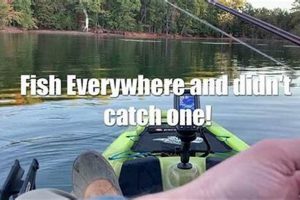
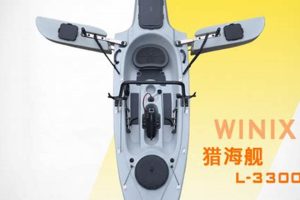
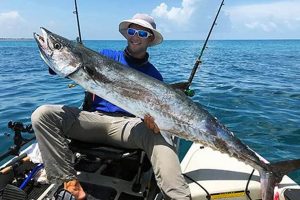
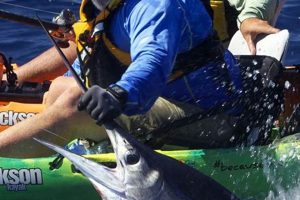
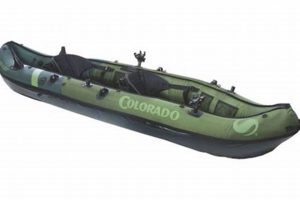
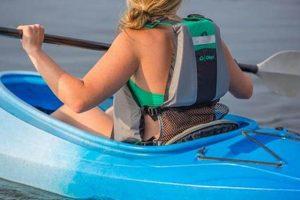
This specific model of recreational watercraft is a sit-on-top style vessel designed for angling. Its stability, size, and features cater to diverse fishing environments, from calm lakes to open ocean waters. Typically constructed from durable rotomolded polyethylene, these vessels often incorporate specialized features such as rod holders, storage compartments, and anchor trolleys.
The combination of maneuverability and load capacity offered by this type of watercraft allows anglers to access shallow waters and transport necessary gear effectively. Its popularity stems from a blend of performance, affordability, and ease of use, making it a suitable choice for both novice and experienced anglers. This design has evolved over time, incorporating advancements in materials and construction techniques to enhance durability and performance.
Further exploration will delve into specific design elements, performance characteristics, and potential advantages and disadvantages of this class of fishing kayak. Topics covered will include hull design, material selection, and available configurations to provide a comprehensive understanding of this popular angling platform.
Tips for Utilizing a Sit-On-Top Fishing Kayak
Optimizing the use of a sit-on-top fishing kayak involves understanding its capabilities and employing appropriate techniques. These tips aim to enhance safety and improve the overall fishing experience.
Tip 1: Stability and Balance: Maintaining balance is crucial. Distribute weight evenly and avoid sudden movements. Practice entering and exiting the kayak in shallow water before venturing into deeper areas.
Tip 2: Paddle Selection: Choosing the correct paddle length is essential for efficient paddling. Consider factors such as torso height and kayak width when selecting a paddle.
Tip 3: Gear Organization: Proper gear organization maximizes space and accessibility. Utilize storage compartments and secure loose items to prevent loss or interference with paddling.
Tip 4: Safety Equipment: Always wear a personal flotation device (PFD). Carry a whistle, signaling device, and basic first-aid kit. Inform someone of your paddling plans and estimated return time.
Tip 5: Navigation and Planning: Check weather forecasts and water conditions before embarking on a trip. Familiarize oneself with the area and potential hazards. Carry a map or chart and compass, or a GPS device.
Tip 6: Anchoring Techniques: Learn effective anchoring techniques to maintain position in desired fishing locations. Consider using an anchor trolley system for optimal control.
Tip 7: Fishing Etiquette: Respect other boaters and anglers. Adhere to local fishing regulations and practice catch-and-release principles whenever appropriate.
By adhering to these guidelines, individuals can maximize their fishing kayak experience while ensuring safety and responsible enjoyment of the aquatic environment.
These tips offer a foundation for successful kayak fishing. A deeper understanding of these principles and continued practice will further enhance proficiency and enjoyment on the water.
1. Stability

Stability is a critical performance attribute for fishing kayaks, directly influencing angler safety, comfort, and fishing effectiveness. For the Tarpon 140, stability is a key design consideration, balancing performance with angler needs. Examining the components contributing to stability provides insight into its on-the-water performance.
- Hull Design:
The Tarpon 140 typically features a relatively wide, flat-bottomed hull. This design provides inherent primary stability, resisting initial tipping. The wider hull provides a larger base of support, making it less likely to capsize with minor shifts in weight. This is particularly important for activities like casting and landing fish, where balance can be momentarily compromised.
- Center of Gravity:
The sit-on-top design of the Tarpon 140 contributes to a lower center of gravity compared to traditional sit-inside kayaks. A lower center of gravity enhances secondary stability, the ability to recover from larger destabilizing forces. The angler’s weight, combined with the kayak’s design, creates a stable platform resistant to tipping.
- Weight Capacity:
The Tarpon 140 possesses a substantial weight capacity, allowing anglers to carry gear and supplies without compromising stability. This higher capacity contributes to overall stability by maintaining a balanced load distribution even with added weight from equipment or catch.
- Waterline Beam:
The width of the kayak at the waterline, known as the waterline beam, significantly impacts stability. A wider waterline beam provides enhanced initial stability. The Tarpon 140’s design optimizes the waterline beam for a balance of stability and maneuverability, crucial for navigating various fishing environments.
These combined factors contribute to the Tarpon 140’s reputation for stability. This stability translates to a secure and confident fishing experience, enabling anglers to focus on fishing rather than balancing. This balance of stability and performance is a significant factor contributing to the popularity of this specific kayak model.
2. Maneuverability

Maneuverability is a critical performance characteristic influencing a fishing kayak’s effectiveness in diverse aquatic environments. For the Tarpon 140, maneuverability is a key design consideration, balancing agility with tracking performance. An examination of the elements contributing to maneuverability provides insights into its on-the-water handling.
- Hull Length:
The Tarpon 140’s length contributes to its maneuverability profile. While longer kayaks generally track straighter, the moderate length of the 140 strikes a balance between straight-line tracking and turning responsiveness. This allows for efficient paddling in open water while maintaining the ability to navigate tighter spaces like creeks and vegetated areas.
- Hull Shape:
The hull’s shape, often featuring a shallow-V or flat bottom with defined chines (edges), impacts turning performance. These design elements contribute to the kayak’s responsiveness to paddle strokes, facilitating quick turns and directional changes. This agility is beneficial when navigating around obstacles or pursuing fish.
- Rudder or Skeg:
Some Tarpon 140 models may be equipped with a rudder or skeg. A rudder provides enhanced directional control, particularly in windy conditions or currents, improving tracking and reducing the need for corrective strokes. A skeg improves tracking by minimizing yaw (side-to-side movement), making it more efficient for paddling longer distances. These features can significantly enhance the kayak’s maneuverability in challenging conditions.
- Waterline Length:
The portion of the hull in contact with the water, the waterline length, directly influences turning performance. A shorter waterline length generally results in increased maneuverability. While the Tarpon 140’s overall length contributes to tracking, the hull design often optimizes the waterline length to enhance turning responsiveness.
These factors contribute significantly to the Tarpon 140’s maneuverability profile, allowing anglers to navigate diverse environments efficiently. This balance of responsiveness and tracking performance is a key element contributing to the kayak’s versatility and suitability for various fishing scenarios.
3. Storage Capacity

Ample and well-designed storage is a crucial aspect of fishing kayak functionality, directly impacting organization, accessibility, and overall fishing experience. The Tarpon 140 fishing kayak addresses this need with various storage solutions designed to accommodate essential gear and enhance on-the-water efficiency. Understanding these storage options provides insights into the kayak’s practicality for diverse fishing scenarios.
- Tankwell Storage:
The rear tankwell, an open storage area located behind the seat, provides ample space for larger items such as crates, tackle boxes, and even a small cooler. Bungee cords typically secure these items, preventing shifting or loss during transport. This open design allows for quick access to frequently used gear.
- Hatch Storage:
One or more sealed hatches provide dry storage compartments within the hull. These compartments protect sensitive items like electronics, wallets, and keys from water damage. Hatches offer secure storage for items not requiring frequent access during a fishing trip.
- Side Storage:
Recessed areas or molded pockets along the sides of the kayak offer convenient storage for smaller items like pliers, fishing tools, and lures. These readily accessible compartments keep essential gear within easy reach, minimizing disruption during fishing.
- Rod Holders:
Flush-mounted or adjustable rod holders provide dedicated storage for fishing rods. These holders secure rods during transport and allow for convenient access while fishing. The number and positioning of rod holders vary depending on the specific Tarpon 140 configuration.
The strategic combination of these storage solutions contributes to the Tarpon 140’s practicality as a fishing platform. Efficient organization and readily accessible gear enhance the overall fishing experience, allowing anglers to focus on fishing rather than managing equipment. This thoughtful approach to storage design contributes to the kayak’s popularity among anglers.
4. Comfort
Comfort is a critical factor influencing angler endurance and overall enjoyment during extended fishing trips. The Tarpon 140 fishing kayak incorporates design elements aimed at enhancing angler comfort, contributing to a more positive on-the-water experience. Analyzing these comfort-focused features provides valuable insights into the kayak’s suitability for prolonged use.
- Seat Design:
The seat plays a pivotal role in overall comfort. The Tarpon 140 typically features an adjustable seat with a padded backrest and breathable fabric. Adjustability allows anglers to customize the seat position for optimal back support and paddling posture. Padding and breathability minimize pressure points and enhance comfort during long hours on the water. Features like adjustable straps and lumbar support further contribute to a comfortable and supportive seating experience.
- Leg Room and Footrests:
Adequate legroom and adjustable footrests contribute significantly to comfort and efficient paddling. The Tarpon 140’s design typically incorporates ample legroom to accommodate anglers of varying heights. Adjustable footrests allow for customized positioning, ensuring proper leg extension and support during paddling. This adjustability contributes to both comfort and efficient power transfer during paddling strokes.
- Deck Padding:
Standing for casting or landing fish requires a stable and comfortable platform. Deck padding, often made from EVA foam, provides a non-slip surface that enhances grip and cushions the angler’s feet. This padding reduces fatigue and improves stability during stand-up fishing activities.
- Ergonomics:
The overall ergonomics of the kayak, including the placement of hatches, rod holders, and other accessories, contribute to ease of use and comfort. Thoughtful placement minimizes awkward reaching or twisting, reducing strain and fatigue during extended fishing trips. This ergonomic design enhances the angler’s ability to focus on fishing rather than managing discomfort.
These comfort-focused design elements contribute significantly to the Tarpon 140’s suitability for extended fishing excursions. By prioritizing angler comfort, the kayak enhances endurance, reduces fatigue, and ultimately contributes to a more enjoyable and productive fishing experience.
5. Durability
Durability is a paramount consideration for fishing kayaks, given the demanding environments they often encounter. The Tarpon 140 fishing kayak addresses this requirement through robust construction and material selection, ensuring longevity and reliable performance. Understanding the factors contributing to the kayak’s durability is essential for informed ownership and maintenance.
Rotomolded polyethylene construction is a hallmark of the Tarpon 140. This process creates a single-piece, seamless hull with exceptional impact resistance and structural integrity. The inherent strength of rotomolded polyethylene enables the kayak to withstand impacts from rocks, submerged obstacles, and general wear and tear associated with transport and usage. UV resistance is another critical aspect of this material, preventing degradation from prolonged sun exposure. This contributes to the kayak’s long-term durability and resistance to fading or cracking. Impact modifiers are often added to the polyethylene during manufacturing, further enhancing its resistance to cracking or deformation under stress. This added protection is crucial for kayaks frequently used in challenging environments.
The practical significance of a durable fishing kayak extends beyond longevity. A robust construction translates to dependable performance in diverse conditions, providing a reliable platform for anglers in various fishing scenarios. Regular maintenance, including cleaning and inspection for damage, further extends the lifespan of the kayak. Addressing minor scratches or abrasions promptly prevents further deterioration and preserves the kayak’s structural integrity. Understanding the Tarpon 140’s inherent durability, coupled with proper care, ensures years of reliable service on the water.
6. Specialized Features

Specialized features distinguish the Tarpon 140 fishing kayak from recreational paddling kayaks, optimizing its functionality for angling. These features are not merely add-ons but integrated design elements that enhance fishing effectiveness and overall experience. Understanding the purpose and application of these specialized features is crucial for maximizing the kayak’s potential on the water.
Rod holders, a defining feature, secure fishing rods while paddling or when not actively in use. Multiple rod holders, often strategically positioned, accommodate diverse fishing techniques and allow anglers to switch between rods efficiently. Adjustable rod holders offer further customization, catering to individual preferences and fishing styles. Anchor trolleys provide precise anchor control, allowing anglers to maintain position in desired fishing locations despite wind or current. This system allows for hands-free adjustment of anchor position, crucial for optimizing fishing presentation. Gear tracks, integrated into the kayak’s deck, provide a mounting platform for accessories such as fish finders, GPS units, and camera mounts. This modularity allows for personalized customization and expands the kayak’s capabilities beyond basic fishing functionalities. Specialized storage compartments, designed for tackle boxes, bait containers, and other fishing-specific gear, offer organized and readily accessible storage solutions. These purpose-built compartments contribute to efficient gear management and minimize clutter on the deck.
The integration of these specialized features underscores the Tarpon 140’s design focus as a dedicated fishing platform. These features enhance angling efficiency, improve organization, and contribute to a more streamlined and productive fishing experience. An understanding of these features’ purpose and application empowers anglers to fully utilize the Tarpon 140’s capabilities and optimize their on-the-water performance. Effective utilization of these features, combined with sound fishing techniques, contributes significantly to a successful and enjoyable angling experience.
Frequently Asked Questions
This section addresses common inquiries regarding the Tarpon 140 fishing kayak, providing concise and informative responses to facilitate informed decision-making and optimal utilization.
Question 1: What differentiates the Tarpon 140 from other fishing kayaks on the market?
The Tarpon 140 distinguishes itself through a combination of stability, maneuverability, and specialized features tailored for angling. Its design prioritizes a balance of performance characteristics suitable for diverse fishing environments.
Question 2: Is the Tarpon 140 suitable for beginners?
The Tarpon 140’s stability and ease of use make it a suitable option for beginners. However, familiarization with basic paddling and safety techniques is recommended before venturing into open water.
Question 3: What is the maximum weight capacity of the Tarpon 140?
Weight capacity varies slightly depending on the model year and specific configuration, but generally falls within a range suitable for most anglers and their gear. Consulting manufacturer specifications provides precise figures.
Question 4: Can the Tarpon 140 be used in both freshwater and saltwater environments?
The Tarpon 140’s durable construction and design make it suitable for both freshwater and saltwater environments. Proper rinsing after saltwater use is recommended to prevent corrosion or damage.
Question 5: What maintenance is required for a Tarpon 140 fishing kayak?
Regular cleaning, inspection for damage, and proper storage contribute to the kayak’s longevity. Specific maintenance recommendations, such as lubricating moving parts or inspecting hardware, can be found in the owner’s manual.
Question 6: Are there any accessories recommended for use with the Tarpon 140?
Recommended accessories depend on individual fishing styles and needs. Popular additions include paddles, personal flotation devices (PFDs), anchor systems, and fish finders. Compatibility with specific accessories should be confirmed based on the kayak’s configuration.
Understanding these key aspects contributes to informed selection and optimal utilization of the Tarpon 140 fishing kayak. Thorough research and consideration of individual needs ensure a suitable match and enhance the overall fishing experience.
Further information regarding specific features, specifications, and available configurations can be found in the subsequent sections of this comprehensive guide.
Conclusion
This exploration of the Tarpon 140 fishing kayak has highlighted its key features, including stability, maneuverability, storage capacity, comfort, durability, and specialized angling features. The analysis of these elements reveals a design focused on providing a balanced and effective platform for diverse fishing environments. Its robust construction and thoughtful design contribute to its suitability for both novice and experienced anglers.
The Tarpon 140 stands as a testament to the evolution of fishing kayak design, balancing performance with practicality. Continued exploration of specific configurations and accessories allows for further personalization and optimization based on individual angling preferences and target species. Ultimately, informed selection and responsible use contribute to a rewarding and sustainable fishing experience.