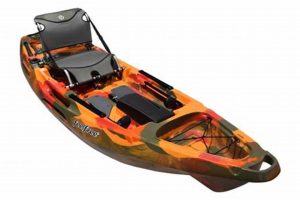
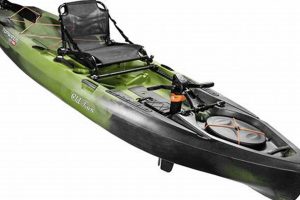
Competitive angling events held in North Carolina, utilizing kayaks as the sole fishing platform, offer a unique blend of skill and sportsmanship. These events typically involve participants competing to catch the largest or most fish within set species and size limits, often contributing to conservation efforts through catch-and-release practices. A typical competition might involve anglers launching from designated areas, fishing within specified boundaries, and presenting their catches for measurement and documentation before release.
These competitions provide a platform for anglers to test their abilities, foster camaraderie within the kayaking and angling communities, and promote environmental stewardship. They often showcase diverse fishing techniques adapted specifically for kayak angling, contributing to the growth and evolution of the sport. Historically, such events have evolved from informal gatherings of enthusiasts to well-organized tournaments with sponsorships and established rules, reflecting the increasing popularity of kayak fishing.
Further exploration of this topic will delve into specific tournament formats, regulations, prominent events within the state, and the growing impact of competitive kayak angling on North Carolina’s fisheries and economy.
Tips for Competitive Kayak Angling in North Carolina
Success in competitive kayak fishing requires careful preparation and strategic execution. The following tips offer guidance for enhancing performance and maximizing the chances of a successful tournament experience.
Tip 1: Pre-Fishing Scouting: Thoroughly research potential fishing locations prior to the tournament. Identifying key habitats, prevalent species, and optimal fishing times significantly increases the likelihood of locating and landing target fish.
Tip 2: Kayak Mastery: Proficient kayak control is essential. Practice maneuvering in various conditions, including wind and current, to maintain optimal fishing positions and ensure efficient navigation within designated tournament boundaries.
Tip 3: Tackle and Equipment Optimization: Select appropriate rods, reels, lines, and lures based on target species and anticipated fishing conditions. Ensure all equipment is in optimal working order and readily accessible during the competition.
Tip 4: Efficient Fish Handling: Practice quick and safe fish handling techniques to minimize stress on the fish and maximize time on the water. Familiarize oneself with appropriate measuring and documentation procedures.
Tip 5: Weather Awareness: Monitor weather forecasts closely and adapt fishing strategies accordingly. Understanding the influence of wind, temperature, and precipitation on fish behavior is crucial for success.
Tip 6: Tournament Rules and Regulations: Thoroughly review and understand all tournament rules and regulations prior to the event. This includes size and catch limits, permitted fishing areas, and specific equipment restrictions.
Tip 7: Safety First: Prioritize safety by wearing a personal flotation device, carrying essential safety equipment, and informing others of fishing plans. Be prepared for unexpected situations and prioritize personal well-being.
Implementing these strategies can significantly enhance performance and overall tournament experience. Consistent preparation and a focus on continuous improvement contribute to long-term success in competitive kayak angling.
By incorporating these insights and remaining adaptable to changing conditions, anglers can position themselves for a competitive edge in North Carolina kayak fishing tournaments.
1. Competition

Competition serves as the driving force behind North Carolina kayak fishing tournaments. It provides the structure and framework within which anglers test their skills, strategic thinking, and adaptability. The competitive element motivates participants to refine techniques, optimize equipment choices, and deepen their understanding of fish behavior and local ecosystems. This pursuit of excellence elevates the overall skill level within the sport and fosters innovation in kayak angling methodologies. For example, the desire to outperform competitors might lead an angler to experiment with novel lure presentations or explore less-trafficked fishing grounds, pushing the boundaries of conventional kayak angling practices. This inherent drive for improvement ultimately benefits the broader angling community through shared knowledge and advancements in fishing techniques.
Furthermore, the competitive format introduces elements of strategy and decision-making that extend beyond simply catching fish. Anglers must consider factors such as time management, resource allocation, and risk assessment. Choosing between targeting specific high-value species or maximizing the overall number of catches requires careful consideration of tournament rules, environmental conditions, and the observed performance of fellow competitors. These strategic considerations add layers of complexity and engagement to the overall tournament experience, demanding a comprehensive understanding of both angling skills and competitive dynamics. This nuanced approach to fishing distinguishes tournament participation from recreational angling, requiring a more calculated and adaptable approach.
In summary, competition acts as a catalyst for advancement and engagement within North Carolina kayak fishing tournaments. It fuels individual improvement, drives innovation, and introduces strategic elements that enhance the complexity and overall appeal of the sport. By understanding the integral role of competition, one gains a deeper appreciation for the dedication, skill, and strategic thinking exhibited by tournament anglers and the continuous evolution of kayak angling as a competitive pursuit. The challenges presented by competition contribute significantly to the growth and refinement of kayak fishing as a sport within North Carolina.
2. Kayak Angling

Kayak angling forms the foundational element of North Carolina kayak fishing tournaments. It represents the core skill set upon which competition is built. Proficiency in maneuvering a kayak, presenting lures effectively from a seated position, and managing fishing gear within the confines of a kayak are essential prerequisites for successful tournament participation. These specialized techniques distinguish kayak angling from shore-based or boat-based fishing, requiring a unique blend of balance, coordination, and adaptability. For example, the ability to position a kayak precisely within a current to optimize lure presentation, or to maintain stability while landing a fish in challenging conditions, are critical skills honed specifically through kayak angling practice.
The intimate connection between angler and water afforded by kayak fishing significantly influences tournament outcomes. Kayaks provide access to shallow, secluded areas often inaccessible to larger vessels, expanding fishing opportunities and requiring anglers to adapt their strategies accordingly. This close proximity to the water enhances an angler’s awareness of subtle environmental cues, such as water temperature variations or baitfish activity, providing valuable insights that can inform fishing decisions during competition. Furthermore, the quiet and non-intrusive nature of kayaks allows for stealthy approaches to fish, minimizing disturbance and potentially increasing catch rates, a crucial advantage in tournament settings.
In essence, kayak angling expertise is not merely a component of these tournaments; it is the defining characteristic. Mastery of kayak-specific fishing techniques, combined with an understanding of how kayak properties interact with the aquatic environment, directly influences angler performance and overall success in competitive settings. The continued growth and refinement of kayak angling skills within the North Carolina fishing community contribute directly to the increasing popularity and competitiveness of these tournaments. This intrinsic link between kayak angling proficiency and tournament success underscores the importance of dedicated practice and continuous skill development for aspiring competitive anglers.
3. North Carolina Locations
North Carolina’s diverse aquatic ecosystems play a pivotal role in shaping the character and challenge of kayak fishing tournaments. The state’s extensive coastline, intricate network of inland rivers, and abundant lakes provide a rich tapestry of fishing environments, each presenting unique opportunities and demanding specific angling approaches. The selection of tournament locations directly influences target species, fishing techniques, and overall tournament dynamics.
- Coastal Waters:
Coastal saltwater environments, including sounds, estuaries, and nearshore ocean waters, host a variety of sought-after gamefish. Tournaments held in these locations often target species such as redfish, speckled trout, flounder, and Spanish mackerel. Anglers must contend with tidal currents, wind conditions, and varying salinity levels, demanding adaptability and specialized fishing techniques. The Outer Banks, for example, offer challenging yet rewarding fishing grounds for experienced kayak anglers.
- Inland Rivers:
North Carolina’s river systems provide diverse freshwater fishing opportunities. Tournaments held on rivers like the Roanoke, Cape Fear, and Neuse often focus on species such as largemouth bass, smallmouth bass, striped bass, and catfish. Navigating currents, understanding river structure, and selecting appropriate tackle for specific river conditions are essential for success in these tournaments. The Yadkin River, for instance, offers excellent smallmouth bass fishing and presents a unique challenge for kayak anglers due to its rocky terrain and fluctuating water levels.
- Lakes and Reservoirs:
Lakes and reservoirs offer distinct fishing environments, often characterized by deeper water and calmer conditions compared to rivers or coastal areas. Tournaments held on large impoundments like Lake Norman, Jordan Lake, and Falls Lake typically target largemouth bass, crappie, and other panfish. Locating submerged structure, understanding thermocline dynamics, and employing effective boat control techniques are crucial for success in lake-based kayak fishing tournaments. Lake Mattamuskeet, for example, provides shallow-water fishing opportunities for largemouth bass and offers a unique experience for kayak anglers due to its expansive size and abundant wildlife.
- Accessibility and Infrastructure:
The accessibility of launch sites, availability of parking, and proximity to supporting infrastructure also influence the selection of tournament locations. Organizers prioritize locations that provide safe and convenient access for participants, while also considering the potential impact on the surrounding environment. Factors such as boat ramp availability, restroom facilities, and proximity to emergency services are taken into account when choosing suitable tournament venues. This focus on logistical considerations ensures a smooth and enjoyable tournament experience for all involved.
The strategic selection of tournament locations significantly impacts the overall experience and outcomes of North Carolina kayak fishing competitions. By understanding the distinct characteristics and challenges presented by each environment, anglers can better prepare their strategies, optimize their equipment choices, and enhance their chances of success. The diversity of North Carolina’s aquatic ecosystems contributes to a vibrant and dynamic tournament landscape, offering a range of experiences for anglers of all skill levels.
4. Regulations and Rules

Regulations and rules form the backbone of North Carolina kayak fishing tournaments, ensuring fair competition, promoting ethical angling practices, and contributing to the long-term sustainability of fish populations and aquatic ecosystems. These guidelines provide a structured framework within which competition can thrive, balancing the pursuit of angler achievement with the responsibility of environmental stewardship.
- Species and Size Limits:
Regulations often dictate specific species that can be targeted and establish minimum and maximum size limits for eligible catches. These restrictions aim to protect vulnerable populations, ensuring breeding stock remains sufficient for future generations. For example, a tournament might specify a minimum size limit for red drum to protect juvenile fish, promoting healthy population growth. Adherence to these limits is strictly enforced, with penalties for violations, which can include disqualification from the tournament.
- Permitted Fishing Methods and Equipment:
Rules often govern permissible fishing methods and equipment, promoting fairness and preventing exploitation of fish populations. Restrictions might include limitations on the type of lures or bait allowed, prohibiting certain fishing techniques, or mandating the use of specific gear, such as circle hooks to minimize fish injury during catch and release. For instance, a tournament might prohibit the use of live bait to minimize the impact on local baitfish populations or mandate the use of barbless hooks to facilitate easier release and reduce fish mortality.
- Designated Fishing Areas and Boundaries:
Tournaments typically define specific fishing areas within which participants are permitted to fish. These boundaries serve to concentrate fishing effort within designated zones, minimizing disturbance to sensitive habitats or areas closed for conservation purposes. For example, a tournament might restrict fishing within designated areas of a coastal estuary to protect critical seagrass beds essential for fish breeding and habitat. GPS tracking and on-the-water monitoring ensure compliance with these boundary restrictions.
- Catch and Release Practices:
Catch and release is a cornerstone of many kayak fishing tournaments, reflecting a commitment to conservation and sustainable fisheries management. Regulations often mandate specific handling procedures to minimize stress on released fish, maximizing their chances of survival. These procedures might include using wet hands or specialized handling tools to avoid removing protective slime coatings, minimizing air exposure, and reviving fish in the water before release. These practices, often outlined in pre-tournament briefings and reinforced through on-site monitoring, underscore the importance of responsible angling within the competitive framework.
These interconnected regulations and rules are essential for the integrity and sustainability of North Carolina kayak fishing tournaments. They ensure fair competition, protect fish populations, and minimize environmental impact, fostering a responsible and ethical approach to competitive angling. The ongoing refinement of these regulations, often informed by scientific data and best practices, reflects a continuous commitment to balancing the competitive spirit of these events with the long-term health of North Carolina’s aquatic resources.
5. Conservation Efforts

Conservation efforts are intrinsically linked to North Carolina kayak fishing tournaments, representing a crucial component of responsible tournament organization and angler participation. These efforts reflect a growing awareness of the importance of sustainable fisheries management and the role recreational angling plays in preserving aquatic ecosystems for future generations. The integration of conservation practices within the competitive framework demonstrates a commitment to balancing the pursuit of angling achievement with environmental stewardship.
A primary manifestation of conservation within these tournaments is the widespread adoption of catch-and-release practices. This approach minimizes the impact of fishing pressure on fish populations, allowing caught fish to be returned to the water to continue their life cycle. Tournament regulations often mandate specific handling procedures designed to maximize post-release survival rates. These procedures might include the use of barbless hooks to reduce tissue damage, minimizing air exposure for caught fish, and employing proper techniques for reviving fish before release. For example, tournaments targeting red drum in North Carolina’s coastal waters often strictly enforce catch-and-release protocols, reflecting the importance of this species to the local ecosystem and the recreational fishing industry.
Beyond catch-and-release, tournament organizers frequently collaborate with conservation organizations and state agencies to incorporate educational components into their events. Pre-tournament briefings might include presentations on proper fish handling techniques, updates on local conservation initiatives, or information about invasive species identification and reporting. Some tournaments even incorporate data collection protocols, encouraging anglers to record observations on fish health or habitat conditions, contributing valuable information for ongoing research and management efforts. This integration of education and citizen science initiatives enhances the conservation impact of tournaments, extending beyond immediate catch-and-release practices to foster a broader understanding of environmental stewardship among participants. The long-term success of kayak fishing tournaments in North Carolina relies on the continued integration and prioritization of these conservation efforts, ensuring the sustainability of the sport and the health of the aquatic ecosystems upon which it depends.
Frequently Asked Questions about North Carolina Kayak Fishing Tournaments
This section addresses common inquiries regarding competitive kayak angling in North Carolina, providing clarity on tournament structures, participation requirements, and related considerations.
Question 1: How does one locate information on upcoming kayak fishing tournaments in North Carolina?
Information on upcoming tournaments can typically be found through online resources dedicated to kayak fishing, local fishing clubs, and social media groups focused on North Carolina angling. State wildlife agency websites may also provide event listings.
Question 2: Are there specific licensing requirements for participating in these tournaments?
A valid North Carolina fishing license is generally required for tournament participation. Specific license requirements may vary based on tournament location (freshwater vs. saltwater) and species targeted. It is the angler’s responsibility to ensure compliance with all applicable licensing regulations.
Question 3: What equipment is typically required or recommended for competitive kayak fishing?
Essential equipment typically includes a fishing kayak, appropriate rods and reels, tackle suited to target species, a personal flotation device (PFD), and safety equipment. A fish finder, GPS unit, and anchor are often recommended for enhanced tournament performance.
Question 4: How are tournament winners determined, and what types of prizes are typically awarded?
Winners are typically determined based on the total length or weight of eligible fish caught within the designated timeframe. Tie-breaking procedures vary by tournament. Prizes can range from cash awards to fishing gear, sponsorships, or entry fees into future events.
Question 5: What conservation practices are commonly implemented in North Carolina kayak fishing tournaments?
Catch-and-release practices are frequently mandated, requiring careful fish handling and release procedures to maximize survival rates. Tournaments may also promote educational initiatives focusing on responsible angling and environmental stewardship.
Question 6: How can one improve kayak fishing skills in preparation for tournament participation?
Regular practice on the water, participation in local fishing clubs or guided trips, and studying resources on kayak angling techniques can significantly enhance skills and preparedness for tournament competition.
Thorough understanding of tournament regulations, appropriate preparation, and a commitment to ethical angling practices contribute to a positive and successful tournament experience. Further inquiries specific to individual events should be directed to tournament organizers.
The subsequent sections will delve into detailed analyses of specific tournament formats, successful angler strategies, and the evolving landscape of competitive kayak angling in North Carolina.
North Carolina Kayak Fishing Tournaments
This exploration of North Carolina kayak fishing tournaments has highlighted their multifaceted nature, encompassing competitive angling, specialized kayak fishing techniques, the diverse aquatic environments of North Carolina, the importance of established rules and regulations, and the integration of conservation efforts. These interconnected elements contribute to a unique sporting experience that challenges anglers while promoting responsible stewardship of the state’s valuable aquatic resources. From the strategic selection of fishing locations to the meticulous adherence to catch-and-release protocols, these tournaments represent a dynamic intersection of skill, sportsmanship, and environmental awareness.
The continued growth and evolution of competitive kayak angling in North Carolina underscore its significance within the broader fishing community. As participation increases and techniques evolve, these tournaments will likely play an increasingly important role in shaping the future of recreational fishing in the state. The emphasis on conservation, combined with the growing popularity of kayak angling, positions these events as valuable platforms for promoting sustainable fisheries management and fostering a deeper appreciation for North Carolina’s diverse aquatic ecosystems.