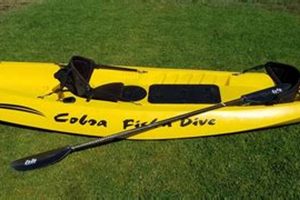
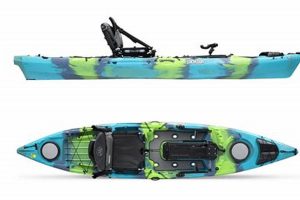
Discounted, often deeply, specialized watercraft designed for angling are readily available to consumers. These vessels, typically constructed from durable materials like polyethylene or composites, come equipped with features such as rod holders, storage compartments, and comfortable seating tailored to the needs of anglers. Finding these specialized boats at reduced prices provides an excellent opportunity for both seasoned fishermen and newcomers to acquire high-quality equipment at a lower cost.
Acquiring a purpose-built watercraft for angling at a significant price reduction offers numerous advantages. Lower initial investment allows for the allocation of funds towards other essential fishing gear, such as rods, reels, and lures. This accessibility can encourage broader participation in the sport, making it more inclusive for budget-conscious individuals. Historically, these price reductions often occur at the end of a season or when retailers need to clear inventory for newer models, creating periodic opportunities for savvy shoppers.
This discussion will further explore various aspects of acquiring these discounted boats, including factors to consider before purchasing, where to find the best deals, and tips for maximizing value. Understanding these elements can empower consumers to make informed decisions and fully enjoy the benefits of owning a specialized vessel for fishing.
Tips for Acquiring Discounted Fishing Kayaks
Acquiring a discounted fishing kayak presents a unique opportunity for significant savings. However, careful consideration of several factors ensures a successful and rewarding purchase. The following tips provide valuable guidance for navigating this process effectively.
Tip 1: Research Thoroughly: Understanding the specific features and specifications required for one’s fishing style is paramount. Research different hull designs, lengths, and weight capacities to determine the optimal vessel.
Tip 2: Inspect Carefully: Physical inspection of any discounted kayak is essential. Look for signs of wear and tear, including scratches, dents, and potential repairs. Pay close attention to the condition of the hull, seating, and any included accessories.
Tip 3: Compare Prices: Comparing prices across different retailers, both online and brick-and-mortar, ensures the best possible deal. Consider factors such as shipping costs and warranty coverage when evaluating offers.
Tip 4: Consider Timing: End-of-season sales and clearance events often offer the deepest discounts. Planning purchases strategically around these periods can maximize savings.
Tip 5: Check Return Policies: Understanding return policies before purchasing is crucial. This safeguards against unforeseen issues or incompatibility with individual needs.
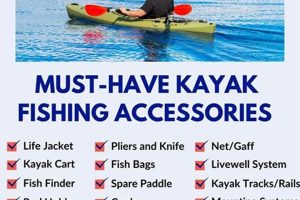
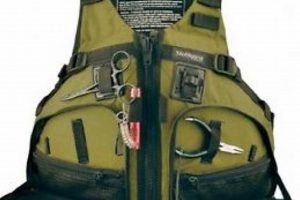
Tip 6: Factor in Accessories: Consider the cost of essential accessories such as paddles, life vests, and storage solutions. These items can significantly add to the overall investment.
Tip 7: Don’t Compromise on Safety: While finding a discounted option is desirable, safety should never be compromised. Ensure any purchased vessel meets all relevant safety standards and includes necessary safety features.
By following these guidelines, consumers can confidently navigate the market for discounted fishing kayaks. Informed decision-making facilitates the acquisition of a suitable vessel that meets individual needs and budgetary constraints, enhancing the overall fishing experience.
By carefully considering these factors, individuals can maximize the benefits of acquiring a discounted fishing kayak while ensuring a safe and enjoyable experience on the water. The following concluding remarks offer a final perspective on the advantages and considerations discussed.
1. Discounted Prices

Discounted prices serve as the primary driver behind the appeal of clearance sales for fishing kayaks. Reductions in cost make these specialized vessels accessible to a wider range of consumers. This affordability factor can be attributed to various causes, including excess inventory, end-of-season clearances, and the introduction of newer models. The effect of these price reductions is significant, influencing purchasing decisions and driving market demand. For instance, a retailer needing to clear space for next season’s inventory might offer substantial discounts on current-year models, even if those models remain perfectly functional and desirable. Another example could be a slight cosmetic blemish on a kayak, rendering it unsuitable for sale at full price but creating an opportunity for a significant discount.
Understanding the relationship between discounted prices and clearance sales empowers consumers to make informed choices. Recognizing the motivations behind price reductions allows for a more critical evaluation of the value proposition. Consumers can leverage this knowledge to negotiate better deals or strategically time purchases to coincide with peak discount periods. This practical understanding can lead to significant savings without compromising on quality or desired features. For instance, awareness of typical end-of-season sale timelines allows prospective buyers to anticipate and prepare for these opportunities, potentially securing a high-quality fishing kayak at a fraction of its original cost.
In summary, discounted prices represent a crucial aspect of clearance sales for fishing kayaks. Recognizing the interplay between retailer motivations and consumer behavior allows for strategic purchasing decisions. This awareness can ultimately lead to acquiring high-quality equipment at significantly reduced costs, enhancing accessibility and enjoyment of the sport. However, balancing the allure of a discounted price with a thorough assessment of condition and features remains essential for a satisfactory purchase.
2. Specialized Features

Specialized features significantly influence the value proposition of fishing kayaks, especially during clearance sales. These features, designed to enhance angling performance and comfort, often differentiate these specialized vessels from recreational kayaks. Examples include rod holders, adjustable seating systems, integrated tackle storage, and anchor trolleys. During clearance events, the presence and condition of these features become critical evaluation points for prospective buyers. A kayak with well-maintained specialized features retains value and desirability despite being offered at a discounted price. Conversely, a kayak with damaged or missing specialized features might warrant a deeper discount to offset the cost of replacements or repairs. Cause and effect come into play here: the condition and completeness of specialized features directly affect the perceived value and ultimate purchase decision.
The importance of specialized features as a component of fishing kayaks on clearance cannot be overstated. These features are integral to the intended use of the vessel. Consider a fishing kayak on clearance missing several rod holders. This absence diminishes its functionality for the angler, requiring aftermarket purchases and potentially modifications. This scenario illustrates how the presence and condition of specialized features influence practicality and cost-effectiveness. Another example is a high-end fishing kayak with a fully functional, adjustable seating system offered on clearance due to minor cosmetic damage. This instance presents a high-value proposition as the specialized features critical for angler comfort and performance remain intact. Understanding this dynamic empowers consumers to prioritize their needs and assess value effectively during clearance sales.
In conclusion, careful evaluation of specialized features is paramount when considering fishing kayaks on clearance. These features directly impact functionality, comfort, and overall value. Recognizing the cause-and-effect relationship between feature condition and price allows informed decision-making. This awareness empowers consumers to identify genuine bargains and avoid potentially costly compromises. The practical significance of this understanding lies in the ability to acquire a fishing kayak well-suited to individual needs and budget constraints while maximizing the benefits offered by clearance pricing.
3. Potential Defects

Potential defects represent a critical consideration when evaluating fishing kayaks on clearance. The discounted price often reflects existing imperfections, ranging from minor cosmetic blemishes to more substantial structural issues. Cause and effect play a significant role: manufacturing flaws, improper storage, or previous use can all contribute to defects. Thorough inspection becomes paramount. A seemingly minor scratch could indicate deeper structural damage, impacting long-term durability and safety. Conversely, superficial imperfections might offer opportunities for significant savings without compromising functionality. For example, a kayak with a faded hull due to sun exposure might function perfectly well, offering an excellent value proposition despite the cosmetic flaw. Conversely, a kayak with a repaired puncture, even if professionally done, carries a higher risk of future leakage and warrants careful consideration regarding its discounted price.
The importance of assessing potential defects stems from their direct impact on the kayak’s performance, longevity, and safety. Overlooking a seemingly minor issue could lead to costly repairs or safety hazards later. A small crack, for example, might expand under stress, leading to significant water ingress and potential instability. This scenario underscores the practical significance of meticulous inspection. Another example involves scrutinizing hardware like rudder systems and hatches. A corroded rudder cable, though easily replaceable, adds to the overall cost and necessitates immediate attention. Recognizing these potential issues allows informed decision-making, balancing cost savings against potential repair expenses and safety risks.
In summary, evaluating potential defects is essential when considering fishing kayaks on clearance. The relationship between price and condition necessitates careful scrutiny. Discerning between minor cosmetic imperfections and substantial structural flaws allows for informed purchasing decisions. This understanding empowers consumers to identify genuine value while mitigating potential risks, ultimately leading to a satisfactory and cost-effective acquisition. Balancing the allure of a discounted price with the potential cost of repairs or safety compromises remains crucial throughout the evaluation process.
4. Varying Inventory

Inventory fluctuation significantly impacts the availability of specific fishing kayak models during clearance sales. Understanding this dynamic allows for more effective navigation of the often-limited selection and facilitates informed purchasing decisions. Availability is rarely uniform; desirable models and sizes may sell out quickly, while less popular options linger. This variability necessitates flexibility and preparedness on the part of prospective buyers.
- Model Availability
Clearance sales often comprise discontinued models or surplus inventory from the previous season. This can lead to a diverse range of models being available, but not necessarily in all sizes or configurations. For example, a retailer might have ample stock of a particular sit-on-top model but limited availability of sit-in models. This requires potential buyers to research available models in advance and be prepared to consider alternatives if their preferred choice is unavailable.
- Size and Configuration
Even within a specific model, variations in size, color, and included accessories influence availability. Popular sizes and configurations tend to sell out quickly, leaving consumers with fewer options. For example, a specific kayak model might be available in multiple lengths, but the most popular length might be sold out, leaving only shorter or longer versions available during the clearance sale. This necessitates evaluating the available configurations and potentially compromising on preferences.
- Dealer Location
Inventory discrepancies between different retailers or physical store locations further complicate the search for a specific fishing kayak on clearance. One dealer might have a specific model available while another does not. This underscores the importance of contacting multiple retailers or visiting multiple locations to maximize search effectiveness. For example, a chain retailer might have varying stock levels across different branches, requiring consumers to check inventory at multiple stores or consider online ordering if available.
- Timing of Sales
Inventory levels dynamically change throughout the duration of a clearance sale. Early shoppers have access to a wider selection, while those arriving later face limited choices. This factor underscores the importance of timely action and decisive decision-making. For example, the beginning of a clearance sale might offer a full range of sizes and colors within a specific model, but towards the end, only less popular choices might remain. This necessitates a proactive approach to maximize the chances of finding the desired kayak.
The variability of inventory during clearance sales for fishing kayaks necessitates a strategic approach to acquisition. Recognizing these factors empowers consumers to navigate the limited selection effectively. By understanding the dynamics of model availability, size variations, dealer discrepancies, and the impact of timing, prospective buyers can increase their chances of finding a suitable fishing kayak at a discounted price. This informed approach balances the desire for specific features with the reality of limited availability, enabling consumers to make realistic and satisfying purchase decisions.
5. Return Policies

Return policies represent a critical aspect of purchasing fishing kayaks on clearance, directly influencing consumer confidence and mitigating potential risks. Clearance sales often involve discounted items sold “as is,” potentially limiting return options. This necessitates careful scrutiny of the retailer’s specific policy before finalizing a purchase. A restrictive return policy, or its complete absence, amplifies the importance of thorough pre-purchase inspection. For example, a retailer offering no returns on clearance items places the onus entirely on the buyer to identify any potential defects or ensure suitability. Conversely, a retailer offering a limited return window, even with restocking fees, provides some recourse if significant issues emerge after purchase. This distinction significantly influences the risk profile associated with acquiring discounted kayaks.
The importance of understanding return policies stems from the inherent uncertainty associated with clearance items. Discounted prices might reflect undisclosed defects or prior damage. A clear return policy provides a safety net, allowing consumers to return a kayak if it proves unsuitable or reveals significant unforeseen issues. Consider a scenario where a purchased kayak exhibits a slow leak upon its first use. A comprehensive return policy allows for recourse, potentially a full refund or exchange. Conversely, a restrictive policy leaves the consumer bearing the cost of repairs or replacement. Another example involves compatibility issues. A kayak might appear suitable in the store but prove uncomfortable or unstable on the water. A flexible return policy enables the consumer to rectify this mismatch, minimizing financial loss and frustration. Practical application of this understanding necessitates reviewing the return policy in detail, including any associated restocking fees, return shipping costs, and specific requirements like original packaging.
In summary, return policies play a crucial role in mitigating the risks inherent in purchasing fishing kayaks on clearance. The absence of a clear and consumer-friendly return policy significantly increases the potential for financial loss and dissatisfaction. Thorough understanding of these policies empowers consumers to make informed decisions, balancing the allure of discounted prices against the potential for unforeseen issues. This awareness contributes to a more confident and secure purchasing experience, fostering trust between consumer and retailer while facilitating access to specialized equipment at reduced costs. A well-defined return policy, therefore, serves not only as a consumer protection mechanism but also as a critical factor influencing the overall viability and attractiveness of clearance sales within the fishing kayak market.
6. Warranty Coverage

Warranty coverage significantly impacts the value proposition of fishing kayaks on clearance. Discounted prices often correlate with reduced or absent manufacturer warranties. This necessitates careful evaluation of remaining coverage, including duration and specific inclusions/exclusions. Cause and effect are directly linked: clearance kayaks, frequently composed of previous-year models or returned inventory, might have shorter remaining warranty periods than new kayaks. For example, a kayak purchased on clearance a year after its initial release might only retain a portion of its original manufacturer’s warranty, potentially covering only manufacturing defects and excluding wear-and-tear. Conversely, a kayak discounted due to minor cosmetic damage sustained in transit might retain its full original warranty, enhancing its value despite the superficial imperfection. This distinction requires careful scrutiny of warranty documentation before purchase.
The importance of warranty coverage as a component of fishing kayaks on clearance stems from its protective function. A warranty offers recourse against manufacturing defects or material failures, mitigating potential financial losses associated with repairs or replacements. Consider a fishing kayak purchased on clearance developing a stress fracture in the hull within the warranty period. A valid warranty facilitates repair or replacement at minimal cost to the consumer. Conversely, an expired or absent warranty places the entire burden of repair on the consumer, potentially negating the initial cost savings associated with the discounted purchase. Another practical application involves understanding the specific terms of the warranty. Some warranties might cover only the hull, excluding components like seats, hatches, or rudder systems. This nuanced understanding empowers informed decision-making.
In summary, evaluating warranty coverage is crucial when considering fishing kayaks on clearance. The potential for reduced or absent warranties underscores the importance of thorough research and documentation review. Balancing the allure of a discounted price against the potential costs associated with repairs or replacements necessitates careful consideration of warranty terms. This informed approach empowers consumers to protect their investment and maximize the long-term value of their purchase. Ultimately, understanding warranty coverage enables consumers to navigate the complexities of clearance sales effectively, facilitating informed decisions and mitigating potential financial risks.
7. Safety Considerations
Safety considerations remain paramount when evaluating fishing kayaks on clearance, irrespective of price reductions. Discounted pricing should never compromise essential safety features or encourage overlooking potential hazards. Cause and effect are intrinsically linked: a desire for cost savings might lead to overlooking critical safety aspects, increasing the risk of accidents or injuries. For instance, a heavily discounted kayak with a compromised hull, though tempting, presents a significant safety risk outweighing any potential cost benefits. Similarly, neglecting to inspect safety features like flotation devices or deck rigging due to the allure of a reduced price can jeopardize stability and safety on the water. Clearance sales might also involve discontinued models lacking the latest safety innovations, requiring careful assessment of inherent risks. For example, an older model lacking adequate storage compartments could lead to gear shifting during use, affecting stability and increasing the risk of capsizing.
The importance of safety considerations as a component of fishing kayaks on clearance cannot be overstated. These considerations directly impact the user’s well-being and experience on the water. A kayak, regardless of price, must provide a safe and stable platform for fishing. Consider a scenario where a discounted kayak lacks proper drainage scupper holes. This deficiency could lead to water accumulation within the hull, compromising stability and potentially causing the kayak to swamp. Another example involves the condition of deck rigging. Frayed or damaged rigging can fail under stress, leading to loss of essential gear or creating entanglement hazards. Practical application of this understanding necessitates thorough inspection of all safety features, including hull integrity, flotation devices, deck rigging, and storage compartments. Consulting safety guidelines and regulations further informs purchasing decisions.
In summary, safety considerations represent a non-negotiable aspect of evaluating fishing kayaks on clearance. The potential for cost savings should never supersede the prioritization of user safety. Balancing the desire for a discounted price against potential safety compromises requires careful evaluation and informed decision-making. Understanding the cause-and-effect relationship between compromised safety and increased risk empowers consumers to make responsible choices. Thorough inspection, coupled with adherence to established safety guidelines, ensures a secure and enjoyable fishing experience, irrespective of purchase price. Ultimately, prioritizing safety considerations protects both the individual user and the long-term enjoyment of the sport.
Frequently Asked Questions
This section addresses common inquiries regarding the acquisition of fishing kayaks at clearance prices. Understanding these points clarifies potential concerns and facilitates informed purchasing decisions.
Question 1: How do clearance prices affect warranty coverage for fishing kayaks?
Warranty coverage can vary significantly for clearance kayaks. Some manufacturers honor the full original warranty, while others may offer a reduced warranty period or exclude certain components. It is essential to verify the specific warranty terms with the retailer before purchase.
Question 2: Are clearance fishing kayaks typically damaged or defective?
Not all clearance kayaks are damaged or defective. Clearance pricing can stem from various factors, including overstock, discontinued models, or minor cosmetic imperfections. Thorough inspection remains crucial to identify any potential issues before purchase.
Question 3: Where can one find reputable retailers offering clearance sales on fishing kayaks?
Reputable retailers, both online and brick-and-mortar, periodically offer clearance sales on fishing kayaks. Checking local sporting goods stores, specialty kayak retailers, and online marketplaces can yield promising results. Verifying retailer reputation through online reviews and industry affiliations is recommended.
Question 4: What essential features should one look for in a clearance fishing kayak?
Essential features depend on individual fishing styles and preferences. However, common desirable features include rod holders, adjustable seating systems, ample storage compartments, and a stable hull design. Prioritizing these features during evaluation ensures the kayak meets specific angling needs.
Question 5: How does one determine the appropriate size and weight capacity for a fishing kayak purchased on clearance?
Determining appropriate size and weight capacity involves considering factors such as angler weight, anticipated gear load, and intended fishing environment. Manufacturer specifications provide guidance regarding weight limits and recommended usage. Adhering to these guidelines ensures optimal performance and safety.
Question 6: What are the potential drawbacks of purchasing a clearance fishing kayak?
Potential drawbacks can include limited selection, potentially reduced warranty coverage, and the possibility of undisclosed defects. Mitigating these risks requires thorough inspection, careful evaluation of warranty terms, and selecting reputable retailers with transparent return policies. Balancing potential cost savings against these potential drawbacks facilitates informed purchasing decisions.
Careful consideration of these frequently asked questions empowers informed decision-making, enabling individuals to acquire fishing kayaks on clearance while mitigating potential risks.
The subsequent section delves into specific strategies for maximizing value when purchasing clearance fishing kayaks.
Fishing Kayaks on Clearance
Acquiring fishing kayaks on clearance presents opportunities for significant cost savings. Successful acquisition, however, necessitates careful consideration of various factors. Evaluation of potential defects, scrutiny of warranty coverage, and understanding return policies are crucial. Specialized features, though potentially discounted, remain essential for angling functionality. Varying inventory levels require flexibility and preparedness. Ultimately, balancing cost savings against potential compromises requires informed decision-making.
Strategic acquisition of discounted fishing kayaks empowers broader participation in the sport. Careful consideration of the factors outlined herein facilitates informed purchasing decisions, optimizing value and enhancing the overall fishing experience. Thorough evaluation, coupled with realistic expectations, transforms potential risks into opportunities, ultimately contributing to greater accessibility and enjoyment of angling.