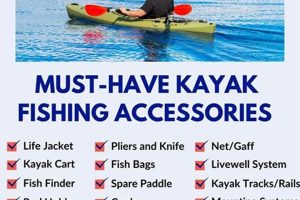
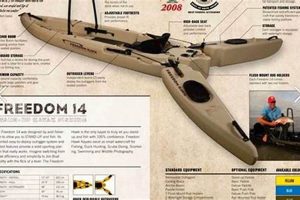
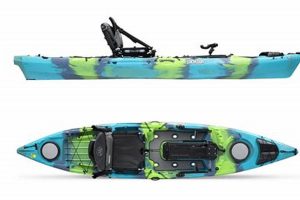
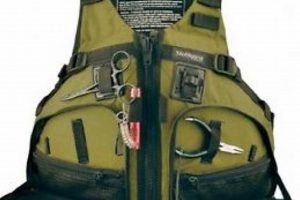
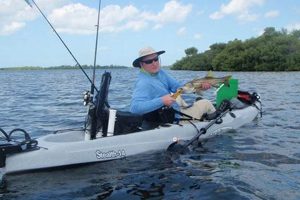
Small, stable watercraft designed for angling offer unique advantages to individuals. These vessels are often lighter and more maneuverable than traditional fishing boats, facilitating access to shallow waters and tighter spaces. Specific designs cater to diverse needs, incorporating features like rod holders, adjustable seating, and ample storage for gear. These specialized craft empower individuals to pursue their passion with enhanced comfort and efficiency.
The increasing popularity of this specialized equipment reflects a growing recognition of the benefits it offers. It provides a platform for enjoying the outdoors, promoting physical activity, and fostering a deeper connection with nature. Historically, angling equipment was often designed with a generic user in mind. The development of specialized vessels acknowledges diverse physical statures and preferences, leading to a more inclusive and enjoyable experience. This inclusivity encourages greater participation and promotes the sports growth.
This article will explore key features to consider when selecting appropriate equipment, including hull design, stability, and storage capacity. It will also delve into essential accessories and safety considerations for a successful and enjoyable angling experience.
Tips for Selecting a Kayak for Angling
Choosing appropriate equipment is crucial for a safe and enjoyable experience on the water. Careful consideration of individual needs and preferences will ensure a successful selection.
Tip 1: Consider Body Weight and Height: Kayak weight capacity should accommodate the angler’s weight plus gear. Appropriate vessel length contributes to efficient paddling and maneuverability.
Tip 2: Evaluate Hull Design: Different hull designs offer varying degrees of stability and speed. Wider, flatter hulls provide greater initial stability, while longer, narrower hulls track better and achieve higher speeds.
Tip 3: Prioritize Seating Comfort: Adjustable seating and ample legroom are essential for extended periods on the water. A comfortable seat reduces fatigue and enhances the overall experience.
Tip 4: Assess Storage Options: Adequate storage for tackle, safety gear, and personal items is crucial. Consider built-in compartments, bungee cords, and dry storage hatches.
Tip 5: Choose Appropriate Features: Rod holders, paddle clips, and anchor trolleys streamline angling activities. Ensure the vessel has the necessary features for the intended fishing style.
Tip 6: Test Before Purchasing: If possible, test different models before making a purchase. This allows individuals to assess stability, comfort, and maneuverability firsthand.
Tip 7: Research Reputable Brands: Choosing a reputable brand ensures quality construction, durability, and reliable customer service.
By considering these factors, individuals can choose equipment that enhances performance, comfort, and overall enjoyment on the water.
Selecting the right vessel opens up a world of opportunities for enjoying the outdoors and pursuing angling passions. This article has explored key considerations for making an informed decision. Further research and consultation with experienced anglers can provide additional insights for optimizing equipment selection and maximizing the angling experience.
1. Stability

Stability is a paramount consideration when selecting a fishing kayak, particularly for activities that require frequent movement and shifting weight, such as casting, reeling, and landing fish. A stable platform minimizes the risk of capsizing, ensuring angler safety and preserving valuable equipment. Kayak stability is influenced by several factors, including hull design, width, and length. Wider kayaks generally offer greater initial stability, making them suitable for calmer waters and less experienced paddlers. Longer, narrower kayaks may be less stable initially but offer increased speed and tracking ability, making them better suited for open water and experienced anglers. Hull design also plays a critical role; flat-bottomed hulls provide excellent initial stability, while rounded or V-shaped hulls offer greater maneuverability and efficiency in rougher conditions.
The importance of stability is amplified when considering the specific needs of diverse individuals. Physical stature and experience levels can significantly impact an individual’s perception of stability and comfort on the water. A kayak that feels stable for one person may feel precarious for another. Therefore, assessing individual needs and preferences is crucial. For example, an angler new to the sport might prioritize a wider, more stable platform, while a seasoned angler might prefer a kayak that sacrifices some initial stability for increased maneuverability. Testing various kayak models and seeking expert advice can assist individuals in determining the optimal level of stability for their specific requirements. Real-life scenarios underscore the practical significance of stability. Imagine an angler hooking a large fish; a stable kayak allows them to focus on the fight, while an unstable kayak might lead to a precarious situation, potentially resulting in a lost fish or even capsizing.
In summary, stability is a non-negotiable aspect of kayak selection for angling. It directly impacts safety, comfort, and overall fishing success. Understanding the factors that contribute to stability, such as hull design and width, empowers individuals to make informed choices based on their individual needs and intended fishing environment. Prioritizing stability ensures a more confident, enjoyable, and ultimately safer angling experience.
2. Weight Capacity

Weight capacity is a critical factor when selecting a fishing kayak, especially when considering the specific needs of diverse individuals. It directly impacts safety, performance, and the overall enjoyment of the angling experience. An inadequate weight capacity can compromise stability, making the kayak prone to tipping, particularly during activities like casting and landing fish. Furthermore, insufficient capacity can impede performance, making paddling less efficient and hindering maneuverability. Understanding the nuances of weight capacity empowers informed decision-making and ensures a safe and successful angling experience.
- Total Weight vs. Kayak Weight:
Total weight encompasses the combined weight of the angler, gear, and any additional equipment brought on board. Kayak weight refers to the vessel’s inherent weight without any added load. Accurately calculating total weight is essential to avoid exceeding the kayak’s specified capacity. Exceeding the limit can submerge the hull, decrease stability, and increase the risk of capsizing. For instance, an angler weighing 150 lbs with 50 lbs of gear requires a kayak with a minimum weight capacity of 200 lbs. Choosing a kayak with a higher weight capacity provides a margin of safety and ensures optimal performance.
- Impact on Performance:
Weight capacity directly influences a kayak’s performance on the water. A kayak loaded near its maximum capacity will sit lower in the water, increasing drag and reducing speed and maneuverability. This can be particularly challenging in windy conditions or when navigating currents. Conversely, a kayak with ample weight capacity will perform more efficiently, allowing for easier paddling and greater responsiveness. Understanding this relationship allows individuals to select a kayak that balances their weight requirements with desired performance characteristics.
- Distribution of Weight:
Evenly distributing weight within the kayak is crucial for maintaining stability and balance. Concentrating weight at either end can make the kayak difficult to control and increase the likelihood of tipping. Proper weight distribution involves strategically placing heavier items closer to the center of the kayak and balancing gear on both sides. This principle is especially important when carrying larger items like tackle boxes or coolers. Practicing proper weight distribution techniques enhances stability and contributes to a safer and more enjoyable paddling experience.
- Importance of Accurate Information:
Manufacturers provide weight capacity specifications for each kayak model. It is crucial to rely on this accurate information when making a purchase decision. Overestimating a kayak’s capacity can lead to dangerous situations on the water. Consulting manufacturer specifications and seeking expert advice ensures informed decision-making and promotes safe kayaking practices. This careful attention to detail contributes to a positive and secure angling experience.
Considering weight capacity in relation to individual needs and intended use is fundamental for a successful and enjoyable kayaking experience. Selecting a kayak with appropriate weight capacity not only ensures safety but also optimizes performance and enhances overall comfort on the water. By understanding the interplay of these factors, individuals can confidently choose a kayak that meets their specific requirements and promotes a fulfilling angling experience.
3. Seat Comfort

Seat comfort is a crucial factor influencing the overall angling experience, particularly during extended trips. An uncomfortable seat can lead to fatigue, back pain, and decreased focus, ultimately detracting from the enjoyment and success of a fishing excursion. This is especially relevant when considering specific designs, where factors like physical stature and center of gravity can influence seating preferences. A well-designed seat provides adequate support, promoting proper posture and reducing strain on the back and legs. Adjustable features, such as backrest angle and seat height, allow individuals to customize the seat to their specific needs, further enhancing comfort and reducing the risk of physical discomfort. The impact of seat comfort extends beyond mere physical well-being; it directly affects an angler’s ability to concentrate on the task at hand. A comfortable angler is a more focused angler, better equipped to react to the subtle cues of fish activity and execute precise casting and reeling techniques. For instance, an angler experiencing back pain due to an uncomfortable seat is less likely to notice a subtle tug on the line or maintain the necessary focus during a prolonged fight with a fish.
Several key features contribute to seat comfort in a fishing kayak. Adequate padding cushions the body and provides support, reducing pressure points and enhancing comfort during long hours on the water. Breathable materials promote ventilation, preventing overheating and moisture buildup, which can lead to discomfort and skin irritation. Adjustable backrests allow anglers to fine-tune their posture, providing optimal lumbar support and reducing back strain. The ability to adjust the seat height can also be beneficial, allowing for varying leg positions and accommodating different paddling styles. Furthermore, the seat’s construction should be durable and weather-resistant to withstand the rigors of the marine environment. High-quality materials and construction ensure long-lasting comfort and prevent premature wear and tear.
Prioritizing seat comfort translates to a more enjoyable and productive fishing experience. By investing in a kayak with a comfortable and adjustable seat, anglers can mitigate physical fatigue, enhance focus, and maximize their time on the water. This is particularly important for individuals who plan to spend extended periods fishing or have pre-existing back or joint issues. Understanding the significance of seat comfort empowers informed decision-making and contributes to a more positive and fulfilling angling experience.
4. Storage Space

Ample and well-designed storage space is essential in a fishing kayak, directly impacting organization, efficiency, and overall enjoyment on the water. Efficient storage solutions allow anglers to keep essential gear readily accessible, minimizing clutter and maximizing fishing time. This is particularly relevant for diverse individuals who may have varying equipment needs and organizational preferences. Adequate storage facilitates a more streamlined and focused fishing experience, allowing anglers to concentrate on the task at hand rather than managing gear.
- Types of Storage
Fishing kayaks offer various storage options, each catering to different needs and preferences. These include built-in compartments, such as hatches and tank wells, which provide secure storage for larger items like tackle boxes and coolers. Bungee cords and deck rigging offer convenient storage for readily accessible items like paddles and fishing rods. Dry storage compartments protect sensitive items like electronics and personal belongings from water damage. Understanding the different storage types allows anglers to select a kayak that best suits their individual gear requirements and organizational style. For instance, an angler who frequently fishes in rough conditions might prioritize dry storage, while an angler focused on minimalist fishing might prefer a kayak with a smaller footprint and less storage capacity.
- Accessibility
Easy access to gear is paramount during a fishing trip. Well-placed storage compartments and strategically positioned bungee cords allow anglers to quickly retrieve essential items without disrupting their fishing flow. This accessibility minimizes wasted time and maximizes fishing efficiency. For example, having pliers within easy reach can significantly expedite the process of unhooking a fish, while conveniently located rod holders allow for quick transitions between casting and reeling. Prioritizing accessibility enhances the overall fishing experience by streamlining activities and reducing frustration.
- Capacity and Organization
Sufficient storage capacity is essential for accommodating all necessary gear, including tackle boxes, rods, reels, safety equipment, and personal items. Well-designed storage compartments facilitate organized storage, preventing clutter and ensuring that items are easily located when needed. This organized approach minimizes time spent searching for gear, allowing anglers to focus on fishing. For example, dedicated compartments for different types of lures or fishing tools enhance efficiency and prevent tangles. A well-organized kayak contributes to a more relaxed and productive fishing experience.
- Weight Distribution and Stability
Proper weight distribution within the kayak is crucial for maintaining stability and balance. Storage compartments should be strategically placed to facilitate even weight distribution, preventing the kayak from becoming unbalanced or difficult to maneuver. Overloading storage compartments in one area can compromise stability, particularly during activities that require shifting weight, such as casting and landing fish. For example, distributing heavier items like tackle boxes evenly throughout the kayak enhances stability and maneuverability. Understanding the relationship between storage and weight distribution is essential for safe and efficient kayak operation.
Storage space in a fishing kayak is not merely a matter of convenience; it is a fundamental aspect that directly influences the overall angling experience. By considering factors such as storage types, accessibility, capacity, organization, and weight distribution, anglers can choose a kayak that optimizes their fishing efficiency, enhances comfort, and promotes a more successful and enjoyable time on the water. The careful consideration of storage needs empowers individuals to select a vessel that aligns with their specific fishing style and preferences.
5. Maneuverability

Maneuverability is a critical performance attribute in fishing kayaks, significantly influencing angling success and overall experience. Efficient navigation through diverse water conditions, including narrow creeks, winding rivers, and obstacle-filled areas, is essential for reaching prime fishing spots. Precise boat control enables anglers to position themselves optimally for casting, presentation, and fighting fish effectively. Maneuverability considerations are particularly relevant when selecting specialized equipment, as individual preferences, physical capabilities, and targeted fishing environments influence the ideal vessel characteristics.
- Hull Design and Length
Hull design significantly impacts a kayak’s maneuverability. Shorter kayaks with flatter hulls generally offer greater maneuverability in tight spaces, enabling quick turns and precise adjustments. Longer kayaks with V-shaped or rounded hulls excel in tracking and speed but may require more effort to turn sharply. Understanding the trade-offs between maneuverability and tracking helps anglers select a hull design that aligns with their target fishing environment. For example, a shorter, more maneuverable kayak is advantageous in narrow creeks and shallow waters, while a longer kayak is better suited for open lakes or coastal areas. The interplay between hull design and length directly affects the angler’s ability to navigate efficiently and position the kayak effectively for optimal fishing.
- Water Conditions
Maneuverability requirements vary depending on prevailing water conditions. Calm, flat water allows for greater flexibility in kayak selection, whereas windy conditions or strong currents demand a kayak with enhanced tracking and stability. Highly maneuverable kayaks may be more susceptible to wind drift, requiring greater paddling effort to maintain course. Conversely, kayaks designed for stability and tracking may be less responsive in tight spaces. Considering anticipated water conditions during the selection process ensures that the chosen kayak performs optimally in the intended fishing environment. For example, anglers fishing in protected bays or slow-moving rivers can prioritize maneuverability, while those fishing in exposed coastal areas or fast-flowing rivers should prioritize stability and tracking.
- Paddling Technique and Physical Capabilities
An angler’s paddling technique and physical capabilities influence their ability to maneuver a kayak effectively. Proper paddling technique maximizes efficiency and control, enabling precise movements and reducing fatigue. Individuals with limited upper body strength may prefer a lighter, more easily maneuvered kayak. Similarly, anglers new to kayaking may benefit from a more stable and forgiving hull design. Matching kayak characteristics to individual physical capabilities ensures a comfortable and enjoyable paddling experience, allowing anglers to focus on fishing rather than struggling with boat control. For example, practicing efficient paddling techniques, such as proper stroke mechanics and body rotation, enhances maneuverability regardless of kayak design.
- Fishing Style and Target Species
Fishing style and target species also influence maneuverability requirements. Anglers targeting species in shallow, vegetated areas require a highly maneuverable kayak to navigate tight spaces and avoid snags. Those trolling in open water may prioritize tracking and speed over maneuverability. Matching kayak characteristics to the intended fishing style and target species optimizes efficiency and increases the likelihood of success. For example, anglers pursuing bass in shallow, weedy areas benefit from a highly maneuverable kayak that allows them to access tight pockets and present lures effectively. Conversely, anglers trolling for offshore species may prefer a longer, more stable kayak that tracks well and covers water efficiently.
Maneuverability is a multifaceted consideration that significantly impacts the overall fishing kayak experience. By carefully evaluating hull design, anticipated water conditions, individual physical capabilities, and intended fishing style, individuals can select a kayak that optimizes performance and enhances enjoyment on the water. The ability to maneuver a kayak efficiently and effectively translates to greater access to prime fishing locations, improved casting accuracy, and ultimately, a more successful and rewarding angling experience. Prioritizing maneuverability empowers anglers to navigate their chosen environment with confidence and precision, maximizing their opportunities for success.
6. Portability
Portability is a key consideration when selecting a fishing kayak, impacting accessibility and ease of transport. The ability to easily transport a kayak significantly influences where and how often individuals engage in the sport. This is particularly relevant for those with limited storage space or who frequently travel to different fishing locations. The weight and dimensions of the kayak, along with available transportation methods, play crucial roles in determining portability.
- Weight and Dimensions
Kayak weight directly impacts ease of handling and transport. Lighter kayaks are easier to load and unload from vehicles, carry across short distances, and launch into the water. Compact dimensions simplify storage and maneuverability in tight spaces. These factors are particularly important for individuals with physical limitations or those who frequently fish alone. For example, a lightweight kayak simplifies car-topping and reduces strain during transport, while a compact design allows for storage in smaller spaces.
- Transportation Methods
The chosen transportation method influences portability requirements. Roof racks, trailers, and even kayak carts can aid in transport, but each method has its own considerations. Roof racks require lifting the kayak onto the vehicle’s roof, which may be challenging for some individuals. Trailers offer greater capacity but require additional storage space and may incur added expenses. Kayak carts facilitate transport over short distances, reducing the need for carrying. Choosing an appropriate transportation method depends on individual circumstances and preferences. For instance, a kayak cart simplifies transport from a parking area to a launch site, while a roof rack allows for transport over longer distances.
- Launch and Retrieval
Portability also affects the ease of launching and retrieving the kayak. Lighter kayaks are easier to maneuver into the water and lift out, simplifying the process, especially in challenging launch environments like steep banks or rocky shorelines. The kayak’s hull design and material also influence launch and retrieval ease. For example, a kayak with a smooth hull slides easily across surfaces, while a durable hull material resists damage during launching and retrieval.
- Storage Considerations
Storage space availability significantly impacts portability choices. Compact kayaks are easier to store in garages, sheds, or even apartments. Foldable or inflatable kayaks offer ultimate portability, as they can be easily stored in smaller spaces when deflated or disassembled. These options are ideal for individuals with limited storage space or those who frequently travel with their kayak. For instance, an inflatable kayak can be packed into a carrying bag and stored in a closet or car trunk when not in use.
Portability directly influences accessibility and convenience in kayak fishing. Choosing a kayak that balances portability with other essential features, such as stability and storage capacity, is crucial for optimizing the angling experience. The ability to easily transport and store a kayak expands fishing opportunities, allowing individuals to explore diverse locations and enjoy the sport more frequently. Careful consideration of portability factors empowers individuals to select the most appropriate kayak for their specific needs and circumstances, enhancing enjoyment and promoting participation in the sport.
7. Specialized Features

Specialized features distinguish fishing kayaks from recreational models, enhancing functionality and catering to specific angler needs. These features contribute significantly to comfort, efficiency, and overall fishing success. In the context of kayaks designed for diverse individuals, specialized features play a crucial role in accommodating varying physical statures, preferences, and fishing styles. Features like adjustable seating systems, strategically placed rod holders, and integrated gear tracks cater to individual ergonomic requirements and enhance overall comfort during extended fishing trips. Paddle clips and anchor trolleys streamline essential tasks, allowing anglers to focus on fishing rather than managing equipment. The availability of specialized features empowers individuals to select a kayak that precisely aligns with their needs and preferences, promoting inclusivity and maximizing enjoyment on the water.
Consider, for example, the importance of adjustable footrests. Individuals of varying heights require different foot placements for optimal paddling posture and power. Adjustable footrests accommodate these variations, preventing discomfort and maximizing paddling efficiency. Similarly, the availability of multiple rod holders, strategically positioned for easy access and different fishing techniques, enhances versatility and streamlines the angling experience. A well-placed rod holder allows anglers to quickly switch between rods or keep a second rod rigged and ready for action. Furthermore, integrated gear tracks provide a modular platform for customizing the kayak with accessories like fish finders, GPS units, and camera mounts. This customization potential empowers anglers to tailor their kayaks to specific fishing styles and preferences.
The thoughtful integration of specialized features reflects a deeper understanding of diverse angler needs. This approach fosters inclusivity, making the sport accessible to a wider range of individuals. Recognizing the importance of specialized features empowers informed decision-making, allowing individuals to select equipment that enhances performance, comfort, and overall enjoyment. The availability of specialized features contributes directly to a more positive and rewarding angling experience, promoting greater participation and enjoyment of the sport.
Frequently Asked Questions
This section addresses common inquiries regarding specialized kayaks designed for angling.
Question 1: How does a kayak designed for angling differ from a recreational kayak?
Kayaks designed for angling typically incorporate specialized features such as rod holders, adjustable seating systems, and increased storage capacity for fishing gear. They may also offer enhanced stability and maneuverability compared to recreational models.
Question 2: Are specialized kayaks more difficult to paddle than recreational kayaks?
Not necessarily. While specialized designs may prioritize stability over speed, paddling difficulty depends more on factors like hull design, water conditions, and individual paddling technique. Many specialized designs offer excellent paddling performance while providing the added benefits of stability and specialized features.
Question 3: What safety precautions should one take when using a kayak for angling?
Standard safety precautions include wearing a personal flotation device, carrying a whistle or other signaling device, informing someone of the planned fishing location and estimated return time, and checking weather conditions before embarking. Knowledge of basic paddling techniques and self-rescue procedures is also recommended.
Question 4: What factors should one consider when choosing a paddle for a fishing kayak?
Appropriate paddle length depends on factors such as torso height, kayak width, and paddling style. Paddle material and blade shape also influence performance. Lightweight paddles reduce fatigue during extended paddling sessions. Consulting with experienced paddlers or kayak retailers can assist in selecting an appropriate paddle.
Question 5: How does one maintain a kayak designed for angling?
Regular cleaning with fresh water and mild soap helps prevent the buildup of dirt, grime, and saltwater residue. Proper storage in a sheltered location, protected from direct sunlight and extreme temperatures, prolongs the kayak’s lifespan. Periodic inspection of hull integrity and hardware ensures safe and reliable operation.
Question 6: Are there any specific regulations regarding kayak fishing?
Regulations regarding kayak fishing vary depending on location and may include licensing requirements, catch limits, and permitted fishing areas. Consulting local fishing regulations before embarking on a fishing trip ensures compliance and responsible angling practices.
Careful consideration of individual needs and preferences, combined with an understanding of kayak features and safety practices, ensures a successful and enjoyable angling experience.
This concludes the frequently asked questions section. Further information on specific aspects of kayak fishing can be found in dedicated resources and through consultation with experienced anglers.
Fishing Kayaks for Women
This exploration of specialized watercraft for angling has highlighted key factors influencing selection, including stability, weight capacity, seat comfort, storage, maneuverability, portability, and specialized features. Each element contributes significantly to the overall angling experience, impacting not only performance and efficiency but also comfort and safety on the water. Careful consideration of these factors empowers informed decision-making, ensuring appropriate vessel selection tailored to individual needs and preferences.
Optimizing equipment selection unlocks the full potential of angling experiences. Promoting accessibility through design considerations ensures a broader range of individuals can confidently participate in and derive enjoyment from the sport. Continued advancements in design and technology promise further enhancements to performance, comfort, and safety, fostering greater inclusivity and enriching the angling experience for all.