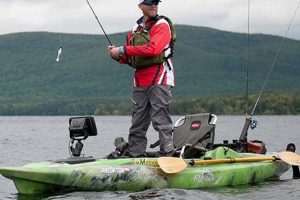
Angling from small, human-powered vessels on Lake Michigan offers a unique blend of challenge and reward. This approach provides anglers close contact with the water and allows access to shallow-water areas often inaccessible to larger boats. It also presents a physical challenge, demanding a degree of skill and physical fitness to navigate the lake’s often-changing conditions. For example, anglers can target species like salmon, trout, and bass in nearshore waters, utilizing specialized tackle and techniques adapted for this specific style of fishing.
This method’s popularity has surged in recent years due to factors such as increased affordability and accessibility of kayaks, growing interest in outdoor recreation, and the perceived adventurous nature of the pursuit. Historically, fishing on the Great Lakes relied primarily on larger vessels. The advent of readily available, purpose-built fishing kayaks opened up new possibilities for anglers seeking a more intimate and engaging experience. This shift contributes to the local economy through kayak sales, fishing gear purchases, and tourism related to guided fishing trips.
Further exploration of this topic will delve into specific techniques, necessary equipment, safety considerations, and the ecological impact of this increasingly popular activity on Lake Michigan’s diverse fishery.
Tips for Kayak Fishing on Lake Michigan
Careful planning and preparation are essential for a safe and successful fishing trip on Lake Michigan from a kayak.
Tip 1: Check the Weather Forecast: Lake Michigan weather can change rapidly. Consulting marine forecasts before departure and throughout the trip is crucial for avoiding hazardous conditions. High winds, waves, and fog pose significant risks.
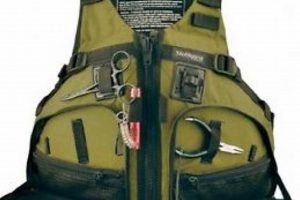
Tip 2: Wear a Personal Flotation Device (PFD): A PFD is essential safety equipment. It should be worn at all times while on the water, regardless of perceived swimming ability.
Tip 3: File a Float Plan: Informing someone on shore of the intended fishing location, launch time, and expected return time allows for a quicker response in case of emergencies.
Tip 4: Carry Essential Safety Gear: A signaling device (whistle, flares, or mirror), a bilge pump, and a paddle leash are crucial for handling unexpected situations. A first-aid kit and communication device (waterproof VHF radio or cellphone in a waterproof case) are also recommended.
Tip 5: Understand Navigation Rules and Regulations: Familiarization with boating regulations and navigation markers ensures safe operation on shared waterways. Awareness of restricted areas is vital.
Tip 6: Choose Appropriate Kayak and Gear: A sit-on-top kayak designed for fishing offers stability and storage capacity. Selecting appropriate fishing rods, reels, and tackle based on targeted species enhances the angling experience.
Tip 7: Practice Proper Kayaking Technique: Developing efficient paddling strokes and learning self-rescue techniques improves safety and reduces fatigue on the water.
Adherence to these guidelines promotes safe and responsible kayak fishing, allowing anglers to fully enjoy the unique opportunities presented by Lake Michigan.
By prioritizing safety and preparation, anglers can focus on the rewarding aspects of this challenging and fulfilling pursuit.
1. Safety Gear

Safety gear is paramount for kayak fishing on Lake Michigan. The lake’s unpredictable conditions, including rapid weather changes, strong currents, and cold water temperatures, necessitate specific safety precautions. A failure to prioritize safety can transform a recreational outing into a life-threatening situation. For example, sudden high winds can capsize a kayak, requiring a readily accessible personal flotation device (PFD). Cold water immersion increases the risk of hypothermia, underscoring the need for appropriate clothing and emergency signaling devices like a whistle or VHF radio.
Essential safety gear includes a properly fitted PFD, a reliable communication device (such as a waterproof VHF radio or a mobile phone in a waterproof case), and visual signaling devices (like a whistle, flares, or a signal mirror). A bilge pump and paddle leash are also crucial for managing water accumulation and preventing paddle loss in rough conditions. Navigation lights are required for low-light conditions. Carrying a first-aid kit, a knife, and extra paddle further enhances preparedness. A float plan left with a responsible individual on shore, detailing planned routes and estimated return times, aids search and rescue efforts in case of an emergency. Practical application necessitates regular inspection and maintenance of safety equipment to ensure functionality when needed. Regular practice of self-rescue techniques and capsize recovery drills enhances proficiency in handling emergencies.
Ignoring safety protocols on Lake Michigan presents significant risks, including potential fatalities. The combination of unpredictable environmental conditions and the inherent vulnerability of small vessels like kayaks necessitates meticulous attention to safety gear. Understanding the importance of each item and its practical application in emergency scenarios significantly improves the odds of a safe and enjoyable fishing experience. A comprehensive safety approach ultimately enables anglers to mitigate potential hazards and focus on the rewarding aspects of kayak fishing on Lake Michigan.
2. Weather Conditions
Weather conditions exert a significant influence on kayak fishing in Lake Michigan, dictating not only the feasibility but also the safety of any excursion. The lake’s vast expanse and exposure to prevailing winds create a dynamic environment characterized by rapid and often unpredictable shifts in wind speed, wave height, and temperature. Ignoring these fluctuations can lead to dangerous situations, including capsizing, hypothermia, and difficulty returning to shore. For instance, a seemingly calm morning can quickly transition to hazardous conditions with strong gusts and choppy waves, especially in the open waters away from the protection of the shoreline. Conversely, favorable weather windows present ideal opportunities for productive fishing, allowing for longer trips and access to more distant fishing grounds.
Careful consideration of weather forecasts, including wind speed, direction, and wave height, is crucial before embarking on a kayak fishing trip. Real-time weather updates via marine radio or weather apps on waterproofed devices provide essential information while on the water, enabling anglers to make informed decisions regarding location changes or early returns to shore. Wind direction plays a significant role in determining optimal fishing spots and drift patterns. A northerly wind, for example, often pushes warmer surface water offshore, influencing fish behavior and location. Temperature fluctuations also impact fish activity; understanding these patterns allows anglers to target specific species more effectively. Sudden temperature drops can lead to rapid changes in fish feeding behavior, requiring adjustments in fishing techniques. Furthermore, fog presents significant navigational challenges, reducing visibility and increasing the risk of collisions with other vessels. Prioritizing weather awareness enables anglers to anticipate and adapt to changing conditions, maximizing safety and fishing success on Lake Michigan.
Successful kayak fishing on Lake Michigan hinges on a thorough understanding of the lake’s dynamic weather patterns. Integrating weather information into pre-trip planning and on-the-water decision-making minimizes risks associated with unpredictable conditions. This proactive approach enhances both safety and the overall fishing experience, allowing anglers to fully appreciate the challenges and rewards of this unique pursuit. Failing to acknowledge the powerful influence of weather can have severe consequences, underscoring the crucial role of weather awareness in responsible kayak fishing on Lake Michigan.
3. Kayak Selection

Appropriate kayak selection significantly impacts the safety and effectiveness of fishing on Lake Michigan. The lake’s dynamic conditions, ranging from calm nearshore waters to challenging open-water environments, necessitate careful consideration of kayak design, features, and capabilities. An unsuitable kayak can compromise stability, limit maneuverability, and reduce overall fishing success. Choosing the right vessel enhances safety, improves fishing efficiency, and contributes to a more enjoyable experience. This selection process involves evaluating various factors tailored to individual angler needs and preferences, as well as the specific fishing techniques employed on Lake Michigan.
- Hull Design
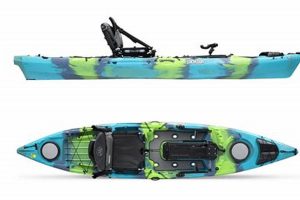
Hull design directly influences stability and maneuverability. Wider, flatter hulls provide enhanced stability, crucial for casting and reeling in fish, especially in rough conditions. These designs are often preferred by anglers targeting larger species or fishing in open water. Conversely, longer, narrower hulls offer greater speed and efficiency for covering larger distances, advantageous for trolling or reaching distant fishing grounds. “V” shaped hulls track well in waves but offer less initial stability. A shorter, wider kayak might excel in nearshore areas, while a longer, more streamlined design proves more suitable for offshore trolling.
- Length and Weight Capacity
Kayak length and weight capacity impact both performance and practicality. Longer kayaks generally track straighter and offer more storage space, beneficial for carrying fishing gear and safety equipment. Weight capacity dictates the maximum load the kayak can safely carry, encompassing the angler’s weight, fishing gear, and any potential catch. Exceeding the recommended capacity compromises stability and maneuverability, increasing the risk of capsizing. A solo angler with minimal gear might choose a shorter, lighter kayak, while an angler planning longer trips with heavier equipment would benefit from a longer kayak with a higher weight capacity.
- Features and Accessories
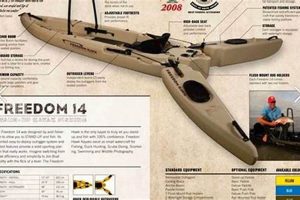
Specialized features and accessories enhance the fishing experience. Built-in rod holders, tackle storage compartments, and anchor trolleys contribute to organization and efficiency on the water. Rudders or pedal-powered propulsion systems offer improved maneuverability, particularly in windy conditions. Adding fish finders, GPS units, and specialized seating systems further enhances fishing capabilities and comfort. For example, a kayak equipped with a fish finder and GPS allows anglers to locate fish more efficiently and navigate precisely, crucial for locating productive fishing spots on Lake Michigan’s vast expanse.
- Sit-on-Top vs. Sit-Inside
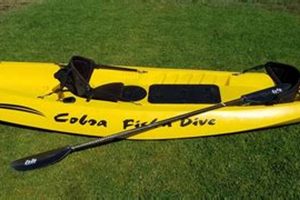
Sit-on-top kayaks are generally preferred for fishing due to their self-bailing design and ease of entry and exit. This design provides greater stability and makes it easier to re-enter the kayak after a water landing. Sit-inside kayaks, while offering protection from the elements and a drier ride, can be more challenging to manage in the event of a capsize. In Lake Michigan, with its potential for sudden weather changes and choppy waters, the stability and ease of recovery offered by a sit-on-top design often prove advantageous.
Ultimately, effective kayak selection for Lake Michigan balances stability, maneuverability, and storage capacity with individual angler preferences and targeted fishing styles. Thorough consideration of these factors ensures a safe, efficient, and enjoyable fishing experience on the lake’s challenging yet rewarding waters. Choosing the right kayak is an investment in both safety and fishing success.
4. Fishing Techniques
Effective fishing techniques are essential for successful kayak angling on Lake Michigan. The lake’s diverse fish populations and varying depths require anglers to adapt their approaches based on target species, location, and prevailing conditions. Employing appropriate techniques maximizes catch rates and enhances the overall fishing experience. For example, trolling with downriggers and diving lures proves effective for targeting deeper-dwelling salmon and trout, while casting crankbaits or jigs along shallower structures attracts species like bass and walleye. Matching techniques to specific species and environments is crucial for successful kayak fishing on Lake Michigan.
Several techniques are commonly employed in kayak fishing on Lake Michigan. Trolling involves dragging lures or baited lines behind a moving kayak, covering a wider area and attracting pelagic species. Drift fishing allows natural currents or wind to move the kayak, presenting bait or lures naturally within the water column. Casting allows anglers to target specific structures or areas with precision, placing lures near drop-offs, weed beds, or other fish-holding locations. Jigging involves vertically presenting lures to attract fish in deeper water or near the bottom. Each technique requires specialized equipment and adaptations specific to kayak fishing. For instance, trolling from a kayak necessitates careful speed and direction control to maintain lure presentation and avoid tangles. Drift fishing requires precise anchor placement or drift sock deployment to control kayak movement. Casting accuracy and lure retrieval techniques must be adapted to the limited space and stability of a kayak. Understanding these adaptations is crucial for optimizing each technique’s effectiveness.
Mastering appropriate fishing techniques for Lake Michigan requires not only knowledge of the various methods but also an understanding of the lake’s ecosystem and fish behavior. Factors such as water temperature, clarity, and current influence fish location and feeding patterns. Seasonal changes dictate preferred bait and lure choices. Knowledge of local regulations and ethical fishing practices further contributes to responsible angling. For example, matching lure colors to water clarity enhances visibility and attracts fish, while using appropriate line weight and drag settings ensures successful hooksets and landing of fish. Ultimately, successful kayak fishing on Lake Michigan depends on the angler’s ability to integrate fishing techniques with an understanding of the lake’s unique environment and its inhabitants.
5. Target Species

Lake Michigan offers a diverse range of fish species, presenting kayak anglers with exciting opportunities. Targeting specific species requires an understanding of their habitat preferences, seasonal behavior patterns, and effective fishing techniques. Successful angling hinges on selecting appropriate gear, lures, and bait tailored to the target species and the specific conditions encountered on the lake.
- Salmonids (Salmon and Trout)
Salmon and trout represent prized game fish in Lake Michigan, attracting anglers seeking a challenging and rewarding experience. Chinook (King), Coho (Silver), and Pink Salmon, along with Lake, Brown, and Rainbow (Steelhead) Trout, offer exciting angling opportunities. These species inhabit deeper, colder waters, often requiring trolling with downriggers or lead-core lines to reach their preferred depths. Spoons, flashers, and flies are common lures used to target salmonids. Understanding their seasonal migration patterns and feeding behaviors is crucial for successful angling. For example, during the fall spawning run, salmon and trout move closer to shore, offering nearshore kayak anglers excellent fishing opportunities.
- Bass (Smallmouth and Largemouth)
Bass populations thrive in Lake Michigan’s nearshore areas, particularly around rocky structures, weed beds, and submerged wood. Kayak anglers target these species using a variety of techniques, including casting crankbaits, jigs, and plastic worms. Smallmouth bass prefer rocky areas and cooler water temperatures, while largemouth bass tend to inhabit warmer, vegetated areas. Kayaks provide excellent access to shallow-water habitats, making them ideal for targeting bass. Understanding bass behavior, such as their tendency to ambush prey near cover, improves angling success.
- Walleye
Walleye, known for their excellent table fare, inhabit various depths in Lake Michigan. Kayak anglers often target them by trolling crankbaits or jigging along bottom contours. Walleye are low-light feeders, making early morning and evening hours prime fishing times. Locating structures such as reefs, humps, and drop-offs is key to finding walleye. Kayaks provide an advantage by allowing anglers to quietly approach these areas without disturbing the fish.
- Panfish (Bluegill, Perch, Crappie)
Panfish offer abundant fishing opportunities for kayak anglers, especially in nearshore areas and protected bays. These species are readily caught using light tackle and live bait, such as worms or minnows. Bluegill and perch often congregate around weed beds and submerged structures, while crappie suspend in deeper water. Kayaks provide easy access to these areas, making them an excellent platform for targeting panfish. Their abundance and willingness to bite make them a great target for novice anglers.
Successful kayak fishing on Lake Michigan requires a strategic approach to targeting specific species. By understanding the preferred habitats, feeding patterns, and effective fishing techniques for each target species, anglers can maximize their chances of success. Adapting gear and tactics to the unique conditions encountered on the lake further enhances the overall fishing experience. The diverse fishery of Lake Michigan offers a rewarding challenge for kayak anglers of all skill levels.

Safe and effective navigation is paramount for kayak fishing on Lake Michigan. The lake’s expansive size, dynamic weather patterns, and potential for heavy boat traffic necessitate a thorough understanding of navigational principles and practices. Failure to prioritize navigation can lead to disorientation, hazardous encounters with other vessels, and difficulty returning to shore, particularly in challenging conditions. Effective navigation enhances safety, maximizes fishing efficiency, and contributes to a more enjoyable experience on the water.
- Chart and Compass Skills
Proficiency with nautical charts and a compass remains essential for navigating Lake Michigan, especially in conditions of reduced visibility. Charts provide crucial information about water depths, hazards, navigational markers, and shoreline features. Compass skills enable maintaining course and determining position in relation to landmarks or waypoints. Electronic navigation devices can fail or malfunction, underscoring the importance of traditional navigation skills as a reliable backup. For example, in dense fog, a compass and chart become indispensable for safely navigating back to shore.
- GPS and Electronic Navigation
GPS devices and electronic chartplotters provide valuable real-time location information and navigation assistance. These tools simplify route planning, waypoint marking, and tracking progress. Integrating GPS data with nautical charts enhances situational awareness and facilitates precise navigation. Features such as speed and distance tracking optimize fishing efficiency by allowing anglers to cover specific areas effectively. However, reliance solely on electronic navigation can be risky, as batteries can drain or devices can malfunction, highlighting the importance of maintaining traditional navigation skills. For instance, marking productive fishing spots with GPS waypoints allows for easy return on subsequent trips.
- Visual Navigation and Landmarks
Visual navigation using prominent landmarks along the shoreline provides essential orientation cues, particularly in nearshore areas. Familiarizing oneself with visible landmarks, such as water towers, buildings, or distinct natural features, enhances situational awareness and aids in maintaining course. This method proves especially valuable in clear weather conditions and complements electronic navigation systems. However, visibility limitations due to fog, darkness, or distance from shore necessitate reliance on other navigation methods. Recognizing a specific lighthouse, for example, can confirm location and assist in navigating back to the launch point.
- Weather Awareness and Navigation
Integrating weather information into navigation planning is crucial for safe kayak fishing on Lake Michigan. Wind direction and speed significantly impact kayak drift and can push anglers off course. Strong currents, particularly near river mouths or in narrow channels, require careful navigation adjustments. Monitoring real-time weather updates and adjusting navigation plans accordingly minimizes the risk of being caught in hazardous conditions. For example, paddling against a strong headwind can significantly reduce speed and increase fatigue, necessitating adjustments to the planned route or a return to shore.
Effective navigation encompasses a multi-faceted approach, integrating traditional skills with modern technology and incorporating real-time weather awareness. Proficiency in these areas enhances safety, improves fishing efficiency, and contributes to a more informed and enjoyable kayak fishing experience on Lake Michigan. By prioritizing navigation, anglers mitigate risks associated with the lake’s dynamic environment and focus on the rewarding aspects of this unique pursuit.
Frequently Asked Questions about Kayak Fishing on Lake Michigan
This FAQ section addresses common inquiries regarding kayak fishing on Lake Michigan, aiming to provide concise and informative responses for anglers of all experience levels. Understanding these key aspects contributes to a safer and more rewarding experience on the water.
Question 1: What are the essential safety precautions for kayak fishing on Lake Michigan?
Essential safety precautions include wearing a personal flotation device (PFD), carrying a communication device (VHF radio or mobile phone in a waterproof case), checking weather forecasts before and during trips, informing someone of the float plan, and carrying essential safety gear like a signaling device, bilge pump, and paddle leash. Regular practice of self-rescue techniques is also highly recommended.
Question 2: What type of kayak is best suited for fishing on Lake Michigan?
Sit-on-top kayaks designed specifically for fishing are generally preferred due to their stability, self-bailing design, and ease of re-entry after a capsize. Consider kayak length, weight capacity, and features like rod holders and storage compartments based on individual needs and fishing style.
Question 3: What are the primary target species for kayak anglers on Lake Michigan?
Popular target species include salmonids (Chinook, Coho, and Pink Salmon; Lake, Brown, and Rainbow/Steelhead Trout), bass (Smallmouth and Largemouth), walleye, and various panfish (bluegill, perch, crappie). Specific techniques and gear are tailored to each species.
Question 4: How does weather impact kayak fishing on Lake Michigan?
Weather conditions on Lake Michigan can change rapidly. Wind, waves, fog, and temperature fluctuations significantly influence fishing conditions and safety. Checking marine forecasts before and during trips is crucial, as is the willingness to adjust plans based on changing conditions.
Question 5: What navigation tools are recommended for kayak fishing on Lake Michigan?
Recommended navigation tools include nautical charts, a compass, GPS devices, and electronic chartplotters. Understanding basic navigation principles and maintaining awareness of landmarks enhances safety and facilitates efficient movement on the water.
Question 6: Are there specific regulations for kayak fishing on Lake Michigan?
Regulations vary by state and jurisdiction. Anglers must possess valid fishing licenses and adhere to size and catch limits for specific species. Familiarization with local regulations, including boating rules and restricted areas, is essential for responsible fishing.
Prioritizing safety, understanding local regulations, and adapting techniques to target specific species contribute significantly to a successful and enjoyable kayak fishing experience on Lake Michigan. Continuous learning and adherence to best practices enhance both safety and angling proficiency.
The next section will offer a deeper dive into specific locations and seasonal considerations for optimizing fishing success on Lake Michigan.
Kayak Fishing Lake Michigan
Navigating the nuances of kayak fishing on Lake Michigan requires a comprehensive understanding of safety protocols, appropriate equipment selection, effective fishing techniques, and respect for the lake’s dynamic environment. From pre-trip planning and weather assessment to species-specific tactics and responsible angling practices, each element contributes to a successful and fulfilling experience. The information presented herein provides a foundational framework for anglers seeking to explore the unique challenges and rewards of this increasingly popular pursuit. Careful consideration of these elements enhances both safety and angling success on Lake Michigan.
The future of kayak fishing on Lake Michigan relies on the continued commitment to responsible angling practices and environmental stewardship. Preserving the lake’s ecological balance ensures the sustainability of its diverse fishery for generations to come. Anglers play a crucial role in maintaining this delicate balance through adherence to regulations, ethical fishing practices, and respect for the natural environment. The pursuit of kayak fishing on Lake Michigan offers not only a connection with nature but also a responsibility to protect this valuable resource. Continued education and responsible engagement will shape the future of this rewarding pastime.