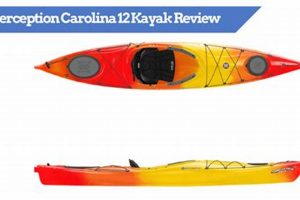
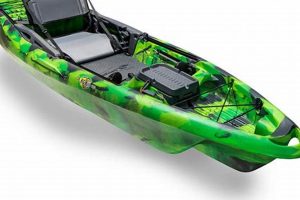
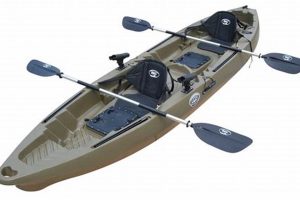
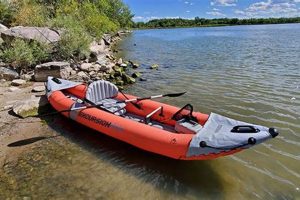
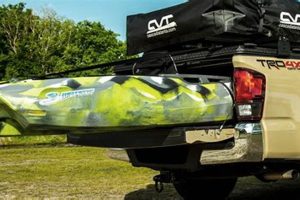
This specific model designates a 12-foot sit-on-top fishing kayak manufactured by Ascend, a popular brand known for its recreational watercraft. Such vessels are designed for stability and performance in various water conditions, often featuring specialized components like rod holders, storage compartments, and comfortable seating arrangements suited for extended fishing trips.
A watercraft of this type offers anglers enhanced mobility and access to fishing grounds unreachable by shore or larger boats. Its relatively compact size allows for easy transport and maneuverability in shallow waters, rivers, and lakes. The sit-on-top design promotes stability and ease of entry and exit, while integrated features contribute to a more organized and efficient fishing experience. Over time, kayak fishing has gained popularity due to its affordability, accessibility, and the close connection it provides to the natural environment.
Further exploration will cover specific design elements, performance characteristics, user experiences, and potential comparisons with other fishing kayaks in the market. This information will provide a comprehensive understanding of its suitability for various fishing styles and environments.
Tips for Kayak Fishing
Proper preparation and technique enhance safety and enjoyment while kayak fishing. These tips offer guidance for optimizing fishing excursions.
Tip 1: Prioritize Safety Equipment: Always wear a personal flotation device (PFD). Carry a whistle, signaling device, and a waterproof communication device for emergencies. Inform someone of the planned fishing location and estimated return time.
Tip 2: Balance and Stability: Distribute weight evenly within the kayak. Avoid sudden movements and practice entering and exiting the vessel in calm, shallow water before venturing into deeper or more challenging conditions.
Tip 3: Paddle and Navigation: Learn basic paddling techniques for efficient movement and maneuvering. Utilize a map, compass, or GPS to navigate and track location, especially in unfamiliar waters.
Tip 4: Fishing Gear Organization: Organize fishing rods, tackle boxes, and other equipment for easy access while maintaining balance. Utilize designated storage compartments and secure loose items to prevent loss or interference with paddling.
Tip 5: Respect the Environment: Adhere to local fishing regulations and practice catch-and-release principles whenever possible. Pack out all trash and minimize disturbance to wildlife and natural habitats.
Tip 6: Check Weather Conditions: Monitor weather forecasts before embarking on a fishing trip. Avoid kayaking in strong winds, storms, or extreme temperatures. Be prepared for changing conditions and know how to seek shelter if necessary.
Tip 7: Practice Proper Anchoring: Understand appropriate anchoring techniques for different water conditions and bottom types. Ensure the anchor is securely set to prevent drifting and maintain desired fishing position.
Adhering to these guidelines promotes a safe, enjoyable, and responsible kayak fishing experience, allowing anglers to maximize their time on the water while minimizing risks.
With these essential tips in mind, a deeper exploration of specific techniques, gear selection, and location choices can further enhance fishing proficiency and enjoyment.
1. Stability

Stability is a paramount consideration in fishing kayak design, directly influencing angler safety, comfort, and fishing effectiveness. For the fs12t ascend fishing kayak, stability plays a crucial role in enabling anglers to confidently cast, reel, and land fish, especially in challenging conditions. A stable platform minimizes the risk of capsizing and allows for a more focused and enjoyable fishing experience.
- Hull Design and Stability
The fs12t’s hull design contributes significantly to its stability. Wider hulls generally provide greater initial stability, resisting tipping, while longer hulls offer better tracking and directional stability. The specific design of the fs12t aims to balance these characteristics to provide a platform suitable for various fishing environments. Flatter hull bottoms enhance primary stability, useful for calm waters, while slightly curved hulls improve secondary stability the ability to recover from tilting beneficial in choppier conditions or when leaning to reach for a fish.
- Center of Gravity and Balance
Maintaining a low center of gravity is critical for kayak stability. The fs12t’s sit-on-top design naturally contributes to a lower center of gravity compared to sit-inside kayaks. Angler positioning and weight distribution also influence stability. Keeping weight centered and low within the kayak minimizes the likelihood of tipping. Proper seating posture and avoiding sudden movements further enhance stability.
- Impact of Water Conditions
Water conditions significantly impact kayak stability. Calm lakes and slow-moving rivers present fewer stability challenges compared to rougher waters or strong currents. Wind also affects stability, particularly for lighter kayaks. Understanding how the fs12t performs in various conditions is essential for angler safety and informed decision-making. Anglers should choose suitable environments based on their skill level and the kayak’s stability characteristics.
- Stability Enhancements and Accessories
Various accessories and modifications can further enhance kayak stability. Outriggers or stabilizers provide additional support, increasing the overall stability of the platform. These are particularly beneficial for anglers fishing in challenging conditions or those who prioritize maximum stability. Properly installed and adjusted, these enhancements can significantly improve the fs12t’s performance in demanding environments.
The fs12t ascend fishing kayak incorporates design features and considerations aimed at providing a stable fishing platform. Understanding the interplay between hull design, center of gravity, water conditions, and potential stability enhancements allows anglers to maximize their safety, comfort, and overall fishing experience. Informed choices based on these factors empower anglers to confidently utilize the fs12t in its intended environments.
2. Maneuverability
Maneuverability is a critical performance attribute for fishing kayaks, dictating how effectively the vessel navigates various water environments. For the fs12t ascend fishing kayak, maneuverability directly influences the angler’s ability to access fishing spots, position effectively in changing currents, and respond to fish activity. Understanding the factors contributing to maneuverability is essential for maximizing fishing success and overall on-the-water experience.
- Hull Design and Length
Hull design significantly impacts kayak maneuverability. Shorter kayaks generally turn more quickly, while longer kayaks track straighter and glide more efficiently. The fs12t’s 12-foot length represents a balance between maneuverability and tracking performance. Its hull design likely incorporates features that influence turning radius and responsiveness to paddle input, allowing anglers to navigate tight spaces and adjust positioning as needed.
- Waterline Length and Turning Radius
The length of the kayak’s waterline the portion of the hull in contact with the water directly affects turning performance. A shorter waterline generally results in a tighter turning radius, while a longer waterline improves tracking. The fs12t’s hull shape and design influence its waterline length, contributing to its specific maneuverability characteristics. Understanding this relationship allows anglers to anticipate how the kayak will respond to paddle strokes and adjust techniques accordingly.
- Paddle Type and Technique
Paddle choice and paddling technique significantly influence maneuverability. Longer paddles with wider blades generate more power and speed, while shorter paddles offer greater control for quick turns. Proper paddling techniques, such as sweep strokes and draw strokes, are essential for efficient maneuvering. Effective paddle usage enables anglers to precisely control the fs12t’s direction and position within the fishing environment.
- Impact of Water Conditions
Water conditions, including current and wind, can significantly affect maneuverability. Strong currents require additional effort and precise paddle control to maintain desired position and heading. Wind can also push the kayak off course, necessitating adjustments in paddling technique. Understanding how the fs12t handles in various conditions is crucial for safe and effective navigation. Anglers should adapt their paddling approach based on prevailing water and weather conditions to maintain optimal control of the kayak.
The fs12t ascend fishing kayak’s maneuverability results from a combination of hull design, waterline length, paddle selection, and the angler’s paddling technique. Considering these factors in conjunction with prevailing water conditions allows for informed decision-making and efficient navigation on the water. Understanding these elements empowers anglers to maximize the fs12t’s performance and achieve optimal fishing results.
3. Storage Capacity

Adequate storage capacity is a crucial factor for fishing kayaks, directly impacting organization, efficiency, and overall fishing experience. For the fs12t ascend fishing kayak, storage solutions play a vital role in accommodating essential gear, ensuring easy access to equipment, and maintaining a clutter-free deck for safe and effective angling. Analysis of the fs12t’s storage features reveals its suitability for various fishing styles and expeditions.
- Types of Storage Compartments
Fishing kayaks often feature various storage compartments designed for specific gear. The fs12t likely incorporates a combination of open storage wells, sealed hatches, and smaller compartments for tackle and accessories. Open wells accommodate larger items like tackle crates and coolers, while sealed hatches protect sensitive gear from water damage. Smaller compartments provide organized storage for tools, lures, and personal items. The variety and placement of these compartments contribute to efficient organization and accessibility during fishing trips.
- Capacity and Weight Limits
Understanding the storage capacity and weight limits of the fs12t is essential for safe and effective use. Exceeding weight limits can compromise stability and performance. Anglers must consider the combined weight of gear, including rods, reels, tackle, and personal items, to ensure they remain within the kayak’s recommended capacity. Proper weight distribution within the storage compartments also contributes to maintaining balance and stability on the water.
- Accessibility and Organization
Easy access to gear is paramount for efficient fishing. The fs12t’s storage compartments are likely designed for convenient access while seated. Well-placed hatches and compartments allow anglers to retrieve necessary items without compromising balance or interrupting fishing flow. Features like bungee cords and tie-down points further enhance organization and secure gear against movement or loss during transit or challenging water conditions.
- Storage Solutions and Accessories
Various accessories and modifications can enhance the fs12t’s storage capabilities. Aftermarket storage bags, crates, and organizers provide additional compartments and improve gear organization. These additions cater to specific angler needs and preferences, maximizing storage efficiency and personalization. Properly secured and integrated accessories enhance the overall fishing experience by optimizing gear management and accessibility.
The fs12t ascend fishing kayak’s storage capacity and design directly influence its practicality and effectiveness as a fishing platform. Understanding the types of storage, capacity limits, accessibility features, and potential enhancements allows anglers to optimize gear organization and maximize their fishing experience. Careful consideration of these factors ensures efficient use of space, promotes safety, and contributes to a more productive and enjoyable time on the water.
4. Fishing Features
Dedicated fishing features distinguish fishing kayaks from recreational models, enhancing angler efficiency and overall experience. For the fs12t ascend fishing kayak, these features are integral to its design and purpose, catering specifically to the needs of anglers. Analysis of these features reveals how the fs12t facilitates a more productive and enjoyable fishing experience.
- Rod Holders
Rod holders are fundamental components of fishing kayaks, providing secure storage and convenient access to fishing rods. The fs12t likely features multiple rod holders, strategically positioned for various fishing techniques. Flush-mounted rod holders offer a streamlined profile for trolling or paddling, while adjustable rod holders allow for customized angling positions. Securely held rods prevent loss or damage while freeing the angler’s hands for other tasks.
- Tackle Storage
Organized tackle storage is crucial for efficient fishing. The fs12t may incorporate dedicated compartments, trays, or storage areas designed specifically for tackle boxes, lures, and other small accessories. Easy access to tackle ensures a smooth and uninterrupted fishing experience, allowing anglers to quickly change lures or adjust rigging without searching through cluttered storage areas.
- Fish Finder Mounts
Many fishing kayaks accommodate fish finders, electronic devices that use sonar to locate fish and underwater structures. The fs12t may feature integrated mounts or areas suitable for installing fish finder transducers and displays. These mounts provide secure placement for electronics, enhancing the angler’s ability to locate fish and understand underwater terrain.
- Paddle Holders/Management Systems
Efficient paddle management is crucial for maintaining a clear deck and preventing paddle interference during fishing. The fs12t may incorporate paddle clips, bungee cords, or other mechanisms to secure the paddle when not in use. These features keep the paddle within easy reach while preventing it from drifting or obstructing fishing activities.
The integration of these fishing-specific features positions the fs12t ascend fishing kayak as a purpose-built platform for angling. Rod holders, tackle storage, fish finder mounts, and paddle management systems contribute to a more organized, efficient, and ultimately more successful fishing experience. These features, combined with the kayak’s core design elements, create a comprehensive and versatile platform suitable for a wide range of fishing styles and environments.
5. Portability

Portability significantly influences the practicality and accessibility of a fishing kayak. For the fs12t ascend fishing kayak, portability directly impacts transport, launch, and storage, affecting overall usability. Analysis of the fs12t’s portability considers factors such as weight, dimensions, and available transport options.
The fs12t’s weight influences ease of transport. Lighter kayaks are easier to load onto vehicles, carry short distances, and maneuver into launch positions. Its dimensions also affect transport options; a compact size allows for transport on smaller vehicles or with readily available roof racks. Available transport options, such as kayak carts or trailers, further enhance portability, particularly for longer distances or challenging terrain. For example, the ability to easily load the fs12t onto a standard pickup truck without specialized equipment expands access to various fishing locations. Similarly, the kayak’s relatively lightweight nature reduces strain during transport, allowing for easier handling by individuals. This enhanced portability expands fishing opportunities, enabling access to remote or less accessible locations.
Understanding the portability characteristics of the fs12t, including weight, dimensions, and transport options, informs purchasing decisions and ensures the kayak aligns with individual needs and logistical constraints. This practical understanding empowers anglers to effectively transport and utilize the fs12t, maximizing access to desired fishing locations and enhancing overall fishing experience. Effective transport strategies and appropriate equipment further optimize portability, contributing to a seamless transition from transport to on-the-water activity.
6. Durability

Durability is a critical factor influencing the lifespan and overall value of a fishing kayak. For the fs12t ascend fishing kayak, durability directly impacts its ability to withstand the rigors of regular use, including transport, navigation through various water conditions, and exposure to the elements. Understanding the factors contributing to the fs12t’s durability is essential for assessing its long-term performance and suitability for diverse fishing environments.
- Construction Material and Manufacturing Process
The choice of construction material significantly impacts kayak durability. The fs12t likely utilizes high-density polyethylene (HDPE) or similar durable plastic known for its impact resistance and UV stability. Rotomolded construction, a common manufacturing process for kayaks, creates a seamless, one-piece hull with enhanced structural integrity. This process contributes to the kayak’s overall robustness and resistance to wear and tear from impacts, abrasion, and environmental exposure.
- UV Resistance and Weathering
Exposure to sunlight and UV radiation can degrade kayak materials over time, leading to fading, cracking, and reduced structural integrity. UV-resistant additives in the plastic formulation enhance the fs12t’s ability to withstand prolonged sun exposure. Proper storage practices, such as covering the kayak when not in use, further protect it from UV damage and extend its lifespan.
- Impact and Abrasion Resistance
Fishing kayaks often encounter rocks, logs, and other obstacles in the water, requiring robust impact resistance. The fs12t’s hull material and construction contribute to its ability to withstand impacts without sustaining significant damage. Abrasion resistance is also crucial, particularly for kayaks frequently dragged across shorelines or transported on roof racks. The fs12t’s durable construction minimizes wear and tear from abrasion, preserving its appearance and structural integrity.
- Hardware and Fittings
The durability of hardware components, such as handles, latches, and rod holders, also contributes to the kayak’s overall longevity. Corrosion-resistant materials and robust construction ensure these components withstand exposure to water and the elements. Proper maintenance, including rinsing with fresh water after use and periodic inspection of hardware, further extends the lifespan of these components.
The fs12t ascend fishing kayak’s durability depends on factors including construction material, UV resistance, impact and abrasion resistance, and the quality of hardware components. Understanding these elements enables informed assessments of the kayak’s long-term performance and suitability for various fishing environments. Proper care and maintenance practices further enhance durability, maximizing the kayak’s lifespan and ensuring reliable performance over time. This durability contributes to the fs12t’s overall value and makes it a suitable investment for anglers seeking a reliable and long-lasting fishing platform.
Frequently Asked Questions
This section addresses common inquiries regarding the fs12t ascend fishing kayak, providing concise and informative responses to facilitate informed decision-making.
Question 1: What is the weight capacity of the fs12t?
The fs12t typically has a weight capacity of 400-500 lbs. Consulting official manufacturer specifications is recommended for precise figures.
Question 2: Is the fs12t suitable for ocean fishing?
While designed primarily for calmer waters, the fs12t can handle moderate ocean conditions with appropriate safety precautions and experience. However, extreme ocean conditions or significant surf are not recommended.
Question 3: What is the warranty coverage for the fs12t?
Warranty details vary. Checking the manufacturer’s official warranty documentation provides specific coverage information and terms.
Question 4: What accessories are compatible with the fs12t?
Numerous accessories are compatible, including rod holders, fish finders, anchors, and storage solutions. Compatibility may vary based on specific models and manufacturers. Consulting product documentation or retailer expertise ensures appropriate selection.
Question 5: How does the fs12t compare to other Ascend kayaks?
The fs12t distinguishes itself within the Ascend lineup through its specific combination of features and dimensions. Comparing specifications and features across the Ascend range highlights key differences relevant to individual fishing styles and preferences.
Question 6: What maintenance is required for the fs12t?
Regular maintenance includes rinsing with fresh water after each use, proper storage out of direct sunlight, and periodic inspection of hardware for wear and tear. These practices ensure optimal performance and longevity.
Understanding these key aspects of the fs12t facilitates informed purchase decisions and ensures appropriate usage. Further research and consultation with experienced anglers or retailers can provide additional insights tailored to specific needs and fishing environments.
Proceeding to the next section offers an in-depth exploration of user experiences and reviews, providing valuable perspectives on the fs12t’s real-world performance.
Conclusion
Exploration of the fs12t ascend fishing kayak reveals a vessel designed for versatility and practicality within diverse fishing environments. Key features, including specialized storage, fishing-specific design elements, and considerations for stability and maneuverability, contribute to its appeal among anglers. Analysis of portability and durability further underscores its suitability for regular use and transport. Addressing common inquiries provides clarity regarding specifications, compatibility, and maintenance requirements.
Careful consideration of individual fishing needs and preferences remains paramount. Matching specific features to intended usage scenarios ensures optimal performance and angler satisfaction. Further research and hands-on experience provide valuable insights for informed decision-making. Ultimately, informed selection empowers anglers to maximize their time on the water, pursuing fishing adventures with confidence and efficiency.