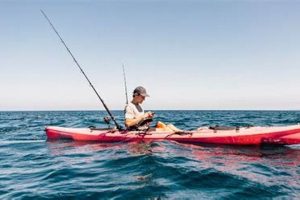
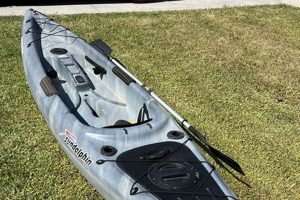
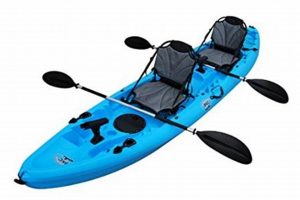
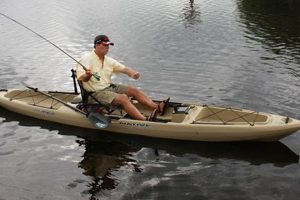
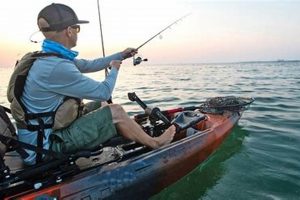
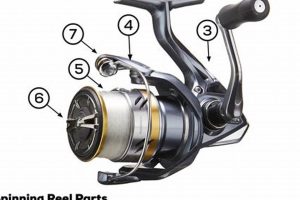
Instructional videos on the subject of angling from a kayak can cover a range of topics, from basic paddling and kayak control techniques to advanced fishing strategies specific to this platform. These resources typically demonstrate equipment selection, rigging, casting methods, fish finding, and safety procedures relevant to the sport. Examples might include demonstrations of specific knots, anchor trolley systems, or techniques for landing fish from a small watercraft.
These visual learning tools offer a significant advantage over written instructions, providing a clear and dynamic presentation of techniques often difficult to grasp through text alone. They allow viewers to observe proper form, understand equipment function in real-world scenarios, and learn safety protocols critical for this activity. Historically, anglers relied on mentorship and on-the-water experience to acquire these skills. Modern video instruction provides a more accessible and comprehensive learning pathway, accelerating skill development and promoting best practices.
The following sections will delve deeper into specific aspects of kayak fishing, covering topics such as choosing the right kayak and essential gear, effective paddling techniques, and proven fish-finding strategies.
Kayak Fishing Tips
Effective kayak angling requires a blend of specialized skills and equipment knowledge. The following tips offer guidance for improved performance and safety on the water.
Tip 1: Stability is Paramount: Kayak selection should prioritize stability, especially for beginners. Wider hulls offer greater initial stability, while longer kayaks generally track better in a straight line. Consider the intended fishing environment and choose a kayak design suited to the conditions.
Tip 2: Master Paddle Strokes: Efficient paddling conserves energy and allows anglers to reach desired fishing spots quickly. Learning basic strokes like the forward stroke, sweep stroke, and draw stroke provides maneuverability and control.
Tip 3: Rigging for Success: Proper rigging simplifies fishing operations. Rod holders, anchor trolleys, and strategically placed gear tracks streamline equipment access and prevent tangles. Consider a leash system for essential items.
Tip 4: Safety First: Always wear a personal flotation device (PFD). Carry a whistle, signaling device, and basic first-aid kit. Inform someone of your fishing plans, including location and expected return time.
Tip 5: Fish-Finding Strategies: Utilize fish finders or maps to locate promising fishing areas. Understanding fish behavior and habitat preferences increases the likelihood of success. Observe local conditions, such as water temperature and current flow.
Tip 6: Casting Techniques: Practice casting techniques specific to kayak fishing. Sidearm or underhand casts minimize the risk of hooking overhead obstacles. Account for kayak movement and wind conditions when casting.
Tip 7: Proper Landing and Release: Employ appropriate landing techniques to minimize stress on the fish. Use a net or lip grip for safe handling. Practice catch-and-release principles to conserve fish populations.
By incorporating these strategies, anglers can enhance their kayak fishing experience, improve their catch rate, and prioritize safety on the water.
These foundational principles provide a solid basis for successful kayak angling. The following section will explore advanced techniques, including specific rigging strategies and tactics for targeting different fish species.
1. Visual Instruction

Visual instruction plays a crucial role in conveying the nuances of kayak fishing techniques. The dynamic nature of the sport necessitates clear demonstrations of proper form, equipment usage, and safety procedures, often difficult to convey through text alone. Within the context of a kayak fishing DVD, visual learning becomes the primary method for transferring knowledge and building practical skills.
- Paddle Stroke Demonstrations
Visualizing correct paddle strokes, such as the forward stroke, reverse stroke, and sweep stroke, is essential for efficient kayak maneuvering. A DVD can effectively showcase proper body positioning, blade angle, and hand movements, allowing viewers to grasp these fundamental skills more readily than through written descriptions. This translates to improved on-the-water performance and reduced fatigue.
- Rigging and Equipment Setup
Setting up fishing gear on a kayak presents unique challenges. Visual demonstrations of rod holder placement, anchor trolley systems, and tackle organization provide viewers with practical examples of efficient rigging strategies. This visual guidance aids in maximizing fishing time and minimizing on-the-water complications.
- Fish Handling and Landing Techniques
Safely landing and handling fish from a kayak requires specialized techniques. Visual instruction clarifies proper netting procedures, the use of lip grips, and appropriate release methods. This visual learning component promotes ethical angling practices and ensures the well-being of the catch.
- Safety Procedures and Emergency Response
Visual demonstrations of essential safety procedures, including self-rescue techniques and proper PFD usage, are critical for angler safety. A kayak fishing DVD can effectively present these potentially life-saving maneuvers in a clear and memorable format, enhancing preparedness for on-the-water emergencies.
Through these visual learning components, a kayak fishing DVD offers a comprehensive and accessible platform for acquiring essential skills and knowledge. The dynamic nature of the visual format enhances understanding and retention, empowering anglers to improve their techniques, enhance their safety practices, and ultimately, maximize their on-the-water enjoyment.
2. Equipment Demonstrations

Equipment demonstrations constitute a critical element within kayak fishing DVDs. Effective demonstrations bridge the gap between theoretical knowledge and practical application, providing viewers with a tangible understanding of essential gear. This visual learning method clarifies equipment selection, setup, and utilization, ultimately enhancing angler preparedness and on-the-water performance. Cause and effect relationships between equipment choices and fishing outcomes become readily apparent through demonstrations, informing viewers about the advantages and disadvantages of specific gear configurations.
For example, a DVD might demonstrate the advantages of a specific rod and reel combination for targeting particular fish species. Viewers observe how rod action and reel drag systems interact during the fight, providing insights into appropriate gear selection. Similarly, demonstrations of different paddle typessuch as symmetrical versus asymmetrical bladesillustrate the impact on paddling efficiency and maneuverability. Demonstrations of anchor trolley systems, fish finders, and safety equipment further enhance viewer comprehension of essential gear functionalities. These practical examples transform abstract concepts into concrete understanding, facilitating informed equipment choices and enhancing on-the-water preparedness.
Understanding the nuances of kayak fishing equipment contributes significantly to successful angling. Equipment demonstrations within instructional DVDs provide a valuable resource for acquiring this knowledge. These visual learning tools empower anglers to make informed decisions regarding gear selection, optimize equipment setup, and enhance overall fishing performance. The practical application of knowledge gained from these demonstrations translates directly to improved on-the-water experiences and increased angling success. Addressing potential challenges related to equipment selection and usage contributes to safer and more productive kayak fishing outings.
3. Technique Explanations

Technique explanations within kayak fishing DVDs provide a crucial link between theoretical knowledge and practical application. These explanations offer detailed insights into various aspects of kayak fishing, from basic paddling strokes and boat control to advanced angling techniques. The effectiveness of these explanations directly influences viewer comprehension and skill development. Clear and concise explanations, often supplemented by visual demonstrations, facilitate a deeper understanding of the underlying principles governing each technique, empowering viewers to replicate these actions effectively on the water.
For example, an explanation of proper paddle strokes might detail hand placement, blade angle, and body rotation, clarifying the mechanics behind efficient propulsion and maneuverability. Similarly, explanations of anchoring techniques would address factors such as water depth, current flow, and bottom composition, influencing anchor selection and placement strategy. Furthermore, explanations of fish-finding techniques might explore the interplay of water temperature, structure, and baitfish activity, enabling anglers to locate promising fishing areas. These detailed explanations bridge the gap between theory and practice, fostering skill development and informed decision-making on the water. The ability to connect these explanations to real-world scenarios enhances the practical value of the DVD, equipping viewers with applicable knowledge for improved fishing success.
Effective technique explanations contribute significantly to the overall educational value of a kayak fishing DVD. These explanations provide viewers with the knowledge necessary to apply proper techniques safely and effectively, ultimately enhancing on-the-water performance and enjoyment. The clarity, conciseness, and practical relevance of these explanations directly influence viewer comprehension and skill acquisition, contributing to a richer and more rewarding kayak fishing experience. Addressing the challenges and nuances of each technique empowers anglers to approach diverse fishing situations with confidence and competence, promoting both safety and success on the water.
4. Safety Procedures
Safety procedures constitute a critical component of effective kayak fishing instruction. Kayak fishing DVDs provide a platform for disseminating essential safety information, contributing significantly to angler well-being. These resources offer visual demonstrations and explanations of safety protocols, enhancing viewer comprehension and promoting responsible on-the-water practices. A direct correlation exists between comprehensive safety instruction and reduced risk of accidents or incidents. Integrating safety procedures seamlessly within instructional materials reinforces their importance, fostering a culture of safety consciousness among kayak anglers.
For example, a kayak fishing DVD might demonstrate proper personal flotation device (PFD) usage, highlighting the importance of proper fit and consistent wear. Visual demonstrations of self-rescue techniques, such as re-entering a capsized kayak, equip viewers with essential skills for managing emergency situations. Explanations of navigation rules, weather awareness, and communication protocols further enhance angler preparedness. Addressing potential hazards, such as cold-water immersion or encounters with other vessels, equips viewers with the knowledge and skills necessary to mitigate risks effectively. Practical examples of safety equipment usage, like signaling devices and first-aid kits, reinforce the importance of preparedness. These practical demonstrations and explanations translate directly to enhanced on-the-water safety, contributing to a more secure and enjoyable fishing experience.
Comprehensive safety instruction within kayak fishing DVDs plays a pivotal role in promoting responsible angling practices. These resources offer valuable insights into potential hazards and effective risk mitigation strategies, empowering anglers to prioritize safety. The integration of safety procedures within instructional content reinforces their critical importance, fostering a culture of preparedness and responsible decision-making on the water. Addressing safety concerns directly contributes to accident prevention and enhances the overall enjoyment of the sport. Promoting safety awareness ultimately benefits the entire kayak fishing community, fostering a culture of responsible enjoyment of the outdoors.
5. Location Insights

Location insights within kayak fishing DVDs provide crucial context for applying techniques and strategies effectively. Understanding the characteristics of specific fishing locations significantly influences decision-making regarding kayak selection, equipment choices, and angling approaches. These insights often bridge the gap between general principles and location-specific applications, enhancing the practical value of the DVD. Effective integration of location insights contributes directly to angler preparedness and on-the-water success, fostering a deeper understanding of the interplay between environment and angling strategy.
A kayak fishing DVD might, for example, showcase fishing techniques applicable to a specific type of environment, such as a river system or an estuary. Viewers gain insights into factors such as current flow, tidal influence, and bottom structure, influencing kayak selection and paddle stroke utilization. Similarly, a DVD focusing on offshore kayak fishing might address navigation techniques, weather forecasting, and safety considerations specific to open-water environments. Demonstrations of fish-finding strategies tailored to particular habitats, such as rocky reefs or submerged vegetation, equip viewers with location-specific knowledge. Integrating local regulations, access points, and ethical considerations further enhances the practical relevance of the information presented. Real-world examples of successful angling techniques applied within specific locations provide viewers with tangible demonstrations of effective strategies.
The inclusion of location insights within kayak fishing DVDs enhances their educational value significantly. These insights provide context for applying general principles, empowering anglers to adapt their techniques effectively to diverse environments. Addressing the challenges and opportunities presented by specific locations contributes to improved on-the-water decision-making and increases the likelihood of angling success. This targeted approach to instruction bridges the gap between theoretical knowledge and practical application, fostering a deeper understanding of the dynamic relationship between location, technique, and angling outcomes. Ultimately, incorporating location insights elevates the overall quality and relevance of the instructional material, enhancing the viewer’s learning experience and fostering a greater appreciation for the complexities of kayak fishing.
Frequently Asked Questions
This section addresses common inquiries regarding instructional videos on kayak angling, aiming to provide clear and concise information for prospective viewers.
Question 1: What skill level are these videos designed for?
Instructional videos cater to a range of skill levels, from beginners to experienced anglers. Many videos specify their target audience, allowing viewers to select resources appropriate for their experience.
Question 2: What topics are typically covered in these videos?
Common topics include kayak selection, paddling techniques, rigging and equipment setup, safety procedures, fish-finding strategies, casting techniques, and fish handling. Some videos may focus on specific fishing techniques or target particular fish species.
Question 3: Are these videos a substitute for on-the-water experience?
While videos provide valuable knowledge and demonstrations, they are best utilized as a supplement to, not a replacement for, practical on-the-water experience. Actual fishing scenarios present variables and challenges best addressed through direct experience.
Question 4: How do these videos address safety concerns related to kayak fishing?
Safety is a paramount concern in kayak fishing. Instructional videos typically dedicate segments to essential safety procedures, including personal flotation device (PFD) usage, self-rescue techniques, navigation rules, and emergency preparedness.
Question 5: Do these resources cover specific locations or fishing environments?
Some videos focus on specific locations or fishing environments, providing tailored insights into local regulations, access points, and effective techniques for targeting particular species within those areas. Others offer more generalized instruction applicable to a wider range of locations.
Question 6: How can one determine the credibility and quality of these videos?
Credibility can be assessed by considering the presenter’s qualifications, experience, and reputation within the kayak fishing community. Reviews and recommendations from other anglers can also provide valuable insights into the quality and effectiveness of instructional videos.
Careful consideration of these frequently asked questions allows prospective viewers to select appropriate resources aligned with their skill level, learning objectives, and safety consciousness.
The following section offers a curated selection of recommended viewing resources, categorized by skill level and topic focus.
Conclusion
Instructional videos focusing on kayak angling provide a valuable resource for anglers of all skill levels. These resources offer detailed explanations of techniques, equipment demonstrations, and safety procedures crucial for successful and safe kayak fishing. Visual learning enhances comprehension of complex concepts, empowering viewers to translate theoretical knowledge into practical application on the water. Topics covered typically range from basic paddling and rigging to advanced fish-finding and species-specific strategies. Addressing safety concerns through demonstrations and explanations contributes to responsible angling practices and risk mitigation.
Continued growth and refinement of instructional resources promise further advancements in kayak angling education. As technology evolves, so too will the methods for conveying knowledge and enhancing the learning experience. Combining visual learning with practical on-the-water experience allows anglers to continually refine their skills and deepen their understanding of this dynamic sport. Ultimately, access to high-quality instructional resources contributes to a more informed, skilled, and safety-conscious kayak fishing community, fostering responsible enjoyment of this evolving pursuit.