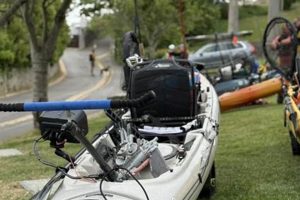
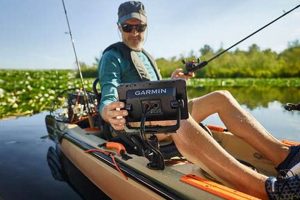
Competitive angling events held in Pennsylvania where participants fish from kayaks offer a unique blend of skill, strategy, and sportsmanship. These events typically involve targeting specific fish species within designated boundaries and timeframes, with winners determined by factors such as weight, length, or number of fish caught. Anglers often employ specialized kayak fishing techniques and equipment to enhance their performance.
Such competitions foster camaraderie among anglers, promote conservation awareness, and contribute to the local economy through tourism and related expenditures. They provide a platform for both seasoned professionals and recreational anglers to test their abilities, learn new techniques, and appreciate the natural resources of Pennsylvania’s waterways. The increasing popularity of these events reflects a growing interest in kayak fishing as a challenging and rewarding pursuit.
This article will further explore various aspects of competitive kayak angling in Pennsylvania, including popular tournament formats, prominent venues, essential gear and regulations, and strategies for success.
Tips for Competitive Kayak Angling in Pennsylvania
Success in competitive kayak fishing requires careful preparation and strategic execution. The following tips offer valuable guidance for anglers seeking a competitive edge in Pennsylvania tournaments.
Tip 1: Master Kayak Control: Proficient maneuvering is essential for precise casting, efficient navigation, and maintaining stability in varying water conditions. Regular practice in diverse environments hones these skills.
Tip 2: Utilize Fish-Finding Technology: Sonar, GPS, and fish finders provide crucial real-time data about underwater structures, fish locations, and depth contours, enabling strategic decision-making. Understanding how to interpret this information effectively is paramount.
Tip 3: Optimize Tackle and Gear: Selecting appropriate rods, reels, lines, and lures based on target species and tournament regulations is crucial. A well-organized and easily accessible tackle system enhances efficiency on the water.
Tip 4: Understand Target Species Behavior: Knowledge of fish habitats, feeding patterns, and seasonal movements informs strategic choices about lure selection, presentation, and fishing locations. Researching the prevalent species in the tournament waters is essential.
Tip 5: Pre-Fish the Tournament Waters: Exploring the designated fishing area prior to the competition allows anglers to identify productive spots, assess water conditions, and fine-tune their strategies. This pre-tournament scouting can provide a significant advantage.
Tip 6: Adhere to Tournament Rules and Regulations: Familiarization with all specific tournament guidelines, including boundaries, permitted fishing methods, and size/catch limits, is mandatory. Compliance ensures fair competition and avoids penalties.
Tip 7: Practice Catch and Release Techniques: Proper handling and release procedures minimize stress on fish and contribute to the long-term health of the fishery. This responsible practice is often a requirement in tournaments.
By implementing these strategies, tournament participants can significantly improve their performance, enhance their enjoyment of the competition, and contribute to a positive angling experience.
This information provides a solid foundation for competitive kayak angling in Pennsylvania. The next section will offer concluding thoughts and resources for further exploration.
1. Competition

Competition serves as a driving force within Pennsylvania kayak fishing tournaments, shaping participant behavior and influencing event outcomes. The competitive element introduces a structured framework where anglers strive to outperform one another within established rules and regulations. This dynamic fosters a challenging environment where strategic thinking, refined skills, and efficient time management become crucial for success. The pursuit of top rankings motivates anglers to hone their techniques, explore innovative approaches, and adapt to changing conditions on the water. For example, pre-fishing scouting, meticulous tackle selection, and precise lure presentation often differentiate top performers. Furthermore, competitive pressure can reveal strengths and weaknesses, encouraging continuous improvement and contributing to the overall development of angling expertise.
The presence of competition also elevates the intensity and excitement surrounding these events. The anticipation of weighing in catches, comparing results, and vying for prizes creates a palpable sense of drama. This competitive atmosphere attracts both seasoned professionals seeking to test their abilities against the best and recreational anglers motivated by personal achievement and the thrill of the challenge. The resulting mix of skill levels and experience enriches the overall tournament experience. Moreover, the competitive format often encourages camaraderie and sportsmanship as participants share knowledge, offer support, and celebrate each other’s accomplishments.
In summary, the competitive nature of kayak fishing tournaments in Pennsylvania plays a pivotal role in shaping individual performance, fostering community engagement, and driving the pursuit of excellence within the sport. This element not only contributes to the overall enjoyment and excitement of the events but also promotes continuous learning and development among participants. Understanding the dynamics of competition within this context provides valuable insights into the motivations, strategies, and achievements of those involved in Pennsylvania’s kayak fishing tournament scene.
2. Kayaks

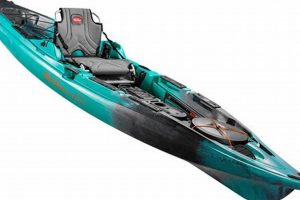
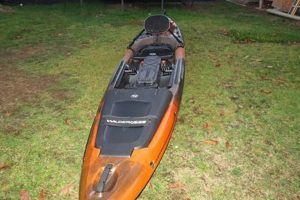
Kayaks form the foundational equipment in Pennsylvania kayak fishing tournaments, profoundly influencing participant strategies and overall event dynamics. These specialized vessels, designed for maneuverability and stability in diverse water conditions, provide anglers with a unique platform for accessing fishing locations often inaccessible by larger boats. The choice of kayak, including its hull design (sit-on-top versus sit-inside), length, and propulsion system (paddle or pedal), significantly impacts an angler’s ability to navigate shallow waters, cover distance efficiently, and maintain stability while casting and retrieving. For instance, a shorter, wider kayak offers enhanced stability in rough conditions, while a longer, narrower kayak provides greater speed and tracking for covering larger areas. This careful selection process underscores the importance of kayaks as a strategic component of competitive angling.
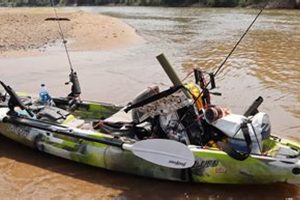
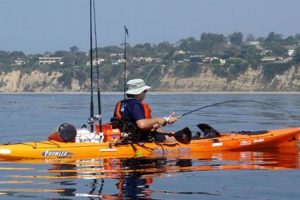
Furthermore, kayaks facilitate specialized fishing techniques specific to tournament settings. Their compact size and maneuverability allow anglers to discreetly approach fish-holding areas, minimize disturbance, and present lures with precision. Features like integrated rod holders, tackle storage compartments, and anchor systems further enhance angling efficiency. For example, a well-organized kayak allows for quick access to different lures and tackle, crucial for adapting to changing fish behavior or water conditions. Moreover, the low profile of a kayak presents a less intrusive approach, often increasing catch rates compared to larger, more visible vessels. This advantage becomes particularly relevant in pressured fisheries or clear water scenarios common in tournament environments.
In summary, kayaks are integral to the structure and execution of kayak fishing tournaments in Pennsylvania. Beyond mere transportation, they function as strategic tools, enabling specific fishing techniques and influencing angler performance. The interplay between kayak selection, angler skill, and tournament environment ultimately shapes the competitive landscape and determines event outcomes. Understanding the nuances of kayak characteristics and their practical applications is therefore essential for both participants and observers seeking to appreciate the complexities of these events. Future discussions will explore the evolution of kayak design and its ongoing impact on competitive kayak fishing.
3. Pennsylvania

Pennsylvania’s diverse aquatic ecosystems, encompassing rivers, lakes, and reservoirs, provide a rich backdrop for kayak fishing tournaments. The state’s varied topography, ranging from mountainous regions to coastal plains, creates a diverse range of habitats supporting a wide array of fish species. This ecological diversity makes Pennsylvania an attractive destination for competitive kayak angling, offering opportunities to target various species using diverse fishing techniques. For example, the Susquehanna River, with its smallmouth bass population, frequently hosts tournaments, while the Youghiogheny Reservoir offers challenges for anglers pursuing walleye and northern pike. The state’s commitment to conservation and habitat restoration further enhances these resources, contributing to the long-term health and sustainability of Pennsylvania’s fisheries. The accessibility of these waterways, coupled with established public access points and boat launches, facilitates tournament organization and participant access.
Furthermore, Pennsylvania’s regulatory framework, established by the Pennsylvania Fish and Boat Commission (PFBC), plays a crucial role in shaping kayak fishing tournaments. Regulations regarding fishing licenses, catch limits, size restrictions, and permitted fishing methods ensure fair competition and sustainable fishing practices. The PFBC’s active involvement in fish stocking programs and habitat management projects directly impacts the quality of fishing within tournament venues. For instance, regulations specific to kayak fishing, such as mandatory personal flotation devices and navigation light requirements, contribute to participant safety. The PFBC’s collaboration with tournament organizers ensures compliance with these regulations, fostering a responsible and sustainable approach to competitive angling. This regulatory framework also provides a stable and predictable environment for tournament planning and execution.
In summary, Pennsylvania’s natural resources, coupled with its regulatory oversight, create a favorable environment for kayak fishing tournaments. The state’s diverse aquatic ecosystems support a wide array of target species, while the PFBC’s regulatory framework ensures responsible and sustainable fishing practices. Understanding the interplay between Pennsylvania’s ecological context and regulatory structure provides valuable insights into the growth and sustainability of kayak fishing tournaments within the state. This connection highlights the importance of responsible resource management and its direct impact on the future of competitive kayak angling in Pennsylvania.
4. Fishing
Fishing, the core activity within kayak fishing tournaments held in Pennsylvania, defines the objectives, scoring systems, and overall participant experience. It provides the framework within which competition unfolds, influencing angler strategies, equipment choices, and ultimately, tournament outcomes. Understanding the nuances of fishing within this specific context is essential for comprehending the dynamics of these events.
- Target Species
Target species dictate tournament focus, influencing angler strategies and equipment choices. Events might emphasize particular species like bass, walleye, or trout, each requiring specific tackle and techniques. For example, bass tournaments often involve using lures that mimic prey fish, while trout tournaments might favor fly fishing approaches. Knowledge of target species’ behavior, habitat preferences, and seasonal patterns is crucial for competitive success.
- Techniques and Tactics
Effective fishing techniques are fundamental to tournament performance. Anglers employ various methods, including casting, trolling, and jigging, adapting their approach based on target species, water conditions, and tournament regulations. Skillful lure presentation, precise boat control, and the ability to read underwater structures are essential for maximizing catch rates. For example, an angler might employ a finesse fishing technique in clear water with light line and small lures to entice wary fish. Adaptability and strategic decision-making regarding technique selection are often key differentiators between successful and less successful competitors.
- Regulations and Ethics
Adherence to fishing regulations is paramount in tournament settings. Regulations established by the Pennsylvania Fish and Boat Commission, such as size limits, catch limits, and permitted fishing methods, ensure fair competition and resource sustainability. Ethical considerations, including proper catch-and-release practices, are also emphasized. For example, using barbless hooks and minimizing fish handling time contribute to fish welfare and the long-term health of the fishery. Respecting these regulations and ethical guidelines is not only mandatory but also reflects the broader responsibility of anglers to preserve aquatic resources.
- Equipment and Technology
Specialized equipment plays a significant role in competitive kayak fishing. Rods, reels, lines, lures, and electronic devices like fish finders and GPS units are carefully selected to optimize fishing effectiveness. Kayak features, including rod holders, tackle storage, and anchor systems, are also critical. For example, a high-quality fish finder can provide crucial information about water depth, bottom structure, and fish location, enabling strategic decision-making. The effective utilization of technology and specialized equipment often provides a competitive edge.
These interconnected facets of fishing collectively shape the competitive landscape of kayak fishing tournaments in Pennsylvania. Understanding their interplay is essential for appreciating the complexities of these events and the skills required for success. From species-specific knowledge to ethical considerations, the act of fishing within a tournament setting encompasses a multifaceted skillset, contributing to both the challenge and the reward of competitive kayak angling.
5. Tournaments

Tournaments provide the organizing principle for competitive kayak fishing in Pennsylvania, transforming individual angling pursuits into structured events with defined objectives, rules, and rewards. They establish a framework that governs participant behavior, ensures fair competition, and provides a platform for showcasing angler skill and sportsmanship. The presence of a tournament structure significantly influences the dynamics of kayak fishing, impacting participant preparation, on-the-water strategies, and post-event outcomes. For example, the established rules and regulations of a tournament might specify boundaries, permitted fishing methods, and target species, directly influencing angler choices regarding location selection, tackle preparation, and fishing techniques. The tournament format itself, whether it emphasizes total weight, length, or number of fish caught, further shapes participant strategies and on-the-water decision-making.
The importance of tournaments as a component of “kayak fishing tournaments pa” extends beyond the competitive aspect. Tournaments frequently serve as social gatherings, fostering camaraderie among anglers, promoting information exchange, and building a sense of community. They can also contribute to local economies through tourism and associated expenditures, benefiting host communities and supporting businesses related to fishing and outdoor recreation. For instance, a well-attended tournament held at a popular lake can generate revenue for local hotels, restaurants, and tackle shops. Moreover, tournaments often play a role in conservation efforts, promoting catch-and-release practices, raising awareness about environmental issues, and supporting habitat restoration projects. Some tournaments even incorporate educational components, providing opportunities for anglers to learn about fish identification, responsible angling practices, and local aquatic ecosystems.
Understanding the multifaceted role of tournaments within the broader context of kayak fishing in Pennsylvania provides valuable insights into the sport’s growth, social impact, and ecological relevance. Recognizing the influence of tournament structures on participant behavior, economic activity, and conservation efforts underscores the significance of these events beyond individual competition. This understanding also highlights the interconnectedness of recreational fishing, environmental stewardship, and community engagement, emphasizing the role of tournaments as platforms for promoting responsible angling practices and fostering a deeper appreciation for Pennsylvania’s aquatic resources.
6. Skill
Skill, encompassing a broad range of abilities and knowledge, plays a pivotal role in determining success within Pennsylvania kayak fishing tournaments. From pre-tournament preparation to on-the-water execution, proficiency in various skill sets significantly influences angler performance and differentiates competitive outcomes. This exploration delves into key skill facets essential for competitive kayak angling within Pennsylvania’s diverse aquatic environments.
- Kayak Control and Maneuvering
Precise kayak control is fundamental for navigating varying water conditions, accessing specific fishing locations, and maintaining stability during casting and retrieval. Mastering paddling techniques, utilizing rudder systems effectively, and understanding how wind and current impact kayak movement are essential for efficient and strategic positioning. For example, navigating through shallow, vegetated areas requires nuanced paddle strokes and precise boat control to avoid spooking fish. Similarly, maintaining stability in windy conditions while simultaneously managing fishing rods and tackle demands practiced balance and coordination. Proficient kayak control allows anglers to focus on fishing rather than constantly battling their vessel, maximizing fishing time and optimizing presentation accuracy.
- Fish Finding and Location Selection
Identifying productive fishing locations is crucial for consistent tournament success. Understanding fish behavior, habitat preferences, and seasonal patterns informs strategic decisions about where to fish. Interpreting electronic fish-finding technologies, like sonar and GPS, is essential for locating underwater structures, identifying fish-holding areas, and navigating efficiently. For example, recognizing a drop-off or submerged vegetation bed on a sonar display can indicate a prime ambush point for predatory fish. Combining this technological insight with knowledge of local fish species’ preferences enhances the probability of locating and targeting high-percentage fishing zones. Effective location selection minimizes wasted time and maximizes opportunities for productive fishing.
- Tackle Selection and Presentation
Choosing appropriate tackle and presenting lures effectively are crucial for enticing target species. Matching rod, reel, line, and lure combinations to specific fish species, water conditions, and fishing techniques maximizes catch potential. Understanding lure action, retrieval speed, and presentation depth influences fish response. For instance, selecting a brightly colored topwater lure for active bass in shallow water differs significantly from using a finesse worm rig for bottom-dwelling species in deeper, clearer water. Skillful lure presentation, combined with strategic tackle choices, significantly impacts an angler’s ability to trigger strikes and land fish consistently.
- Tournament Strategy and Adaptation
Effective tournament strategy involves pre-fishing scouting, time management, and adaptability. Exploring potential fishing areas prior to the tournament allows anglers to identify productive spots and formulate initial plans. During the event, efficient time management and the ability to adapt to changing conditions, such as weather shifts or fish behavior, are essential for maximizing fishing time and staying competitive. For example, if pre-determined fishing spots prove unproductive, a skilled angler can quickly adjust their strategy, exploring new areas or switching techniques based on real-time observations and changing conditions. Strategic decision-making and adaptability separate consistently successful tournament anglers from those who struggle to adjust to unexpected circumstances.
These interconnected skill sets, developed through practice and experience, collectively contribute to successful outcomes in Pennsylvania kayak fishing tournaments. While individual skill levels vary, continuous refinement and adaptation in these areas significantly enhance competitive performance. Proficiency in kayak control, fish finding, tackle management, and strategic thinking combine to create a comprehensive skillset essential for navigating the challenges and achieving consistent success in the demanding environment of competitive kayak angling. Further exploration could delve into specific training techniques and resources for developing these essential skills, offering practical guidance for aspiring tournament anglers.
Frequently Asked Questions about Kayak Fishing Tournaments in Pennsylvania
This section addresses common inquiries regarding competitive kayak angling in Pennsylvania, providing concise and informative responses to clarify potential uncertainties.
Question 1: What are the typical entry fees for kayak fishing tournaments in Pennsylvania?
Entry fees vary depending on tournament size, location, and potential prize payouts. Smaller, local events may have entry fees ranging from $25 to $75, while larger, regional or national tournaments can range from $100 to $500 or more. Anglers should carefully review tournament details for specific fee information.
Question 2: Are there specific kayak requirements for tournament participation?
While most tournaments allow various kayak types, some may have specific length or propulsion restrictions. Regulations regarding safety equipment, such as personal flotation devices (PFDs) and navigation lights, are universally enforced. Consulting the specific tournament rules is essential for confirming any equipment requirements.
Question 3: How are tournament winners determined?
Winning criteria typically involve the total weight, length, or number of fish caught within the designated species and size limits. Some tournaments utilize a “catch, photo, and release” format, requiring photographic evidence of catches alongside length measurements. Specific scoring methodologies are outlined in each tournament’s rules.
Question 4: Are there any specific licensing requirements for participating in kayak fishing tournaments in Pennsylvania?
A valid Pennsylvania fishing license and, in some cases, a launch permit or registration for the kayak are required for tournament participation. Ensuring compliance with all state fishing regulations is the angler’s responsibility. Detailed licensing information can be found on the Pennsylvania Fish and Boat Commission website.
Question 5: What are the common target species in Pennsylvania kayak fishing tournaments?
Common target species include bass (largemouth and smallmouth), walleye, trout, and panfish. Specific target species are typically designated for each tournament, influencing angler strategies and equipment choices. Researching the prevalent species in the tournament’s target waters is recommended.
Question 6: What are the benefits of participating in kayak fishing tournaments?
Tournament participation offers opportunities to test angling skills, learn new techniques, connect with fellow anglers, and contribute to conservation efforts. The competitive environment fosters skill development, while the social aspect builds camaraderie within the angling community. Additionally, some tournaments contribute proceeds to conservation initiatives, benefiting local fisheries.
These responses address frequently raised questions, providing essential information for individuals interested in competitive kayak angling in Pennsylvania. Careful review of specific tournament rules and regulations remains crucial for ensuring compliance and maximizing preparedness.
The next section will offer concluding thoughts and resources for further exploration of competitive kayak fishing within Pennsylvania.
Kayak Fishing Tournaments PA
This exploration of competitive kayak angling in Pennsylvania has highlighted key aspects shaping these events. From the specialized equipment and diverse aquatic environments to the strategic importance of skill development and the regulatory frameworks ensuring responsible fishing practices, the analysis has provided a comprehensive overview of this growing sport. The examination of tournament structures, scoring methodologies, and common target species underscores the multifaceted nature of competitive kayak fishing. Furthermore, the discussion surrounding the role of tournaments in fostering community engagement, contributing to local economies, and supporting conservation efforts emphasizes their broader significance beyond individual competition.
The future of kayak fishing tournaments in Pennsylvania appears promising, with continued growth anticipated as more anglers embrace this challenging and rewarding pursuit. The evolving landscape of kayak design, coupled with advancements in fish-finding technologies and angling techniques, promises to further elevate the competitive aspect of the sport. Continued emphasis on conservation, ethical angling practices, and responsible resource management will remain crucial for ensuring the long-term health and sustainability of Pennsylvania’s fisheries, allowing future generations to enjoy the thrill of competitive kayak angling. Exploration of emerging trends, technological advancements, and evolving tournament formats will provide further insights into the dynamic nature of this exciting sport.