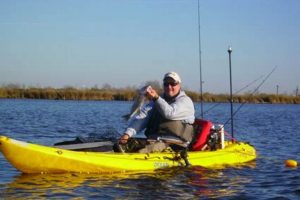
The year 2025 represents a point in the future of kayak angling. This timeframe suggests an interest in the anticipated advancements and trends within the fishing kayak market. Examples of areas of interest might include evolving hull designs, integration of new technologies, material innovations, and specialized features catered to specific fishing styles.
Understanding the trajectory of fishing kayak development is crucial for both manufacturers and anglers. Manufacturers can anticipate consumer demand and focus research and development efforts accordingly. For anglers, awareness of upcoming innovations allows for informed purchasing decisions and the potential to enhance their on-the-water experience. Examining the projected state of the market offers a glimpse into how this specialized equipment might adapt to changing fishing practices and environmental considerations.
This article will delve into specific areas of innovation expected in the coming years, covering topics such as sustainable manufacturing practices, advancements in propulsion systems, integrated electronics, and the evolving role of kayak fishing within the broader recreational fishing landscape.
Strategic planning and informed decision-making are essential when considering future kayak purchases. The following tips offer guidance for navigating the evolving landscape of fishing kayaks.
Tip 1: Research Emerging Technologies: Stay informed about advancements in propulsion systems, fish-finding electronics, and construction materials. Understanding these developments enables assessment of their potential benefits for individual fishing styles and needs.
Tip 2: Consider Sustainability: Evaluate manufacturers’ commitment to environmentally responsible practices. Seek kayaks constructed with recycled materials or those employing manufacturing processes that minimize environmental impact.
Tip 3: Prioritize Stability and Performance: Hull design plays a crucial role in kayak performance. Research different hull types to determine the optimal balance of stability, speed, and maneuverability for specific fishing conditions.
Tip 4: Evaluate Feature Integration: Assess how seamlessly various features, such as rod holders, storage compartments, and electronic mounts, are integrated into the kayak’s design. Prioritize functionality and ease of use.
Tip 5: Seek Expert Advice: Consult with experienced kayak anglers or reputable retailers specializing in fishing kayaks. Their insights can provide valuable perspectives on emerging trends and specific kayak models.
Tip 6: Plan for Customization: Consider the potential for customization and the availability of aftermarket accessories. This flexibility allows adaptation of the kayak to evolving fishing preferences and techniques.
By considering these factors, prospective buyers can make informed decisions, maximizing their investment and ensuring a positive on-the-water experience for years to come.
These insights into the future of fishing kayaks provide a foundation for making informed purchasing decisions and enhancing angling experiences.
1. Advanced Hull Designs
Hull design represents a pivotal area of innovation in fishing kayaks. By 2025, advancements in this area are expected to significantly impact performance, stability, and overall angling experience. Exploring these advancements provides insights into the future of kayak fishing.
- Tunnel Hulls:
Tunnel hulls, characterized by a recessed channel running the length of the hull, enhance stability, particularly in shallow water and challenging conditions. This design minimizes drag and improves tracking, allowing anglers to maintain position and navigate efficiently, particularly advantageous in rivers or areas with currents. Improved stability translates to a more comfortable and secure fishing platform.
- Multi-Chine Hulls:
Multi-chine hulls feature multiple hard angles along the bottom, providing a balance of stability and maneuverability. These designs excel in varied water conditions, offering stability in calm waters while remaining responsive during turns and maneuvering in tighter spaces. This versatility makes them suitable for diverse fishing environments, from lakes and ponds to rivers and coastal areas.
- Hydrodynamic Optimization:
Computational fluid dynamics (CFD) and other advanced design tools are increasingly employed to optimize hull shapes for minimal drag and maximal efficiency. This focus on hydrodynamics results in kayaks that glide effortlessly through the water, requiring less effort for paddling and covering greater distances. Such improvements are particularly beneficial for anglers targeting distant fishing spots or spending extended periods on the water.
- Integrated Pedal Systems:
Integrating pedal-powered propulsion systems directly into hull design enhances maneuverability and efficiency. This seamless integration reduces drag and optimizes performance, allowing hands-free fishing and precise boat control. Pedal drives provide an alternative to paddling, reducing fatigue and allowing anglers to focus on fishing.
These advancements in hull design contribute significantly to the anticipated improvements in fishing kayak performance by 2025. These developments promise enhanced stability, speed, maneuverability, and overall efficiency, ultimately enriching the kayak angling experience.
2. Integrated Technology

Integrated technology is poised to revolutionize fishing kayaks by 2025, offering anglers unprecedented levels of connectivity, information access, and control. These advancements represent a significant shift towards enhanced on-the-water experiences, enabling more efficient and informed fishing practices.
- GPS and Chartplotting:
Integrated GPS and chartplotting systems provide real-time location data, navigation assistance, and the ability to mark waypoints, such as productive fishing spots or navigation hazards. These systems, often integrated with fish finders, offer a comprehensive view of the underwater environment and facilitate efficient navigation. Examples include touch-screen displays with high-resolution mapping and the ability to track speed, distance, and bearing. For 2025 fishing kayaks, this translates to improved navigation safety and the ability to precisely target fishing locations.
- Fish Finding Sonar and Transducers:
Advanced sonar technology, seamlessly integrated into the kayak’s hull or deployed via wireless transducers, provides detailed underwater imagery, including water depth, bottom structure, fish location, and water temperature. Side-scan and down-scan imaging offer enhanced clarity and detail. This technology empowers anglers to locate fish more effectively, understand underwater terrain, and adapt fishing strategies accordingly. In 2025, these integrated systems are expected to become even more sophisticated, providing clearer imagery and more detailed data analysis.
- Wireless Connectivity and Mobile Integration:
Wireless connectivity enables integration with smartphones and tablets, providing access to weather forecasts, fishing regulations, and communication tools. Mobile apps offer functionalities like remote control of onboard electronics, data sharing with fellow anglers, and access to online fishing communities. This integration expands the capabilities of fishing kayaks beyond traditional navigation and fish finding. By 2025, seamless wireless connectivity will likely become a standard feature, further enhancing the angler’s experience.
- Automated Lighting and Safety Systems:
Integrated lighting systems enhance visibility in low-light conditions, improving safety during early morning or evening fishing trips. Automated systems can activate lights based on ambient light levels or integrate with navigation systems to mark hazards. Some systems may also include emergency beacons or distress signals, offering added security in case of unforeseen events. These safety features are expected to become increasingly prevalent in 2025 fishing kayaks, prioritizing angler safety and responsible on-the-water practices.
These integrated technologies demonstrate the evolving sophistication of fishing kayaks. By 2025, these advancements will likely redefine the angling experience, providing anglers with unparalleled access to information, enhanced safety features, and greater control over their on-the-water activities. This integration of technology represents a significant step towards a more connected and efficient future for kayak fishing.
3. Sustainable Materials
The increasing emphasis on environmental responsibility influences material selection in kayak construction. By 2025, the utilization of sustainable materials in fishing kayaks is expected to become more prevalent, driven by consumer demand and manufacturers’ commitment to eco-conscious practices. This shift reflects a growing awareness of the environmental impact of manufacturing processes and a desire to minimize the footprint of recreational activities. Recycled plastics, particularly high-density polyethylene (HDPE), offer a viable alternative to virgin plastics, reducing reliance on fossil fuels and diverting waste from landfills. Furthermore, bio-based materials derived from renewable resources, such as plant-based polymers or natural fibers, present an emerging opportunity for further reducing environmental impact. Examples include kayaks incorporating recycled plastic bottles or utilizing flax fiber reinforcement in construction. The practical significance of this transition lies in reducing the overall carbon footprint of kayak production, contributing to the conservation of natural resources, and minimizing pollution in waterways.
The adoption of sustainable materials presents both opportunities and challenges. While recycled and bio-based materials offer environmental benefits, ensuring comparable performance characteristics to traditional materials requires careful consideration. Factors such as durability, UV resistance, and impact strength must be rigorously evaluated to ensure the long-term viability of these materials in demanding on-the-water environments. Manufacturing processes may also require adaptation to accommodate the unique properties of sustainable materials. However, ongoing research and development efforts are continuously improving the performance and processability of these materials, paving the way for wider adoption in the kayak industry. Furthermore, consumer education plays a crucial role in driving demand for sustainably produced kayaks and fostering a broader understanding of the environmental benefits.
The transition towards sustainable materials in fishing kayak construction signifies a critical step towards environmentally responsible manufacturing within the recreational fishing industry. By 2025, the increased utilization of recycled plastics, bio-based materials, and other innovative alternatives is anticipated to contribute significantly to reducing the environmental impact of kayak angling. Addressing the challenges associated with material performance and manufacturing processes remains crucial for ensuring the successful integration of sustainable practices. Ultimately, this shift reflects a growing commitment to preserving natural resources and promoting a more sustainable future for the sport of kayak fishing.
4. Enhanced Propulsion

Enhanced propulsion systems represent a significant area of development in the evolution of fishing kayaks towards 2025. This focus stems from the desire for increased efficiency, speed, and maneuverability on the water, ultimately enhancing the angling experience. Traditional paddle propulsion, while effective, can limit range and create physical demands, particularly in challenging conditions or during longer trips. Consequently, innovative propulsion methods are gaining prominence, offering anglers alternatives to traditional paddling.
One prominent example is the integration of pedal-driven systems. These systems utilize leg power, often through a propeller or fin system, to propel the kayak. This allows for hands-free fishing, crucial for techniques requiring constant line management or lure retrieval. Furthermore, pedal drives often provide greater speed and efficiency compared to paddling, particularly over longer distances. Another emerging trend is the incorporation of electric motors. These motors offer variable speed control and eliminate the physical exertion of paddling, allowing anglers to cover larger areas and conserve energy for fishing. Electric motors also prove advantageous in challenging conditions, such as strong currents or headwinds. Advancements in battery technology further enhance the viability of electric propulsion by extending range and reducing overall system weight. Examples include integrated trolling motors with GPS-guided autopilot features, allowing anglers to maintain position or follow predetermined routes effortlessly.
The practical significance of enhanced propulsion lies in expanding fishing opportunities. Anglers can reach more distant locations, explore larger bodies of water, and access areas previously difficult to navigate with traditional paddles. This enhanced mobility translates to greater fishing versatility and the potential to discover new fishing grounds. Furthermore, reduced physical exertion allows anglers to focus on the core activity of fishing, improving overall comfort and enjoyment on the water. While enhanced propulsion systems often add complexity and cost to kayaks, their potential to significantly improve the angling experience drives ongoing innovation and adoption within the fishing kayak community. The continued development of these systems promises further enhancements in speed, efficiency, and maneuverability, shaping the future of kayak fishing and expanding possibilities for anglers in 2025 and beyond. Addressing challenges related to battery life, system weight, and environmental impact remains crucial for realizing the full potential of enhanced propulsion in fishing kayaks.
5. Personalized Features

The increasing demand for personalized experiences extends to the realm of fishing kayaks. By 2025, manufacturers are anticipated to offer greater customization options, allowing anglers to tailor their kayaks to individual fishing styles, physical attributes, and specific needs. This trend reflects a broader movement towards personalized products in the recreational market, recognizing that a one-size-fits-all approach may not optimally serve diverse angling preferences and practices.
- Adjustable Seating Systems:
Ergonomics play a crucial role in angler comfort and endurance, particularly during extended fishing trips. Adjustable seating systems allow for customized positioning, accommodating variations in height, weight, and physical limitations. Examples include sliding seats with adjustable backrests, allowing anglers to fine-tune their position for optimal paddling efficiency and fishing comfort. In the context of 2025 fishing kayaks, this translates to improved comfort, reduced fatigue, and enhanced overall fishing experience. This focus on ergonomics reflects a growing awareness of the physical demands of kayak fishing and the importance of individualized comfort.
- Modular Mounting Systems:
Modular mounting systems provide flexibility in configuring accessories and equipment. These systems typically incorporate tracks or rails that allow anglers to easily attach and reposition rod holders, fish finders, cameras, and other gear. This adaptability enables customization based on specific fishing techniques and individual preferences. For example, an angler specializing in fly fishing might configure their kayak differently than someone focused on trolling. By 2025, modularity is expected to become increasingly prevalent, allowing anglers to personalize their kayaks for specific fishing disciplines and adapt to evolving needs.
- Customizable Color Schemes and Camouflage:
While functionality remains paramount, aesthetics also contribute to the overall angling experience. Offering customizable color schemes and camouflage patterns allows anglers to personalize the appearance of their kayaks, reflecting individual preferences and potentially providing tactical advantages in certain fishing environments. This customization extends beyond mere aesthetics, potentially enhancing stealth and reducing visibility to fish in shallow or clear water. By 2025, the availability of personalized aesthetics could become a significant factor in purchasing decisions, further driving the trend towards individualized kayak design.
- Specialized Storage Solutions:
Different fishing styles necessitate varying storage requirements. Personalized storage solutions cater to these diverse needs by offering compartments, hatches, and storage areas specifically designed for particular gear, such as tackle boxes, rods, and safety equipment. For example, a kayak designed for bass fishing might prioritize storage for lures and tackle, while a kayak for saltwater fishing may require specialized compartments for larger rods and reels. In 2025, the ability to customize storage configurations will likely become increasingly important, allowing anglers to optimize their kayaks for specific fishing needs and maximize on-the-water efficiency.
These personalized features highlight the shift towards user-centric design in the fishing kayak industry. By 2025, the ability to customize various aspects of kayak configuration, from seating and storage to accessory placement and aesthetics, is expected to significantly influence purchasing decisions and enhance the overall angling experience. This focus on individualization acknowledges the diverse needs and preferences within the angling community, paving the way for more tailored and enjoyable on-the-water experiences.
6. Improved Stability
Stability represents a critical performance characteristic in fishing kayaks, directly influencing angler safety, comfort, and fishing effectiveness. The year 2025 signifies a point of anticipated advancements in kayak design, and improved stability emerges as a key focus area. Several factors contribute to this emphasis. Firstly, the growing popularity of kayak fishing attracts anglers of varying skill levels, including beginners who prioritize stability. Secondly, the desire to stand and fish, offering enhanced visibility and casting range, necessitates a stable platform. Finally, increasingly specialized fishing techniques, such as fly fishing or sight casting, require a stable base for precise movements. These factors collectively drive the demand for enhanced stability in future kayak designs.
Several design innovations contribute to improved stability. Wider hulls provide a larger base of support, reducing the tendency to tip. Multi-chine hulls, featuring multiple hard angles along the bottom, enhance stability while maintaining maneuverability. Outriggers, extending laterally from the hull, offer exceptional stability, particularly beneficial for stand-up fishing. Advanced materials and construction techniques further contribute to stability by optimizing weight distribution and structural rigidity. Real-world examples include specialized fishing kayaks designed for stand-up fishing, incorporating wider hulls and outriggers for maximum stability. Similarly, kayaks intended for challenging conditions, such as open ocean or rapid rivers, prioritize stability through advanced hull designs and enhanced weight distribution. The practical significance of improved stability lies in enhanced angler confidence and safety, particularly in demanding conditions. A stable platform enables anglers to focus on fishing techniques rather than maintaining balance, improving overall performance and enjoyment.
Continued advancements in hull design, materials, and construction techniques will likely yield further improvements in kayak stability by 2025. This progress will facilitate broader participation in the sport, accommodate diverse fishing styles, and enhance overall safety and performance on the water. Addressing potential trade-offs between stability and maneuverability remains a key design consideration. Furthermore, educating anglers on the factors influencing stability and proper kayak handling techniques will contribute to safe and enjoyable on-the-water experiences.
7. Increased Storage
Increased storage capacity represents a notable advancement anticipated in 2025 fishing kayaks. This development stems from evolving angler needs and the increasing complexity of fishing gear. Modern angling often involves specialized equipment for diverse fishing techniques, requiring dedicated storage solutions. Longer expeditions necessitate provisions for additional gear, safety equipment, and personal items. Furthermore, advancements in kayak design, particularly in stability and load capacity, facilitate the integration of larger storage compartments without compromising performance. These converging factors underscore the importance of increased storage as a defining characteristic of future fishing kayaks.
Practical examples illustrate this trend. Kayaks designed for multi-day fishing trips incorporate larger hatches and compartments capable of accommodating camping gear, food supplies, and additional clothing. Specialized kayaks for tournament fishing feature dedicated storage for rods, reels, tackle boxes, and electronic equipment. Even recreational fishing kayaks benefit from increased storage, allowing anglers to carry essential safety gear, personal items, and a wider array of fishing tackle. The practical significance of increased storage lies in enhanced organization, improved safety, and expanded fishing capabilities. Efficient storage solutions allow anglers to access gear quickly and easily, minimizing distractions and maximizing fishing time. Adequate storage for safety equipment contributes to responsible on-the-water practices. Increased capacity for fishing gear enables anglers to adapt to diverse fishing conditions and employ a wider range of techniques.
While increased storage offers numerous advantages, design considerations remain crucial. Balancing storage capacity with kayak weight, stability, and maneuverability requires careful engineering. Furthermore, ensuring convenient access to stored items, even in challenging conditions, necessitates innovative hatch designs and compartment layouts. The ongoing evolution of kayak design suggests that 2025 will witness further advancements in storage solutions, addressing these challenges and providing anglers with increasingly versatile and efficient platforms for pursuing their passion. This focus on storage capacity ultimately reflects a broader trend towards enhanced functionality and customization in the fishing kayak industry, catering to evolving angler needs and maximizing the enjoyment of on-the-water experiences.
Frequently Asked Questions about 2025 Fishing Kayaks
This FAQ section addresses common inquiries regarding the projected advancements in fishing kayaks by 2025. The information provided aims to clarify potential developments and offer insights for prospective buyers and current kayak anglers.
Question 1: How significantly will hull designs change by 2025?
Hull designs are expected to evolve considerably, with advancements in tunnel hulls, multi-chine configurations, and hydrodynamic optimization contributing to improved stability, speed, and maneuverability. These changes aim to enhance performance and cater to diverse fishing styles and water conditions.
Question 2: What role will technology play in 2025 fishing kayaks?
Integrated technology will play a crucial role, encompassing GPS and chartplotting, advanced sonar systems, wireless connectivity, and automated safety features. These advancements will enhance navigation, fish finding, communication capabilities, and overall safety on the water.
Question 3: What advancements are expected in materials used for kayak construction?
Sustainability will drive material selection, with increased use of recycled plastics and bio-based materials anticipated. These eco-conscious choices aim to minimize environmental impact while maintaining performance and durability.
Question 4: How will propulsion systems evolve in future fishing kayaks?
Enhanced propulsion systems, including pedal drives and electric motors, will offer alternatives to traditional paddling, providing increased speed, efficiency, and hands-free fishing opportunities. These advancements aim to expand fishing range and reduce physical exertion.
Question 5: Will customization options increase for fishing kayaks?
Personalization will be a key trend, offering adjustable seating, modular mounting systems, customizable color schemes, and specialized storage solutions. These options allow anglers to tailor kayaks to individual preferences, fishing styles, and physical attributes.
Question 6: How will stability be improved in 2025 fishing kayaks?
Improved stability will be a primary focus, achieved through wider hulls, multi-chine designs, outriggers, and optimized weight distribution. These improvements aim to enhance angler safety and comfort, particularly for stand-up fishing and challenging conditions.
These advancements aim to create more efficient, comfortable, personalized, and environmentally conscious fishing experiences by 2025.
The following section will explore specific models and manufacturers anticipated to lead the way in incorporating these advancements.
Conclusion
This exploration of advancements anticipated in fishing kayaks by 2025 reveals a convergence of technological innovation, sustainable practices, and evolving angler needs. Key developments include enhanced hull designs for improved performance and stability, integrated technology for navigation and fish finding, sustainable materials for reduced environmental impact, enhanced propulsion systems for increased range and efficiency, personalized features for customized comfort and functionality, and increased storage capacity for diverse gear and extended trips. These advancements collectively promise a significantly enhanced on-the-water experience.
The anticipated evolution of fishing kayaks presents both exciting opportunities and important considerations for anglers and manufacturers alike. Careful evaluation of emerging technologies, material choices, and design features will empower informed purchasing decisions. Continued innovation and adaptation will shape the future of kayak angling, driving the development of increasingly sophisticated, versatile, and sustainable fishing platforms. Embracing these advancements promises to enrich the angling experience, expand access to diverse fishing environments, and promote responsible stewardship of aquatic resources. The future of kayak fishing hinges on the thoughtful integration of these advancements, ensuring a sustainable and rewarding pursuit for years to come.