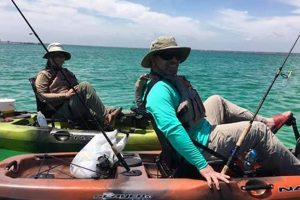
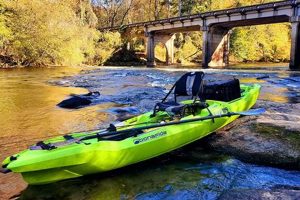
Navigating the shallow-water sounds and estuaries of the Outer Banks by kayak offers a unique angling experience. This method provides access to areas often unreachable by larger vessels, allowing anglers to target species like redfish, speckled trout, flounder, and striped bass in their natural habitats. For example, paddling through the marsh grasses during a calm sunrise can yield rewarding catches and unparalleled views of the local wildlife.
This style of fishing presents several advantages, including stealthy approach, minimized environmental impact, and affordability compared to motorized boat fishing. It’s also a physically engaging activity that connects anglers directly with the natural environment. Historically, small watercraft have played a crucial role in the Outer Banks fishing tradition, with kayaks representing a modern evolution of this practice, combining traditional methods with contemporary technology and equipment.
This introduction provides a foundation for exploring the various facets of this sport, including recommended equipment, popular fishing locations, seasonal considerations, and responsible angling practices within the Outer Banks region.
Tips for Outer Banks Kayak Fishing
Successful kayak angling in the Outer Banks requires preparation and an understanding of local conditions. These tips offer valuable insights for a safe and productive experience.
Tip 1: Prioritize Safety Equipment: Always wear a personal flotation device (PFD). Carry a whistle, signaling mirror, and a waterproof communication device. Inform someone of planned launch and return times.
Tip 2: Understand Tidal Influences: Tides significantly impact fishing patterns in the Outer Banks. Consult tide charts before planning a trip to optimize fishing times and navigate shallow areas effectively. Incoming tides often bring baitfish and larger predators closer to shore.
Tip 3: Choose Appropriate Kayak and Gear: Select a kayak designed for stability and suitable for the intended fishing environment (sound, ocean, or marsh). Equip the kayak with rod holders, anchor systems, and appropriate storage for tackle and equipment.
Tip 4: Employ Effective Fishing Techniques: Light tackle and artificial lures are often effective. Live bait, such as shrimp or minnows, can also be productive. Match fishing techniques to target species and prevailing conditions.
Tip 5: Respect Wildlife and the Environment: Practice catch-and-release whenever possible, handling fish carefully to minimize stress. Adhere to all local fishing regulations and dispose of waste responsibly.
Tip 6: Be Weather Aware: Check weather forecasts before heading out and avoid fishing during storms or strong winds. Be prepared for changing conditions and have a plan for a safe return.
Tip 7: Hire a Guide (Optional): Consider hiring a local guide for enhanced knowledge of fishing hotspots, techniques, and safety procedures, especially for those unfamiliar with the area.
By adhering to these guidelines, anglers can maximize their chances of a successful and enjoyable fishing trip while prioritizing safety and environmental responsibility.
This practical advice prepares anglers for the specific challenges and opportunities presented by the Outer Banks, leading to a more fulfilling experience on the water.
1. Location Scouting

Effective location scouting is paramount for successful kayak fishing in the Outer Banks. The diverse ecosystem presents a range of habitats, from sound-side marshes and grassy flats to inlets and nearshore ocean waters. Each location holds distinct fish populations and requires specific angling approaches. Pre-trip scouting minimizes wasted time on the water and maximizes fishing opportunities. Consulting local fishing reports, nautical charts, and online resources can reveal promising areas. For example, exploring shallow-water grass beds during a rising tide may yield speckled trout, while deeper channels near inlets might hold flounder.
Furthermore, location scouting allows anglers to assess potential hazards such as oyster beds, strong currents, or boat traffic. Understanding launch points, water depths, and potential obstacles ensures safer navigation. Consider the prevailing wind direction and its impact on paddling effort and kayak control, particularly in open water areas. Scouting may also involve identifying accessible parking, observing bird activity as a sign of baitfish, or noting the presence of submerged structure that attracts fish.
Ultimately, thorough location scouting contributes significantly to a productive and safe kayak fishing experience. Combining pre-trip research with on-site observation empowers anglers to make informed decisions, optimize their time on the water, and increase the likelihood of successful catches. Failing to scout effectively can lead to unproductive fishing trips, navigational challenges, and potential safety risks. Preparation through location scouting is an essential element of successful kayak fishing in the dynamic Outer Banks environment.
2. Tidal Planning

Tidal fluctuations significantly influence fishing success in the Outer Banks. Understanding tidal currents, water depths, and their impact on fish behavior is crucial for effective kayak angling. Proper tidal planning allows anglers to optimize fishing times, access productive areas, and navigate safely.
- Current Strength and Direction
Tidal currents dictate the movement of baitfish and predators. Strong currents may necessitate adjustments in fishing techniques, anchoring strategies, or paddling effort. For example, fishing near inlets or bridges during peak tidal flows can concentrate fish, but requires careful kayak positioning and stronger tackle. Conversely, slack tides provide opportunities for fishing calmer waters and targeting species in shallow areas.
- Water Depth and Accessibility
Tidal changes dramatically alter water depths, particularly in shallow estuaries and marshes. Understanding tide charts is essential for navigating safely and accessing prime fishing spots. A high tide might allow access to shallow flats where redfish feed, while a low tide may expose oyster beds or sandbars, creating navigational hazards. Planning kayak routes based on tidal predictions ensures safe passage and efficient use of fishing time.
- Fish Behavior and Feeding Patterns
Fish activity often correlates with tidal stages. Incoming tides can bring baitfish and larger predators closer to shore, creating feeding opportunities in marshes and along shorelines. Outgoing tides can concentrate fish in channels and deeper holes. Understanding these patterns allows anglers to select appropriate locations and fishing techniques based on the tidal phase. For instance, targeting speckled trout in shallow grass beds during a flood tide might prove more effective than fishing deeper channels during a falling tide.
- Safety Considerations
Tidal currents can create challenging conditions for kayakers, particularly in open water or near inlets. Strong outgoing tides combined with wind can make paddling against the current difficult and increase the risk of capsizing. Planning kayak trips during less extreme tidal flows, particularly for less experienced paddlers, enhances safety. Checking tide charts before embarking on a fishing trip allows anglers to anticipate potential hazards and make informed decisions about launch times, routes, and fishing locations.
Considering these tidal factors in pre-trip planning enhances fishing success and promotes safety. Integrating tidal knowledge with location scouting, species knowledge, and equipment selection allows anglers to optimize their kayak fishing experience in the Outer Banks.
3. Equipment Selection

Appropriate equipment selection is fundamental to a successful and enjoyable Outer Banks kayak fishing experience. The unique environment and targeted species require specialized gear that balances performance, safety, and angler comfort. Choosing suitable equipment enhances fishing effectiveness, improves kayak control, and ensures a safe and comfortable experience on the water.
- Kayak Choice
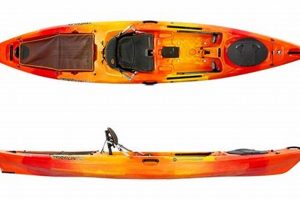
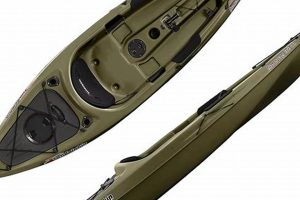
Kayak selection depends on the intended fishing environment (calm sounds, open ocean, or surf zone) and angler preference. Sit-on-top kayaks offer stability and self-bailing capabilities, ideal for warmer conditions and potential water entry. Sit-inside kayaks provide better protection from the elements and offer increased storage, suitable for longer trips or colder water. Consider kayak length, width, and weight capacity in relation to angler size, paddling distance, and gear storage needs. Shorter kayaks offer maneuverability in tight spaces like marshes, while longer kayaks provide better tracking in open water. Pedal-powered kayaks allow hands-free fishing and increased range, beneficial for covering larger areas.
- Paddle Selection
Paddle choice impacts paddling efficiency and comfort. Lightweight paddles reduce fatigue during long trips. Paddle length should correspond to angler height and kayak width. Consider adjustable-length paddles for versatility across different kayak types or fishing situations. High-angle paddles are suitable for shorter distances and quick maneuvers, while low-angle paddles are more efficient for longer distances and calmer conditions.
- Fishing Gear
Rods, reels, and tackle should match the target species and fishing techniques. Light to medium-weight spinning or baitcasting rods are versatile choices for common Outer Banks species like speckled trout, redfish, and flounder. Reels should be spooled with appropriate line strength and type (braided, monofilament, or fluorocarbon) based on target species and fishing conditions. Lure selection varies depending on the target species and environment, including topwater lures, jigs, soft plastics, and live bait rigs.
- Safety and Comfort Accessories
Prioritizing safety and comfort enhances the overall experience. A personal flotation device (PFD) is essential. A comfortable seat and back support minimize fatigue during long fishing trips. Dry bags protect electronics and valuables from water damage. Anchor systems, including stake-out poles or drift anchors, maintain kayak position in desired fishing locations. Other essential accessories include a first-aid kit, whistle, signaling mirror, and a waterproof communication device for emergencies.
Careful consideration of these equipment choices ensures a safe, comfortable, and productive kayak fishing trip in the Outer Banks. Matching equipment to the specific environment, target species, and angler preferences optimizes fishing effectiveness and enhances the overall experience. A well-equipped angler is better prepared to navigate the diverse waters of the Outer Banks, handle various fishing situations, and enjoy the unique challenges and rewards of this style of fishing.
4. Safety Precautions
Safety precautions are paramount in Outer Banks kayak fishing due to the dynamic coastal environment. The confluence of strong currents, shifting winds, varying water depths, and potential encounters with marine life necessitates careful planning and adherence to safety guidelines. Neglecting these precautions can lead to serious incidents, jeopardizing angler well-being and potentially requiring costly rescue operations. For instance, venturing out without checking weather forecasts can expose kayakers to sudden squalls or thunderstorms, creating hazardous paddling conditions. Similarly, ignoring tidal currents near inlets can result in kayakers being swept out to sea.
Several key safety measures contribute to a secure fishing experience. Wearing a personal flotation device (PFD) is non-negotiable. Carrying a whistle, signaling mirror, and waterproof communication device ensures effective communication in emergencies. Informing someone ashore of planned launch and return times establishes a critical safety net. Understanding local weather patterns, including wind speeds and wave heights, is crucial before embarking on a trip. Checking tide charts allows anglers to anticipate changing water levels and currents, enabling safe navigation through shallow areas and inlets. Awareness of potential hazards such as oyster beds, submerged debris, and boat traffic further minimizes risks. Carrying a first-aid kit and basic repair equipment addresses minor injuries or equipment malfunctions that may occur on the water.
Prioritizing safety precautions fosters a responsible and enjoyable fishing experience. These measures minimize risks inherent in the Outer Banks environment, allowing anglers to focus on the sport. A proactive approach to safety mitigates potential dangers, preventing incidents and ensuring a positive experience on the water. Integrating safety awareness into every aspect of kayak fishing from pre-trip planning to on-the-water practices establishes a culture of responsibility and contributes to the overall well-being of the angling community.
5. Target Species
The Outer Banks offers a diverse range of fish species, making it a popular destination for kayak anglers. Understanding the specific target species, their habitats, and feeding patterns is crucial for a successful fishing trip. This knowledge informs equipment choices, lure selection, and fishing location strategies. Targeting specific species enhances fishing effectiveness and contributes to a more rewarding experience on the water.
- Redfish (Red Drum)
Redfish inhabit shallow grassy flats, oyster beds, and marshes throughout the Outer Banks. They are opportunistic feeders, consuming crustaceans, small fish, and mollusks. Anglers often target them using topwater lures, jigs, or live bait like shrimp or crabs. Sight fishing for redfish in shallow water is a popular technique, requiring stealthy kayak maneuvering and precise casting. Their strong fighting ability makes them a prized target among kayak anglers.
- Speckled Trout (Spotted Seatrout)
Speckled trout frequent grassy flats, deeper channels, and inlets throughout the Outer Banks. They primarily feed on small fish and shrimp. Effective lures for speckled trout include soft plastic jerkbaits, topwater plugs, and MirrOlures. Fishing around structure like docks, oyster beds, and submerged vegetation often yields positive results. Their elusive nature and aggressive strikes make them a challenging and rewarding target.
- Flounder (Summer Flounder)
Flounder are bottom-dwelling fish found in sandy or muddy areas, often near inlets and channels. They are ambush predators, camouflaging themselves on the seabed and waiting for unsuspecting prey. Anglers target flounder using live bait like minnows or squid, or by employing jigs and bucktail lures bounced along the bottom. Their subtle bites and excellent camouflage make them a unique angling challenge.
- Striped Bass (Rockfish)
Striped bass migrate through the Outer Banks waters, offering seasonal fishing opportunities. They are often found near inlets, bridges, and along shorelines. Anglers target striped bass using a variety of lures, including swimbaits, topwater plugs, and jigs. Live bait like menhaden or eels can also be effective. Their powerful runs and large size make them a thrilling target for experienced kayak anglers.
Understanding the behavior and preferred habitats of these target species allows anglers to select appropriate fishing locations, employ effective techniques, and maximize their chances of success. Combining this species-specific knowledge with an understanding of tidal influences, weather patterns, and safe kayaking practices contributes to a rewarding and enriching fishing experience in the Outer Banks.
6. Local Regulations
Adhering to local regulations is essential for responsible and sustainable kayak fishing in the Outer Banks. These regulations aim to conserve fish populations, protect sensitive habitats, and ensure fair access to resources for all anglers. Understanding and complying with these rules contributes to the long-term health of the Outer Banks ecosystem and preserves the angling tradition for future generations. Ignoring regulations can result in fines, license revocation, and damage to the environment.
- Fishing Licenses and Permits
A valid North Carolina fishing license is required for all anglers engaged in kayak fishing. Specific permits may be required for certain species or fishing areas, such as coastal recreational fishing licenses or special permits for shellfish harvesting. Licenses can be obtained online, from local tackle shops, or through authorized license agents. Possessing the correct license and permits ensures legal compliance and supports conservation efforts funded by license fees.
- Size and Catch Limits
Size and catch limits are in place to protect fish populations and maintain healthy ecosystems. These regulations specify the minimum and maximum sizes of fish that can be legally harvested, as well as the daily catch limits for each species. For example, red drum have specific slot size limits, allowing anglers to keep fish within a designated size range. Adhering to these limits ensures sustainable fishing practices and prevents overfishing of vulnerable populations.
- Seasonal Closures and Restricted Areas
Seasonal closures protect spawning fish and vulnerable habitats during critical periods. Certain areas may be closed to fishing entirely to safeguard sensitive ecosystems or endangered species. For instance, some areas may be closed during spawning season for species like speckled trout or striped bass. Respecting seasonal closures and restricted areas contributes to the long-term health of fish populations and the overall ecosystem.
- Gear Restrictions
Gear restrictions may apply in specific areas or for certain species. For example, some areas may prohibit the use of gill nets or certain types of fishing gear to minimize bycatch or protect specific habitats. Understanding and following these gear restrictions ensures compliance and contributes to responsible fishing practices.
Compliance with local regulations is integral to responsible kayak fishing in the Outer Banks. Understanding and adhering to these rules ensures the sustainability of fish populations, preserves the delicate balance of the ecosystem, and fosters a culture of responsible angling within the community. By prioritizing ethical fishing practices and regulatory compliance, kayak anglers contribute to the long-term health of the Outer Banks fishery and ensure its enjoyment for generations to come. Familiarizing oneself with current regulations, available through the North Carolina Wildlife Resources Commission website or local tackle shops, is a crucial step for any angler planning a kayak fishing trip in the Outer Banks.
Frequently Asked Questions about Outer Banks Kayak Fishing
This FAQ section addresses common inquiries regarding kayak fishing in the Outer Banks, providing concise and informative responses to assist anglers in planning successful and enjoyable fishing trips.
Question 1: What are the most common fish species targeted by kayak anglers in the Outer Banks?
Common target species include redfish (red drum), speckled trout (spotted seatrout), flounder (summer flounder), striped bass (rockfish), and various other inshore species depending on the season and location.
Question 2: What type of kayak is best suited for fishing in the Outer Banks?
Sit-on-top kayaks are generally preferred for their stability, self-bailing capabilities, and ease of entry and exit. Sit-inside kayaks offer increased storage and protection from the elements, suitable for longer trips or colder conditions. Pedal-powered kayaks provide hands-free fishing and increased range.
Question 3: Are there specific regulations regarding kayak fishing in the Outer Banks?
A valid North Carolina fishing license is required. Specific size and catch limits apply to different species. Seasonal closures and restricted areas may be in effect. Anglers should consult the North Carolina Wildlife Resources Commission for current regulations.
Question 4: What safety precautions should kayak anglers take in the Outer Banks?
Essential safety precautions include wearing a personal flotation device (PFD), carrying a whistle, signaling mirror, and waterproof communication device, informing someone of trip plans, checking weather forecasts and tide charts, and being aware of potential hazards like oyster beds and boat traffic.
Question 5: What are the best times to fish from a kayak in the Outer Banks?
Fishing success is often influenced by tidal fluctuations. Incoming and outgoing tides can concentrate fish in specific areas. Dawn and dusk often provide optimal fishing opportunities. Consult local tide charts and fishing reports for specific recommendations.
Question 6: Where can one find reliable information on launch points and fishing locations for kayak anglers in the Outer Banks?
Local tackle shops, fishing guides, online forums, and nautical charts offer valuable information on launch points, fishing locations, and prevailing conditions. Consulting these resources enhances trip planning and increases fishing success.
These FAQs provide a foundational understanding of key aspects of kayak fishing in the Outer Banks. Thorough research and preparation contribute significantly to a safe, enjoyable, and productive fishing experience.
Beyond these frequently asked questions, detailed information on specific aspects of Outer Banks kayak fishing, including recommended equipment, popular locations, and seasonal considerations, will be explored in subsequent sections.
Outer Banks Kayak Fishing
Exploration of this distinct angling style reveals its multifaceted nature. From equipment selection and safety considerations to location scouting and regulatory compliance, each element contributes to a successful and enriching experience. The interplay of tidal influences, target species behavior, and environmental awareness underscores the dynamic nature of kayak fishing within the Outer Banks ecosystem. Preparation, informed decision-making, and respect for the natural environment are key pillars of this pursuit.
The Outer Banks offers a unique and rewarding challenge for kayak anglers. A mindful approach, combining skillful technique with environmental stewardship, ensures the preservation of this valuable resource for future generations. Continued exploration and responsible engagement with this dynamic coastal environment promise an enduring legacy of rewarding fishing experiences within the Outer Banks.