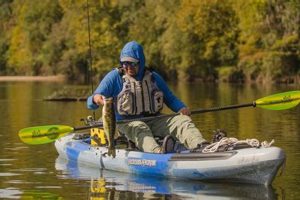
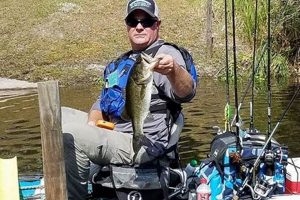
This pursuit combines the tranquility of paddling with the excitement of angling in the vast expanse of the sea. Imagine launching a small, self-propelled vessel from the shore, navigating through gentle swells, and casting a line into nutrient-rich waters teeming with life. This experience offers a unique connection with the marine environment, demanding a blend of paddling proficiency, angling knowledge, and safety consciousness.
Accessing often unreachable fishing grounds empowers anglers to target diverse species, from nearshore rockfish to pelagic predators. This self-reliant activity promotes physical fitness, sharpens problem-solving skills, and fosters a deep appreciation for the ocean ecosystem. While rooted in ancient fishing traditions, advancements in kayak design and fishing tackle have significantly enhanced accessibility and success rates, making it a popular recreational activity.
The following sections will delve into essential aspects of preparing for and executing a successful and safe saltwater kayak fishing trip. Topics covered will include equipment selection, safety protocols, paddling techniques, fishing strategies, and responsible angling practices.
Tips for Ocean Kayak Fishing
Preparation and careful planning are crucial for a safe and rewarding experience. The following tips offer guidance for novice anglers venturing into ocean kayak fishing.
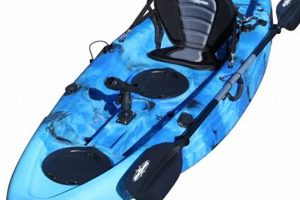
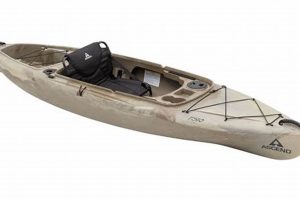
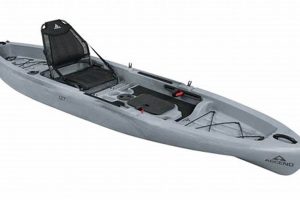
Tip 1: Choose the Right Kayak: Selecting a kayak designed for stability and fishing functionality is paramount. Look for features like rod holders, ample storage, and a comfortable seating position for extended periods on the water.
Tip 2: Prioritize Safety Equipment: A personal flotation device (PFD) is non-negotiable. Essential safety gear also includes a whistle, signaling mirror, VHF radio, and a first-aid kit. A leash connecting the paddle to the kayak prevents loss in case of capsize.
Tip 3: Check Weather and Tide Conditions: Consult marine forecasts before every trip. Avoid venturing out in strong winds, rough seas, or fog. Understanding tidal currents is crucial for efficient paddling and locating fish.
Tip 4: Start in Calm Waters: Gain experience in sheltered bays or estuaries before tackling open ocean conditions. Practice paddling techniques, maneuvering, and deploying fishing gear in a controlled environment.
Tip 5: Pack Light and Efficiently: Minimize gear to essential items and distribute weight evenly within the kayak for optimal balance and stability. Secure all equipment to prevent loss in case of capsize.
Tip 6: Learn Basic Fishing Techniques: Familiarize oneself with knot tying, casting techniques, and fish handling practices. Research target species and appropriate bait or lures for the area.
Tip 7: Respect the Environment: Adhere to local fishing regulations and practice catch-and-release whenever possible. Pack out all trash and avoid disturbing marine life or sensitive habitats.
By adhering to these guidelines, individuals can significantly enhance their chances of a safe, successful, and enjoyable ocean kayak fishing experience. Careful planning and a respect for the marine environment are essential for responsible angling.
The information provided here serves as a starting point for novice anglers. Further research and practical experience are essential for developing proficiency in ocean kayak fishing.
1. Stable Kayak Selection

Kayak stability forms the foundation of a successful and safe ocean fishing experience, particularly for beginners. An unstable platform compromises not only angling effectiveness but also personal safety. Choosing a kayak with appropriate stability characteristics is therefore paramount when venturing into open water.
- Hull Design and Stability:
Wider, flatter hulls generally offer greater initial stability, making them ideal for beginners. These designs resist tipping during casting, reeling, and landing fish. However, they may sacrifice some maneuverability and speed compared to narrower hulls. A sit-on-top kayak, with its open deck and inherent buoyancy, provides additional stability and ease of re-entry in case of capsize, a crucial consideration for novices. For instance, a wide, flat-bottomed sit-on-top kayak offers a secure platform for beginners to learn casting techniques without feeling unstable.
- Kayak Length and Stability:
Longer kayaks generally track straighter and offer more storage space, beneficial for longer trips. Shorter kayaks are more maneuverable but can be less stable, particularly in choppy conditions. Beginners might find a mid-length kayak offers a reasonable compromise between stability, maneuverability, and storage capacity. A kayak measuring 10-12 feet often provides good stability for beginners while remaining manageable in ocean currents.
- Weight Capacity and Stability:
Exceeding a kayak’s weight capacity significantly reduces its stability and freeboard, increasing the risk of capsize. Calculating the total weight of the angler, fishing gear, and any additional equipment is essential. Choosing a kayak with ample weight capacity ensures safe and stable performance. For example, a beginner carrying fishing rods, tackle boxes, and safety equipment needs to consider the combined weight and select a kayak with adequate capacity.
- Center of Gravity and Stability:
Maintaining a low center of gravity enhances stability. Distributing weight evenly within the kayak, avoiding overloading the stern or bow, and sitting in a comfortable, balanced position contribute to a stable platform. Beginners should practice entering and exiting the kayak, as well as reaching for gear, to understand how their movements affect stability. Sitting with a slight forward lean can improve paddle efficiency and maintain balance, crucial for casting lines without compromising stability.
Careful consideration of these stability-related factors empowers beginners to select a kayak suited to their individual needs and skill levels, enhancing both safety and enjoyment on the water. A stable platform facilitates confidence-building, allowing novice anglers to focus on developing their fishing skills while minimizing the risk of capsize in the dynamic ocean environment. Investing time in researching and testing different kayak models before purchase is invaluable in ensuring a comfortable and secure fishing experience.
2. Essential Safety Gear

Safety considerations are paramount in ocean kayak fishing, especially for beginners. The unpredictable nature of the marine environment necessitates a proactive approach to risk management. Carrying essential safety gear is not merely a precaution; it’s a fundamental requirement for responsible angling. Understanding the function and application of these items is crucial for mitigating potential hazards and ensuring a safe return.
- Personal Flotation Device (PFD):
A properly fitted PFD is non-negotiable. It provides buoyancy in case of capsize, increasing survival time in cold water. Ocean-specific PFDs often incorporate features like high visibility colors, attachment points for safety gear, and pockets for storing essentials. Choosing a comfortable, well-fitting PFD encourages consistent wear, crucial for maximizing its effectiveness in emergency situations. For example, a brightly colored PFD with a whistle attachment enhances visibility and aids rescue efforts.
- Signaling Devices:
Effective communication is crucial in emergencies. A whistle, signaling mirror, and VHF radio are essential for attracting attention and conveying distress. A waterproof pouch protects electronic devices from saltwater damage. Understanding proper signaling protocols, such as using a whistle in a series of three blasts, enhances the effectiveness of communication. A handheld VHF radio with a dedicated distress channel provides direct communication with the Coast Guard and other vessels, crucial for a timely response in emergencies.
- First-Aid Kit and Emergency Supplies:
Minor injuries are common in the outdoor environment. A comprehensive first-aid kit containing essential supplies such as bandages, antiseptic wipes, pain relievers, and sunscreen is crucial for addressing minor injuries and preventing infection. Including items like a space blanket, waterproof matches, and a small knife can provide critical support in unexpected situations. Regularly checking and replenishing the first-aid kit ensures readiness for any eventuality.
- Paddle Leash and Float:
Losing a paddle in the open ocean can quickly turn a challenging situation into a life-threatening one. A paddle leash secures the paddle to the kayak, preventing loss in case of capsize. A paddle float, combined with proper self-rescue techniques, facilitates re-entry into the kayak after capsize, a critical skill for solo kayakers. Practicing self-rescue techniques in calm water builds confidence and prepares beginners for unexpected situations.
These essential safety items contribute significantly to risk mitigation in the dynamic ocean environment. Consistent use and a thorough understanding of their operation empower beginners to respond effectively to unforeseen challenges. Proper preparation, combined with ongoing skill development, enhances safety awareness and fosters a culture of responsible angling. Ultimately, prioritizing safety equipment and training allows beginners to focus on enjoying the experience while minimizing potential risks.
3. Weather/Tide Awareness

Weather and tide awareness are inextricably linked to safe and successful ocean kayak fishing, particularly for beginners. The ocean environment is dynamic, influenced by constantly changing weather patterns and tidal currents. Failing to account for these factors can lead to hazardous situations, jeopardizing angler safety and potentially leading to rescue scenarios. Understanding weather forecasts, including wind speed, direction, and wave height, is crucial for trip planning. For example, strong offshore winds can quickly carry a kayak far from shore, while sudden storms can create dangerous paddling conditions. Tidal currents influence not only kayak navigation but also fish behavior, affecting the success of the fishing trip. A strong outgoing tide, for instance, can make paddling back to shore significantly more challenging. Neglecting tidal predictions can lead to stranding or extended periods at sea.
Practical application of weather and tide awareness involves consulting reliable marine forecasts before every trip. Utilizing resources such as online weather services, local tide charts, and coastal radio broadcasts provides crucial information for planning. Recognizing signs of changing weather conditions, such as cloud formations, wind shifts, and wave patterns, allows for proactive adjustments to fishing plans. For example, observing darkening skies and increasing wind speed necessitates a timely return to shore. Understanding how tides affect specific fishing locations, such as the formation of rips and eddies, can enhance fishing success. A rising tide, for example, can bring baitfish closer to shore, attracting larger predatory species.
In summary, weather and tide awareness are non-negotiable components of safe and effective ocean kayak fishing for beginners. Neglecting these factors can have serious consequences, while a proactive and informed approach empowers anglers to make sound decisions, maximizing both safety and enjoyment on the water. Continuous learning and a respect for the dynamic nature of the ocean environment are essential for responsible angling practices.
4. Beginner-Friendly Locations

Location selection significantly impacts the safety and enjoyment of ocean kayak fishing, especially for beginners. Choosing appropriate launch sites and fishing grounds allows novices to develop skills and confidence while minimizing risks associated with challenging conditions. Protected bays, estuaries, and calm nearshore areas offer ideal environments for initial forays into ocean kayak fishing. These locations provide shelter from strong winds and waves, allowing beginners to focus on paddling techniques, maneuvering, and fishing basics without the added challenge of navigating turbulent waters. Understanding the characteristics of beginner-friendly locations is essential for a positive and rewarding experience.
- Protected Bays and Estuaries:
Sheltered bays and estuaries offer calm waters ideal for practicing fundamental kayaking and fishing skills. These environments often feature shallow, clear water, allowing beginners to observe fish behavior and experiment with different techniques. Locations like sheltered coves within larger bays or the calm waters of estuaries provide protection from strong currents and waves, allowing novice anglers to focus on mastering basic skills. For example, a shallow, calm bay allows beginners to practice casting and retrieving without the challenge of strong currents or waves.
- Calm Nearshore Areas:
Nearshore areas with minimal wave action and predictable currents offer a manageable transition from sheltered waters to the open ocean. These locations often hold a variety of fish species accessible to beginners, providing opportunities to develop angling skills while experiencing the ocean environment. Sandbars, reefs, and kelp forests in calm nearshore waters provide structure and attract fish, creating productive fishing grounds for beginners. For instance, a shallow reef near the shore offers a suitable environment for beginners to target smaller reef fish while remaining close to land.
- Locations with Easy Launch Access:
Convenient launch points simplify the process of entering and exiting the kayak, minimizing the risk of capsize and gear loss. Sandy beaches, boat ramps, and designated kayak launch areas provide easy access to the water. Choosing a location with calm entry and exit points reduces the challenges posed by waves, currents, and slippery surfaces, especially for those new to kayaking. A gently sloping sandy beach, for example, offers a straightforward launch point compared to a rocky shoreline with strong surf.
- Areas with Minimal Boat Traffic:
Minimizing interaction with motorized vessels enhances safety, especially for beginners still developing maneuvering skills. Choosing locations with low boat traffic allows for more relaxed and focused fishing. Designated kayak fishing zones or areas with restricted motorized access provide a safer environment for beginners to practice paddling and fishing without the added stress of navigating around larger vessels. A secluded cove with minimal boat traffic, for instance, offers a more tranquil and safer fishing experience compared to a busy harbor channel.
Selecting appropriate locations allows beginners to focus on skill development and enjoyment, enhancing the overall experience and fostering a positive introduction to ocean kayak fishing. Gradually progressing to more challenging locations as skills and confidence improve ensures continued growth and enjoyment in the sport. Starting in calm, sheltered areas and progressively venturing into more exposed waters builds a strong foundation for safe and successful ocean kayak fishing.
5. Efficient Gear Packing

Efficient gear packing is crucial for a safe and successful ocean kayak fishing experience, especially for beginners. A well-organized kayak maximizes stability, enhances maneuverability, and minimizes the risk of gear loss. Proper weight distribution contributes significantly to kayak performance and angler safety. Overloading or unevenly distributing weight can compromise stability, making the kayak susceptible to capsizing, particularly in challenging conditions. Conversely, efficient packing allows for quick and easy access to essential equipment, enhancing angling efficiency and overall enjoyment.
- Weight Distribution and Balance:
Distributing weight evenly within the kayak is paramount for maintaining stability. Heavier items should be placed low and centered, close to the kayak’s centerline. This minimizes the impact of weight shifts on balance and reduces the risk of capsize. For example, tackle boxes and heavier fishing gear should be positioned near the center of the kayak, while lighter items can be stored in the bow or stern hatches. Proper weight distribution ensures optimal kayak performance and enhances angler safety, particularly in rough conditions.
- Waterproof Storage and Organization:
Protecting gear from saltwater damage is essential for maintaining its functionality and longevity. Utilizing waterproof bags and containers prevents water intrusion and keeps equipment dry. Organizing gear into designated compartments or dry bags facilitates quick access and minimizes clutter. For instance, storing electronic devices, such as GPS units and VHF radios, in waterproof cases safeguards them from saltwater damage and ensures their operability in emergencies. Organized storage enhances efficiency and reduces the risk of losing essential items overboard.
- Minimizing Gear and Prioritizing Essentials:
Carrying only necessary equipment minimizes weight and maximizes storage space. Prioritizing essential safety gear, fishing tackle, and personal items ensures preparedness without overloading the kayak. Overpacking reduces stability and maneuverability, increasing the risk of capsize. Focusing on essential items, such as a well-stocked first-aid kit, appropriate fishing tackle for targeted species, and necessary safety equipment, ensures a safe and enjoyable fishing trip without unnecessary weight or clutter. For example, carrying multiple rods and reels might be tempting, but focusing on a few versatile options reduces weight and simplifies tackle management.
- Securing Gear to Prevent Loss:
Securing gear to the kayak prevents loss in case of capsize. Using bungee cords, straps, or dedicated attachment points ensures equipment remains attached to the kayak even in turbulent conditions. This is especially important for essential safety gear, such as paddles and PFDs. Securing tackle boxes, rods, and other equipment prevents them from sinking or drifting away in the event of a capsize, preserving valuable gear and minimizing environmental impact. For instance, attaching a leash to the paddle prevents loss in rough conditions, ensuring the angler maintains control and the ability to navigate safely.
Efficient gear packing contributes significantly to a safe, comfortable, and successful ocean kayak fishing experience for beginners. Proper weight distribution, waterproof storage, minimizing gear, and securing equipment are crucial for maximizing stability, maneuverability, and safety. By adhering to these principles, beginners can enhance their enjoyment on the water while minimizing potential risks associated with an overloaded or poorly organized kayak. Focusing on these packing techniques allows novice anglers to concentrate on developing their fishing skills and enjoying the unique experience of ocean kayak fishing.
6. Basic Fishing Knowledge

Possessing foundational fishing knowledge significantly enhances the likelihood of success and enjoyment in ocean kayak fishing, particularly for beginners. This knowledge base encompasses several key areas crucial for a safe and productive experience. Understanding fundamental aspects, such as knot tying, casting techniques, fish identification, and appropriate bait or lure selection, empowers novice anglers to effectively target desired species. A lack of basic fishing knowledge can lead to frustration, wasted time, and potentially missed opportunities. For example, an angler unfamiliar with proper knot-tying techniques risks losing valuable tackle and fish due to line failure. Similarly, ineffective casting techniques limit the angler’s reach and ability to present bait or lures effectively, reducing the chances of attracting fish.
Practical application of basic fishing knowledge extends beyond simply catching fish. It also encompasses responsible angling practices, such as proper fish handling and release techniques, minimizing environmental impact, and adhering to local fishing regulations. Understanding size and catch limits, as well as identifying protected species, contributes to sustainable fisheries management. For example, practicing catch-and-release techniques using appropriate hooks and handling methods minimizes stress on released fish, increasing their chances of survival. Furthermore, understanding local regulations and adhering to designated fishing zones demonstrates respect for the environment and promotes responsible angling practices.
In summary, basic fishing knowledge is integral to a successful and rewarding ocean kayak fishing experience for beginners. It equips anglers with the essential skills and understanding to effectively target fish, practice responsible angling, and maximize enjoyment on the water. This foundational knowledge, combined with appropriate safety precautions and paddling skills, forms the cornerstone of a positive and sustainable approach to ocean kayak fishing. Ultimately, investing time in acquiring basic fishing knowledge empowers beginners to confidently engage in this exciting and rewarding outdoor activity.
Frequently Asked Questions
This section addresses common inquiries regarding ocean kayak fishing for beginners, providing concise and informative responses to facilitate a better understanding of the activity.
Question 1: What type of kayak is best suited for beginners in ocean fishing?
A sit-on-top kayak with a wide, stable hull is generally recommended for beginners due to its inherent buoyancy and ease of re-entry after a capsize. A length of 10-12 feet often provides a good balance between stability and maneuverability.
Question 2: What essential safety equipment should one carry when ocean kayak fishing?
Essential safety equipment includes a properly fitted personal flotation device (PFD), a whistle, a signaling mirror, a VHF radio, a first-aid kit, a paddle leash, and a paddle float. A waterproof pouch for electronic devices and a bilge pump are also recommended.
Question 3: How can one determine suitable weather and tide conditions for a safe fishing trip?
Consulting marine weather forecasts, including wind speed, direction, wave height, and tidal currents, is crucial. Local knowledge from experienced kayakers or fishing guides can also provide valuable insights.
Question 4: Where are some recommended beginner-friendly locations for ocean kayak fishing?
Sheltered bays, estuaries, and calm nearshore areas with minimal boat traffic offer suitable environments for beginners. Locations with easy launch access, such as sandy beaches or designated kayak launch areas, are also preferable.
Question 5: What basic fishing techniques should beginners learn before venturing into ocean kayak fishing?
Essential techniques include proper knot tying, casting techniques suitable for kayak fishing, fish identification, appropriate bait or lure selection, and safe fish handling practices. Understanding local fishing regulations is also crucial.
Question 6: What are some responsible angling practices to consider when ocean kayak fishing?
Adhering to catch and release guidelines, using appropriate tackle and handling techniques to minimize stress on released fish, respecting marine habitats, and properly disposing of fishing line and other waste contribute to responsible angling practices.
Careful consideration of these frequently asked questions equips prospective anglers with essential knowledge for a safe and rewarding ocean kayak fishing experience. Prioritizing safety, acquiring necessary skills, and practicing responsible angling contribute significantly to positive outcomes on the water.
Further exploration of specific techniques and location-specific information can enhance preparedness and optimize fishing success.
Ocean Kayak Fishing for Beginners
This exploration of ocean kayak fishing for beginners has highlighted key elements essential for a safe and rewarding experience. From selecting a stable kayak platform and prioritizing safety gear to understanding weather patterns, tidal influences, and basic fishing techniques, preparation and knowledge are paramount. Choosing appropriate locations, packing gear efficiently, and practicing responsible angling contribute significantly to positive outcomes on the water. The dynamic nature of the ocean environment demands respect and careful consideration of potential risks. Acquiring necessary skills and adhering to established safety protocols empower individuals to engage confidently with this exhilarating pursuit.
Ocean kayak fishing offers a unique opportunity to connect with the marine environment while experiencing the thrill of angling. Continued learning, skill development, and a commitment to responsible practices ensure the sustainability of this rewarding activity. Through careful planning and a respect for the ocean’s power, individuals can embark on a journey of exploration and discovery, forging a deeper appreciation for the natural world.