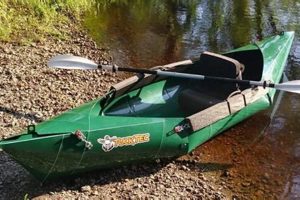
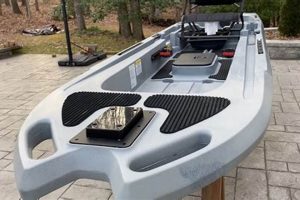
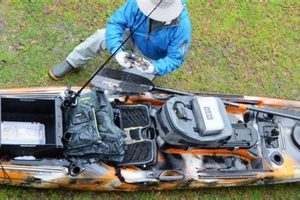
An ideal vessel for angling combines stability, comfort, and specialized features. Imagine a watercraft designed for effortless paddling and maneuverability, equipped with rod holders, tackle storage, and perhaps even a fish finder. This personalized watercraft allows anglers to access secluded fishing spots, providing a serene and immersive experience.
The pursuit of the perfect fishing platform has evolved alongside advancements in kayak design and technology. From basic recreational models, the market has expanded to offer highly specialized fishing kayaks, enhancing anglers’ ability to pursue their passion effectively and comfortably. This evolution reflects the growing popularity of kayak fishing and the increasing demand for features that maximize both performance and enjoyment on the water.
This article will delve into the key elements that constitute an optimal fishing kayak, exploring factors such as hull design, propulsion systems, essential accessories, and considerations for choosing the right vessel for individual needs and fishing styles.
Essential Considerations for Choosing a Fishing Kayak
Selecting the right fishing kayak requires careful evaluation of individual needs and preferences, aligning the vessel’s features with the intended fishing environment and style.
Tip 1: Prioritize Stability: A stable platform is crucial for casting, reeling, and landing fish. Wider hulls generally offer greater stability, particularly for stand-up fishing.
Tip 2: Consider Length and Weight: Longer kayaks track better and offer more storage, while shorter kayaks are easier to maneuver in tight spaces. Weight impacts portability and ease of transport.
Tip 3: Evaluate Propulsion Systems: Paddle kayaks offer a traditional experience and excellent exercise, while pedal-powered and motorized kayaks allow for hands-free fishing and cover greater distances.
Tip 4: Assess Storage Capacity: Ample storage is essential for tackle, gear, and catches. Consider dedicated compartments and integrated storage solutions.
Tip 5: Examine Seating Comfort: A comfortable seat is crucial for long days on the water. Look for adjustable seating with adequate back support.
Tip 6: Factor in Fishing Features: Rod holders, fish finders, and anchor trolleys are key features that enhance the fishing experience. Consider pre-installed features or the ability to add them later.
Tip 7: Think About the Fishing Environment: Ocean kayaks require different characteristics than those used in lakes or rivers. Consider the typical water conditions and target species.
By carefully considering these factors, anglers can select a kayak that optimizes their time on the water, enhancing both comfort and fishing success.
These considerations provide a framework for selecting a fishing kayak that aligns with individual needs and preferences, setting the stage for enjoyable and productive fishing experiences.
1. Stability

Stability forms the cornerstone of a successful fishing kayak experience. A stable platform is paramount for casting accurately, reeling in catches effectively, and ensuring angler safety. Without stability, the kayak becomes a hindrance rather than a tool, compromising both fishing success and overall enjoyment.
- Primary Stability:
This refers to the kayak’s initial resistance to tipping. A wider hull and lower center of gravity contribute to higher primary stability, making it ideal for calm waters and stationary fishing. Anglers can confidently cast and reel without feeling precarious. A kayak with high primary stability feels secure when at rest.
- Secondary Stability:
This describes the kayak’s ability to recover from a tilt. Kayaks with rounded hulls typically have higher secondary stability. This characteristic becomes crucial when navigating rough waters, leaning into turns, or dealing with unexpected shifts in weight distribution. A kayak with good secondary stability provides a feeling of security even when tilted.
- Impact of Hull Design:
Hull design significantly influences both primary and secondary stability. Wider, flatter hulls maximize primary stability, while more rounded hulls enhance secondary stability. Pontoon hulls offer exceptional primary stability, while V-shaped hulls prioritize speed and tracking over initial stability. The choice depends on the intended fishing environment and angler preferences.
- Influence on Angling Activities:
Stability directly impacts an angler’s ability to perform essential tasks. Standing to cast, fighting larger fish, and navigating challenging waters all require a stable platform. Compromised stability restricts angling techniques and potentially jeopardizes safety. A stable kayak allows for a wider range of fishing styles and techniques.
Ultimately, the desired level of stability depends on the individual angler’s needs and intended fishing environment. Prioritizing stability ensures comfort, confidence, and safety, contributing significantly to the realization of a “dream fishing kayak” experience. Balancing stability with other desirable characteristics, like maneuverability and speed, remains a crucial aspect of kayak selection.
2. Comfort

Comfort plays a pivotal role in the pursuit of the ideal fishing kayak. Extended periods on the water demand a comfortable environment to minimize fatigue and maximize enjoyment. Discomfort can curtail fishing trips, limiting access to prime fishing spots and hindering overall angling success. A comfortable kayak allows anglers to focus on the task at handfishingrather than physical discomfort. For example, a poorly designed seat can lead to back pain, while inadequate legroom restricts movement and circulation. Conversely, a well-designed kayak with adjustable seating, ample legroom, and supportive backrests enables anglers to fish for hours without experiencing undue strain. This translates to longer fishing sessions, increased opportunities, and a more fulfilling experience overall.
Several factors contribute to kayak fishing comfort. Seat design, including cushioning, adjustability, and breathability, plays a crucial role. Sufficient legroom and footrests accommodate varying body sizes and prevent cramping. The kayak’s layout and deck design influence ease of movement and access to essential gear. For instance, recessed rod holders and strategically placed storage compartments minimize the need for excessive reaching or bending, promoting efficient and comfortable fishing. Furthermore, features like adjustable backrests and padded armrests provide additional support and reduce strain during long hours on the water. These seemingly small details contribute significantly to overall comfort and, consequently, to the realization of a truly enjoyable fishing experience.
Prioritizing comfort in kayak selection directly correlates with increased fishing effectiveness and enjoyment. A comfortable angler remains focused, alert, and able to react quickly to fishing opportunities. Ignoring comfort can lead to premature fatigue, reduced concentration, and ultimately, a less successful and enjoyable fishing trip. Therefore, careful consideration of comfort features is paramount when selecting a fishing kayak, ensuring that the vessel supports rather than hinders the angler’s pursuit of a rewarding fishing experience.
3. Storage

Ample and well-designed storage is integral to the “dream fishing kayak” concept. Kayak fishing necessitates carrying various items, including tackle boxes, rods, reels, safety gear, personal belongings, and potentially captured fish. Insufficient storage capacity leads to clutter, disorganization, and compromised safety. A cluttered kayak deck hinders movement, impairs casting efficiency, and increases the risk of entanglement or equipment loss. Conversely, well-designed storage solutions enhance organization, improve accessibility, and maximize usable deck space. Dedicated compartments for specific items, such as tackle boxes or rods, maintain order and facilitate quick retrieval. Dry storage compartments safeguard sensitive electronics and personal belongings from water damage. Bungee cords and tie-down points secure larger items, preventing shifting during transit or rough water conditions. For instance, a dedicated cooler compartment maintains the quality of bait or refreshments, while a dry bag protects electronic devices like fish finders or phones. These examples illustrate the practical impact of well-planned storage on the overall fishing experience.
Practical considerations extend beyond mere capacity. Accessibility plays a crucial role. Storage compartments positioned within easy reach minimize disruption to fishing activities. Ergonomic design principles applied to storage solutions reduce strain and enhance efficiency. For example, front hatch access allows for convenient retrieval of frequently used items without requiring the angler to reach behind or twist awkwardly. Similarly, strategically placed side pockets offer quick access to tools or lures without requiring the angler to pause fishing. These design elements contribute significantly to the overall functionality and enjoyment of the fishing kayak. Consider the scenario of landing a fish: readily accessible pliers or a net allow for efficient handling and release, while a disorganized kayak might result in fumbled equipment and a lost catch.
In conclusion, storage solutions are not merely a convenience but a crucial aspect of the “dream fishing kayak.” Adequate storage capacity, combined with intelligent design and ergonomic accessibility, enhances organization, efficiency, and safety on the water. Investing in a kayak with well-designed storage contributes significantly to a positive and productive fishing experience, directly influencing the realization of the ideal fishing platform.
4. Features
Specialized features distinguish a standard kayak from a purpose-built fishing vessel. These features directly impact angling effectiveness, efficiency, and overall enjoyment. Consider rod holders: integrated rod holders free an angler’s hands for paddling, baiting hooks, or landing fish. Without them, rods must be precariously balanced or stowed, limiting responsiveness and increasing the risk of loss or damage. Similarly, a built-in fish finder transforms the search for fish from a guessing game into a strategic pursuit, increasing the likelihood of success. These examples illustrate the cause-and-effect relationship between specialized features and a productive, enjoyable fishing experience. A “dream fishing kayak” incorporates features that address specific angling needs, transforming the vessel from a simple mode of transportation into a dedicated fishing platform.
Practical applications of this understanding become evident when comparing kayaks with varying feature sets. A basic recreational kayak might suffice for casual paddling, but lacks the specialized features necessary for serious angling. Consider the scenario of trolling: a kayak equipped with an anchor trolley system allows precise control of lure presentation, while a kayak without this feature necessitates constant manual adjustments, compromising fishing effectiveness. Furthermore, integrated storage compartments for tackle and gear maintain organization and accessibility, crucial for efficient lure changes or equipment retrieval. These practical examples demonstrate the tangible benefits of specialized features, solidifying their importance as components of a “dream fishing kayak.”
In summary, features play a defining role in realizing the “dream fishing kayak” concept. They contribute directly to angling success, enhance efficiency, and maximize enjoyment on the water. Understanding the practical significance of these features enables informed decision-making during kayak selection, ensuring that the chosen vessel aligns with individual angling needs and aspirations. Choosing a kayak with the right features transforms a simple paddling experience into a fulfilling and productive fishing adventure.
5. Performance

Performance characteristics significantly influence the realization of a “dream fishing kayak.” Optimal performance translates to efficient paddling, effortless maneuvering, and the ability to access desired fishing locations. A kayak’s performance directly impacts an angler’s ability to cover water effectively, navigate varying conditions, and ultimately, reach productive fishing grounds. Understanding the factors that contribute to kayak performance enables informed decision-making, ensuring alignment between the vessel’s capabilities and the angler’s specific needs and fishing style.
- Tracking and Maneuverability
Tracking refers to a kayak’s ability to maintain a straight course with minimal paddling input. Maneuverability describes its responsiveness to turning commands. A longer kayak generally tracks better in open water, while a shorter kayak offers superior maneuverability in tight spaces, such as narrow creeks or rivers. The desired balance between tracking and maneuverability depends on the intended fishing environment. For example, a kayak designed for ocean fishing prioritizes tracking for covering long distances efficiently, while a kayak intended for navigating mangrove forests necessitates exceptional maneuverability.
- Speed and Efficiency
Speed and efficiency relate directly to hull design and propulsion method. A sleek, streamlined hull minimizes drag, contributing to higher speeds and requiring less effort to paddle or pedal. The choice of propulsion, whether paddle, pedal, or motor, influences both speed and range. Paddle kayaks offer a traditional experience and excellent exercise, while pedal-powered and motorized kayaks allow for hands-free fishing and covering greater distances. For instance, a pedal-powered kayak excels in covering large lakes efficiently, while a paddle kayak might be preferred for navigating shallow, obstacle-filled waters.
- Stability and Handling in Various Conditions
Performance extends beyond calm water conditions. A “dream fishing kayak” handles predictably in various water conditions, including chop, currents, and wind. Stability, both primary and secondary, plays a crucial role in maintaining control and angler safety. Hull design, weight distribution, and length influence how a kayak performs in different environments. For example, a kayak designed for ocean fishing needs to handle waves and swells effectively, while a river kayak must navigate currents and obstacles with confidence.
- Load Capacity and Weight
Load capacity dictates the amount of weight a kayak can safely carry, including angler, gear, and potential catches. The kayak’s own weight influences portability and ease of transport. A lighter kayak is easier to car-top, launch, and maneuver on land, while a heavier kayak offers increased stability and load capacity. Selecting the appropriate load capacity and weight depends on individual needs and fishing style. For example, an angler planning extended expeditions with heavy gear requires a kayak with a higher load capacity, while a solo angler fishing local ponds might prioritize a lightweight, easily transportable vessel.
In conclusion, performance represents a crucial dimension of the “dream fishing kayak.” Evaluating tracking, maneuverability, speed, stability, load capacity, and weight allows anglers to select a vessel that aligns with their specific fishing requirements and preferences. Prioritizing performance ensures efficient and enjoyable fishing experiences, enabling anglers to focus on the sport rather than the limitations of their equipment. By carefully considering these aspects of performance, anglers can select a kayak that contributes significantly to the realization of their ideal fishing platform.
Frequently Asked Questions about Dream Fishing Kayaks
This section addresses common inquiries regarding the selection and utilization of fishing kayaks, aiming to provide clarity and guidance for anglers seeking their ideal vessel.
Question 1: How does hull design impact fishing kayak performance?
Hull design significantly influences stability, maneuverability, and speed. Wider hulls offer increased stability, while longer, narrower hulls enhance speed and tracking. Specific hull designs, such as pontoon hulls or V-shaped hulls, cater to particular fishing environments and styles. Understanding the relationship between hull design and performance is crucial for selecting a kayak appropriate for intended use.
Question 2: What are the advantages of pedal-powered kayaks for fishing?
Pedal kayaks provide hands-free propulsion, allowing anglers to focus on fishing rather than paddling. This advantage becomes particularly significant when trolling, sight fishing, or navigating currents. The ability to maintain position and maneuver effortlessly enhances fishing efficiency and overall enjoyment.
Question 3: How much storage space is sufficient for a fishing kayak?
Storage needs vary depending on fishing style, target species, and trip duration. Anglers carrying substantial gear, planning extended trips, or targeting larger fish require more storage capacity. Careful assessment of individual needs and intended use informs appropriate storage capacity selection.
Question 4: What safety considerations are essential for kayak fishing?
Safety remains paramount in kayak fishing. Essential safety precautions include wearing a personal flotation device (PFD), carrying communication devices, informing someone of fishing plans, and understanding basic navigation principles. Checking weather conditions before embarking and carrying appropriate safety gear contribute significantly to safe and enjoyable fishing experiences.
Question 5: How does one choose between a sit-on-top and a sit-inside fishing kayak?
Sit-on-top kayaks offer increased stability and ease of re-entry after a water landing. Sit-inside kayaks provide greater protection from the elements and offer drier seating in colder conditions. The choice depends on personal preference, anticipated weather conditions, and fishing environment.
Question 6: What are the benefits of specialized fishing kayak features like rod holders and fish finders?
Specialized features enhance fishing efficiency and overall enjoyment. Rod holders secure rods, freeing hands for other tasks. Fish finders assist in locating fish, increasing the likelihood of success. Other specialized features, such as anchor trolleys or livewells, cater to specific fishing techniques and preferences.
Careful consideration of these frequently asked questions empowers anglers to make informed decisions, aligning kayak selection with individual needs and maximizing the potential for successful and enjoyable fishing experiences.
Moving forward, the article will explore specific kayak models and accessories that contribute to the creation of a personalized “dream fishing kayak” setup.
Dream Fishing Kayak
Achieving the “dream fishing kayak” involves careful consideration of individual needs, fishing style, and target environment. This article explored key elements contributing to an optimal fishing kayak experience, encompassing stability, comfort, storage, specialized features, and performance characteristics. Each element plays a crucial role in maximizing angling effectiveness, efficiency, and overall enjoyment. From hull design and propulsion systems to seating comfort and storage solutions, informed decision-making ensures the selected vessel aligns seamlessly with angler requirements.
The pursuit of the “dream fishing kayak” represents a continuous evolution, adapting to advancements in kayak design and technology. Anglers benefit from ongoing innovation, leading to improved performance, enhanced comfort, and increased fishing success. As technology progresses and understanding of angler needs deepens, the “dream fishing kayak” continues to evolve, offering increasingly refined and specialized solutions for a fulfilling and productive fishing experience. Ultimately, the “dream” remains a personal aspiration, realized through informed choices and a dedication to maximizing time on the water.