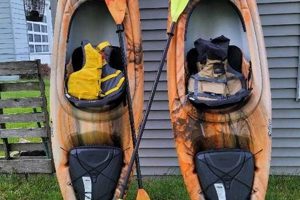
Angling from a small, human-powered vessel in the Centennial State offers a unique blend of recreation and connection with nature. This activity typically involves specialized watercraft designed for stability, maneuverability, and storage of fishing gear in the diverse aquatic environments found throughout the state.
This approach to angling provides advantages such as access to shallow waters and secluded areas often unreachable by larger boats, promoting a quieter, less intrusive fishing experience. Furthermore, the low cost of entry and human-powered nature contribute to its environmental friendliness and accessibility. The popularity of this pursuit has grown alongside the increased interest in outdoor recreation and a desire for closer interaction with nature, echoing a long tradition of small boat fishing practiced worldwide for centuries.
Further exploration of this topic will cover key aspects such as choosing appropriate watercraft, essential gear, recommended locations within the state, and responsible angling practices.
Tips for Kayak Fishing in Colorado
Successful angling from a kayak in Colorado requires preparation and adherence to best practices. The following tips offer guidance for a safe and productive experience.
Tip 1: Choose the Right Kayak: Selecting a kayak appropriate for the intended fishing environment is crucial. Consider factors such as water conditions (lakes, rivers), stability requirements, and storage capacity for gear.
Tip 2: Prioritize Safety Gear: Always wear a personal flotation device (PFD). Carry a whistle, signaling device, and first-aid kit. Inform someone of your fishing plans and expected return time.
Tip 3: Understand Regulations: Obtain the necessary fishing license and familiarize oneself with specific regulations for the chosen waters, including catch limits and permitted bait/lures.
Tip 4: Master Basic Kayak Maneuvering: Practice paddling and maneuvering the kayak effectively before venturing into fishing areas. This ensures efficient navigation and precise casting control.
Tip 5: Organize and Secure Gear: Utilize appropriate storage solutions to keep fishing gear organized and readily accessible while maintaining stability and balance within the kayak.
Tip 6: Respect Wildlife and the Environment: Practice Leave No Trace principles. Pack out all trash, avoid disturbing wildlife nesting areas, and minimize impact on the natural surroundings.
Tip 7: Check Weather Conditions: Monitor weather forecasts closely before and during any fishing trip. Be prepared for changing conditions and exercise caution during periods of high winds or storms.
Adhering to these tips will enhance angler safety, increase fishing success, and contribute to the preservation of Colorados aquatic ecosystems.
By following these guidelines, anglers can enjoy a rewarding and sustainable experience on Colorado’s waters.
1. Kayak Selection

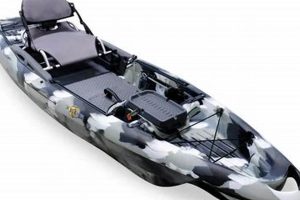
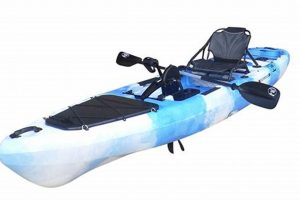
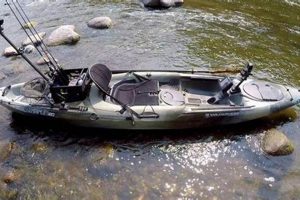
Appropriate kayak selection is paramount for a successful Colorado fishing experience. The diverse aquatic environments, ranging from high-altitude lakes to flowing rivers, necessitate careful consideration of vessel characteristics. Stability, maneuverability, and storage capacity are key factors influencing angling effectiveness and safety. For instance, a wider, sit-on-top kayak offers enhanced stability for stillwater fishing, while a longer, narrower kayak provides better tracking and efficiency in river currents. Choosing a kayak equipped with rod holders, tackle storage, and anchor systems further optimizes the angling experience.
Matching kayak features to the intended fishing environment and target species significantly impacts success. A shorter kayak with a shallow draft allows access to shallow, vegetated areas ideal for pursuing bass or panfish. Conversely, a longer, more stable kayak equipped with a rudder system is better suited for trolling or navigating larger bodies of water for trout or salmon. Understanding these relationships enables anglers to make informed decisions, maximizing their chances of a productive and enjoyable fishing trip.
Ultimately, thoughtful kayak selection directly contributes to a positive Colorado fishing experience. Prioritizing stability, maneuverability, and storage capacity, while considering the specific fishing environment and target species, ensures anglers are well-equipped to navigate Colorado’s waters effectively and safely. Ignoring these factors can compromise both angling success and personal safety, underscoring the critical importance of appropriate kayak selection for any Colorado fishing adventure.
2. Safety Equipment

Safety equipment plays a vital role in mitigating risks inherent to kayak fishing in Colorado. Cold water temperatures, rapidly changing weather conditions, and remote locations necessitate careful consideration of safety precautions. A personal flotation device (PFD) is paramount, providing essential buoyancy in the event of capsizing or unexpected immersion. Carrying a whistle allows for signaling in emergencies, while a waterproof communication device enables contact with emergency services if needed. A well-equipped first-aid kit can address minor injuries and provide essential supplies in the event of a more serious incident. For example, an angler encountering unexpected high winds on a large reservoir could rely on a PFD to maintain buoyancy after capsizing, while a communication device enables contact with rescue services.
Beyond basic safety gear, additional precautions further enhance angler safety. Informing someone of fishing plans, including location and expected return time, ensures that assistance can be summoned if an angler fails to return as scheduled. Dressing in layers appropriate for potential weather changes minimizes risks associated with hypothermia or excessive heat exposure. Carrying a dry bag with extra clothing and essential supplies further mitigates these risks. Regularly checking weather forecasts before and during fishing trips allows anglers to adapt plans based on changing conditions, avoiding potentially hazardous situations. Neglecting these precautions can lead to serious consequences, underscoring the importance of prioritizing safety in Colorado kayak fishing.
Proper utilization of safety equipment and adherence to established safety protocols significantly reduces risks associated with kayak fishing in Colorado’s varied aquatic environments. Understanding the potential hazards and taking appropriate precautions empowers anglers to enjoy their fishing experience while mitigating potential dangers. A comprehensive approach to safety planning, including appropriate gear selection, communication strategies, and awareness of environmental conditions, contributes to a safe and enjoyable experience for all anglers.
3. Fishing Locations

Strategic location selection is paramount for successful kayak fishing in Colorado. The state’s diverse waterways offer a wide range of fishing opportunities, each presenting unique characteristics and challenges for kayak anglers. Understanding the nuances of various locations, including accessibility, fish species, and potential hazards, allows for informed decisions that maximize angling success and safety.
- Accessibility Considerations:
Kayak anglers benefit from accessing areas often unreachable by larger boats. However, careful consideration of launch points, portages, and potential obstacles is necessary. For example, while a high-mountain lake may offer exceptional fishing, accessing it might require navigating a challenging trail or portaging the kayak over rough terrain. Similarly, river access points may be limited, requiring careful planning and coordination of transportation logistics. Assessing accessibility limitations ensures a safe and efficient fishing trip.
- Target Species and Habitat:
Colorado’s diverse fish populations inhabit specific habitats within different waterways. Understanding the preferred habitat of target species informs location selection. For instance, anglers targeting trout might choose a cold, clear mountain stream, while those seeking warm-water species like bass might opt for a lower-elevation reservoir. Researching the distribution and habitat preferences of target species enhances the likelihood of a successful fishing trip.
- Water Conditions and Hazards:
Varying water conditions and potential hazards influence location suitability for kayak fishing. Fast-flowing rivers present different challenges compared to calm lakes. Anglers must consider factors like current speed, water temperature, and the presence of submerged obstacles. For instance, navigating a river with strong currents requires advanced paddling skills and awareness of potential hazards like strainers or rapids. Similarly, fishing on large lakes during periods of high wind can create challenging conditions for kayak anglers. Assessing potential hazards and matching skills to water conditions ensures angler safety.
- Regulations and Access Restrictions:
Specific regulations and access restrictions govern fishing locations throughout Colorado. Anglers must adhere to licensing requirements, catch limits, and permitted fishing methods. Some areas may have restricted access, requiring permits or reservations. For example, certain sections of rivers may be designated as catch-and-release only, while others may have seasonal closures to protect spawning fish. Understanding and complying with these regulations ensures responsible angling and contributes to the long-term sustainability of Colorado’s fisheries.
By carefully evaluating these facets of fishing location selection, kayak anglers can significantly improve their chances of a successful and rewarding experience in Colorado. Understanding access limitations, target species preferences, potential hazards, and applicable regulations ensures both angler safety and responsible use of the state’s valuable aquatic resources. Strategic location selection contributes directly to the overall enjoyment and effectiveness of Colorado kayak fishing trips.
4. Legal Regulations
Adherence to legal regulations is essential for responsible kayak fishing in Colorado. Regulations exist to protect fish populations, maintain ecological balance, and ensure equitable access to resources. These regulations encompass licensing requirements, catch limits, permitted fishing methods, and seasonal restrictions. Ignoring these regulations can result in fines, suspension of fishing privileges, and negative impacts on the environment. For example, exceeding catch limits for a particular species can deplete local populations, disrupting the delicate balance of the ecosystem. Similarly, using illegal fishing methods can harm non-target species and damage habitat.
Specific regulations applicable to kayak anglers often mirror those for traditional boat fishing but may have unique aspects due to the nature of kayak angling. Regulations regarding watercraft registration and required safety equipment, such as personal flotation devices (PFDs), are crucial for kayak anglers. Certain areas may have specific restrictions on kayak usage to minimize disturbance to wildlife or protect sensitive habitats. Understanding these specific regulations is crucial for responsible kayak fishing practices. For example, some restricted areas may prohibit motorized vessels but allow kayaks, providing a unique opportunity for anglers while minimizing environmental impact.
Understanding and complying with legal regulations ensures the sustainability of Colorado’s fisheries and preserves the angling experience for future generations. Regularly reviewing the Colorado Parks and Wildlife regulations, seeking clarification when needed, and promoting responsible angling practices within the kayak fishing community contribute to the long-term health of the state’s aquatic ecosystems. This responsible approach ensures that kayak fishing remains a viable and enjoyable recreational activity in Colorado.
5. Environmental Impact
Minimizing environmental impact is a crucial aspect of responsible kayak fishing in Colorado. The increasing popularity of this activity necessitates a heightened awareness of its potential effects on the delicate aquatic ecosystems. Understanding these impacts and adopting sustainable practices ensures the preservation of these valuable resources for future generations.
- Aquatic Habitat Disturbance
Kayaks, while generally less disruptive than motorized boats, can still impact aquatic habitats. Improper launching and landing techniques can damage shoreline vegetation and disturb benthic organisms. Dragging kayaks across shallow areas can uproot plants and disrupt spawning beds. Careful selection of launch sites and adherence to proper launching techniques minimize these impacts. For example, utilizing established launch areas and avoiding dragging kayaks across sensitive vegetation preserves habitat integrity.
- Water Pollution
Kayak anglers can contribute to water pollution through improper disposal of fishing line, hooks, and other tackle. Discarded fishing line poses a significant entanglement hazard to wildlife, while lead sinkers and jigs can leach toxins into the water. Carrying a trash bag and properly disposing of all fishing-related debris minimizes pollution and protects aquatic life. Additionally, opting for lead-free tackle alternatives further reduces the risk of heavy metal contamination in the water.
- Wildlife Disturbance
Kayaks offer anglers close proximity to wildlife, but this proximity can lead to disturbance if not managed responsibly. Approaching nesting areas too closely can cause stress to birds and other animals, potentially leading to nest abandonment or decreased reproductive success. Maintaining a respectful distance from wildlife, avoiding sudden movements, and refraining from loud noises minimizes disturbance and allows animals to thrive undisturbed.
- Invasive Species Introduction
Kayaks can inadvertently transport invasive aquatic species between waterways. Plant fragments or small organisms clinging to kayaks or gear can establish new populations in previously unaffected areas, outcompeting native species and disrupting ecological balance. Thoroughly cleaning kayaks and gear after each fishing trip, particularly when moving between different bodies of water, helps prevent the spread of invasive species.
By understanding and mitigating these potential environmental impacts, kayak anglers contribute to the long-term health and sustainability of Colorado’s aquatic ecosystems. Adopting Leave No Trace principles, practicing responsible angling techniques, and promoting environmental awareness within the kayak fishing community ensures that this activity remains a positive force for conservation and enjoyment of Colorado’s natural resources. Continued education and responsible practices are essential to minimizing environmental impact and ensuring the preservation of these valuable resources for future generations of anglers.
Frequently Asked Questions about Kayak Fishing in Colorado
This section addresses common inquiries regarding kayak fishing in Colorado, providing concise and informative responses to facilitate a deeper understanding of this activity.
Question 1: What type of kayak is best suited for fishing in Colorado?
Kayak selection depends on the intended fishing environment. Sit-on-top kayaks offer stability and ease of access, well-suited for lakes and calm rivers. Sit-inside kayaks provide better protection from cold water and wind, advantageous for larger bodies of water or challenging conditions. Inflatable kayaks offer portability and convenience, suitable for anglers with limited storage space.
Question 2: What essential safety gear is required for kayak fishing in Colorado?
A personal flotation device (PFD) is legally required and crucial for safety. A whistle, signaling device, and first-aid kit are also essential. Informing someone of fishing plans and estimated return time is a crucial safety precaution.
Question 3: Where are the best locations for kayak fishing in Colorado?
Colorado offers numerous kayak fishing destinations, ranging from high-mountain lakes to reservoirs and rivers. Popular choices include Eleven Mile State Park, Spinney Mountain State Park, and the Arkansas River. Researching specific locations and matching them to target species and preferred fishing styles is recommended.
Question 4: What are the fishing license requirements for kayak angling in Colorado?
A valid Colorado fishing license is required for anyone 16 years of age or older. Licenses can be obtained online through the Colorado Parks and Wildlife website or from authorized retailers. Specific regulations regarding catch limits, permitted methods, and seasonal restrictions vary by location and species.
Question 5: What environmental considerations are important for kayak anglers in Colorado?
Minimizing environmental impact is crucial. Adhering to Leave No Trace principles, packing out all trash, avoiding disturbing wildlife, and properly cleaning kayaks to prevent the spread of invasive species are essential practices.
Question 6: What resources are available for learning more about kayak fishing in Colorado?
The Colorado Parks and Wildlife website offers valuable information regarding fishing regulations, locations, and safety guidelines. Local kayak fishing clubs and outfitters can provide additional resources and guided trips for anglers seeking expert advice and assistance.
Careful consideration of these frequently asked questions enhances angler preparedness, promotes responsible angling practices, and contributes to a safe and enjoyable kayak fishing experience in Colorado.
Further exploration of specific aspects of kayak fishing in Colorado can be found in subsequent sections.
Conclusion
Exploration of angling from small, human-powered vessels in Colorado reveals a multifaceted activity demanding careful consideration of equipment, location, regulations, and environmental impact. Appropriate vessel selection, informed by the intended environment and target species, directly influences angling effectiveness. Prioritizing safety through proper equipment and adherence to established protocols ensures a secure and positive experience. Strategic location selection, coupled with an understanding of fish behavior and habitat, maximizes angling success. Strict adherence to regulations ensures the sustainability of fish populations and equitable access to resources. Minimizing environmental impact through responsible angling practices safeguards these valuable ecosystems for future generations.
The future of this pursuit relies on continued education and responsible stewardship of Colorado’s aquatic resources. Informed decision-making and a commitment to conservation ensure the long-term viability and enjoyment of this unique recreational opportunity within the state’s diverse waterways.