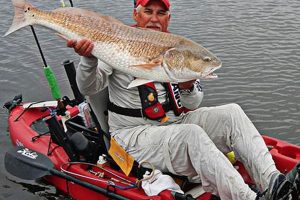
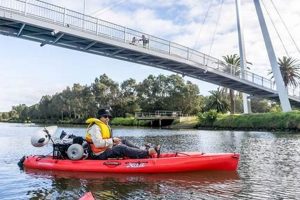
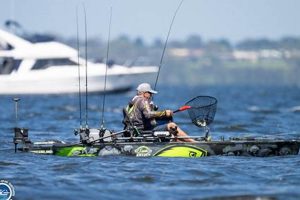
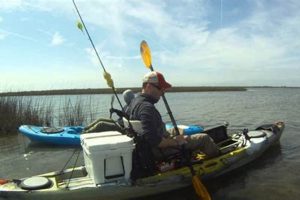
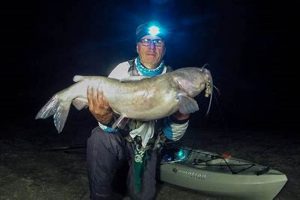
Paddling through the shallow, diverse waters off the coast of Hatteras Island offers anglers unique opportunities to target various fish species from a small, maneuverable vessel. This method allows access to areas often unreachable by larger boats, providing a close-to-nature angling experience.
The Outer Banks region, particularly Hatteras Island, provides a rich ecosystem supporting abundant game fish populations. The combination of inlets, sounds, and ocean currents creates a dynamic environment teeming with life. This offers exciting possibilities for anglers seeking everything from speckled trout and red drum in the calmer waters to larger pelagic species further offshore. The historic significance of Hatteras Island as a fishing destination further enhances the appeal, connecting contemporary anglers to a long-standing tradition.
Exploring the specific techniques, recommended equipment, and ideal locations for this activity will provide prospective anglers with the knowledge necessary for a successful and enjoyable experience on the waters surrounding Hatteras Island.
Tips for Hatteras Island Kayak Angling
Careful planning and preparation are essential for a safe and productive fishing trip from a kayak in the waters surrounding Hatteras Island. The following tips offer guidance for anglers of all experience levels.
Tip 1: Check the weather forecast. Wind and sea conditions can change rapidly. Consulting marine forecasts before departure and throughout the day is crucial for safety.
Tip 2: File a float plan. Inform someone onshore of the intended fishing location and expected return time. This allows for quicker response in case of emergencies.
Tip 3: Choose appropriate safety gear. A personal flotation device (PFD) is mandatory. A whistle, signaling mirror, and VHF radio are also recommended for enhanced safety.
Tip 4: Equip the kayak properly. Rod holders, paddle leashes, and anchor systems improve efficiency and safety while managing fishing gear in a small vessel.
Tip 5: Understand local regulations. Familiarize oneself with licensing requirements, size and catch limits, and any area closures before fishing.
Tip 6: Pack essential gear. Sunscreen, a hat, polarized sunglasses, and water are vital for comfort and protection during extended periods on the water.
Tip 7: Consider tidal currents. Understanding tidal flows and how they impact fishing areas is essential for maximizing angling success. Local tide charts provide valuable information.
Tip 8: Practice kayak handling skills. Gain experience maneuvering and controlling the kayak in various conditions before venturing into open water or challenging areas.
Following these precautions allows anglers to focus on the enjoyment and rewards of the fishing experience while minimizing potential risks.
By understanding the necessary preparations and adopting a safety-conscious approach, anglers can maximize their chances of a successful and memorable experience in this unique and rewarding fishery.
1. Safety Precautions

Safe practices are paramount when kayak fishing near Hatteras Island due to the dynamic coastal environment. The confluence of currents, winds, and unpredictable weather patterns necessitates a proactive approach to risk mitigation. Neglecting safety precautions can lead to serious consequences, including capsizing, drifting offshore, or exposure to hazardous conditions. A thorough understanding of potential dangers and implementation of appropriate safety measures significantly reduces these risks.
Essential safety equipment includes a properly fitted personal flotation device (PFD), a whistle, a signaling mirror, and a VHF radio. A leash connecting the paddle to the kayak prevents loss in case of capsize. Checking weather forecasts before embarking and continuously monitoring conditions throughout the trip is crucial. Informing someone onshore of the intended fishing location and expected return time provides an additional layer of security. Understanding self-rescue techniques and carrying necessary gear, such as a bilge pump, further enhances preparedness. Carrying a first-aid kit and adequate hydration are vital for addressing minor injuries and preventing dehydration, particularly during extended trips.
Navigating the waters surrounding Hatteras Island requires vigilance due to changing tides, shifting sandbars, and potential boat traffic. Understanding local regulations, including designated paddling zones and restricted areas, is crucial for a safe and legal fishing experience. Adhering to these guidelines and maintaining situational awareness contribute significantly to a positive and incident-free outing. Prioritizing safety allows anglers to fully enjoy the exceptional fishing opportunities this area offers while minimizing potential hazards.
2. Kayak Selection
Appropriate kayak selection significantly impacts the success and enjoyment of fishing around Hatteras Island. The diverse fishing environments, ranging from calm sound waters to the more challenging open ocean, necessitate careful consideration of kayak design and features. Stability, maneuverability, and storage capacity are key factors influencing performance and safety in these varying conditions. Selecting a kayak ill-suited to the intended fishing location or target species can compromise both angler safety and fishing effectiveness.
For inshore fishing in the calmer sounds and estuaries, shorter, wider kayaks, often referred to as “sit-on-tops,” offer excellent stability and ease of use. These designs are well-suited for navigating shallow waters and provide a stable platform for casting and landing fish. Their open design allows for easy re-entry in case of a capsize, a valuable safety feature in these environments. For anglers targeting larger game fish offshore, longer, more streamlined kayaks designed for open water offer improved tracking and speed, allowing anglers to cover greater distances and handle rougher conditions. These kayaks often feature sealed compartments for storing gear and supplies, essential for longer excursions.
Consideration should also be given to features like rod holders, anchor trolleys, and storage compartments. Rod holders secure rods while paddling or landing fish, preventing loss or damage. Anchor trolleys allow for controlled drifting and precise positioning in current or wind. Ample storage space accommodates tackle, safety gear, and personal items. The appropriate kayak selection, based on a thorough assessment of fishing style, target species, and prevailing conditions, directly contributes to a more productive and enjoyable fishing experience around Hatteras Island. Prioritizing these factors ensures angler safety and optimizes the opportunity to fully explore this diverse and rewarding fishery.
3. Fishing Gear

Fishing gear selection significantly influences success when kayak fishing near Hatteras Island. The diverse target species and varied fishing environments necessitate specialized equipment choices. Tackle inappropriate for the targeted species or the specific location diminishes the likelihood of a successful catch. For example, targeting smaller inshore species like speckled trout requires lighter tackle than pursuing larger offshore game fish such as tuna or mahi-mahi. Understanding these nuances optimizes fishing effectiveness.
Inshore anglers frequently employ light to medium spinning or baitcasting tackle spooled with braided line. Braided line’s lack of stretch improves sensitivity, allowing for better detection of subtle bites and enhanced hooksets. Lighter lures and rigs are effective for species like flounder, red drum, and speckled trout. Offshore kayak anglers typically utilize heavier tackle to handle larger pelagic species. Conventional reels spooled with heavier monofilament or fluorocarbon line provide the necessary strength and abrasion resistance. Trolling lures, live bait rigs, and jigging setups are common choices for targeting tuna, king mackerel, and dolphin.
Appropriate fishing gear selection, tailored to the target species and fishing environment, is essential for a productive and enjoyable kayak fishing experience near Hatteras Island. Careful consideration of rod, reel, line, and terminal tackle choices maximizes the chances of success. Addressing these factors contributes significantly to an angler’s overall preparedness and ability to effectively engage with the diverse fishing opportunities this region offers.
4. Target Species

The waters surrounding Hatteras Island support a diverse range of fish species, making target species selection a key aspect of kayak fishing in the area. Anglers benefit from understanding the prevalent species, their habitat preferences, and seasonal availability. This knowledge influences choices regarding fishing location, tackle, and techniques, ultimately maximizing the chances of a successful and rewarding fishing experience. Targeting specific species allows for specialized preparation and increases the likelihood of encountering desired catches. For example, anglers seeking red drum might focus their efforts in the shallow grassy flats of the sound, while those pursuing king mackerel would venture further offshore.
Common target species in the Hatteras Island area include red drum, speckled trout, flounder, striped bass, bluefish, Spanish mackerel, king mackerel, cobia, and various tuna species. Red drum and speckled trout are popular inshore targets, often found in the sounds and estuaries. Flounder inhabit sandy bottom areas, while striped bass prefer deeper channels and inlets. Bluefish and Spanish mackerel are common near-shore species, often found schooling near the surface. King mackerel, cobia, and tuna are sought-after offshore species, requiring longer excursions and specialized tackle. Understanding the preferred habitat and feeding patterns of these species enhances angling success. Matching tackle and techniques to the target species improves efficiency and increases the likelihood of a successful catch.
Strategic target species selection, informed by knowledge of local fish populations and their respective habitats, significantly enhances kayak fishing experiences near Hatteras Island. This informed approach allows anglers to optimize their efforts and maximize their chances of encountering desired species. By focusing on the specific needs and behaviors of their chosen targets, anglers can tailor their approach, resulting in a more productive and rewarding fishing trip. This understanding contributes to a deeper appreciation of the local ecosystem and promotes responsible angling practices.
5. Location Scouting

Effective location scouting is paramount for successful kayak fishing near Hatteras Island. The diverse coastal environment offers a range of habitats, each supporting different fish species and requiring specific angling techniques. Understanding these nuances and selecting appropriate locations based on target species and prevailing conditions significantly influences fishing outcomes. Failure to scout effectively can lead to unproductive fishing trips and missed opportunities. Thorough location scouting maximizes the chances of encountering target species and enhances overall fishing success. For example, anglers targeting red drum might scout shallow, grassy flats in the sound, while those seeking cobia would focus on areas near buoys and structure in deeper waters.
Resources such as nautical charts, local fishing reports, and tide charts aid in identifying promising fishing spots. Nautical charts provide detailed bathymetric information, revealing underwater structures, channels, and potential hazards. Local fishing reports offer insights into recent catches, prevalent species, and effective fishing techniques. Tide charts are crucial for understanding tidal currents and their influence on fish behavior and movement patterns. Integrating information from these resources allows anglers to pinpoint areas likely to hold target species. For instance, understanding tidal flows helps anglers position themselves strategically near inlets or channels where baitfish are concentrated. Observing bird activity can also indicate feeding fish, providing valuable real-time information for location selection.
Strategic location scouting, informed by available resources and a keen understanding of fish behavior, is a crucial component of successful kayak fishing near Hatteras Island. This proactive approach allows anglers to optimize their time on the water and target specific species effectively. By considering factors such as water depth, structure, tidal currents, and prevailing weather conditions, anglers can identify prime fishing locations and maximize their chances of success. This preparation contributes significantly to a rewarding and productive kayak fishing experience in the diverse waters surrounding Hatteras Island.
6. Tidal Awareness

Tidal awareness is crucial for successful kayak fishing around Hatteras Island. The strong currents and shifting tides significantly influence fish behavior, location, and feeding patterns. Ignoring tidal influences can lead to inefficient fishing, challenging paddling conditions, and potentially hazardous situations. Understanding tidal cycles, currents, and their impact on the local ecosystem is essential for maximizing fishing success and ensuring angler safety. This knowledge allows anglers to predict fish movement, identify productive fishing zones, and navigate safely in dynamic waters.
- Current Strength and Direction
Tidal currents around Hatteras Island can be strong, particularly in inlets and channels. Understanding current direction is crucial for kayak positioning and drift fishing. Paddling against strong currents can be exhausting and inefficient. Utilizing the current to drift through prime fishing areas conserves energy and maximizes fishing time. Knowing when and where currents are strongest helps anglers avoid hazardous situations and plan efficient routes. For example, fishing near inlets during an outgoing tide can concentrate baitfish and attract larger predatory species.
- Water Depth Fluctuations
Tides significantly impact water depth, particularly in shallow areas like flats and estuaries. Understanding tidal fluctuations allows anglers to access areas otherwise inaccessible during low tide and avoid grounding. This knowledge also influences fish behavior, as some species move with the changing tides to access different feeding grounds. For instance, red drum might move onto shallow flats during high tide to feed on crabs and other crustaceans. Awareness of these fluctuations allows anglers to target specific species effectively.
- Baitfish Movement
Tidal currents influence the movement of baitfish, which in turn affects the location of larger predatory species. Understanding how baitfish react to tidal changes allows anglers to predict where game fish are likely to be feeding. For example, during an incoming tide, baitfish might be swept into inlets and estuaries, attracting larger fish like speckled trout and bluefish. Positioning kayaks near these areas during optimal tidal periods increases the chances of successful fishing.
- Navigation and Safety
Tidal currents can create challenging navigation conditions, especially in narrow channels and around inlets. Kayak anglers must account for current speed and direction to avoid being swept into hazardous areas or struggling against strong currents. Planning kayak routes based on tidal predictions enhances safety and efficiency. For instance, attempting to paddle against a strong outgoing tide in an inlet could be dangerous and unproductive. Understanding tidal flows allows anglers to choose safer and more efficient navigation routes.
By understanding these interconnected elements, anglers can leverage tidal influences to their advantage, increasing their chances of a successful and safe kayak fishing experience near Hatteras Island. Tidal awareness enhances not only fishing productivity but also contributes to a deeper understanding of the dynamic coastal ecosystem and promotes responsible angling practices.
7. Local Regulations
Adherence to local regulations is essential for responsible and sustainable kayak fishing around Hatteras Island. These regulations, designed to protect fish populations and maintain a healthy ecosystem, govern aspects such as licensing requirements, catch limits, size restrictions, and permitted fishing areas. Ignoring these regulations can result in fines, legal penalties, and contribute to the depletion of fish stocks. Understanding and complying with these rules ensures the long-term viability of the fishery and preserves the natural environment for future generations.
- Fishing Licenses
A valid North Carolina fishing license is mandatory for anyone engaging in recreational fishing, including kayak angling, in the waters surrounding Hatteras Island. Different license types exist depending on residency status and duration of validity. Anglers must possess the appropriate license before casting a line and carry it with them while fishing. Licenses can be obtained online, from authorized license agents, or at local tackle shops. Failure to possess a valid license can result in fines and legal repercussions. Understanding licensing requirements ensures compliance and supports the management of local fisheries.
- Size and Catch Limits
Size and catch limits are implemented for specific species to protect breeding populations and maintain sustainable fish stocks. These regulations stipulate the minimum and maximum size of fish that can be legally kept and the number of each species an angler can harvest per day. Regulations vary depending on the species and may change seasonally. Anglers must familiarize themselves with these regulations before fishing and carry a ruler or measuring device to ensure compliance. Accurate measurement and adherence to catch limits contribute directly to the conservation of fish populations and the long-term health of the fishery.
- Closed Seasons and Areas
Certain species have closed seasons during specific times of the year, usually during spawning periods, to protect vulnerable breeding populations. Fishing for these species during closed seasons is prohibited. Additionally, certain areas may be designated as closed to fishing to protect sensitive habitats or preserve specific species. Anglers must consult local regulations to identify closed seasons and areas before planning fishing trips. Respecting these closures contributes to the conservation of vulnerable species and habitats. Staying informed about these regulations ensures compliance and supports the long-term health of the ecosystem.
- Permitted Fishing Methods
Local regulations may also stipulate permitted fishing methods and gear restrictions in certain areas. For example, some areas may prohibit the use of certain types of nets or fishing gear. Understanding these restrictions ensures compliance and avoids potential penalties. Using permitted methods and gear contributes to fair and sustainable fishing practices. Adhering to these guidelines promotes responsible angling and helps maintain a balanced ecosystem. Anglers should consult local regulations or contact local authorities to clarify any uncertainties regarding permitted fishing practices.
By understanding and adhering to local regulations, kayak anglers contribute directly to the conservation of fish stocks and the preservation of the unique coastal environment surrounding Hatteras Island. Responsible angling practices ensure the sustainability of the fishery and protect the natural beauty of the area for future generations to enjoy. Compliance with these regulations demonstrates respect for the local ecosystem and contributes to a positive and sustainable fishing experience for all.
Frequently Asked Questions
This section addresses common inquiries regarding angling from a kayak near Hatteras Island. Understanding these aspects enhances angler preparedness and contributes to a safer and more enjoyable experience.
Question 1: What are the primary safety concerns?
Shifting weather patterns, strong currents, and potential boat traffic necessitate careful planning and adherence to safety precautions. A personal flotation device (PFD), communication device, and knowledge of self-rescue techniques are crucial.
Question 2: What type of kayak is recommended?
Kayak selection depends on intended fishing locations and target species. Shorter, wider kayaks offer stability for inshore fishing, while longer, more streamlined models are better suited for offshore excursions.
Question 3: What fishing gear is most effective?
Gear selection should align with target species. Lighter tackle suits inshore fishing, while heavier setups are necessary for larger offshore species. Local tackle shops can provide specific recommendations.
Question 4: What species are commonly targeted?
The diverse ecosystem supports various species, including red drum, speckled trout, flounder inshore, and tuna, king mackerel, and cobia offshore. Species availability varies seasonally.
Question 5: How does one locate productive fishing areas?
Nautical charts, local fishing reports, and tide charts help identify promising spots. Observing bird activity and understanding baitfish movement patterns also offer valuable clues.
Question 6: What role do tides play?
Tidal currents significantly influence fish behavior and location. Understanding tidal cycles helps anglers predict fish movement, access shallow areas, and navigate safely. Local tide charts provide essential information.
Careful consideration of these elements contributes significantly to a well-prepared and rewarding kayak fishing experience near Hatteras Island. Prioritizing safety and adhering to local regulations ensures the sustainability of this unique fishery.
Further exploration of specific fishing techniques and recommended equipment enhances angling proficiency and contributes to successful outings in the waters surrounding Hatteras Island.
Kayak Fishing Hatteras
Exploration of kayak fishing near Hatteras Island reveals a unique blend of challenges and rewards. Successful angling in this dynamic environment hinges on careful preparation, informed decision-making, and a deep respect for the natural world. Key elements include prioritizing safety, understanding tidal influences, selecting appropriate gear and kayaks, and adhering to local regulations. Targeting specific species and scouting productive locations enhance fishing success. These factors contribute significantly to a rewarding and sustainable angling experience.
The allure of Hatteras Island lies in its diverse ecosystem and the intimate connection kayak fishing provides to the surrounding waters. Respect for this environment, coupled with a commitment to responsible angling practices, ensures the preservation of this unique fishery for future generations. Continued exploration of specific techniques and a dedication to safety enhance the angling experience and contribute to the long-term health of this valuable coastal resource.