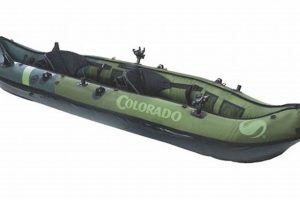
A personalized watercraft designed specifically for angling offers a unique blend of form and function tailored to individual needs and preferences. Imagine a vessel equipped with specialized rod holders, strategically placed storage compartments for tackle and gear, and a hull designed for stability and maneuverability in specific fishing environments. This exemplifies the concept of a bespoke fishing vessel built to enhance the angling experience.
Such tailored watercraft provide significant advantages over standard models. Anglers benefit from improved ergonomics, enhanced fishing efficiency, and increased comfort on the water. Historically, fishing from small, human-powered vessels has existed for millennia, but the development of modern materials and manufacturing techniques has allowed for a level of personalization previously unattainable. This evolution has enabled anglers to optimize their vessels for specific fishing styles, target species, and body types, resulting in a more productive and enjoyable experience.
This exploration will delve further into the key aspects of building and selecting such a craft, covering topics including hull design, material selection, customization options, and the factors influencing cost.
Tips for Choosing a Personalized Fishing Kayak
Selecting a personalized fishing kayak requires careful consideration of individual needs and preferences. The following tips offer guidance for making informed decisions throughout the process.
Tip 1: Define Fishing Style and Target Species: Freshwater and saltwater fishing present different challenges. Similarly, targeting specific species often necessitates specialized equipment. Consider the primary fishing environment and target species to guide hull design and feature selection.
Tip 2: Prioritize Stability and Maneuverability: Balance is paramount. A stable platform ensures angler safety and facilitates casting and reeling. Maneuverability is crucial for navigating tight spots and changing water conditions. Hull design plays a significant role in both stability and maneuverability.
Tip 3: Evaluate Storage Capacity and Accessibility: Adequate storage is essential for tackle, safety gear, and personal belongings. Consider the accessibility of storage compartments, ensuring they are conveniently located and easy to access while on the water.
Tip 4: Consider Comfort and Ergonomics: Long hours on the water require a comfortable seating system and strategically placed footrests. Adjustability is key to accommodating individual body types and preferences.
Tip 5: Select Appropriate Materials and Construction: Durability and weight are important factors. Different materials offer varying levels of performance and longevity. Consider the trade-offs between weight, durability, and cost.
Tip 6: Research Reputable Builders and Manufacturers: Experience and craftsmanship matter. Seek out builders and manufacturers with a proven track record of producing high-quality, personalized watercraft.
Tip 7: Factor in Budgetary Constraints: Custom-built kayaks represent an investment. Establish a realistic budget early in the process to guide decision-making and avoid overspending.
By carefully considering these factors, anglers can ensure their personalized fishing kayak provides years of enjoyable and productive use on the water.
The following section will explore the benefits of owning a personalized fishing kayak in greater detail.
1. Hull Design

Hull design represents a critical element in the performance and functionality of a custom fishing kayak. The hull’s shape directly influences stability, maneuverability, speed, and tracking. A well-designed hull provides the foundation for a successful fishing experience, catering to specific water conditions and angling styles. For instance, a shallow-V hull offers excellent stability and maneuverability in calm waters, making it ideal for lake or pond fishing. Conversely, a deeper-V hull, while less stable initially, cuts through waves and chop more effectively, enhancing performance in open ocean or rougher water conditions. The relationship between hull design and the intended use of the kayak is paramount. A kayak intended for trolling requires different hull characteristics than one designed for sight casting in shallow flats.
Customization allows for fine-tuning hull characteristics to match individual needs and preferences. Adding features like chines, strakes, or a rocker profile alters performance characteristics. Chines enhance secondary stability, especially valuable in wider hulls. Strakes improve tracking and reduce yaw, beneficial for paddling in currents or windy conditions. A rockered hull, characterized by upward curvature at the bow and stern, increases maneuverability in tight spaces and surf zones, but potentially sacrifices some tracking ability. The selection of these design features must align with the intended fishing environment and the angler’s preferred fishing style. For example, a kayak designed for maneuvering through mangrove forests would benefit from a highly rockered hull, while a kayak intended for long-distance paddling in open water would prioritize a less rockered hull with enhanced tracking characteristics.
Understanding the impact of hull design is crucial for optimizing a custom fishing kayak. It represents a fundamental component that directly influences the kayak’s overall performance and suitability for specific fishing scenarios. Selecting a hull design requires careful consideration of stability, maneuverability, speed, tracking, and the anticipated water conditions. Effective hull design represents a synthesis of these elements, resulting in a craft optimized for a specific fishing purpose and individual angler preferences. Addressing the challenges inherent in balancing these competing design priorities ultimately contributes to a more effective and enjoyable fishing experience.
2. Material Selection

Material selection significantly influences the performance, durability, and cost of a custom fishing kayak. Choosing the appropriate materials requires careful consideration of the intended use, environmental conditions, and desired performance characteristics. The following facets highlight key considerations in material selection.
- Thermoplastics (e.g., Polyethylene)
Polyethylene offers a balance of durability, affordability, and impact resistance. Common in rotational molding, it produces kayaks well-suited for recreational use and capable of withstanding minor impacts. High-density polyethylene (HDPE) provides increased rigidity and impact resistance compared to low-density polyethylene (LDPE), but at the expense of increased weight. While generally durable, polyethylene remains susceptible to UV degradation and abrasion over time.
- Thermosets (e.g., Fiberglass, Carbon Fiber)
Thermoset materials, like fiberglass and carbon fiber, offer superior strength-to-weight ratios compared to thermoplastics. Fiberglass, often layered with a resin matrix, provides a balance of strength, stiffness, and cost-effectiveness. Carbon fiber, while more expensive, delivers exceptional lightness and stiffness, ideal for high-performance applications. Thermoset kayaks often feature a smoother finish and enhanced performance characteristics but require more specialized manufacturing processes.
- Composites (e.g., Kevlar, Hybrid Layups)
Composite materials combine multiple materials to leverage their respective advantages. Kevlar, known for its exceptional impact resistance, often blends with other fibers to create durable and lightweight hulls. Hybrid layups might incorporate carbon fiber for stiffness in critical areas and fiberglass for cost-effectiveness in others. This targeted approach allows for fine-tuning performance characteristics and optimizing weight distribution. Composites provide a high level of customization and performance but typically come at a premium cost.
- Other Materials (e.g., Wood, Inflatable)
Wood, a traditional kayak building material, offers aesthetic appeal and can be shaped into complex designs. Modern wood kayaks often incorporate epoxy or fiberglass for enhanced durability. Inflatable kayaks, constructed from durable fabrics like PVC or Hypalon, provide portability and convenience but may sacrifice performance compared to rigid hulls. Material selection extends beyond the hull itself, encompassing components like hatches, seats, and fittings. Choosing appropriate materials for these elements enhances overall durability and functionality.
Optimizing material selection requires a holistic approach, balancing performance, durability, weight, and cost. The intended use, expected environmental conditions, and budgetary constraints heavily influence the final decision. A thorough understanding of material properties enables informed choices, resulting in a custom fishing kayak tailored to individual needs and preferences.
3. Customization Options

Customization options represent a defining characteristic of a custom fishing kayak, distinguishing it from mass-produced models. These options empower anglers to tailor their vessels precisely to their individual needs, fishing styles, and physical attributes. The ability to personalize various aspects of the kayak significantly enhances its functionality, comfort, and overall fishing effectiveness.
- Rod Holders and Placement
Rod holders constitute a fundamental customization option. Anglers can specify the type, quantity, and placement of rod holders to accommodate their preferred fishing techniques. Flush-mounted rod holders offer a streamlined profile, while adjustable rod holders provide versatility for different rod angles. Strategic placement allows for easy access and efficient rod management while maintaining balance and stability. Examples include dedicated trolling rod holders positioned at the stern, fly rod holders angled for optimal casting, and spinning rod holders positioned for quick retrieval. The choice and placement of rod holders directly impact fishing efficiency and overall on-the-water experience.
- Seating and Footrests
Comfort and ergonomics play a crucial role in long fishing trips. Customizable seating systems allow for adjustments to accommodate individual body types and preferences. Adjustable footrests ensure proper posture and paddling efficiency. Options include high-back seats with lumbar support, adjustable foot braces for precise control, and integrated seating platforms for enhanced stability. Properly configured seating and footrests minimize fatigue and maximize comfort, allowing anglers to focus on fishing.
- Storage Compartments and Hatches
Storage solutions directly impact organization and accessibility of gear. Customizable storage compartments and hatches allow anglers to tailor storage capacity and placement to their specific needs. Examples include dedicated tackle storage compartments, waterproof hatches for electronics and valuables, and integrated storage wells for larger items like coolers or bait tanks. Efficient storage solutions maximize space utilization and minimize clutter, contributing to a more organized and productive fishing experience. The location and accessibility of storage compartments influence workflow and efficiency on the water.
- Electronics and Accessories
Integrating electronics and accessories further enhances the functionality of a custom fishing kayak. Fish finders, GPS units, and trolling motors can be seamlessly integrated into the kayak’s design. Custom mounting solutions ensure optimal placement and accessibility of these devices. Additional accessories, such as anchor trolleys, paddle clips, and camera mounts, further personalize the kayak to individual preferences and fishing styles. These integrated solutions streamline functionality and enhance the overall fishing experience.
These customization options, when thoughtfully integrated, transform a standard kayak into a highly specialized fishing platform. By addressing individual needs and preferences, custom fishing kayaks enhance performance, comfort, and overall fishing effectiveness. The ability to personalize these elements distinguishes custom kayaks from mass-produced models, providing anglers with a tailored tool optimized for their specific fishing pursuits.
4. Storage Solutions

Storage solutions represent a critical component of custom fishing kayak design, directly impacting organization, accessibility, and overall fishing effectiveness. Effective storage facilitates efficient tackle management, ensures safety equipment remains readily available, and maximizes space utilization. A well-designed storage system minimizes clutter, reduces wasted time searching for gear, and enhances the overall fishing experience. The relationship between storage solutions and a custom fishing kayak extends beyond mere convenience; it contributes significantly to safety and efficient workflow on the water. For example, a dedicated compartment for a first-aid kit ensures rapid access in emergencies, while strategically placed tackle storage allows for seamless lure changes without disrupting fishing flow.
Several factors influence the design and implementation of effective storage solutions. Kayak size and hull design impose physical constraints on available space. The angler’s preferred fishing style dictates the type and quantity of gear requiring storage. Target species influence tackle selection, impacting storage needs. For instance, a kayak designed for fly fishing requires different storage solutions than one designed for bass fishing. Fly anglers might prioritize storage for fly boxes and line management tools, while bass anglers might require compartments for tackle boxes, lures, and soft plastics. The type of water fished also plays a role. Ocean kayaks often incorporate sealed bulkheads and hatches for enhanced buoyancy and protection from saltwater intrusion, while river kayaks might prioritize easily accessible open storage for quick retrieval of gear.
Practical considerations significantly impact storage design. Accessibility represents a key concern. Compartments and hatches should be easily reachable from the seated position, minimizing the need for awkward movements that could compromise stability. Security is crucial for protecting valuable equipment and personal belongings. Latches, bungee cords, and waterproof bags contribute to securing gear against loss or damage. Durability is essential, as storage compartments experience frequent use and exposure to the elements. Robust materials and construction techniques ensure long-term functionality. By carefully considering these factors, a custom fishing kayak builder can create a storage system optimized for the angler’s specific needs and fishing style. Effective storage solutions contribute significantly to a more organized, efficient, and ultimately, more enjoyable fishing experience.
5. Ergonomic Features

Ergonomic features represent a critical aspect of custom fishing kayak design, significantly impacting comfort, performance, and long-term angler well-being. A properly configured kayak minimizes strain, reduces fatigue, and promotes efficient paddling and casting. Addressing ergonomic principles in the design process enhances the overall fishing experience, allowing anglers to focus on the sport rather than physical discomfort. Ignoring ergonomic considerations can lead to discomfort, pain, and potentially long-term injuries, ultimately detracting from the enjoyment and effectiveness of fishing trips.
- Seating System
The seating system forms the core of ergonomic design in a fishing kayak. A comfortable and supportive seat promotes proper posture, reducing back strain and fatigue during long hours on the water. Customizable seating options allow for adjustments to accommodate individual body types and preferences. Features such as adjustable backrests, lumbar support, and contoured seating surfaces contribute to optimal comfort and support. A well-designed seating system enhances stability, allowing for more effective casting and paddling. For example, a high-back seat with adjustable lumbar support provides crucial back support during long paddling sessions, while a stadium-style seat offers elevated visibility and easier transitions between sitting and standing.
- Footrests and Leg Support
Proper leg support is essential for maintaining balance, efficient paddling, and overall comfort. Adjustable footrests or foot braces allow anglers to customize leg positioning for optimal biomechanics and leverage. Secure foot placement enhances stability and power transfer during paddling strokes. Adjustable systems accommodate varying leg lengths and preferences, ensuring a comfortable and efficient paddling experience. For example, adjustable foot pegs allow for fine-tuning leg position to optimize leverage and comfort, while integrated thigh braces provide additional support and control during aggressive paddling maneuvers.
- Paddle Position and Reach
Paddle position and reach significantly influence paddling efficiency and upper body strain. Customizable cockpit dimensions, including width and depth, allow for adjustments to accommodate individual arm lengths and paddling styles. Proper paddle placement minimizes shoulder and back strain, promoting efficient and comfortable paddling. Factors such as seat height and backrest angle also contribute to optimal paddle reach and stroke mechanics. For example, a narrower cockpit allows for a more vertical paddle stroke, reducing shoulder strain, while a wider cockpit offers increased stability for anglers who prefer a lower paddling angle.
- Deck Layout and Accessibility
The layout of the kayak’s deck impacts accessibility of essential gear and equipment. Strategically placed hatches, storage compartments, and accessory mounts minimize reaching and bending, reducing strain and improving efficiency. Easy access to frequently used items, such as tackle boxes, rods, and safety gear, enhances workflow and minimizes disruption during fishing. A well-designed deck layout promotes a streamlined and organized fishing experience. For example, placing rod holders within easy reach minimizes the need for excessive movement, while a recessed deck well keeps frequently used items readily accessible without obstructing paddling strokes.
By carefully considering these ergonomic features during the design and customization process, anglers can create a fishing kayak optimized for comfort, performance, and long-term well-being. A well-designed ergonomic setup enhances the overall fishing experience, allowing anglers to focus on their passion without the limitations of physical discomfort or strain. This attention to detail distinguishes a truly custom fishing kayak, transforming it from a mere vessel into a personalized extension of the angler’s body, seamlessly integrating with their movements and maximizing their potential on the water.
Frequently Asked Questions about Custom Fishing Kayaks
This section addresses common inquiries regarding custom-built fishing kayaks, providing concise and informative responses to clarify potential uncertainties and misconceptions.
Question 1: What are the primary advantages of a custom-built fishing kayak compared to a mass-produced model?
Custom-built kayaks offer unparalleled personalization, enabling anglers to tailor hull design, features, and accessories to individual needs and fishing styles. This level of customization enhances comfort, performance, and fishing effectiveness beyond the capabilities of standard models.
Question 2: How does the cost of a custom fishing kayak compare to a commercially available kayak?
Costs vary significantly based on design complexity, materials, and features. Generally, custom kayaks represent a higher initial investment than mass-produced options. However, the long-term value proposition considers the enhanced performance, durability, and personalized features tailored to specific fishing needs.
Question 3: What factors influence the build time for a custom fishing kayak?
Build times depend on design complexity, material availability, and builder workload. Simple designs using readily available materials might require less time than complex projects incorporating specialized components or custom fabrication. Open communication with the builder provides realistic timeframes and manages expectations.
Question 4: How does one choose a reputable builder for a custom fishing kayak project?
Researching builders’ reputations, experience, and craftsmanship is crucial. Examining portfolios, seeking client testimonials, and verifying certifications or affiliations with relevant industry organizations provide valuable insights into builder qualifications and reliability.
Question 5: What maintenance considerations apply specifically to custom-built fishing kayaks?
Maintenance requirements depend on chosen materials and construction techniques. Generally, regular cleaning, proper storage, and periodic inspections for damage contribute to longevity. Specific maintenance recommendations from the builder ensure optimal care and address material-specific requirements.
Question 6: Can existing kayaks be modified or customized to incorporate specific features?
The feasibility of modifications depends on the kayak’s original design and construction. Simple additions, like rod holders or accessory mounts, might prove relatively straightforward. However, significant structural alterations require careful evaluation by a qualified professional to ensure safety and maintain structural integrity. Attempting complex modifications without sufficient expertise risks compromising the kayak’s performance and safety.
Careful consideration of these frequently asked questions facilitates informed decision-making throughout the custom fishing kayak process. Understanding the nuances of design, construction, cost, and maintenance empowers anglers to embark on the custom build journey with realistic expectations and a clear understanding of the commitment involved.
This concludes the frequently asked questions section. The following section will delve into specific case studies of custom fishing kayak builds.
Custom Fishing Kayak
Exploration of personalized fishing kayak construction reveals the intricate interplay between design, materials, customization, and angler requirements. Hull design dictates performance characteristics; material selection influences durability and weight; customization options address specific fishing styles; and ergonomic considerations impact long-term comfort and well-being. Understanding these interconnected elements empowers informed decision-making throughout the design and construction process, resulting in a vessel optimized for individual needs and maximizing fishing effectiveness.
A personalized fishing kayak represents more than simply a mode of water transportation; it embodies a tangible expression of angler passion and expertise. Investing in a custom-built vessel demonstrates a commitment to optimizing the fishing experience, enhancing performance, and pursuing angling pursuits with heightened precision and enjoyment. The evolution of kayak design and construction continues, promising further advancements in materials, features, and personalization options, driving the pursuit of the ultimate fishing platform.