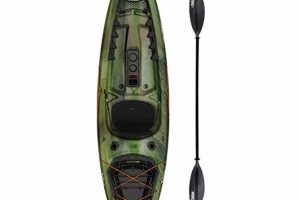
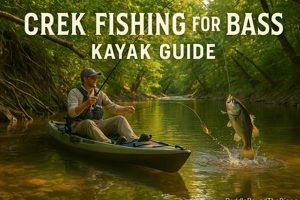
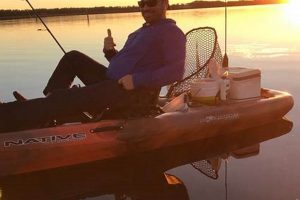
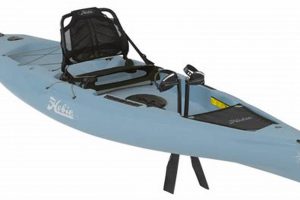
Equipment specifically designed for angling from a kayak encompasses a wide range of items, from specialized rods and reels to safety gear and electronic devices. For example, a compact rod and reel setup is often preferred for maneuverability in the limited space of a kayak, while a fish finder utilizing sonar technology can significantly improve angling success. Furthermore, items like a paddle leash, personal flotation device, and dry bag are essential for safety and the protection of belongings.
This specialized equipment enhances angling effectiveness and safety on the water. Historically, anglers adapted existing fishing gear for kayak use. However, the growing popularity of kayak fishing has driven innovation, leading to purpose-built equipment that optimizes performance and comfort. These advancements allow anglers to reach previously inaccessible fishing grounds, offering a unique and rewarding angling experience while prioritizing safety and efficiency.
This discussion will further explore various categories of essential gear, highlighting key features, selection criteria, and proper usage techniques. Topics will include rod and reel combinations, fish finders and electronics, safety equipment, tackle storage solutions, and kayaking accessories that enhance the overall fishing experience.
Tips for Effective Kayak Fishing
Optimizing equipment selection and usage significantly impacts angling success and safety. Careful consideration of these tips will enhance fishing experiences from a kayak.
Tip 1: Prioritize Stability: Kayak selection is paramount. Wider, more stable hulls are recommended, especially for beginners. Consider a sit-on-top design for easier re-entry after an accidental capsize.
Tip 2: Choose Compact Gear: Shorter rods and reels designed for kayak fishing improve maneuverability and casting control in confined spaces. Collapsible landing nets and gaffs further conserve space.
Tip 3: Organize and Secure Equipment: Utilize specialized tackle boxes and storage solutions designed for kayak fishing. Securely mount gear using readily accessible straps and mounts to prevent loss or damage in case of capsize.
Tip 4: Employ a Leash System: Attach essential items like paddles, rods, and pliers to the kayak using leashes. This prevents loss of valuable equipment in the event of an unexpected drop or overturn.
Tip 5: Dress for Immersion: Wear appropriate clothing designed for water activities, including a personal flotation device. Consider quick-drying fabrics and layers for adaptable comfort.
Tip 6: Plan for Weather Conditions: Check weather forecasts before embarking on any kayak fishing trip. Be prepared for changing conditions and have a plan for seeking shelter if necessary.
Tip 7: Practice Safety First: Inform someone of your fishing plans, including location and estimated return time. Carry essential safety gear, such as a whistle, signaling device, and first-aid kit.
Implementing these recommendations contributes significantly to a safer and more productive kayak fishing experience. Proper preparation and equipment selection are essential for maximizing enjoyment and minimizing risk.
By focusing on these key aspects of equipment and preparation, anglers can enjoy a more successful and rewarding time on the water.
1. Rods

Rod selection is a critical aspect of kayak fishing. The confined space and unique demands of this angling style necessitate specific rod characteristics for optimal performance. Understanding these characteristics and their implications contributes significantly to fishing success.
- Length and Action:
Shorter rods, typically between 6 and 7.5 feet, are preferred for kayak fishing due to improved maneuverability and casting control in tight quarters. Rod action, referring to the rod’s flexibility, influences casting distance and hook-setting power. A fast action rod bends primarily at the tip, providing greater sensitivity and casting accuracy, while a slower action rod bends throughout its length, offering better fish-fighting control.
- Power and Line Weight:
Rod power dictates the weight of lures or bait it can effectively handle. Lighter power rods are suitable for smaller fish and lighter lines, whereas heavier power rods are necessary for larger species and heavier lines. Matching rod power to target species and fishing conditions ensures optimal performance.
- Material and Construction:
Rods constructed from graphite or composite materials are generally preferred for kayak fishing. Graphite offers sensitivity and lightness, while composite materials provide durability. High-quality components, such as guides and reel seats, contribute to overall performance and longevity.
- Specialized Rod Types:
Certain rod types are specifically designed for kayak fishing techniques. Casting rods are commonly used for a variety of presentations, while spinning rods excel in finesse fishing applications. Specialized rods for techniques like trolling or jigging are also available.
Careful consideration of these factors ensures appropriate rod selection for specific kayak fishing scenarios. Choosing the right rod enhances casting accuracy, fish-fighting control, and overall angling success from a kayak. This, combined with other essential kayak fishing tools, contributes to a more rewarding and productive on-the-water experience.
2. Reels

Reel selection significantly impacts fishing success in the specialized environment of a kayak. Appropriate reel choice complements rod selection and fishing techniques, influencing casting distance, line retrieval, and fish-fighting capabilities. Several factors contribute to effective reel selection for kayak angling.
Matching reel size and line capacity to target species and fishing conditions is paramount. Smaller, lighter reels are suitable for lighter lines and smaller fish, while larger reels with greater line capacity are necessary for larger species and heavier fishing lines. The reel’s drag system, responsible for controlling line tension during a fish fight, plays a crucial role in landing larger fish from a kayak. A smooth and reliable drag system is essential for preventing line breakage and ensuring a successful catch. For example, a baitcasting reel with a high gear ratio facilitates quick line retrieval when targeting fast-moving species, while a spinning reel with a lower gear ratio provides more power and control when battling larger fish.
Construction materials and design features also contribute to reel performance and longevity in kayak fishing. Corrosion-resistant materials are essential for withstanding exposure to saltwater environments. Sealed bearings and other protective features further enhance reel durability, ensuring consistent performance over time. Understanding the interplay of these factors allows anglers to select the most appropriate reel for their specific kayak fishing needs. This contributes significantly to a more effective and enjoyable angling experience, complementing the other essential tools utilized in kayak fishing.
3. Paddles

Paddles, while seemingly simple tools, are integral components of the kayak fishing system. They provide propulsion and maneuverability, essential for navigating waterways and positioning the kayak effectively for fishing. Paddle selection and technique significantly influence fishing success and overall experience on the water.
- Blade Shape and Size:
Paddle blade shape and size directly impact paddling efficiency and performance. Wider blades generate more power per stroke, suitable for covering longer distances, while narrower blades offer greater efficiency for sustained paddling. Asymmetrical blades are designed to reduce flutter and improve stroke smoothness. Choosing the appropriate blade shape and size depends on individual paddling style, kayak type, and intended fishing environment. For example, a shorter, wider blade might be preferred for maneuvering in tight spaces like mangrove tunnels, while a longer, narrower blade might be better for open water paddling.
- Shaft Length and Material:
Paddle shaft length significantly influences paddling comfort and efficiency. Proper shaft length depends on factors such as paddler height, kayak width, and paddling style. Materials like aluminum, fiberglass, and carbon fiber offer varying degrees of weight, stiffness, and durability. Lightweight carbon fiber paddles reduce fatigue during long paddling sessions, while more affordable aluminum shafts provide durability and strength. Choosing the correct shaft length ensures efficient paddling and reduces strain, particularly important during long fishing trips.
- Paddle Construction and Features:
Paddle construction and features further enhance performance and functionality. Two-piece or four-piece paddles offer portability and storage convenience. Feathered blades, offset at an angle, reduce wind resistance and improve paddling efficiency. Drip rings prevent water from running down the shaft onto the paddler’s hands. Ergonomic grips enhance comfort and control. These features contribute to a more comfortable and efficient paddling experience, particularly important during long fishing outings.
- Paddling Techniques for Fishing:
Effective paddle strokes are essential for precise kayak control while fishing. Forward strokes propel the kayak, while reverse strokes provide braking and maneuvering capabilities. Sweep strokes allow for turning and positioning the kayak effectively for casting. Draw strokes move the kayak sideways, useful for approaching fishing spots quietly and precisely. Mastering these techniques allows anglers to position their kayaks strategically for optimal casting angles and drift control, crucial aspects of successful kayak fishing.
Proper paddle selection and technique are essential components of effective kayak fishing. A well-chosen paddle enhances boat control, reduces fatigue, and allows anglers to focus on the task at hand. These aspects, combined with other essential kayak fishing tools, create a more seamless and productive angling experience. Understanding the nuances of paddle selection and usage contributes significantly to overall fishing success from a kayak.
4. Safety Gear

Safety gear constitutes an indispensable subset of kayak fishing tools, directly impacting angler well-being and survival. The inherent risks associated with on-the-water activities necessitate prioritizing safety equipment as a fundamental component of the kayak fishing experience. A causal link exists between appropriate safety gear usage and mitigating potential hazards inherent in the sport. For instance, wearing a personal flotation device (PFD) directly reduces the risk of drowning in the event of capsizing, a common occurrence in kayak fishing. Similarly, carrying a signaling device, such as a whistle or flare, increases the likelihood of rescue in emergency situations. Real-life examples abound, highlighting the critical role of safety gear in preventing fatalities and ensuring angler survival. Understanding this connection empowers informed equipment choices and responsible on-the-water practices.
Further emphasizing the significance of safety gear within the broader context of kayak fishing tools are considerations beyond immediate survival. Carrying a first-aid kit enables treatment of minor injuries, preventing complications and ensuring continued fishing enjoyment. Proper navigation lights and reflectors enhance kayak visibility in low-light conditions, minimizing the risk of collisions with other vessels. Sunscreen, protective clothing, and hydration packs mitigate the effects of prolonged sun exposure and dehydration, safeguarding angler health during extended fishing trips. These practical applications illustrate the multifaceted role safety gear plays in ensuring a positive and incident-free kayak fishing experience.
In summary, integrating safety gear into the kayak fishing toolset is non-negotiable. The inherent risks of the sport demand prioritizing safety equipment alongside fishing-specific tools. Understanding the causal link between appropriate safety measures and mitigating potential hazards is crucial for responsible angling practices. From PFDs and signaling devices to first-aid kits and navigation lights, each piece of safety gear contributes to angler well-being and survival. Recognizing the practical significance of this interconnectedness empowers informed decision-making and fosters a safety-conscious approach to kayak fishing, ultimately contributing to a more positive and sustainable angling experience.
5. Fish Finders
Fish finders represent a crucial technological advancement within the array of kayak fishing tools. These electronic devices utilize sonar technology to locate fish, map underwater structures, and determine water depth. This information significantly enhances angling success by enabling anglers to identify promising fishing locations and tailor their techniques accordingly. The causal link between fish finder utilization and improved catch rates is well-established. Anglers equipped with fish finders can effectively target specific depths and structures where fish are likely to congregate, increasing the probability of successful hookups. For example, locating a submerged reef or drop-off using a fish finder allows anglers to concentrate their efforts in areas known to hold fish, resulting in a more efficient and productive fishing experience. Real-world examples demonstrate that anglers consistently report higher catch rates and improved fishing success after incorporating fish finders into their kayak fishing toolset.
The practical significance of integrating fish finders into kayak fishing extends beyond simply increasing catch rates. These devices provide valuable insights into underwater environments, allowing anglers to make informed decisions regarding lure selection, retrieval techniques, and overall fishing strategy. By understanding the bottom topography and identifying the presence of vegetation or other cover, anglers can select lures that effectively mimic the local forage and employ retrieval techniques that maximize their chances of triggering a strike. Furthermore, fish finders enhance situational awareness and navigational safety by providing accurate depth readings and identifying potential hazards such as submerged rocks or debris. This information is particularly crucial in unfamiliar waters or low-light conditions, enhancing overall safety during kayak fishing excursions.
In summary, fish finders represent a pivotal component of the modern kayak fishing toolset. The causal link between fish finder usage and increased angling success underscores the importance of this technology for serious kayak anglers. Beyond improved catch rates, fish finders enhance situational awareness, inform strategic decision-making, and contribute to overall fishing safety. The practical significance of integrating fish finders into the kayak fishing toolkit is undeniable, empowering anglers with the knowledge and tools necessary to maximize their success and enjoyment on the water. While challenges such as cost and complexity exist, the benefits of utilizing fish finders outweigh the drawbacks for many kayak anglers, solidifying their position as an essential component of the modern kayak fishing experience.
Frequently Asked Questions about Kayak Fishing Equipment
This section addresses common inquiries regarding equipment selection and utilization in kayak fishing. Understanding these aspects contributes to a safer and more productive angling experience.
Question 1: What type of rod is best suited for kayak fishing?
Shorter rods, typically between 6 and 7.5 feet, are generally recommended due to the confined space of a kayak. Rod action and power should be chosen based on target species and fishing techniques.
Question 2: What size reel is appropriate for kayak fishing?
Reel size should correspond with target species and line weight. Smaller reels are suitable for lighter lines and smaller fish, while larger reels are necessary for heavier lines and larger species. A smooth and reliable drag system is essential.
Question 3: What are essential safety items for kayak fishing?
Essential safety items include a personal flotation device (PFD), a whistle, a signaling device, a first-aid kit, and appropriate navigation lights if fishing in low-light conditions. A paddle leash is also highly recommended.
Question 4: How can equipment be organized and secured on a kayak?
Specialized tackle boxes and storage solutions designed for kayak fishing are recommended. Securely mounting gear using readily accessible straps and mounts prevents loss or damage.
Question 5: What are the benefits of using a fish finder in kayak fishing?
Fish finders utilize sonar technology to locate fish, map underwater structures, and determine water depth, enhancing angling success by allowing anglers to identify promising fishing locations and tailor techniques accordingly.
Question 6: What type of paddle is recommended for kayak fishing?
Paddle choice depends on individual preference, kayak type, and fishing environment. Consider blade shape, shaft length, and materials like aluminum, fiberglass, or carbon fiber based on intended use.
Careful consideration of these factors contributes significantly to a successful and enjoyable kayak fishing experience. Prioritizing safety and selecting appropriate equipment based on individual needs and target species enhances overall performance and angler well-being.
Further exploration of specific equipment categories and advanced techniques will follow in subsequent sections.
Conclusion
Effective utilization of specialized equipment is paramount for successful and safe kayak angling. This discussion has explored essential gear categories, including rods, reels, paddles, safety devices, and fish finders, emphasizing the importance of selecting appropriate tools based on individual needs, target species, and fishing environments. Proper equipment selection and usage directly influence angling success, boat control, and overall safety on the water. Moreover, understanding the causal links between equipment choices and angling outcomes empowers informed decision-making and contributes to a more rewarding experience.
The evolution of kayak fishing equipment continues to enhance angling opportunities and safety. As technology advances and angling techniques evolve, further refinement of specialized tools is inevitable. Continued exploration of equipment options and best practices remains essential for maximizing angling success and promoting responsible kayak fishing practices. Ultimately, embracing a comprehensive understanding of available resources fosters a deeper appreciation for the sport and contributes to a more sustainable and enjoyable angling experience.