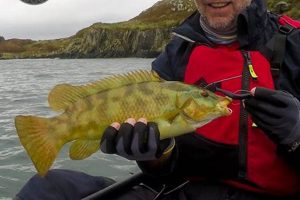
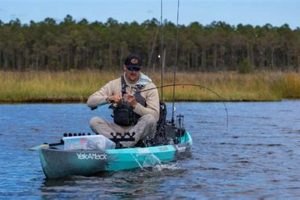
This activity involves angling from a small, human-powered vessel in the waters surrounding Northern Ireland. It offers a unique blend of outdoor recreation, sporting challenge, and connection with nature, allowing access to otherwise difficult-to-reach fishing grounds. Anglers can target a variety of species, including pollock, mackerel, cod, and even sharks, depending on the location and season.
The region’s diverse coastline, dotted with islands, sea loughs, and rocky shores, provides a wealth of opportunities for this pursuit. Its relatively sheltered waters and abundant fish stocks make it an attractive destination for both experienced anglers and newcomers. Furthermore, this pastime contributes to local economies through tourism and related industries. Its growing popularity reflects a broader trend towards sustainable and nature-based tourism within Northern Ireland.
The following sections will explore suitable locations, recommended equipment, necessary safety precautions, relevant regulations, and the potential environmental impact of this growing sport. Furthermore, resources for beginners and experienced anglers alike will be provided.
Tips for Kayak Fishing in Northern Ireland
Careful planning and preparation are essential for a safe and successful fishing trip. The following tips provide guidance for anglers of all experience levels.
Tip 1: Check Weather Forecasts and Tide Times: Northern Ireland’s weather can change rapidly. Consult marine forecasts and tide charts before embarking on any trip. Avoid venturing out in strong winds, fog, or rough seas.
Tip 2: Choose Appropriate Locations: Select fishing grounds suitable for kayak angling. Sheltered bays, inlets, and sea loughs offer calmer conditions, particularly for beginners. Research potential fishing spots and familiarize oneself with the local environment.
Tip 3: Utilize Proper Safety Equipment: Always wear a personal flotation device (PFD). Carry a VHF radio, flares, and a signaling device for emergencies. Inform someone of your intended route and estimated return time.
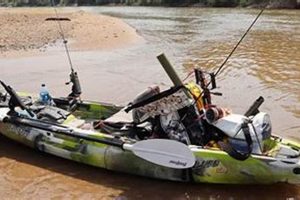
Tip 4: Equip the Kayak Appropriately: Secure fishing rods, tackle boxes, and other equipment to prevent loss or interference during paddling. Consider using a kayak specifically designed for fishing, with features like rod holders and storage compartments.
Tip 5: Practice Basic Kayak Handling Skills: Develop proficiency in paddling, maneuvering, and self-rescue techniques before venturing into open water. Consider taking a kayaking course to enhance skills and improve safety awareness.
Tip 6: Respect Local Regulations and the Environment: Obtain any necessary permits or licenses for fishing. Adhere to catch limits and size restrictions. Practice catch-and-release whenever possible to conserve fish stocks. Dispose of waste responsibly and minimize environmental impact.
Tip 7: Be Aware of Other Water Users: Share the waterways responsibly with other boats and watercraft. Maintain a safe distance from larger vessels and be mindful of swimmers and divers.
By adhering to these guidelines, anglers can maximize their chances of a successful and enjoyable experience while prioritizing safety and environmental stewardship.
These tips provide a solid foundation for planning a safe and rewarding fishing expedition. The following section will offer further resources and information to enhance angling experiences in Northern Ireland.
1. Location Selection

Strategic location selection is paramount for successful kayak fishing in Northern Ireland. The diverse coastline presents a range of options, each offering unique advantages and challenges. Careful consideration of factors like water conditions, species availability, and accessibility is essential for maximizing angling opportunities.
- Sheltered Bays and Inlets:
Locations such as Strangford Lough and Carlingford Lough offer calmer waters ideal for beginners. These sheltered environments provide protection from strong winds and currents, allowing anglers to focus on fishing techniques. Species commonly found in these areas include flounder, plaice, and various shellfish.
- Exposed Coastlines:
The North Coast, characterized by dramatic cliffs and rocky shores, presents more challenging conditions but offers opportunities for larger species like cod, pollock, and coalfish. Anglers venturing into these areas require experience handling kayaks in rougher seas and stronger currents. Accurate weather forecasting and sea state awareness are crucial for safety.
- Sea Loughs and Rivers:
The numerous sea loughs and rivers that intersect the Northern Irish landscape offer diverse fishing habitats. These locations often hold good populations of trout, salmon, and other freshwater species. Kayaks provide access to secluded stretches of water, maximizing angling opportunities while minimizing disturbance to the environment.
- Offshore Islands:
Islands like Rathlin Island and Copeland Island, situated off the coast, provide access to deeper waters and pelagic species like mackerel and tope. These locations require careful planning and consideration of tidal flows and weather patterns due to their exposed nature. Experienced kayakers with appropriate safety equipment and navigational skills are best suited for these excursions.
Effective location selection directly influences the success and safety of kayak fishing expeditions in Northern Ireland. Matching the chosen location to skill level, target species, and prevailing conditions ensures a more rewarding and enjoyable experience. Thorough research and preparation are key to optimizing angling opportunities while prioritizing safety and responsible environmental practices.
2. Safety Precautions

Safety precautions are paramount in kayak fishing within Northern Ireland due to the region’s dynamic weather patterns and diverse water conditions. Cold water immersion poses a significant risk, even during warmer months. Sudden changes in wind speed and direction can create challenging conditions for kayakers, especially in exposed coastal areas or open sea loughs. Strong tidal currents around headlands and islands necessitate careful planning and navigation. Understanding these environmental factors and implementing appropriate safety measures are crucial for mitigating potential hazards.
Practical safety measures include wearing a personal flotation device (PFD) at all times, carrying a VHF radio for communication in emergencies, and informing someone ashore of planned routes and estimated return times. Checking weather forecasts and sea state conditions before embarking on any trip is essential. Carrying appropriate safety equipment, such as flares, a signaling device, and a bilge pump, further enhances preparedness. Knowledge of self-rescue techniques and capsize recovery procedures is also highly beneficial. Regularly inspecting kayak equipment for wear and tear ensures optimal performance and reduces the risk of equipment failure during a trip.
Prioritizing safety precautions significantly mitigates risks inherent in kayak fishing around Northern Ireland. Combining environmental awareness with practical safety measures allows anglers to enjoy the sport responsibly while minimizing potential hazards. This proactive approach fosters a safer and more enjoyable experience for all participants.
3. Equipment Essentials

Appropriate equipment selection significantly impacts safety and success in kayak fishing around Northern Ireland. The region’s diverse water conditions and target species necessitate specialized gear designed for stability, performance, and angler comfort. Choosing appropriate equipment enhances the overall fishing experience while prioritizing safety and efficiency on the water.
- Kayak Selection:
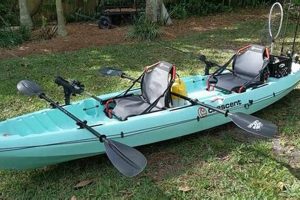
Sit-on-top kayaks are generally preferred for their stability and self-bailing capabilities. Fishing-specific kayaks often feature rod holders, storage compartments, and anchor trolleys. Kayak length and width influence maneuverability and stability in varying water conditions. Shorter kayaks are more agile in confined spaces, while longer kayaks track better in open water. Wider kayaks offer greater stability, crucial in rougher seas.
- Paddle Choice:
Lightweight, adjustable paddles improve efficiency and reduce fatigue during long paddling sessions. Paddle length should be appropriate for the kayaker’s height and kayak width. Durable materials like fiberglass or carbon fiber offer a balance of strength and lightweight performance.
- Fishing Gear:
Rods and reels suitable for the target species and fishing techniques are essential. Shorter rods are advantageous in kayak fishing due to space constraints. Spinning reels and baitcasting reels are common choices, each offering specific advantages for different fishing styles. Appropriate line weight and terminal tackle, including hooks, sinkers, and lures, are tailored to the target species and fishing environment.
- Safety and Navigation Equipment:
A personal flotation device (PFD) is a mandatory safety item. A VHF radio enables communication in emergencies. Navigation tools, such as a chart, compass, or GPS device, are crucial for accurate positioning, particularly in open water or areas with limited visibility. A dry bag or waterproof case protects essential items like phones and electronics from water damage.
Careful consideration of these equipment essentials contributes significantly to a successful and safe kayak fishing experience in Northern Ireland. Selecting appropriate gear tailored to the specific environment, target species, and angler’s skill level enhances both comfort and performance on the water. Prioritizing safety equipment alongside fishing-specific gear ensures preparedness for various situations, fostering a more enjoyable and responsible angling experience.
4. Species Availability
The diverse marine environment surrounding Northern Ireland supports a rich variety of fish species, making it an attractive destination for kayak anglers. Understanding the prevalent species and their seasonal availability is crucial for maximizing fishing success. Different species exhibit varying habitat preferences, influencing their distribution along the coastline and within specific water bodies. This knowledge enables anglers to target specific species effectively by choosing appropriate locations and fishing techniques.
- Coastal Species:
Pollack, coalfish, and wrasse inhabit rocky reefs and kelp forests along the Northern Irish coast. These species are readily accessible from a kayak, offering exciting angling opportunities. Understanding their feeding habits and preferred bait or lures enhances the chances of a successful catch. Seasonal variations influence their behavior and distribution, requiring anglers to adapt their techniques accordingly.
- Pelagic Species:
Mackerel, herring, and garfish migrate through Northern Irish waters during specific seasons. Kayak anglers can intercept these migratory species by targeting areas with high concentrations of baitfish. Trolling and casting lures are effective techniques for catching these fast-moving fish. Knowledge of their migratory patterns and seasonal presence is crucial for successful targeting.
- Bottom-Dwelling Species:
Species like cod, plaice, and flounder inhabit sandy or muddy seabeds. Kayak anglers can target these bottom-dwellers using bait fishing techniques. Understanding their preferred habitats and feeding behaviors is essential for locating and catching them effectively. Different locations around Northern Ireland offer varying populations of these species, influenced by factors like water depth, substrate type, and currents.
- Freshwater Species:
Sea trout, salmon, and pike inhabit rivers and sea loughs connected to the sea. Kayak fishing provides access to these freshwater environments, offering opportunities for diverse angling experiences. Understanding the specific regulations and licensing requirements for freshwater fishing in Northern Ireland is essential for compliance. Seasonal variations influence the availability and behavior of these species, requiring anglers to adapt their approaches accordingly.
The variety of fish species available in Northern Ireland contributes significantly to the appeal of kayak fishing in the region. Understanding the distribution, behavior, and seasonal availability of these species enhances angling success and promotes a more informed and engaging experience. By combining knowledge of local fish populations with appropriate fishing techniques and respect for environmental regulations, kayak anglers can enjoy the diverse angling opportunities that Northern Ireland offers.
5. Regulations and Licensing
Adherence to regulations and licensing requirements is essential for responsible kayak fishing in Northern Ireland. These regulations, primarily overseen by the Department of Agriculture, Environment and Rural Affairs (DAERA), aim to ensure sustainable fish stocks, protect vulnerable species, and maintain the ecological balance of aquatic environments. Specific regulations dictate catch limits, minimum size restrictions, and permissible fishing seasons for various species. Ignoring these regulations can lead to penalties, including fines and confiscation of equipment.
Acquiring the necessary licenses is a crucial step before embarking on any fishing expedition. Different licenses exist for rod fishing in freshwater and marine environments. Anglers targeting migratory fish, such as salmon and sea trout, require specific regional licenses. Information on license types, costs, and application procedures is readily available through the DAERA website and authorized vendors. Understanding these licensing requirements ensures legal compliance and contributes to the sustainable management of fish stocks.
Responsible angling practices, encompassing adherence to regulations and licensing, are fundamental to preserving the ecological integrity of Northern Irelands aquatic ecosystems. By understanding and respecting these rules, anglers contribute to the long-term sustainability of fish populations and the overall health of the marine and freshwater environments. This commitment ensures continued enjoyment of the sport for future generations while minimizing the environmental impact of angling activities.
6. Environmental Considerations
Environmental stewardship is integral to sustainable kayak fishing in Northern Ireland. The region’s diverse aquatic ecosystems are vulnerable to human impact, necessitating responsible angling practices. Minimizing environmental disturbance contributes to the long-term health of these ecosystems, ensuring their viability for future generations. Understanding the potential environmental impacts of kayak fishing and implementing appropriate mitigation strategies are crucial for preserving the ecological integrity of these valuable natural resources.
Specific environmental considerations include minimizing disturbance to wildlife, particularly nesting birds and marine mammals. Avoiding sensitive habitats, such as seagrass beds and spawning grounds, is crucial for protecting vulnerable species and maintaining biodiversity. Proper waste disposal, including fishing line and tackle, prevents pollution and protects marine life. Practicing catch-and-release fishing, whenever appropriate, helps conserve fish stocks and maintain healthy populations. Using biodegradable fishing line and lead-free weights further minimizes environmental impact. Educating oneself about local environmental regulations and adhering to best practices fosters responsible angling and promotes ecological awareness.
Responsible kayak fishing practices directly contribute to the long-term health and sustainability of Northern Ireland’s aquatic ecosystems. Minimizing human impact through informed decision-making and environmentally conscious actions ensures the continued enjoyment of the sport while preserving these valuable natural resources for future generations. This commitment to environmental stewardship fosters a deeper appreciation for the natural world and promotes the responsible use of aquatic environments.
Frequently Asked Questions
This section addresses common queries regarding kayak fishing in Northern Ireland, providing concise and informative responses to enhance understanding and promote safe angling practices.
Question 1: What are the essential safety precautions for kayak fishing in Northern Ireland?
Essential safety precautions include wearing a personal flotation device (PFD), carrying a VHF radio, checking weather forecasts and sea conditions, informing someone of trip plans, and carrying appropriate safety equipment like flares and a signaling device. Knowledge of self-rescue techniques is also highly recommended.
Question 2: What type of kayak is best suited for fishing in Northern Ireland?
Sit-on-top kayaks are generally preferred for their stability and self-bailing capabilities. Fishing-specific kayaks often feature integrated rod holders, storage compartments, and anchor trolleys, enhancing angler convenience and efficiency.
Question 3: Where can suitable fishing kayaks be purchased or rented in Northern Ireland?
Several outdoor retailers and watersports centers throughout Northern Ireland offer kayak sales and rentals. Online marketplaces and specialized kayak fishing forums also provide options for acquiring suitable equipment. Researching local providers yields specific information on available kayak models, pricing, and rental terms.
Question 4: What fishing license is required for kayak fishing in Northern Ireland, and how is it obtained?
Separate licenses are required for angling in freshwater and marine environments. Anglers targeting migratory fish like salmon and sea trout need specific regional licenses. Information on license types, costs, and application procedures is available through the Department of Agriculture, Environment and Rural Affairs (DAERA) website and authorized vendors.
Question 5: What are the primary target species for kayak anglers in Northern Ireland?
Target species vary depending on location and season, but commonly include pollock, coalfish, mackerel, cod, plaice, and various freshwater species like trout and salmon. Understanding the distribution and behavior of these species enhances angling success.
Question 6: Are there any specific regulations or restrictions regarding kayak fishing in protected areas or marine reserves in Northern Ireland?
Specific regulations and restrictions apply to fishing within designated protected areas and marine reserves. These regulations aim to preserve sensitive habitats and vulnerable species. Consulting the relevant authorities, such as DAERA or local conservation organizations, provides specific information on permitted activities and restricted areas.
Understanding these frequently asked questions enhances preparedness and promotes responsible kayak fishing practices within Northern Ireland. Prioritizing safety, adhering to regulations, and respecting the environment contribute to a positive and sustainable angling experience.
For further information and resources related to kayak fishing in Northern Ireland, consult the resources provided below.
Kayak Fishing Northern Ireland
This exploration of kayak fishing in Northern Ireland has highlighted the unique opportunities and inherent responsibilities associated with this growing sport. From the diverse species available to the importance of safety precautions and environmental considerations, the multifaceted nature of this activity requires careful planning and informed decision-making. Strategic location selection, appropriate equipment choices, and adherence to regulations are crucial for maximizing angling success while minimizing environmental impact. Understanding the dynamic interplay between angler, environment, and local regulations ensures a sustainable and rewarding experience.
The future of kayak fishing in Northern Ireland rests on the continued commitment to responsible angling practices. Prioritizing safety, respecting environmental regulations, and promoting conservation efforts will ensure the long-term viability of this unique recreational pursuit. Through informed participation and proactive stewardship, anglers can contribute to the preservation of Northern Ireland’s rich aquatic ecosystems, ensuring their enjoyment for generations to come.