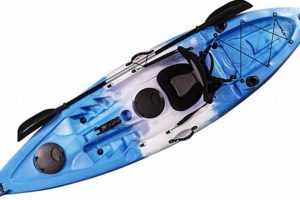
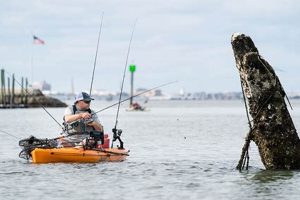
The Pennsylvania Fish and Boat Commission (PFBC) requires a launch permit or a valid fishing license for those launching kayaks, canoes, and other non-powered watercraft at Commission-owned or -maintained access areas. This system helps fund the maintenance and improvement of these facilities, ensuring continued access for boaters and anglers. For example, a paddler launching a kayak at a PFBC-managed lake needs either a launch permit affixed to their vessel or a fishing license.
Supporting the PFBC through these permits ensures the future of public boating access in Pennsylvania. These funds contribute to the upkeep of ramps, docks, parking areas, and other vital infrastructure, directly benefiting the recreational boating community. Historically, funding for such facilities has been challenging, and this system provides a stable revenue stream to address these ongoing needs. These efforts also help protect and enhance the natural resources surrounding these access points, preserving them for future generations.
The following sections delve into the specifics of obtaining and displaying the required authorization, exploring various permit options, highlighting exemptions, and answering frequently asked questions.
Tips for Pennsylvania Kayak/Canoe Launch Permits
Navigating the requirements for launching non-powered watercraft in Pennsylvania can be streamlined with a clear understanding of the permit system. The following tips offer guidance for a smooth and legal launch experience.
Tip 1: Obtain Authorization in Advance: Acquire the necessary launch permit or fishing license before arriving at the access area. This avoids delays and ensures immediate access to the water.
Tip 2: Choose the Appropriate Permit: Select the permit duration that aligns with individual needs. Options include annual, multi-day, or single-day permits.
Tip 3: Display Permits Correctly: Launch permits must be permanently affixed to the watercraft. Ensure the permit is clearly visible and securely attached.
Tip 4: Understand Exemptions: Familiarize oneself with potential exemptions, such as possessing a valid fishing license or launching at non-PFBC locations.
Tip 5: Utilize Online Resources: The Pennsylvania Fish and Boat Commission website provides comprehensive information about permits, fees, and access area locations.
Tip 6: Check for Updates: Regulations can change, so periodically review the PFBC website for the latest information regarding permit requirements.
Tip 7: Respect Access Areas: Maintain the cleanliness and integrity of access areas by properly disposing of trash and adhering to posted regulations.
Adhering to these guidelines ensures legal compliance, supports the maintenance of Pennsylvania’s waterways, and fosters a positive experience for all users.
By following these tips, boaters can contribute to the preservation of Pennsylvania’s aquatic resources and ensure continued access for recreational enjoyment. The final section provides concluding remarks and additional resources.
1. Purchase

Acquiring a Pennsylvania Fish and Boat Commission (PFBC) launch permit is a crucial step for those wishing to legally launch non-powered watercraft, such as kayaks or canoes, at designated access areas. Understanding the purchase process facilitates a seamless transition to on-water activities.
- Vendor Options
Permits can be purchased through various channels, including the PFBC website, authorized retail agents (such as sporting goods stores or bait shops), and select state park offices. Choosing a convenient vendor streamlines the acquisition process.
- Permit Types and Fees
Different permit durations are available, catering to individual needs. Options include single-day, multi-day, and annual permits, each with a corresponding fee. Selecting the appropriate permit type avoids unnecessary expenses and ensures legal compliance for the desired duration.
- Payment Methods
Accepted payment methods vary depending on the chosen vendor. Online purchases typically accept credit or debit cards, while physical locations may also accept cash or checks. Understanding accepted payment forms ensures a smooth transaction.
- Confirmation and Documentation
Upon successful purchase, individuals receive confirmation, whether digitally or physically. Retaining proof of purchase serves as verification in case of inspection and facilitates future renewals. Digital confirmations should be readily accessible, while physical permits must be displayed on the watercraft.
Completing the purchase process successfully allows individuals to legally launch their non-powered watercraft at designated PFBC access areas. This contributes to the responsible use and maintenance of Pennsylvania’s waterways. Understanding these facets of purchasing a launch permit ensures legal compliance and supports the continued enjoyment of Pennsylvania’s aquatic resources.
2. Display

Proper display of the Pennsylvania Fish and Boat Commission (PFBC) launch permit is essential for compliance with regulations. The permit must be permanently affixed to the watercraft, specifically kayaks or canoes, in a readily visible location. This visibility allows for efficient inspection by law enforcement officers and demonstrates adherence to legal requirements. Failure to display the permit correctly can result in penalties. For instance, a permit tucked away in a storage compartment does not fulfill the display requirement, even if purchased correctly. Visible placement, such as on the deck near the bow or stern, ensures compliance.
This requirement serves several crucial purposes. It streamlines the enforcement process, enabling officers to quickly verify compliance without disrupting boaters’ activities. Moreover, visible display promotes awareness among users, reinforcing the importance of supporting the PFBC through permit purchases. This system of visible authorization contributes to the sustainable funding of access area maintenance and improvements. Consider a scenario where multiple kayaks are launched at a busy access area. Clearly displayed permits facilitate efficient monitoring and contribute to equitable use of the resource.
Consistent and correct display of the PFBC launch permit fosters responsible boating practices and contributes to the long-term health of Pennsylvania’s waterways. Understanding and adhering to this requirement are vital components of ethical boating and environmental stewardship. Failure to comply undermines the funding mechanism for essential services and places an unfair burden on compliant users. By ensuring proper display, individuals actively contribute to the preservation and accessibility of these valuable resources.
3. Duration
Launch permit duration is a key aspect of the Pennsylvania Fish and Boat Commission (PFBC) system. The available options cater to varying usage patterns, offering flexibility for boaters while ensuring equitable contribution to resource maintenance. Permit durations range from single-day use to annual coverage. Selecting the appropriate duration aligns with individual needs and budgetary considerations. For example, an angler planning a single outing would opt for a single-day permit, while a frequent paddler might find an annual permit more cost-effective. This tiered system allows users to contribute proportionally to their usage of PFBC access areas.
Understanding permit duration is crucial for both compliance and responsible resource management. Purchasing a permit with the correct duration avoids unnecessary expenses while supporting the PFBC’s efforts to maintain and improve access areas. Failing to secure a permit with sufficient duration can lead to penalties and disruption of planned activities. Consider a kayaker embarking on a multi-day trip. A single-day permit would not suffice, necessitating the purchase of a multi-day or annual permit to cover the entire duration of the trip. Such foresight prevents legal issues and ensures uninterrupted enjoyment of Pennsylvania’s waterways.
The duration options provided by the PFBC contribute to a fair and sustainable system for managing access to public waterways. Boaters can select the permit duration that best suits their needs, aligning personal convenience with responsible resource stewardship. This framework supports continued access to high-quality boating opportunities throughout Pennsylvania.
4. Exemptions

Specific exemptions exist regarding the Pennsylvania Fish and Boat Commission (PFBC) kayak launch permit requirement. These exemptions prevent unnecessary financial burdens on individuals already contributing to the PFBC through other means. A key exemption applies to holders of valid Pennsylvania fishing licenses. Since fishing license fees contribute to waterway management, requiring an additional launch permit would constitute duplicate payment for the same purpose. Another exemption applies to launching kayaks or canoes at locations not managed by the PFBC. This recognizes that the permit system specifically funds PFBC access area maintenance; therefore, launching at non-PFBC locations falls outside the permit’s scope. Understanding these exemptions clarifies responsibilities and ensures compliance while avoiding unnecessary costs. For example, an angler with a valid fishing license can launch a kayak at a PFBC access area without purchasing a separate launch permit, streamlining access for those already supporting the Commission.
Exemptions play a vital role in the equitable application of the launch permit system. They ensure that individuals contributing to waterway management through other avenues are not subjected to redundant fees. Moreover, exemptions clarify the scope of the permit requirement, limiting it to PFBC-managed access areas. This targeted approach maximizes the impact of collected fees on the intended purpose maintaining and improving access areas. Navigating these exemptions requires awareness of individual circumstances and the specific location of intended launch activities. For instance, launching a kayak at a privately owned lake does not require a PFBC launch permit, even without a fishing license. Careful consideration of these factors ensures legal compliance and efficient use of resources.
In summary, exemptions within the PFBC launch permit system serve a critical function in balancing resource management needs with equitable user access. Understanding and correctly applying these exemptions contributes to a fair and sustainable framework for maintaining Pennsylvania’s waterways while minimizing unnecessary financial burdens. Awareness of these exemptions, combined with responsible boating practices, ensures the long-term health and accessibility of these valuable resources for all users.
5. Access Areas
Pennsylvania Fish and Boat Commission (PFBC) launch permits directly relate to designated access areas. These permits provide authorized use of PFBC-managed facilities for launching non-powered watercraft like kayaks and canoes. The revenue generated from permit sales contributes significantly to the maintenance and improvement of these access areas. This includes upkeep of boat ramps, docks, parking lots, and other infrastructure essential for safe and convenient launching. For example, funds from permits might contribute to the resurfacing of a deteriorated boat ramp at a popular lake, enhancing accessibility for all users. Consequently, understanding designated access areas is fundamental to the proper utilization of a PFBC launch permit.
Access areas represent a crucial link between recreational boating and responsible resource management. They provide controlled points of entry to waterways, minimizing environmental impact and ensuring public safety. Restricting launching activities to designated areas helps prevent erosion, protect sensitive habitats, and manage user traffic. Furthermore, access areas often offer amenities such as restrooms and trash receptacles, promoting responsible recreation and minimizing pollution. For instance, a designated kayak launch area with clearly marked boundaries and designated parking helps prevent unauthorized access to sensitive riparian zones. This focused use contributes to the long-term health of the ecosystem.
Effective management of access areas relies on the revenue generated by launch permit sales. This cyclical relationship underscores the importance of compliance with permit requirements. By purchasing and properly displaying permits, boaters directly contribute to the preservation and enhancement of the access areas they utilize. This fosters a sustainable model for recreational boating, ensuring continued access to Pennsylvanias waterways for future generations. Continued investment in access areas, fueled by responsible permitting practices, safeguards these valuable resources and promotes responsible recreational enjoyment. Ignoring permit requirements undermines this system, potentially jeopardizing the future of public access to these waters.
6. Regulations
Regulations governing the Pennsylvania Fish and Boat Commission (PFBC) kayak launch permit system are essential for maintaining order, promoting safety, and ensuring the long-term health of Pennsylvania waterways. These regulations provide a framework for responsible recreational boating, encompassing permit acquisition, display, exemptions, and acceptable conduct at access areas. Compliance with these regulations is not merely a formality; it directly impacts the quality and sustainability of boating resources. Regulations, for example, might stipulate specific locations on a kayak where the permit must be displayed for maximum visibility, ensuring efficient enforcement and promoting user awareness. Failure to adhere to such regulations could result in penalties, undermining the collaborative effort to maintain access areas.
One crucial function of these regulations is to ensure equitable access for all users. Regulations regarding appropriate conduct at access areas, such as noise levels and proper waste disposal, contribute to a positive and shared experience for everyone. Moreover, regulations regarding proper vessel operation, such as speed limits and required safety equipment, minimize the risk of accidents and promote responsible boating practices. Consider a scenario where regulations limit the number of kayaks permitted at a specific access area at one time. This regulation, though potentially inconvenient for some individuals, helps prevent overcrowding and ensures equitable access for all users throughout the day. This balance between individual convenience and collective benefit is a central theme within the regulatory framework.
In conclusion, regulations surrounding the PFBC kayak launch permit system are integral to the preservation and enjoyment of Pennsylvanias waterways. These regulations, while sometimes perceived as restrictive, ultimately serve to protect resources, enhance safety, and ensure equitable access for all. Understanding and adhering to these regulations is not simply a matter of compliance; it represents an active contribution to the long-term health and accessibility of these valuable public resources. Challenges may arise in balancing user convenience with resource protection, but continued dialogue and adaptive management strategies are essential for navigating these complexities and ensuring sustainable recreational opportunities for future generations.
Frequently Asked Questions
This section addresses common inquiries regarding Pennsylvania Fish and Boat Commission (PFBC) kayak/canoe launch permits, providing clear and concise answers to facilitate understanding and compliance.
Question 1: Where can launch permits be purchased?
Permits are available online through the PFBC website, at various retail agents (sporting goods stores, bait shops), and select state park offices.
Question 2: What are the different permit duration options and associated costs?
Options include single-day, multi-day, and annual permits. Costs vary depending on the chosen duration. Current pricing information is available on the PFBC website.
Question 3: Is a launch permit required if one possesses a valid Pennsylvania fishing license?
No. A valid Pennsylvania fishing license exempts individuals from the launch permit requirement at PFBC access areas.
Question 4: Where must the launch permit be displayed on the kayak/canoe?
The permit must be permanently affixed to the watercraft in a readily visible location, typically on the deck near the bow or stern.
Question 5: What are the penalties for launching without a required permit?
Launching without a required permit at a PFBC access area can result in fines. Specific penalty information is available through the PFBC.
Question 6: Are there any other exemptions to the launch permit requirement besides a fishing license?
Yes. Launching kayaks/canoes at non-PFBC managed access areas does not require a PFBC launch permit.
Understanding these frequently asked questions helps ensure compliance with regulations, supports the maintenance of Pennsylvania’s waterways, and promotes a positive boating experience. Consulting the PFBC website provides the most current information regarding regulations and fees.
For further details regarding specific access area regulations or other related inquiries, please consult the resources provided in the following section.
Pennsylvania Fish and Boat Kayak Launch Permit
This exploration of Pennsylvania fish and boat kayak launch permits has highlighted key aspects of the system, including permit purchase, display requirements, duration options, applicable exemptions, designated access areas, and relevant regulations. Understanding these elements is crucial for legal compliance and responsible use of Pennsylvania’s waterways. The permit system supports essential maintenance and improvements to access areas, ensuring continued public access to these valuable resources. Careful consideration of permit duration and exemptions, such as possessing a valid fishing license, allows boaters to make informed decisions aligned with individual needs and budgetary considerations. Proper display of permits facilitates efficient enforcement and reinforces the collective responsibility of maintaining these shared resources.
Continued support of the Pennsylvania Fish and Boat Commission through compliance with launch permit requirements ensures the long-term health and accessibility of the Commonwealth’s waterways. Adherence to regulations, responsible boating practices, and ongoing dialogue between stakeholders contribute to a sustainable future for recreational boating in Pennsylvania. Informed participation in the permit system safeguards these aquatic environments and promotes enjoyable recreational opportunities for current and future generations. These collective efforts contribute to a vibrant and sustainable future for Pennsylvania’s waterways and the recreational activities they support.