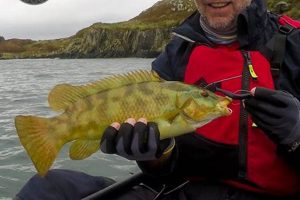
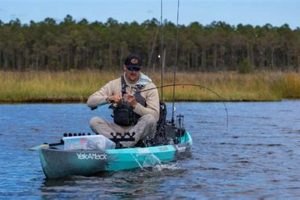
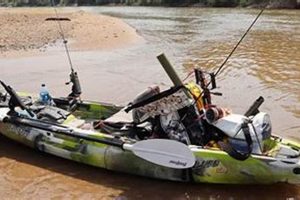
Securing a small, human-powered watercraft designed for individual use offers anglers an accessible and engaging way to experience the sport. This approach allows exploration of diverse aquatic environments, from calm lakes and ponds to slow-moving rivers and sheltered coastal areas, often reaching locations inaccessible by larger vessels. The option of temporary use eliminates the need for ownership, storage, and transportation, presenting a practical solution for both seasoned fishermen and newcomers.
This method provides numerous advantages, including enhanced maneuverability in tight spaces, quiet operation that minimizes disturbance to fish, and a close-to-water perspective that fosters a deeper connection with nature. Historically, small boats have been employed for fishing across cultures, demonstrating a long-standing appreciation for their utility. Modern iterations, constructed from durable materials like polyethylene and fiberglass, equipped with features like rod holders and storage compartments, represent an evolution of this time-honored practice. The increasing popularity reflects a growing desire for sustainable, personalized outdoor recreational activities.
This article will delve into various aspects of acquiring such watercraft for angling purposes, covering topics like choosing the right vessel, essential gear and safety considerations, popular fishing locations, and responsible angling practices.
Tips for Securing a Fishing Kayak
Careful planning ensures a successful and enjoyable fishing excursion. Consider the following recommendations before embarking on an angling adventure.
Tip 1: Research Suitable Watercraft: Different kayak designs offer varying stability, maneuverability, and storage capacity. Consider the intended fishing environment (calm lakes, rivers, or open water) and select a kayak accordingly. Sit-on-top kayaks are generally preferred for fishing due to their stability and open design.
Tip 2: Verify Included Equipment: Confirm whether paddles, life vests, and other essential safety gear are provided with the rental. Inquire about fishing-specific accessories like rod holders and anchor systems.
Tip 3: Understand Rental Terms: Carefully review the rental agreement, including duration, permitted usage areas, and any liability waivers. Clarify procedures for cancellations or equipment damage.
Tip 4: Check Weather Conditions: Prior to departure, consult weather forecasts and avoid venturing out in adverse conditions like strong winds, storms, or lightning. Be aware of changing tides and currents.
Tip 5: Plan Fishing Locations: Research potential fishing spots and obtain any necessary permits or licenses. Consider factors like water depth, fish species, and accessibility.
Tip 6: Prioritize Safety: Inform someone of your fishing plans, including location and expected return time. Carry essential safety equipment, such as a whistle, signaling device, and first-aid kit.
Tip 7: Respect the Environment: Adhere to Leave No Trace principles. Dispose of waste properly and avoid disturbing wildlife or sensitive habitats. Practice catch-and-release fishing whenever possible.
By following these guidelines, anglers can ensure a safe, enjoyable, and productive fishing experience while minimizing environmental impact. Preparation is key to maximizing time on the water and optimizing fishing success.
This information serves as a starting point for planning a fishing trip using a rented kayak. Further research and consultation with local experts are encouraged to tailor preparations to specific locations and needs.
1. Rental Locations
Rental locations play a pivotal role in facilitating access to kayaks for fishing. The availability, proximity, and services offered by these establishments directly influence the feasibility and overall experience of fishing from a rented kayak. Factors such as proximity to suitable fishing waters, available kayak types, provided equipment, and pricing structures significantly shape angler choices. A rental location situated directly on a lake with a fleet of fishing-specific kayaks equipped with rod holders and readily available tackle creates a seamless and convenient experience. Conversely, a location requiring significant travel to reach suitable waters or lacking specialized equipment might pose logistical challenges and diminish the overall appeal. For example, coastal marinas often cater to saltwater anglers, offering kayaks designed for ocean conditions, while lakeside outfitters might specialize in smaller, more stable vessels suited for calmer waters.
The variety of services offered at rental locations further impacts the angler’s experience. Some locations provide guided fishing tours, offering expertise and enhancing the likelihood of a successful catch. Others might offer delivery and pick-up services, simplifying logistics for anglers lacking transportation options. Additional services, such as providing fishing licenses, bait, and tackle, streamline the process and cater to diverse angler needs. Understanding the range of services available at various locations empowers anglers to select the option best suited to their skill level, desired experience, and logistical requirements. A remote river outfitter specializing in multi-day fishing expeditions offers a vastly different experience than a lakeside rental kiosk providing hourly rentals.
Careful consideration of rental location characteristics, including proximity to fishing waters, available kayak types and equipment, and the range of provided services, contributes significantly to a successful and enjoyable fishing experience. Evaluating these aspects in relation to personal needs and preferences allows anglers to make informed decisions, maximizing their time on the water and optimizing their chances of a rewarding fishing trip. This understanding is particularly crucial for anglers unfamiliar with a specific region or those seeking specialized fishing experiences.
2. Kayak Types

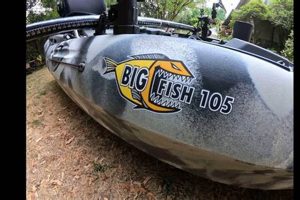
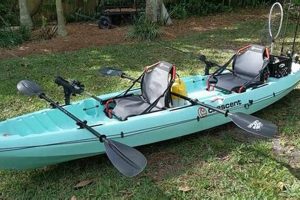
Kayak selection significantly impacts the effectiveness and enjoyment of a fishing excursion. Different hull designs and configurations cater to specific water conditions and fishing styles. Understanding these variations allows anglers to choose a rental kayak best suited to their needs and target environment. Sit-on-top kayaks, characterized by their open deck design, offer excellent stability and ease of entry and exit, making them popular for fishing. Their self-bailing design efficiently sheds water, an advantage in choppy conditions. Sit-in kayaks, with an enclosed cockpit, provide greater protection from the elements and a drier ride, suitable for colder water or longer expeditions. However, they may feel less stable and present challenges for re-entry after a capsize. Specialized fishing kayaks often incorporate features like rod holders, anchor trolleys, and storage compartments designed to enhance angling efficiency and organization.
Matching kayak type to the intended fishing environment is crucial. Shorter, wider kayaks offer superior stability in calm lakes and ponds, facilitating casting and retrieving. Longer, narrower kayaks track better in moving water, enabling efficient paddling and covering greater distances on rivers or coastal areas. Inflatable kayaks, valued for portability and ease of storage, can be suitable for sheltered waters but may lack the tracking and stability of rigid hulls. For example, selecting a sit-on-top kayak in a vibrant coral reef environment allows anglers to easily observe fish and access shallow areas, while a longer, sit-in kayak equipped for rougher waters provides stability and storage for offshore fishing expeditions. Choosing the appropriate kayak type directly influences maneuverability, accessibility, and overall fishing success.
The connection between kayak type and fishing success necessitates careful consideration during the rental process. Understanding the characteristics of various kayak designs, coupled with an assessment of the intended fishing environment, allows anglers to make informed decisions. This informed selection process ultimately contributes to enhanced stability, maneuverability, and overall enjoyment of the fishing experience. Failure to consider kayak type can lead to instability, reduced fishing effectiveness, and potentially compromised safety. Therefore, aligning kayak choice with specific fishing needs remains a critical element of a successful and rewarding angling experience.
3. Fishing Gear
Appropriate fishing gear selection directly influences success and enjoyment when fishing from a rented kayak. The compact nature of kayaks necessitates careful consideration of equipment choices, prioritizing portability, efficiency, and compatibility with the kayak’s design. Rods and reels should be appropriately sized for the target species and fishing environment. Shorter rods, typically under 7 feet, offer better maneuverability within the confined space of a kayak, while longer rods may prove cumbersome and difficult to manage. Spinning reels generally offer versatility for various fishing techniques, while baitcasting reels provide greater precision and control for experienced anglers. Tackle selection should align with the target species and local regulations. A well-organized tackle box containing a selection of lures, hooks, weights, and line ensures preparedness for various fishing scenarios. For example, lightweight spinning tackle paired with artificial lures proves effective for targeting panfish and bass in calm waters, while heavier tackle and live bait might be necessary for larger species in stronger currents. Kayak anglers often utilize specialized gear, such as anchor trolleys and drift socks, to control positioning and maintain optimal presentation in specific conditions. Proper gear selection enhances efficiency, minimizes tangles and equipment loss, and maximizes fishing opportunities.
Integration of fishing gear with the kayak itself contributes significantly to an efficient and organized fishing experience. Many fishing kayaks feature built-in rod holders, allowing anglers to secure rods while paddling or preparing tackle. Storage compartments provide designated areas for tackle boxes, safety gear, and personal items, keeping the kayak deck clutter-free and maximizing usable space. Utilizing these integrated features promotes a streamlined and efficient fishing setup, minimizing distractions and optimizing angling time. For instance, mounting a fish finder to a kayak provides real-time information about water depth, structure, and fish location, enhancing angling strategy and success rates. Similarly, incorporating a landing net designed specifically for kayak fishing simplifies the process of retrieving and releasing fish safely. Careful consideration of gear placement and organization further enhances efficiency and contributes to a more enjoyable experience on the water.
Effective fishing from a rented kayak hinges upon thoughtful gear selection and integration with the kayak’s features. Choosing appropriate rods, reels, and tackle tailored to the target species and fishing environment, combined with efficient organization and utilization of integrated storage and mounting options, significantly enhances angling success and enjoyment. Understanding this interplay between gear and kayak allows anglers to maximize their time on the water, minimize frustration, and create a more rewarding fishing experience. Neglecting these considerations can lead to equipment challenges, reduced fishing effectiveness, and potentially compromised safety. Therefore, prioritizing appropriate gear choices and integration remains a cornerstone of successful kayak fishing.
4. Safety Equipment

Safety equipment stands as a critical component of responsible kayak rentals for fishing. The inherent risks associated with on-water activities necessitate prioritizing safety measures to mitigate potential hazards and ensure angler well-being. A direct correlation exists between appropriate safety equipment and a reduced likelihood of accidents or injuries. Rental providers bear a responsibility to furnish essential safety gear, while anglers bear the responsibility to utilize provided equipment correctly and understand its function. For example, providing a properly fitted personal flotation device (PFD) is paramount, as it significantly increases the chances of survival in the event of a capsize. Similarly, offering a whistle or other signaling device enables communication in emergencies and facilitates rapid response from rescue personnel. Practical instruction on using safety equipment, including demonstrating proper PFD wear and explaining signaling procedures, enhances angler preparedness and reduces response time in critical situations. Neglecting safety protocols can lead to severe consequences, ranging from minor injuries to life-threatening incidents. The availability and proper utilization of safety equipment directly influence the overall outcome of a fishing trip, transforming a potentially hazardous situation into a manageable one.
Further amplifying the importance of safety equipment are the specific challenges associated with kayak fishing. Anglers often navigate remote areas with limited access to immediate assistance. Changing weather conditions, currents, and underwater obstacles pose potential hazards, requiring heightened awareness and appropriate safety measures. Carrying a first-aid kit equipped to handle common fishing-related injuries, such as hook removals and minor cuts, enables immediate on-site treatment and minimizes complications. Furthermore, understanding basic water safety principles, such as recognizing signs of hypothermia and implementing self-rescue techniques, empowers anglers to manage unforeseen circumstances effectively. For instance, carrying a bilge pump or paddle float assists in recovering from a capsize, preventing a potentially life-threatening situation from escalating. Knowledge of local regulations and emergency procedures further strengthens preparedness and facilitates communication with rescue services. Implementing these layered safety measures transforms potential risks into manageable challenges, safeguarding angler well-being and fostering a positive experience on the water. A comprehensive approach to safety equipment and training empowers anglers to enjoy the sport responsibly while minimizing potential hazards.
In summary, prioritizing safety equipment in the context of kayak rentals for fishing establishes a foundation for responsible angling practices. The interplay between appropriate equipment, comprehensive training, and angler awareness cultivates a culture of safety and minimizes potential risks. Understanding the critical role of safety equipment empowers anglers to make informed decisions, enhancing their well-being and fostering a positive and sustainable approach to the sport. Addressing these considerations proactively promotes a secure and enjoyable fishing experience while mitigating the inherent challenges associated with on-water activities. This proactive approach translates into reduced accidents, increased angler confidence, and a more responsible engagement with the natural environment.
5. Location Suitability
Location suitability significantly influences the success and enjoyment of kayak fishing excursions. Careful consideration of environmental factors, access points, and local regulations ensures compatibility between the chosen location and the specific requirements of kayak fishing. A mismatch between location characteristics and angler needs can lead to frustration, diminished fishing opportunities, and potential safety hazards. Understanding the interplay between location suitability and kayak fishing enables informed decision-making and contributes to a more rewarding experience.
- Water Conditions
Calm waters, such as lakes, ponds, and slow-moving rivers, generally provide ideal conditions for kayak fishing. These environments offer stability, ease of maneuverability, and optimal conditions for casting and retrieving. Conversely, open ocean, fast-flowing rivers, or areas with significant boat traffic present challenges for kayak anglers, requiring specialized skills and equipment. For example, sheltered bays and estuaries offer protected environments suitable for beginners, while experienced anglers might seek the challenges of navigating coastal waters or larger lakes. Assessing water conditions, including wind, currents, and wave action, is crucial for selecting a location compatible with kayak fishing and individual skill levels.
- Accessibility
Convenient access points simplify launching and retrieving kayaks, minimizing logistical challenges and maximizing time on the water. Locations with designated kayak launch areas, boat ramps, or easily accessible shorelines facilitate seamless entry and exit. Conversely, locations with limited access, steep terrain, or long portages can create difficulties, especially when transporting fishing gear and equipment. For example, a public park with a dedicated kayak launch provides convenient access, while a remote riverbank requiring a lengthy hike might present logistical obstacles. Considering accessibility requirements ensures a smoother and more enjoyable fishing experience.
- Fish Species and Regulations
Targeting specific fish species influences location choice. Researching the prevalent species in a given body of water and understanding local fishing regulations, including licensing requirements and catch limits, ensures compliance and optimizes fishing opportunities. Matching fishing techniques and tackle to the target species and local regulations maximizes the likelihood of a successful catch. For example, seeking trout in a cold-water stream requires different techniques and regulations than targeting bass in a warm-water lake. Aligning location choice with desired species and adhering to regulations ensures a responsible and productive fishing experience.
- Safety Considerations
Location-specific safety considerations play a vital role in kayak fishing. Awareness of potential hazards, such as underwater obstacles, changing weather patterns, and boat traffic, allows anglers to make informed decisions and minimize risks. Consulting local resources, such as maps, weather forecasts, and tide charts, provides valuable information for assessing potential hazards and planning accordingly. For example, understanding the presence of submerged rocks or logs in a river helps anglers navigate safely and avoid damage to their kayaks. Similarly, awareness of potential fog or sudden storms allows for proactive adjustments to fishing plans and ensures angler safety.
Careful consideration of these interconnected facets of location suitability contributes significantly to a successful and enjoyable kayak fishing experience. Aligning location choice with angler skill level, target species, and desired fishing experience maximizes opportunities and promotes responsible angling practices. Failure to consider these factors can lead to frustration, diminished fishing success, and potentially hazardous situations. Therefore, prioritizing location suitability remains a cornerstone of a rewarding and safe kayak fishing trip.
6. Rental Duration
Rental duration plays a significant role in shaping the kayak fishing experience, influencing logistical planning, fishing strategies, and overall trip satisfaction. The allotted rental time establishes boundaries within which anglers must operate, impacting achievable fishing locations, potential catch rates, and overall cost-effectiveness. Understanding the relationship between rental duration and fishing outcomes enables anglers to optimize their time on the water and align their plans with available resources.
Shorter rental periods, such as hourly or half-day rentals, often suit anglers targeting easily accessible fishing spots near the rental location. These shorter durations provide opportunities for quick fishing trips, exploring familiar waters, or practicing specific techniques without committing to a full day. Conversely, longer rental durations, such as full-day or multi-day rentals, allow for exploration of more remote locations, extended fishing sessions, and potentially increased catch rates. A longer rental period might enable reaching distant river bends, exploring secluded coves, or adapting to changing weather conditions without time constraints. For example, a half-day rental might suffice for fishing a local pond, while a multi-day rental would be necessary for a backcountry fishing expedition. The interplay between rental duration and fishing location influences the range of fishing opportunities and dictates logistical considerations, such as transportation and storage of gear.
Effective utilization of rental duration requires careful planning and consideration of various factors. Anglers should factor in travel time to and from fishing locations, anticipated fishing time, and potential delays due to weather or unforeseen circumstances. Overestimating the required rental duration provides flexibility and reduces pressure, while underestimating can lead to rushed fishing sessions, missed opportunities, and potential safety risks. Balancing rental duration with planned activities and potential contingencies ensures a more relaxed and rewarding experience. Aligning rental duration with fishing goals and logistical constraints contributes significantly to overall trip satisfaction and maximizes the potential for a successful fishing outing. This strategic approach to time management empowers anglers to optimize their resources, enhance their fishing experience, and fosters a more responsible and enjoyable engagement with the sport.
7. Budget Considerations

Budget considerations play a crucial role in planning kayak fishing trips, influencing choices related to rental duration, location, equipment, and overall experience. A clear understanding of potential costs allows anglers to make informed decisions, maximizing value while staying within financial constraints. Effective budgeting ensures a balance between desired experiences and available resources, contributing to a more enjoyable and sustainable approach to kayak fishing.
- Rental Fees
Rental fees constitute a primary budget component, varying based on factors such as kayak type, rental duration, location, and included equipment. Sit-on-top kayaks designed for fishing often command higher rental rates than recreational kayaks due to specialized features and demand. Rental durations influence overall cost, with hourly rates accumulating over longer periods. Locations offering premium services, such as guided tours or equipment delivery, typically charge higher fees. Researching rental options and comparing pricing structures enables anglers to identify cost-effective solutions aligned with their needs and budget. For example, a basic sit-on-top kayak might rent for $20 per hour, while a premium fishing kayak with included gear could cost $50 per hour. Multi-day rentals often offer discounted rates compared to accumulating hourly charges.
- Equipment Costs
Equipment costs represent a significant portion of the overall budget, particularly for anglers lacking personal gear. Rods, reels, tackle, safety equipment, and specialized accessories like fish finders or anchor trolleys contribute to expenses. Rental providers often offer equipment packages, bundling essential gear with kayak rentals. Alternatively, anglers can purchase their own equipment, representing a long-term investment. Evaluating the frequency of fishing trips and comparing rental versus purchase costs informs equipment-related budget decisions. For instance, a basic rod and reel combo suitable for kayak fishing might cost $100, while a high-end setup could exceed $500. Additional tackle, lures, and accessories further contribute to expenses.
- Transportation and Access
Transportation costs associated with reaching fishing locations impact the overall budget. Fuel expenses, parking fees, and potential tolls contribute to transportation-related expenditures. Locations requiring lengthy drives or specialized transportation, such as boat shuttles or ferries, incur higher costs. Considering proximity to fishing destinations and factoring transportation expenses into the budget informs location choices and optimizes resource allocation. For example, fishing locations closer to home minimize fuel costs, while remote destinations requiring air travel or boat charters significantly increase expenses. Access fees to certain parks or waterways also add to the overall cost.
- Additional Expenses
Additional expenses, such as fishing licenses, bait and tackle, food and beverages, and accommodation, contribute to the overall budget. Fishing licenses vary in cost depending on location and duration. Bait and tackle expenses depend on fishing techniques and target species. Food, beverages, and accommodation costs influence budget considerations, particularly for multi-day fishing trips. Allocating funds for these additional expenses ensures a comprehensive budget plan and avoids unexpected financial strain. For instance, a day trip might require budgeting for snacks and drinks, while an overnight trip necessitates allocating funds for lodging and meals.
Careful consideration of these budget components allows anglers to plan kayak fishing trips effectively, balancing desired experiences with financial constraints. Understanding the interplay between rental fees, equipment costs, transportation expenses, and additional costs empowers anglers to make informed decisions, maximizing value and ensuring a sustainable approach to enjoying the sport. Effective budgeting enhances the overall fishing experience, eliminating financial stress and promoting responsible resource allocation. This financial awareness contributes to a more enjoyable and sustainable approach to kayak fishing, ensuring long-term participation and minimizing environmental impact.
Frequently Asked Questions
This section addresses common inquiries regarding kayak rentals for fishing, providing concise and informative responses to facilitate informed decision-making and enhance the overall fishing experience.
Question 1: What type of kayak is best suited for fishing?
Sit-on-top kayaks are generally preferred for their stability, ease of entry and exit, and self-bailing design. Specific fishing kayaks often incorporate features like rod holders and storage compartments. Kayak choice should align with the intended fishing environment and angler experience.
Question 2: What essential gear is needed for kayak fishing?
Essential gear includes appropriately sized rods and reels, a selection of tackle matched to the target species, a personal flotation device (PFD), a whistle or signaling device, and a first-aid kit. Additional accessories, such as anchor trolleys and fish finders, enhance fishing effectiveness.
Question 3: How does one choose a suitable fishing location?
Location suitability depends on factors such as water conditions (calm lakes, slow-moving rivers), accessibility (convenient launch points), prevalent fish species, local fishing regulations, and safety considerations. Researching potential locations and consulting local resources inform appropriate choices.
Question 4: What are the typical rental duration options?
Rental durations typically range from hourly to multi-day rentals, depending on the rental provider and location. Shorter durations suit quick trips and local fishing spots, while longer durations accommodate extended excursions and exploration of more remote areas. Rental duration should align with fishing plans and logistical considerations.
Question 5: What factors influence the overall cost of kayak rental for fishing?
Cost considerations include rental fees (kayak type, duration), equipment rentals or purchases, transportation expenses, fishing licenses, bait and tackle, and potential additional costs like food, beverages, and accommodation for longer trips.
Question 6: What safety precautions should one take when kayak fishing?
Essential safety precautions include wearing a PFD, carrying a signaling device, informing someone of fishing plans, checking weather conditions, understanding local regulations, carrying a first-aid kit, and being aware of potential hazards such as changing weather patterns and underwater obstacles.
Careful consideration of these frequently asked questions equips anglers with the knowledge necessary for planning successful and enjoyable kayak fishing trips. Addressing these common concerns promotes safety, enhances fishing effectiveness, and fosters a responsible approach to the sport.
The subsequent section will provide further insights into specific techniques and strategies for maximizing fishing success from a rented kayak. This information will build upon the foundational knowledge presented in the FAQ section and enhance overall fishing proficiency.
Kayak Rental for Fishing
Acquiring temporary use of kayaks specifically for angling presents an accessible and versatile approach to experiencing the sport. This article has explored key aspects of this practice, encompassing equipment selection, location suitability, safety considerations, and budgetary planning. The interplay between these factors significantly influences the overall effectiveness, enjoyment, and safety of fishing excursions. Understanding kayak types and their suitability for specific water conditions, coupled with informed gear choices, optimizes fishing success and angler comfort. Prioritizing safety equipment and adhering to established protocols mitigates potential risks associated with on-water activities, safeguarding angler well-being. Careful consideration of location characteristics, including accessibility, prevalent fish species, and local regulations, ensures responsible and productive fishing experiences. Effective budget management, encompassing rental fees, equipment costs, and additional expenses, allows anglers to maximize value while staying within financial constraints.
The growing popularity of this method reflects an increasing appreciation for sustainable and personalized outdoor recreation. As anglers seek closer connections with nature and explore diverse aquatic environments, the demand for temporary access to specialized watercraft will likely continue to rise. Responsible engagement with this practice necessitates ongoing education and awareness regarding safe angling practices, environmental stewardship, and respect for local ecosystems. Through informed decision-making and mindful participation, kayak anglers can contribute to the long-term sustainability of the sport and ensure its continued enjoyment for future generations. Continued exploration and refinement of techniques, coupled with a commitment to conservation, will shape the future of kayak fishing and its role in promoting responsible outdoor recreation.