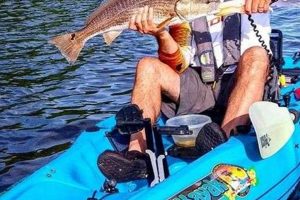
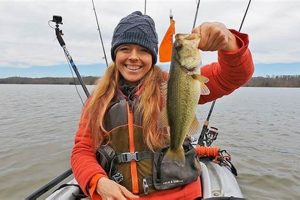
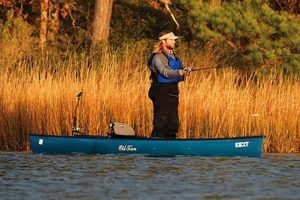
A televised or online program focusing on angling from kayaks in Hawaiian waters typically showcases the unique challenges and rewards of this fishing style. These programs often feature experienced anglers demonstrating techniques, highlighting local species, and exploring the diverse marine environments surrounding the islands. Examples might include catching pelagic fish like tuna or mahi-mahi, or targeting reef dwellers such as snapper or ulua.
Documentaries and online videos about this specialized angling method offer valuable insights for both novice and seasoned anglers. They can provide practical instruction on kayak selection, rigging, safety procedures, and ethical fishing practices. Furthermore, such media can promote tourism by showcasing the natural beauty of Hawaii and the thrill of this exciting sport, potentially contributing to local economies and conservation efforts. The growth of online platforms has broadened the reach of these programs, making information about this niche activity more accessible than ever before.
This article will further examine the various aspects of angling from a kayak in Hawaiian waters, including equipment choices, popular fishing locations, species identification, and responsible angling practices. It will also explore the ecological considerations and regulations relevant to this activity, emphasizing the importance of preserving Hawaii’s unique marine ecosystem.
Tips for Kayak Fishing in Hawaiian Waters
Successful kayak angling in Hawaii requires careful planning and preparation. The following tips offer guidance for a safe and productive experience.
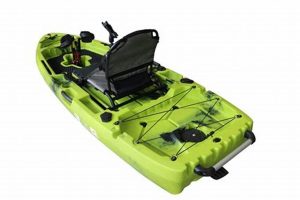
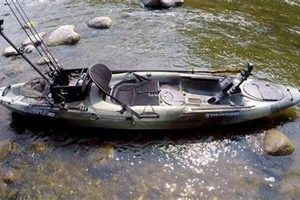
Tip 1: Choose the Right Kayak: Selecting a kayak appropriate for ocean conditions and target species is crucial. Longer, more stable kayaks are generally preferred for offshore fishing, while shorter, more maneuverable kayaks may be suitable for calmer inshore waters. Consider features like rod holders, storage compartments, and anchor systems.
Tip 2: Prioritize Safety: Always wear a personal flotation device (PFD) and carry essential safety equipment, including a whistle, flares, a VHF radio, and a first-aid kit. Check weather forecasts before venturing out and be aware of changing conditions. Inform someone of your fishing plans, including your intended location and return time.
Tip 3: Understand Local Regulations: Familiarize oneself with all applicable fishing regulations, including licensing requirements, size and bag limits, and any restricted areas. Respect local customs and fishing practices.
Tip 4: Employ Proper Fishing Techniques: Research effective techniques for targeting specific Hawaiian species. Consider using local bait and tackle for optimal results. Practice catch-and-release whenever possible to conserve fish populations.
Tip 5: Navigate Responsibly: Be mindful of other boat traffic and avoid fishing in designated swimming or surfing areas. Maintain a safe distance from marine wildlife, such as whales, dolphins, and turtles.
Tip 6: Protect the Environment: Dispose of all trash properly and avoid disturbing coral reefs or other sensitive habitats. Use biodegradable fishing line and avoid leaving any gear behind.
Careful preparation and responsible practices contribute significantly to a positive and productive kayak fishing experience in Hawaii. Adherence to these guidelines enhances both angler safety and the long-term health of the marine environment.
By incorporating these tips, anglers can maximize their enjoyment while minimizing risks and promoting sustainable fishing practices. This concluding section will offer additional resources and information for those seeking to further explore kayak angling in Hawaiian waters.
1. Hawaiian Fishing Grounds
Hawaiian fishing grounds form the foundational element of any kayak fishing show set in the islands. The diverse underwater topography, ranging from shallow reefs to deep-ocean drop-offs, dictates the types of fish available and influences angling techniques showcased. A show focusing on nearshore fishing might feature papio or oama caught around coral heads, while a program venturing further offshore could highlight pelagic species like tuna or mahi-mahi. The unique characteristics of each location, including currents, water clarity, and bottom structure, become integral to the narrative, providing context for the challenges and rewards of fishing in specific areas. For example, a show filmed off the Kona coast might focus on techniques for battling large marlin, while one set in Kaneohe Bay could explore the intricacies of bonefish pursuit on the flats.
Access to these diverse and productive fishing grounds distinguishes Hawaiian kayak fishing shows from those filmed elsewhere. The archipelago’s volcanic origins create a complex seascape that supports a wide array of fish species. This diversity allows program creators to showcase a variety of angling techniques, from trolling lures to bottom fishing with bait. Furthermore, the visual appeal of Hawaii’s clear waters and vibrant coral reefs adds an aesthetic dimension to the programs, enhancing viewer engagement. The ability to capture stunning underwater footage of both the environment and the targeted fish elevates these shows beyond simple fishing tutorials, transforming them into captivating explorations of a unique marine ecosystem. This intimate connection to the environment becomes a key differentiator.
Understanding the significance of Hawaiian fishing grounds is crucial for appreciating the nuances of kayak fishing shows filmed in the region. The interplay between location, target species, and angling techniques forms the core narrative. Recognizing this connection allows viewers to gain a deeper understanding of the challenges and triumphs experienced by anglers, enriching the overall viewing experience. Moreover, highlighting specific locations within the Hawaiian Islands can promote responsible tourism and encourage conservation efforts by showcasing the beauty and fragility of these unique ecosystems.
2. Kayak Angling Techniques

Kayak angling techniques are central to any “kayak fishing hawaii show,” directly influencing its educational value and entertainment appeal. The chosen methods demonstrate adaptability to specific conditions and target species, highlighting the angler’s skill and knowledge. Effective presentation of these techniques provides viewers with practical insights, transforming the show into a valuable resource for aspiring kayak anglers.
- Trolling:
Trolling involves dragging lures or baited lines behind a moving kayak. In a Hawaiian context, this technique often targets pelagic fish like tuna or mahi-mahi. Shows might demonstrate specific trolling patterns or lure choices effective in local waters, considering factors like current and water depth. Successfully hooking and landing a powerful fish from a kayak provides dramatic footage, showcasing both the angler’s expertise and the thrill of the sport.
- Casting and Retrieving:
Casting and retrieving lures or bait towards structures like reefs or shorelines is a versatile technique applicable to various species. A “kayak fishing hawaii show” might feature casting for bonefish on shallow flats or targeting reef fish like papio. Demonstrations of lure presentation and retrieval techniques, adapted to specific Hawaiian species and habitats, provide valuable instruction for viewers. Close-up footage of strikes and fights adds excitement and visual interest.
- Bottom Fishing:
Bottom fishing involves dropping weighted lines baited with natural or artificial attractants to the seafloor. This technique is effective for targeting bottom-dwelling species like snapper or grouper in Hawaiian waters. Shows can demonstrate effective rigging and baiting methods specific to the region. Footage of reeling in fish from the depths offers viewers a different perspective compared to other kayak angling techniques.
- Drift Fishing:
Drift fishing entails allowing the kayak to drift with the current while presenting bait or lures. This technique can be particularly effective in areas with strong currents or tidal flows. Shows may showcase drift fishing for species like ulua or deep-sea snapper. Demonstrations of how to control the drift and maintain proper line tension offer valuable practical knowledge for viewers interested in this specialized approach.
By showcasing a variety of kayak angling techniques, these programs provide a comprehensive overview of the sport in a Hawaiian context. The methods employed, adapted to local conditions and species, become a key element in differentiating “kayak fishing hawaii show” from other fishing programs. Furthermore, the clear presentation of these techniques enhances the educational value of the show, empowering viewers to improve their own kayak angling skills and appreciate the nuances of the sport.
3. Target Species Diversity

Target species diversity forms a cornerstone of any compelling “kayak fishing hawaii show.” The rich biodiversity of Hawaiian waters offers a vast array of potential targets, from nearshore reef dwellers to open-ocean pelagics. This diversity allows programs to showcase a range of angling techniques and provides viewers with a broader understanding of the marine ecosystem. A show might feature the pursuit of bonefish on shallow flats one day and the hunt for mahi-mahi offshore the next, highlighting the versatility required of kayak anglers in Hawaii. This diverse range of target species distinguishes Hawaiian kayak fishing programs from those filmed in less biodiverse locations. For instance, targeting a fast-moving wahoo requires different tackle and techniques compared to patiently stalking a bottom-dwelling ulua. Showcasing these differences offers valuable insights for anglers and enhances the program’s educational value.
Furthermore, highlighting specific target species can serve as a platform for discussing conservation efforts and promoting responsible fishing practices. A show focusing on the challenges of catching a protected species like the humuhumunukunukuapuaa (reef triggerfish) can educate viewers about the importance of catch-and-release practices and the fragility of certain populations. Similarly, discussing the impact of invasive species, like the roi (peacock grouper), on native Hawaiian fish can raise awareness about ecological balance and the angler’s role in maintaining it. Practical examples, such as demonstrating proper handling techniques to minimize stress on released fish, reinforce the show’s commitment to conservation. This educational component adds depth and social relevance to “kayak fishing hawaii show,” extending its impact beyond pure entertainment.
In summary, target species diversity directly influences the appeal and educational value of a “kayak fishing hawaii show.” Showcasing a wide range of species not only provides exciting viewing but also offers opportunities for practical instruction and promotes responsible angling practices. This focus on biodiversity distinguishes Hawaiian kayak fishing shows, reinforcing their unique identity within the broader genre of fishing programs. By connecting the thrill of the catch with the importance of conservation, these programs cultivate a deeper appreciation for the marine environment and encourage sustainable interactions with its diverse inhabitants. This contributes significantly to the long-term health of Hawaiian fisheries and the continued enjoyment of the sport for future generations.
4. Ocean Safety Practices
Ocean safety practices are paramount in any “kayak fishing hawaii show,” serving as a crucial foundation for responsible angling and viewer education. Highlighting these practices not only ensures the angler’s well-being but also promotes a culture of safety within the kayak fishing community. Properly addressing ocean safety elevates a program beyond mere entertainment, transforming it into a valuable resource for viewers.
- Pre-Trip Planning:
Pre-trip planning is essential for safe kayak fishing excursions. Checking weather forecasts, informing someone of the fishing plan, and understanding local regulations are critical components. A “kayak fishing hawaii show” demonstrating these preparations underscores the importance of proactive safety measures. For example, consulting a nautical chart to identify potential hazards like reefs or strong currents demonstrates responsible decision-making. This preparation minimizes risks and allows anglers to focus on the fishing experience.
- Essential Safety Equipment:
Carrying essential safety equipment is non-negotiable for kayak anglers. Personal flotation devices (PFDs), VHF radios, flares, whistles, and first-aid kits are vital for handling emergencies. A program showcasing the proper use and maintenance of this equipment reinforces its importance. Demonstrating how to activate a personal locator beacon (PLB) in a simulated distress situation provides valuable practical knowledge for viewers. This preparedness can be the difference between a minor incident and a serious emergency.
- Kayak Handling and Navigation:
Competent kayak handling and navigation are crucial for safe ocean fishing. Understanding how to maneuver in various conditions, including wind, waves, and currents, is vital. A “kayak fishing hawaii show” can demonstrate proper paddling techniques and strategies for navigating challenging waters. Showing how to recover from a capsize reinforces essential self-rescue skills. This proficiency contributes significantly to angler safety and confidence on the water.
- Awareness of Marine Hazards:
Maintaining awareness of marine hazards is essential in Hawaiian waters. Respecting wildlife, like whales and turtles, avoiding shipping lanes, and understanding changing weather patterns are crucial aspects. A program can educate viewers about these hazards and demonstrate safe interaction protocols. Showing how to interpret warning signs for high surf or strong currents equips viewers with valuable situational awareness. This knowledge fosters responsible behavior and minimizes potential conflicts with the marine environment.
By consistently emphasizing ocean safety practices, “kayak fishing hawaii show” contributes significantly to promoting responsible angling. Integrating these practices seamlessly into the program’s narrative enhances its educational value without detracting from the entertainment aspect. This focus on safety not only benefits viewers directly but also fosters a culture of responsible behavior within the kayak fishing community, ensuring the long-term sustainability of the sport and minimizing negative impacts on the marine environment. Furthermore, showcasing these practices can inspire viewers to prioritize safety in their own outdoor pursuits, extending the program’s positive influence beyond the specific context of kayak fishing.
5. Conservation Messaging
Conservation messaging forms an integral component of responsible “kayak fishing hawaii show” programming. Integrating such messaging into narratives fosters environmental stewardship among viewers and promotes sustainable fishing practices within the broader community. This connection between entertainment and education offers a powerful platform for influencing behavior and protecting Hawaii’s unique marine ecosystem. Cause and effect relationships between fishing practices and environmental impact can be effectively illustrated within the show’s narrative. For example, showcasing the detrimental effects of discarded fishing line on coral reefs or marine animals directly links angler behavior to ecological consequences. This visual demonstration can be far more impactful than abstract warnings. Presenting solutions, such as the use of biodegradable fishing line or promoting proper disposal methods, empowers viewers to adopt more responsible practices. The importance of “Conservation messaging” as a component of “kayak fishing hawaii show” lies in its ability to reach a receptive audience. Viewers tuning in for entertainment are simultaneously exposed to information about preserving the very environment that enables their enjoyment of the sport. This subtle yet effective approach can foster a sense of responsibility and encourage active participation in conservation efforts. Real-life examples further solidify the practical significance of this understanding. Highlighting local organizations dedicated to reef cleanup or marine wildlife protection provides viewers with tangible ways to contribute. Showcasing successful community-led conservation projects can inspire similar initiatives elsewhere. Featuring interviews with local experts, such as marine biologists or conservation officers, adds credibility and depth to the messaging, enhancing viewer engagement and understanding.
Further analysis reveals the potential for “kayak fishing hawaii show” to address broader conservation challenges. By showcasing the impacts of climate change on Hawaiian fisheries or discussing the importance of protecting endangered species, programs can contribute to a wider understanding of environmental issues. Demonstrating sustainable fishing practices, such as catch-and-release techniques or adhering to size and bag limits, reinforces the importance of responsible resource management. This proactive approach can influence viewer behavior and contribute to the long-term health of the marine environment. Practical applications of conservation messaging extend beyond individual actions. Promoting collaborations between anglers, local communities, and conservation organizations can amplify the impact of these efforts. Showcasing successful partnerships demonstrates the power of collective action and encourages broader participation in protecting Hawaii’s natural resources.
In conclusion, integrating conservation messaging within “kayak fishing hawaii show” offers a powerful and effective means of promoting environmental stewardship. By showcasing the interconnectedness between fishing practices and ecological health, these programs can inspire positive change within the angling community and beyond. Highlighting real-world examples, practical solutions, and collaborative efforts strengthens the messaging and empowers viewers to become active participants in conservation. This connection between entertainment and education is crucial for ensuring the long-term sustainability of both the sport and the marine environment it depends on. Challenges remain, including effectively balancing entertainment value with educational content and reaching a diverse audience. However, the potential for positive impact makes continued integration of conservation messaging a vital component of responsible “kayak fishing hawaii show” production.
Frequently Asked Questions
This section addresses common inquiries regarding kayak fishing in Hawaiian waters, providing concise and informative responses.
Question 1: What type of kayak is best suited for fishing in Hawaiian waters?
Kayak selection depends on intended fishing locations and target species. Longer, sit-on-top kayaks offer stability for offshore excursions targeting pelagic fish. Shorter, more maneuverable kayaks may suffice for calmer inshore waters. Features like rod holders, storage compartments, and anchor systems enhance fishing functionality.
Question 2: What safety precautions are essential for kayak fishing in Hawaii?
Prioritizing safety is paramount. Always wear a personal flotation device (PFD). Carry essential safety equipment, including a VHF radio, flares, a whistle, and a first-aid kit. Check weather forecasts before departure and inform someone of fishing plans, including intended location and estimated return time.
Question 3: Are there specific fishing regulations one must adhere to in Hawaii?
Anglers must comply with all state and local fishing regulations. These include obtaining necessary licenses, adhering to size and bag limits for specific species, and respecting designated marine protected areas. Regulations vary by location and species; therefore, thorough research is recommended before fishing.
Question 4: What are some recommended fishing techniques for Hawaiian waters?
Effective techniques vary based on target species and location. Trolling is often employed for pelagic fish like tuna and mahi-mahi. Casting and retrieving lures or bait targets reef fish and inshore species. Bottom fishing is suitable for deeper-dwelling species. Local knowledge and expertise can significantly enhance fishing success.
Question 5: What environmental considerations are important for kayak anglers in Hawaii?
Minimizing environmental impact is crucial. Proper disposal of all trash, including fishing line, is essential. Avoid disturbing coral reefs or other sensitive habitats. Practicing catch-and-release whenever possible helps conserve fish populations. Respecting marine wildlife and maintaining a safe distance minimizes disturbance.
Question 6: Where can one find additional information about kayak fishing in Hawaii?
Numerous resources exist for those seeking further information. Local fishing shops, charter operators, and online forums dedicated to kayak fishing provide valuable insights. The Division of Aquatic Resources (DAR) offers information on fishing regulations and conservation efforts. Engaging with experienced kayak anglers can provide practical advice and local knowledge.
Careful consideration of these frequently asked questions contributes significantly to angler safety, responsible fishing practices, and overall enjoyment of the sport. Thorough preparation and adherence to regulations ensure a positive experience while preserving Hawaii’s unique marine environment.
For those seeking to explore specific fishing locations, the following section offers a detailed overview of popular kayak fishing destinations throughout the Hawaiian Islands.
Kayak Fishing Hawaii Show
This exploration of kayak fishing programs filmed in Hawaii has highlighted several key components contributing to their unique appeal and educational value. From the diverse fishing grounds and targeted species to the specialized techniques and essential safety practices, these programs offer viewers a comprehensive look into this exciting sport. The emphasis on conservation messaging underscores the importance of responsible angling and its role in preserving Hawaii’s marine ecosystem. Furthermore, addressing frequently asked questions provides practical information for those interested in experiencing kayak fishing firsthand.
Kayak fishing shows filmed in Hawaiian waters offer more than just entertainment; they serve as valuable resources for promoting sustainable fishing practices and fostering appreciation for the marine environment. Continued focus on responsible angling, coupled with educational outreach, will ensure the long-term health of Hawaii’s fisheries and the continued enjoyment of this unique sport for generations to come. Careful consideration of the information presented here equips both viewers and aspiring anglers with the knowledge necessary to appreciate and participate in kayak fishing responsibly within this unique and valuable ecosystem.