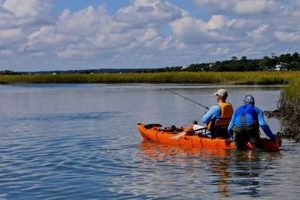
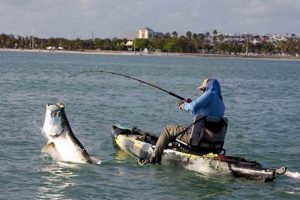
Legendary paddler Eric Jackson’s influence on the design and popularization of specialized kayaks for angling is profound. These vessels are typically characterized by stability, specialized storage for fishing gear, and features like rod holders and transducer mounts. They are crafted to meet the unique demands of anglers in various aquatic environments, from calm lakes to swift rivers and open ocean waters.
Sit-on-top designs optimized for stability and ease of entry/exit are common within this specialized kayak category. This design lineage reflects a focus on enhancing the angling experience, allowing for greater freedom of movement and casting. The evolution of these specialized watercraft has significantly improved the accessibility and enjoyment of kayak fishing, expanding its appeal among outdoor enthusiasts.
This article will further explore key aspects of kayak fishing, including selecting appropriate gear, essential safety considerations, and popular fishing techniques. It will also delve into the impact figures like Eric Jackson have had on shaping the sport, showcasing the evolution of design and the growing community surrounding this increasingly popular activity.
Kayak Fishing Tips
Effective kayak angling requires preparation and awareness. These tips offer guidance for enhancing on-the-water experiences and promoting safety.
Tip 1: Stability is Paramount: Select a kayak designed for stability, especially in challenging conditions. Wider hulls generally provide greater stability than narrower designs.
Tip 2: Plan and Prepare: Research potential fishing locations, considering water conditions, access points, and prevailing weather patterns. Inform someone of your plans and estimated return time.
Tip 3: Essential Gear Selection: Pack appropriate fishing gear, including rods, reels, lures, and tackle suited to the target species. A well-organized tackle box maximizes efficiency.
Tip 4: Safety First: Always wear a personal flotation device (PFD). Carry a whistle, signaling device, and basic first-aid kit. Understanding self-rescue techniques is crucial.
Tip 5: Paddle Proficiency: Practice basic paddle strokes for efficient maneuvering and positioning. Learn how to control the kayak in varying wind and current conditions.
Tip 6: Respect the Environment: Adhere to Leave No Trace principles. Pack out all trash and avoid disturbing wildlife or sensitive habitats.
Tip 7: Anchor Wisely: Utilize appropriate anchoring techniques to maintain position in desired fishing areas. Consider anchor types and deployment methods suited to the specific environment.
Tip 8: Weather Awareness: Continuously monitor weather conditions and be prepared to adjust plans or seek shelter if necessary. Avoid venturing out in hazardous conditions.
By adhering to these guidelines, anglers can enhance safety, improve fishing success, and foster a deeper appreciation for the sport.
This information serves as a starting point for successful kayak angling. Continued learning and experience will further refine skills and enhance enjoyment on the water.
1. Design Innovation

Design innovation is central to the evolution and success of specialized fishing kayaks, and Eric Jackson’s contributions have significantly shaped this trajectory. His designs reflect a deep understanding of angler needs and a commitment to pushing the boundaries of kayak functionality and performance.
- Hull Design for Stability and Maneuverability:
Jackson’s focus on hull design addresses key performance factors for fishing kayaks. Wider, flatter hulls enhance stability, crucial for casting and reeling in fish, particularly in moving water or challenging conditions. However, stability must be balanced with maneuverability; designs incorporate features like pronounced chines or tracking keels to maintain efficient paddling and responsiveness. This balance ensures anglers can navigate diverse waterways effectively.
- Integrated Features for Angler Functionality:
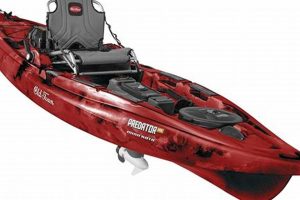
A hallmark of Jackson’s designs is the integration of angler-specific features. Rod holders, strategically placed and designed for various rod types, free up hands for other tasks. Built-in tackle storage compartments offer organized and readily accessible storage for lures, hooks, and other essential gear. These integrated features optimize the fishing experience, allowing anglers to focus on the task at hand.
- Ergonomics and Comfort for Extended Trips:
Recognizing the physical demands of kayak fishing, Jackson’s designs prioritize ergonomics and comfort. Adjustable seating systems accommodate diverse body types and preferences, enhancing long-term comfort and reducing fatigue during extended fishing trips. Footrests and thigh braces provide essential support and control, allowing anglers to maintain a stable and comfortable paddling position for hours on the water.
- Material Selection and Durability:
Material selection plays a crucial role in kayak durability and performance. Jackson’s designs often utilize high-quality, impact-resistant plastics or composites, ensuring longevity and resilience in demanding environments. These materials withstand impacts from rocks, logs, and other potential hazards, providing anglers with a reliable and durable platform for their fishing adventures.
These design innovations have significantly impacted the kayak fishing experience, making it more accessible, efficient, and enjoyable. The focus on stability, specialized features, comfort, and durability demonstrates a commitment to meeting the unique needs of anglers and pushing the boundaries of kayak design. Jackson’s influence continues to inspire and shape the future of fishing kayak development.
2. Performance Enhancement

Performance enhancement is a defining characteristic of specialized fishing kayaks often associated with Eric Jackson’s designs. These kayaks are engineered to optimize on-the-water performance, enabling anglers to navigate diverse environments effectively and maximize their fishing success.
Several key design elements contribute to enhanced performance. Hull designs optimized for stability provide a secure platform for casting and reeling, minimizing the risk of capsizing, especially in challenging conditions. Maneuverability is crucial for navigating tight spots, approaching fish-holding areas stealthily, and adjusting to changing currents or wind. Efficient tracking reduces paddling effort, conserving energy for extended fishing trips. Integrated features like rod holders and gear storage systems streamline fishing processes, allowing anglers to focus on the task at hand.
For example, a kayak designed for river fishing might feature a rockered hull for enhanced maneuverability in currents and rapids, along with strategically placed gear tracks for securing essential equipment. Conversely, a kayak intended for lake fishing might prioritize stability with a wider hull design, incorporating features like anchor trolleys and transducer mounts for stationary fishing. These performance-oriented features are often incorporated based on direct feedback from experienced anglers and extensive on-the-water testing.
Understanding the performance characteristics of a fishing kayak is essential for selecting the right vessel for specific fishing styles and environments. Analyzing design features such as hull shape, length, and width, alongside integrated features and material selection, enables informed decisions. This knowledge translates to a more efficient, comfortable, and ultimately, successful fishing experience. Selecting a kayak tailored to individual needs and intended use ensures optimized performance on the water.
3. Angler-centric features

A defining characteristic of kayaks associated with Eric Jackson is their emphasis on angler-centric features. These features are not mere add-ons but integral components of the kayak’s design, meticulously crafted to enhance fishing functionality and overall on-the-water experience. They represent a shift from adapting general-purpose kayaks for fishing to designing specialized vessels explicitly for angling.
Examples of angler-centric features include strategically placed rod holders designed to accommodate various rod types and fishing styles. Flush-mounted rod holders offer a streamlined profile, minimizing snag potential, while adjustable rod holders allow for customized positioning. Integrated tackle storage compartments provide organized and readily accessible storage for lures, hooks, and other essential gear, eliminating the need for external tackle boxes and maximizing deck space. These features are often complemented by gear tracks, allowing anglers to customize their setups with fish finders, GPS units, and other accessories. Dedicated storage wells or hatches accommodate larger items like tackle boxes, batteries, and safety equipment. Some designs incorporate live wells or bait tanks for keeping caught fish or bait fresh. These features reflect a deep understanding of angler needs and prioritize functionality and efficiency on the water.
The practical significance of angler-centric features extends beyond mere convenience. They contribute directly to improved fishing efficiency and safety. Hands-free rod storage allows anglers to focus on paddling, navigating, and other essential tasks. Organized tackle storage reduces time spent searching for gear, allowing anglers to maximize fishing time. Enhanced stability features contribute to angler safety, particularly in challenging conditions or when handling fish. The cumulative effect of these features transforms the kayak from a simple mode of transportation into a specialized fishing platform. This focus on angler-specific design has significantly impacted the evolution of kayak fishing, making it more accessible, efficient, and enjoyable for anglers of all skill levels.
4. Industry Influence

Eric Jackson’s influence on the kayak fishing industry extends beyond specific product designs. His contributions have shaped design trends, manufacturing processes, and the overall perception of the sport, leaving a lasting impact on how kayaks are conceived, built, and utilized for fishing.
- Design Innovation and Standardization:
Jackson’s designs often serve as benchmarks for innovation, influencing the adoption of features like specialized seating systems, integrated tackle storage, and strategically placed rod holders. His emphasis on stability and angler-centric design has driven industry-wide adoption of similar features, leading to a standardization of essential elements in modern fishing kayaks. This influence has raised the bar for kayak design and functionality across the industry.
- Manufacturing Processes and Material Selection:
Jackson Kayak’s manufacturing processes and material selection often reflect a commitment to quality and durability. The company’s focus on utilizing high-quality plastics and composites, combined with innovative manufacturing techniques, has influenced industry practices. Other manufacturers have adopted similar approaches, leading to improvements in kayak construction and material selection across the board. This focus on quality has enhanced the overall durability and longevity of fishing kayaks.
- Popularization and Growth of Kayak Fishing:
Jackson’s prominent role in competitive kayaking and his advocacy for the sport have significantly contributed to the popularization of kayak fishing. His media presence, instructional videos, and engagement with the angling community have broadened the sport’s appeal, attracting new participants and fostering a vibrant community of kayak anglers. This increased visibility has led to greater market demand and spurred further innovation within the industry.
- Focus on Safety and Education:
Jackson’s emphasis on safety and education has also influenced industry practices. His advocacy for proper safety equipment, including personal flotation devices (PFDs), and his promotion of responsible paddling techniques have contributed to a greater awareness of safety within the kayak fishing community. Many manufacturers now incorporate safety features into their designs and promote safe paddling practices, reflecting a growing industry-wide commitment to angler safety.
These facets of Jackson’s influence illustrate his significant contribution to the evolution of kayak fishing. His impact extends beyond individual product designs, shaping industry trends, manufacturing practices, and the overall perception of the sport. By driving innovation, promoting safety, and fostering a passionate community, Jackson has played a pivotal role in establishing kayak fishing as a respected and increasingly popular outdoor activity.
5. Paddling Community

A strong connection exists between the paddling community and the development and popularization of specialized fishing kayaks often associated with Eric Jackson. This connection goes beyond simple product endorsement; it represents a symbiotic relationship where the community’s needs and feedback influence design, while prominent figures like Jackson inspire and unite paddlers.
Jackson’s engagement with the paddling community fosters a sense of shared passion and drives innovation. He actively participates in events, gatherings, and online forums, directly interacting with kayakers, soliciting feedback, and understanding their needs. This direct engagement informs design choices, leading to kayaks that better address the practical requirements of anglers. The community, in turn, provides valuable real-world testing and feedback, contributing to the refinement and improvement of kayak designs. For example, feedback from experienced anglers regarding rod holder placement or storage solutions directly influences subsequent design iterations. This iterative process of feedback and refinement results in kayaks that are highly functional and tailored to the specific needs of the paddling community. Furthermore, Jackson’s influence extends to promoting safety and responsible paddling practices within the community. His advocacy for wearing personal flotation devices and adhering to Leave No Trace principles fosters a culture of safety and environmental awareness.
The practical significance of this interconnectedness lies in the continuous improvement of kayak design and the fostering of a supportive and informed paddling community. Kayakers benefit from products designed with their direct input, while manufacturers gain valuable insights for future development. This reciprocal relationship strengthens the paddling community, promotes skill development, and encourages shared experiences on the water. Challenges remain in ensuring accessibility and inclusivity within the paddling community, but the collaborative spirit fostered by figures like Jackson contributes to addressing these challenges and building a stronger, more diverse community of paddlers.
Frequently Asked Questions
This section addresses common inquiries regarding kayaks designed for fishing, offering concise and informative responses.
Question 1: What differentiates a fishing kayak from a recreational kayak?
Fishing kayaks typically incorporate specialized features like rod holders, tackle storage, and enhanced stability for angling activities. Recreational kayaks prioritize versatility and ease of paddling for general use.
Question 2: How important is kayak stability for fishing?
Stability is paramount for fishing kayaks. It allows anglers to cast, reel, and land fish without compromising balance, particularly in challenging conditions or when handling larger fish. Wider hulls generally offer enhanced stability.
Question 3: What are essential safety considerations for kayak fishing?
Wearing a personal flotation device (PFD) is crucial. Informing someone of fishing plans, carrying a signaling device, and understanding self-rescue techniques are also essential safety precautions.
Question 4: How does hull design impact kayak fishing performance?
Hull design significantly influences stability, maneuverability, and tracking. Wider hulls enhance stability, while longer kayaks generally track more efficiently in open water. Shorter kayaks with rockered hulls excel in maneuverability within tighter spaces and moving water.
Question 5: What factors should be considered when choosing a fishing kayak paddle?
Paddle length should be appropriate for the paddler’s height and the kayak’s width. Blade shape and material impact paddling efficiency and durability. Lightweight paddles reduce fatigue during extended trips.
Question 6: Are there specific regulations or licensing requirements for kayak fishing?
Regulations vary by location. Anglers should consult local authorities regarding fishing licenses, permitted species, catch limits, and any specific regulations pertaining to kayak fishing in designated areas.
Careful consideration of these factors enhances safety and enjoyment on the water.
This FAQ section serves as an introductory guide. Further research and consultation with experienced anglers or retailers are recommended for comprehensive preparation.
Conclusion
Specialized fishing kayaks, often associated with influential figures like Eric Jackson, represent a significant advancement in angling. These purpose-built vessels prioritize stability, maneuverability, and angler-centric features, enhancing both fishing effectiveness and overall on-the-water experience. Key design elements, including hull shape, integrated storage solutions, and specialized seating systems, contribute to improved performance and comfort. The evolution of these kayaks reflects a deep understanding of angler needs and a commitment to innovation within the paddling community.
The ongoing development of fishing kayak technology promises further enhancements in performance, comfort, and sustainability. Continued exploration of advanced materials, innovative hull designs, and integrated technologies will likely shape the future of the sport. This evolution underscores the dynamic nature of kayak fishing and its increasing popularity among outdoor enthusiasts seeking a closer connection with aquatic environments.