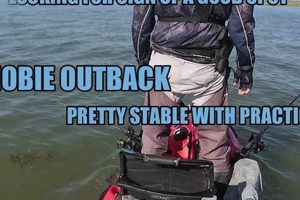
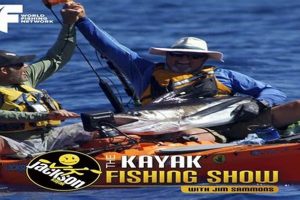
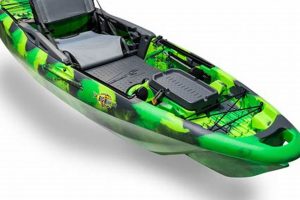
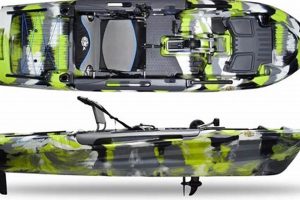
This pursuit involves angling for cod from a kayak. It combines the challenge and reward of fishing for a powerful, sought-after species with the unique access and maneuverability afforded by this small vessel type. Imagine navigating coastal waters, feeling the ocean’s rhythm, and engaging in a thrilling battle with a prized fish all from the intimate perspective of a kayak.
The accessibility of this fishing method is a significant advantage. Kayaks allow anglers to reach shallow, secluded areas inaccessible to larger boats, often prime habitats for cod. This approach promotes a closer connection with nature and offers a physically engaging and rewarding experience. Historically, smaller boats and human-powered craft played a vital role in coastal fishing communities, demonstrating the enduring practicality of this method. The modern evolution with purpose-built fishing kayaks enhances the efficiency and enjoyment of this classic pursuit.
Further exploration will cover essential equipment, effective techniques, ideal locations, and responsible fishing practices. This information will equip enthusiasts with the knowledge to embrace this dynamic and exciting angling method safely and successfully.
Tips for Successful Cod Fishing from a Kayak
Careful planning and execution are crucial for a productive and enjoyable experience. These tips offer valuable insights into maximizing success and safety on the water.
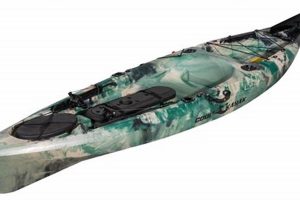
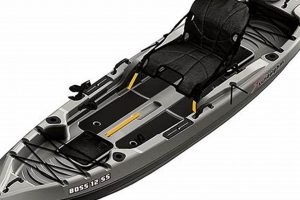
Tip 1: Choose the Right Kayak: A stable and maneuverable kayak designed for fishing is essential. Sit-on-top models offer greater stability and ease of re-entry if capsized. Consider models with ample storage for gear and accessories.
Tip 2: Utilize Appropriate Tackle: Medium-heavy rods and reels spooled with braided line are recommended for handling powerful cod. Jigs, soft plastics, and live bait are effective lures. A fish finder can significantly improve the odds of locating fish.
Tip 3: Prioritize Safety: Always wear a personal flotation device (PFD). Carry a VHF radio, a signaling device, and a first-aid kit. Check weather conditions before departure and inform someone of your plans.
Tip 4: Understand Tidal Currents: Cod behavior is influenced by tides. Fishing during slack tide or when the current is moving slowly can improve success. Consult tide charts and plan accordingly.
Tip 5: Employ Effective Drifting Techniques: Drifting with the current allows anglers to cover a wider area. Use a drift sock or anchor to control speed and maintain position over promising areas.
Tip 6: Handle Fish Carefully: Use appropriate tools, such as lip grips and dehookers, to minimize stress on the fish. Practice catch and release techniques whenever possible to conserve cod populations.
Tip 7: Respect Local Regulations: Familiarize oneself with local fishing regulations, including size limits, catch quotas, and permitted fishing areas.
By adhering to these guidelines, anglers can significantly improve their chances of a successful and safe fishing trip while contributing to the conservation of this valuable species.
Applying these principles promotes a rewarding and sustainable approach to this exciting angling method.
1. Stable Kayak Platform

A stable kayak platform is fundamental to successful cod fishing from a kayak. Stability directly impacts an angler’s ability to cast accurately, fight fish effectively, and perform essential tasks like landing and handling fish safely. A lack of stability can compromise safety, particularly in challenging conditions such as rough seas or strong currents. Imagine attempting to hook a powerful cod while simultaneously managing an unstable kayak; the consequences could range from a missed opportunity to a potentially dangerous situation. A wider, purpose-built fishing kayak provides a more stable platform compared to a narrow recreational kayak, allowing the angler to focus on fishing rather than maintaining balance.
The connection between stability and angling success is evident in various scenarios. Consider the act of setting the hook when a cod strikes. A stable platform allows for a firm, controlled hookset, increasing the likelihood of a secure connection. Conversely, an unstable kayak can lead to a weak hookset or even a complete miss. Furthermore, a stable platform enhances comfort and reduces fatigue, allowing anglers to fish longer and more effectively. For example, an angler fishing from a stable sit-on-top kayak can easily shift weight and adjust position while fighting a fish, maximizing leverage and control. This is particularly important when battling larger cod, which are known for their strength and tenacity.
In conclusion, a stable kayak platform is not merely a desirable feature but a critical component of successful and safe kayak cod fishing. It directly influences angling effectiveness and enhances the overall experience. Prioritizing stability when selecting a kayak for cod fishing contributes significantly to positive outcomes on the water. Choosing a kayak designed specifically for fishing, understanding its stability limits, and practicing proper weight distribution within the kayak are essential steps for maximizing safety and success.
2. Targeted Location Selection

Targeted location selection is paramount for successful kayak cod fishing. Cod exhibit specific habitat preferences, and understanding these preferences significantly influences catch rates. Factors such as water depth, temperature, bottom structure, and prey availability dictate cod distribution. Anglers who invest time in researching and identifying productive locations hold a distinct advantage. For instance, focusing efforts near underwater structures like reefs, wrecks, or rock piles, which provide shelter and attract prey, often yields better results than fishing in open, featureless areas. Similarly, understanding seasonal cod movements and targeting areas where cod congregate during specific times of the year, such as spawning grounds or feeding areas, maximizes fishing success. Choosing a location randomly, without considering these factors, reduces the probability of encountering cod.
The practical significance of targeted location selection extends beyond simply increasing catch rates. It also contributes to responsible fishing practices. By focusing efforts on known cod habitats, anglers minimize the impact on other species and habitats. For example, avoiding areas with sensitive seagrass beds or known spawning grounds for other species helps protect these vulnerable ecosystems. Furthermore, understanding cod behavior and habitat preferences allows anglers to employ more effective fishing techniques. If cod are known to congregate near the bottom in a specific location, using bottom fishing rigs or jigs becomes a more productive strategy than trolling or topwater fishing. This targeted approach not only improves efficiency but also reduces bycatch and minimizes disturbance to non-target species.
In summary, targeted location selection represents a critical element of effective kayak cod fishing. It directly influences catch success, promotes responsible fishing practices, and enhances overall angling efficiency. Combining thorough research with on-the-water observation and adapting to changing conditions empowers anglers to maximize their chances of success while minimizing environmental impact. Understanding the interplay between cod behavior, habitat preferences, and location choice forms the cornerstone of a productive and sustainable approach to this rewarding pursuit.
3. Effective Tackle and Bait

Effective tackle and bait selection are integral to successful kayak cod fishing. Cod, being opportunistic feeders, respond to various offerings, but specific choices significantly influence catch rates. The interplay between tackle and bait must align with the targeted cod’s size, the fishing environment, and prevailing conditions. For instance, heavier tackle, including robust rods and reels spooled with braided line, becomes necessary when targeting larger cod in deeper water or strong currents. Conversely, lighter tackle offers greater sensitivity and sport when pursuing smaller cod in shallower, calmer environments. Bait choices also play a crucial role. While cod readily take artificial lures like jigs and soft plastics, live or fresh-cut bait, such as clams, squid, or herring, often proves irresistible, particularly in challenging conditions or when targeting larger specimens. The selection process involves a strategic balance between attracting the target species and effectively managing the fishing environment from a kayak platform.
Matching tackle and bait to specific conditions enhances angling effectiveness. Consider fishing in deeper water with strong currents. A heavier jig, paired with a stouter rod and high-visibility braided line, allows anglers to maintain bottom contact, detect subtle bites, and effectively set the hook against the current’s resistance. In contrast, fishing in shallow, calmer waters might necessitate a lighter jig and a more sensitive rod, enabling better presentation of finesse baits and detection of lighter bites. The practical implications of these choices become apparent when considering the limited space and mobility inherent in kayak fishing. Efficient tackle management minimizes tangles and maximizes fishing time, while appropriate bait presentation increases the likelihood of enticing a strike. Moreover, understanding the relationship between tackle, bait, and targeted cod size ensures a balanced and sporting fight, minimizing the risk of lost fish or damaged equipment.
In conclusion, effective tackle and bait selection are critical components of successful kayak cod fishing. The strategic alignment of these elements with target species, environmental conditions, and the unique constraints of kayak fishing directly impacts catch rates and overall angling success. A nuanced understanding of cod behavior, feeding patterns, and habitat preferences, combined with appropriate tackle and bait choices, empowers anglers to maximize their potential on the water. This informed approach elevates kayak cod fishing from a simple pursuit to a dynamic and rewarding angling experience.
4. Safe Handling Practices

Safe handling practices are essential for responsible kayak cod fishing, ensuring both angler well-being and the conservation of the targeted species. These practices encompass a range of techniques and considerations that minimize risks and promote ethical treatment of fish. From proper equipment usage to careful fish handling and release procedures, prioritizing safety and conservation ensures a sustainable and rewarding angling experience.
- Proper Equipment Usage
Appropriate equipment, including lip grips, dehookers, and cutting tools, facilitates safe and efficient fish handling. Lip grips provide a secure hold without causing excessive harm, allowing anglers to control the fish while removing the hook. Dehookers, particularly those with long handles, minimize the need to directly handle the fish, reducing stress and potential injury to both angler and cod. Sharp cutting tools allow for quick and clean line cutting if necessary. For instance, a deeply hooked fish can be released more quickly and with less trauma by cutting the line close to the hook rather than attempting a prolonged removal. Utilizing these tools minimizes handling time and promotes efficient catch-and-release practices, crucial for conserving cod populations.
- Minimizing Air Exposure
Minimizing air exposure is crucial for cod survival, especially in warmer water temperatures. Cod, like many fish species, rely on gills for oxygen uptake, and prolonged air exposure can damage delicate gill filaments. Supporting the fish’s weight during handling and minimizing the time it spends out of the water reduces stress and improves its chances of survival upon release. For example, using a wetted landing net or supporting the fish horizontally in the water while removing the hook minimizes air exposure and handling stress. This practice is particularly important for larger cod, which are more susceptible to the negative effects of air exposure.
- Secure Kayak Positioning
Secure kayak positioning is paramount for safe fish handling. A stable kayak platform allows anglers to focus on handling the fish without compromising balance or safety. Utilizing anchoring systems or drift socks helps maintain position and control, particularly in currents or windy conditions. Imagine attempting to land a large cod while simultaneously managing an unstable kayak; the risk of capsizing or injury to both angler and fish increases significantly. A stable kayak provides a secure platform for controlled fish handling, enhancing safety and minimizing stress on the fish.
- Appropriate Hook Removal
Appropriate hook removal techniques minimize injury to the fish and facilitate a quick release. Using barbless hooks or crushing barbs on existing hooks simplifies hook removal and reduces tissue damage. Circle hooks, designed to hook in the corner of the fish’s mouth, further minimize injury and mortality. For example, a circle hook often lodges securely in the corner of the cod’s jaw, allowing for easier removal than a J-hook, which can become embedded deeper in the throat or gills. Proper hook removal techniques, coupled with efficient handling, minimize stress and contribute to the long-term health of cod populations.
These interconnected practices, when implemented collectively, create a safe and sustainable approach to kayak cod fishing. By prioritizing both angler safety and fish welfare, these handling techniques contribute to the conservation of cod populations and ensure the long-term viability of this rewarding recreational pursuit. The combination of proper equipment usage, minimizing air exposure, secure kayak positioning, and appropriate hook removal techniques exemplifies a responsible and ethical approach to kayak cod fishing, fostering a balance between angling enjoyment and resource conservation.
5. Respectful Resource Management
Respectful resource management forms the cornerstone of sustainable kayak cod fishing. It acknowledges the interconnectedness between angling activities and the long-term health of cod populations and their surrounding ecosystems. This approach emphasizes responsible fishing practices that minimize environmental impact and ensure the viability of cod fisheries for future generations. Understanding the principles of respectful resource management and incorporating them into kayak cod fishing practices is crucial for preserving this valuable resource.
- Adherence to Regulations
Adherence to fishing regulations, including size limits, catch quotas, and seasonal closures, represents a fundamental aspect of respectful resource management. These regulations, often based on scientific data and stock assessments, aim to maintain healthy cod populations by protecting breeding stock and preventing overfishing. Ignoring these regulations undermines conservation efforts and jeopardizes the long-term sustainability of the fishery. For example, exceeding catch limits removes more fish than the population can sustainably replace, potentially leading to declines in cod abundance. Similarly, harvesting undersized fish removes individuals before they reach reproductive maturity, impacting future recruitment and population growth. Respecting these regulations demonstrates a commitment to responsible resource management and contributes to the long-term health of cod populations.
- Minimizing Bycatch
Minimizing bycatchthe unintentional capture of non-target speciesrepresents a key element of respectful resource management in kayak cod fishing. Bycatch can negatively impact other marine species, including vulnerable or endangered populations. Utilizing selective fishing gear and techniques reduces bycatch and minimizes unintended ecological consequences. For example, using circle hooks, which are less likely to be swallowed by fish, can decrease bycatch mortality compared to traditional J-hooks. Similarly, selecting bait and lures appropriate for the target species reduces the likelihood of attracting non-target fish. Careful consideration of fishing location and timing can also minimize bycatch. Avoiding areas with known aggregations of non-target species, such as spawning grounds or nursery habitats, helps protect these populations from incidental capture.
- Habitat Protection
Protecting essential cod habitat contributes significantly to respectful resource management. Cod rely on specific habitats for breeding, feeding, and shelter, and these habitats often overlap with sensitive ecosystems. Avoiding anchoring in seagrass beds or coral reefs, which serve as critical nursery grounds for various marine species, minimizes physical damage to these fragile environments. Practicing catch-and-release techniques in areas known for juvenile cod or other vulnerable species further protects these populations from fishing pressure. Furthermore, minimizing disturbance to the seabed by avoiding dragging anchors or fishing gear over sensitive areas helps preserve the structural complexity of the habitat, which is essential for cod and other marine life. Respectful interaction with the marine environment safeguards essential habitats and contributes to the long-term health of cod populations.
- Responsible Waste Disposal
Responsible waste disposal plays a crucial role in respectful resource management during kayak cod fishing. Discarded fishing line, hooks, and other debris pose significant threats to marine life, including entanglement, ingestion, and habitat degradation. Properly disposing of all fishing-related waste, including bringing trash back to shore for disposal, minimizes these risks. Furthermore, retrieving lost fishing gear, if possible, prevents continued entanglement hazards for marine animals. Adopting a “leave no trace” ethic extends beyond fishing-related waste. Disposing of all trash responsibly, including food wrappers and plastic bottles, helps maintain the cleanliness and health of the marine environment. This commitment to responsible waste disposal demonstrates respect for the ecosystem and contributes to the overall health and sustainability of the marine environment.
These interconnected facets of respectful resource management, when practiced collectively, foster a sustainable approach to kayak cod fishing. By prioritizing conservation principles alongside angling enjoyment, kayak anglers contribute to the long-term health of cod populations and the marine ecosystems they inhabit. This mindful approach ensures that future generations can continue to enjoy the rewards of this unique and engaging fishing experience. Integrating these practices into every fishing trip underscores a commitment to responsible stewardship and exemplifies the true spirit of sportsmanship within the kayak cod fishing community.
Frequently Asked Questions
This section addresses common inquiries regarding kayak cod fishing, providing concise and informative responses.
Question 1: What type of kayak is best suited for cod fishing?
Sit-on-top kayaks are generally preferred for their stability, ease of re-entry after a capsize, and ample storage for fishing gear.
Question 2: What essential safety equipment is recommended?
Essential safety equipment includes a personal flotation device (PFD), a VHF radio, a signaling device (whistle or flare), a first-aid kit, and navigation lights if fishing at night or in low visibility conditions.
Question 3: What fishing tackle is most effective for cod?
Medium-heavy rods and reels spooled with braided line are recommended. Effective lures include jigs, soft plastics, and natural baits such as clams, squid, or herring.
Question 4: How does tidal current influence cod fishing success?
Cod behavior is often influenced by tidal currents. Fishing during slack tide or periods of slower current can improve catch rates. Understanding local tidal patterns is crucial.
Question 5: What are effective techniques for locating cod from a kayak?
Utilizing a fish finder can help identify promising areas with suitable bottom structure. Drifting techniques, combined with knowledge of local cod habitats, can be highly effective.
Question 6: What are the best practices for handling and releasing cod?
Minimizing air exposure, using appropriate tools like lip grips and dehookers, and supporting the fish’s weight during handling contribute to its survival upon release. Practicing catch and release whenever possible promotes sustainable cod populations.
Careful consideration of these frequently asked questions enhances preparedness, promotes safety, and contributes to a more informed and successful kayak cod fishing experience.
For further detailed information on specific aspects of kayak cod fishing, please consult additional resources or experienced anglers.
Kayak Cod Fishing
This exploration of kayak cod fishing has highlighted the multifaceted nature of this pursuit. From the selection of appropriate equipment and the understanding of cod behavior and habitat preferences to the implementation of safe handling practices and the importance of respectful resource management, each aspect contributes significantly to a successful and sustainable angling experience. The synergy between angler knowledge, skill, and ethical conduct defines the essence of this dynamic fishing method.
Kayak cod fishing offers a unique opportunity to connect with the marine environment while engaging in a challenging and rewarding pursuit. Continued learning, responsible angling practices, and a commitment to conservation will ensure the longevity of this exhilarating sport and the health of cod populations for generations to come. The future of kayak cod fishing rests upon the collective responsibility of those who embrace this dynamic and engaging pursuit.