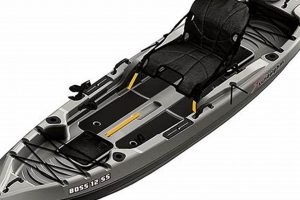
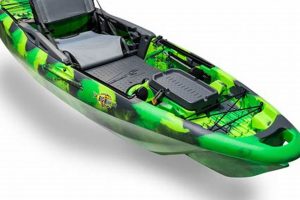
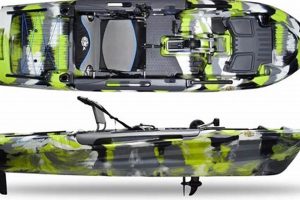
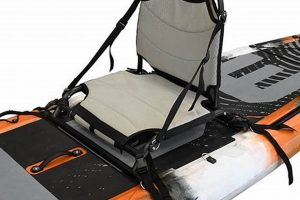
Affordable, often sale-priced, kayaks designed specifically for angling represent an accessible entry point into the sport of kayak fishing. These vessels typically offer essential features like rod holders, storage compartments, and comfortable seating at a lower price point than premium models. An example would be a sit-on-top kayak with two flush-mounted rod holders and a rear storage well, offered at a reduced price due to being a previous year’s model or part of a clearance sale.
Lowering the financial barrier to entry expands participation in kayak fishing, allowing more individuals to experience the unique combination of angling and on-the-water adventure. This affordability can be particularly beneficial for newcomers exploring the sport or those on a budget. Historically, specialized fishing kayaks commanded premium prices, limiting accessibility. The rise of competitive manufacturing and broader market demand has led to increased availability of lower-cost options, fostering wider adoption of this popular activity.
The subsequent sections will explore key considerations when selecting an affordable fishing kayak, encompassing factors such as hull design, features, materials, and manufacturer reputation. Guidance on finding reputable retailers and evaluating potential trade-offs between price and performance will also be provided.
Tips for Acquiring Affordable Fishing Kayaks
Obtaining a suitable fishing kayak at a reduced price requires careful consideration of several factors. The following tips offer guidance for navigating the market effectively.
Tip 1: Research Thoroughly: Comprehensive research is paramount. Comparison shopping across various retailers, both online and brick-and-mortar, helps identify the best available deals. Examining product specifications, user reviews, and expert opinions informs purchasing decisions.
Tip 2: Consider Previous Year’s Models: Often, older models offer comparable performance at significantly lower prices. Retailers frequently discount prior-year inventory to make way for newer stock, presenting opportunities for savings.
Tip 3: Explore Clearance Sales: Retailers periodically hold clearance sales to liquidate excess inventory. These sales can yield substantial discounts on kayaks, including fishing-specific models.
Tip 4: Evaluate Display Models: Floor models in physical stores may be available at reduced prices due to minor cosmetic imperfections or handling. Careful inspection is necessary, but significant savings can be realized.
Tip 5: Consider Used Kayaks: The used market can offer substantial savings. However, meticulous inspection for damage, wear, and proper functionality is crucial before purchasing a pre-owned kayak.
Tip 6: Prioritize Essential Features: Focus on necessary features like rod holders, storage compartments, and a comfortable seat. Avoid premium features that inflate the price but may not be essential for the intended fishing style.
Tip 7: Factor in Accessories: Remember to budget for essential accessories like paddles, life vests, and anchors. These costs can add up, so factoring them into the overall budget is crucial.
By following these tips, individuals can locate well-equipped fishing kayaks at prices that align with budgetary constraints. Smart purchasing decisions maximize value and enhance on-the-water experiences.
This information equips prospective buyers to navigate the market confidently, secure optimal value, and embark on their kayak fishing adventures fully prepared.
1. Sales

Sales events represent a primary opportunity to acquire discounted fishing kayaks. Understanding the various types of sales and their implications empowers informed purchasing decisions and maximizes savings potential.
- Seasonal Sales
Retailers often offer discounts aligned with specific seasons. End-of-season sales, for example, present opportunities to purchase current-year models at reduced prices as retailers clear inventory for incoming stock. Similarly, pre-season sales can offer discounts on upcoming models to stimulate early purchases. For kayak anglers, end-of-summer sales can provide excellent opportunities to acquire discounted fishing kayaks.
- Holiday Sales
Major holidays frequently trigger promotional events with significant discounts. Black Friday, Cyber Monday, and holiday weekend sales can present substantial price reductions on a wide range of products, including fishing kayaks. Careful planning and timely action during these sales periods can yield substantial savings.
- Clearance Sales
Clearance sales typically involve deep discounts on discontinued models, excess inventory, or returned items. While options might be limited, clearance sales offer substantial savings for buyers less concerned with having the latest model. These opportunities allow anglers to acquire functional, well-equipped fishing kayaks at significantly reduced prices.
- Promotional Sales
Retailers may implement promotional sales tied to specific events, such as anniversaries or new product launches. These sales often involve discounts on select items, potentially including fishing kayaks. Staying informed about retailer promotions and upcoming events can lead to unexpected savings opportunities.
Strategic purchasing during sales events significantly reduces the financial burden associated with acquiring a fishing kayak. By understanding the timing and nature of various sales, prospective buyers can maximize their purchasing power and obtain a well-equipped vessel at a fraction of the standard retail price. This allows for increased accessibility to the sport and enhances the overall experience by freeing up funds for other essential gear and accessories.
2. Clearance Items

Clearance items represent a significant avenue for acquiring discount fishing kayaks. These kayaks, often marked down substantially, provide budget-conscious buyers with opportunities to obtain quality vessels at reduced prices. Understanding the various categories within clearance items allows for strategic purchasing and informed decision-making.
- Discontinued Models
Kayak manufacturers regularly update their product lines, leading to discontinued models. Retailers often clear out these older models at significantly reduced prices to make room for newer inventory. While discontinued, these kayaks often remain perfectly functional and suitable for various fishing applications. Examining specifications and reviews ensures the discontinued model meets specific angling needs.
- Factory Seconds
Factory seconds are kayaks with minor cosmetic imperfections, such as scratches or blemishes, that do not affect performance. These imperfections occur during manufacturing or shipping. Retailers offer these kayaks at discounted prices, providing cost-effective options for buyers who prioritize function over flawless aesthetics. Careful inspection ensures the imperfections are purely cosmetic and do not compromise structural integrity.
- Returned Merchandise
Returned kayaks, often unused or minimally used, represent another source of potential discounts. Returns may occur due to customer changes of mind, sizing issues, or minor defects. Thorough inspection is critical to ensure the returned kayak is in good working order and free of significant damage. Retailers typically offer these kayaks at discounted prices, providing budget-conscious buyers with access to nearly-new vessels.
- Overstock Items
Occasionally, retailers overestimate demand for specific kayak models, resulting in excess inventory. To clear this overstock, retailers implement price reductions, creating opportunities for buyers to acquire current models at discounted rates. Overstock kayaks are typically new and undamaged, presenting excellent value for astute shoppers.
Leveraging clearance sales provides anglers with a viable pathway to acquiring well-equipped fishing kayaks without exceeding budgetary constraints. Careful consideration of the various clearance categories, coupled with thorough product inspection, empowers informed decisions and maximizes the potential for significant cost savings. This approach expands access to the sport and enables more individuals to experience the joys of kayak fishing.
3. Used Kayaks

The used kayak market represents a significant source of discount fishing kayaks. Procuring a pre-owned vessel often yields substantial cost savings compared to purchasing new. This connection stems from the depreciation inherent in most consumer goods, including kayaks. Once purchased and used, a kayak’s resale value typically decreases, creating an opportunity for budget-conscious buyers. For example, an angler upgrading to a higher-end model might sell a perfectly functional fishing kayak at a significantly reduced price, providing a cost-effective entry point for another individual. The availability of used kayaks expands access to the sport by lowering the financial barrier to entry.
Several factors influence pricing within the used kayak market. Condition plays a crucial role, with well-maintained kayaks commanding higher prices than those exhibiting significant wear and tear. Age also contributes to price variations, with older models generally fetching lower prices. Included accessories, such as paddles, life vests, and rod holders, can influence a used kayak’s value. Understanding these factors allows prospective buyers to evaluate the fairness of asking prices and negotiate effectively. Furthermore, purchasing a used kayak allows anglers to allocate more of their budget towards essential fishing gear and accessories.
While the used market offers compelling opportunities for savings, careful inspection remains paramount. Assessing a used kayak for structural integrity, including checking for cracks, dents, and repairs, is crucial. Evaluating the condition of hardware, such as hatches, rudders, and seating systems, ensures proper functionality. Testing the kayak on the water, if possible, provides valuable insights into its performance and stability. Diligent inspection and evaluation mitigate the risks associated with purchasing used equipment. This informed approach enables anglers to acquire reliable, discounted fishing kayaks while minimizing potential pitfalls.
4. Previous-Year Models

Previous-year models represent a significant source of discount fishing kayaks. Manufacturers introduce new models annually, often featuring incremental updates or cosmetic changes. Retailers then seek to clear inventory of prior-year models, creating opportunities for consumers to acquire perfectly functional kayaks at reduced prices. This practice benefits budget-conscious anglers seeking value without compromising core features.
- Depreciation
The introduction of newer models triggers depreciation of previous-year kayaks. Retailers discount older stock to stimulate sales and make room for incoming inventory. This depreciation cycle allows anglers to acquire comparable performance and features at a lower price point. For example, a previous-year fishing kayak with identical specifications to the current model, except for a new color scheme, might be discounted significantly.
- Availability
Previous-year models often remain readily available, particularly during the initial launch phase of newer versions. This availability provides ample selection for consumers. Anglers can compare features, colors, and prices across multiple retailers to secure the best possible deal. This wide selection contrasts with the limited availability sometimes experienced with newly released kayaks.
- Proven Performance
Previous-year models benefit from established track records. User reviews, online forums, and expert evaluations provide valuable insights into a kayak’s performance, stability, and durability. This wealth of information allows buyers to make informed decisions based on real-world experiences. This contrasts with newer models where long-term performance data might be limited.
- Feature Comparison
Comparing features between previous-year models and current offerings often reveals minimal differences. Manufacturers typically focus on incremental improvements rather than radical overhauls. This allows anglers to acquire a feature-rich kayak at a discounted price by opting for the previous year’s version. For instance, the core features of a fishing kayak, such as rod holders, storage compartments, and hull design, might remain unchanged between model years, while cosmetic updates justify a higher price for the newer version.
Acquiring a previous-year model offers anglers a strategic pathway to obtaining a well-equipped fishing kayak at a reduced price. Understanding the factors driving these discounts empowers informed decisions, maximizing value and expanding access to the sport. This approach allows budget-conscious buyers to prioritize essential features and on-the-water performance without overspending.
5. Demo Models

Demo model kayaks, utilized by retailers for customer demonstrations and displays, frequently become available for purchase at discounted prices. This presents a valuable opportunity for acquiring a fishing kayak at a reduced cost. These kayaks offer potential buyers the advantage of physically inspecting and often testing a model before committing to a purchase. Understanding the nuances of demo models contributes to informed decisions and successful acquisitions.
- Wear and Tear
Demo models experience varying degrees of wear and tear due to handling, transportation, and on-water demonstrations. Minor scratches, scuffs, and faded colors are common. Retailers typically disclose the condition of demo models and adjust pricing accordingly. Careful inspection during purchase ensures transparency and allows buyers to assess the extent of any cosmetic imperfections. For example, a demo kayak used extensively for on-water demonstrations might exhibit more pronounced wear on the hull compared to one primarily displayed in-store.
- Limited Availability
The availability of demo model fishing kayaks is inherently limited. Retailers typically maintain a small number of each model for demonstration purposes. This scarcity requires proactive monitoring and decisive action when a desired model becomes available. Contacting retailers directly or subscribing to email alerts can improve the chances of securing a demo model. Geographic location also influences availability, with larger retailers or those specializing in watersports offering a broader selection.
- Warranty Coverage
Warranty coverage for demo models often differs from that of new kayaks. Retailers may offer a reduced warranty period or exclude certain components from coverage. Understanding the specific warranty terms associated with a demo model is crucial before purchase. Comparing these terms with the warranty offered on a new kayak allows buyers to weigh the potential cost savings against potential repair expenses.
- Pricing Strategies
Retailers employ various pricing strategies for demo model kayaks. Discounted percentages may depend on factors like the kayak’s age, condition, and overall demand. Negotiating the price, especially if minor cosmetic imperfections exist, can further reduce the final cost. Researching comparable models online provides a benchmark for assessing the fairness of the offered price. Seasonal factors also influence pricing, with greater discounts potentially available during clearance periods or end-of-season sales.
Acquiring a demo model fishing kayak provides a viable path to ownership at a reduced cost. Careful consideration of factors like wear and tear, warranty coverage, and pricing strategies empowers informed purchase decisions. Balancing potential cost savings against the limitations of demo models ensures angler satisfaction and facilitates access to this popular watersport.
6. Budgeting

Budgeting plays a crucial role in acquiring discount fishing kayaks, enabling cost-effective participation in the sport. A well-defined budget provides a framework for navigating the various options available, ensuring informed decisions without overspending. Financial planning facilitates access to suitable equipment while maximizing value and enhancing the overall fishing experience.
- Setting a Realistic Budget
Establishing a realistic budget forms the foundation of the purchasing process. Factors such as available funds, desired features, and accessory requirements influence the budget’s scope. A clearly defined budget prevents impulse purchases and guides decision-making towards affordable options. For example, a budget of $500 might necessitate exploring used kayaks or previous-year models rather than top-of-the-line new releases.
- Researching Price Ranges
Thorough research into the prevailing price ranges for fishing kayaks informs budget allocation. Understanding the typical costs associated with different kayak types, materials, and features allows for realistic budget setting. This knowledge empowers consumers to identify potential deals and avoid overpaying. Comparing prices across various retailers, both online and brick-and-mortar, ensures competitiveness.
- Prioritizing Essential Features
Budget constraints often necessitate prioritizing essential features over premium add-ons. Identifying must-have features, such as rod holders, storage capacity, and comfortable seating, versus desirable but non-essential features like advanced electronics or specialized hull designs, optimizes value within budgetary limitations. This prioritization ensures acquisition of a functional fishing platform without exceeding financial constraints.
- Allocating Funds for Accessories
A comprehensive budget includes allocations for essential accessories beyond the kayak itself. Paddles, life vests, anchors, and fishing gear contribute significantly to the overall cost. Factoring these expenses into the budget prevents unexpected financial strain and ensures preparedness for on-the-water excursions. For instance, a lower-priced kayak might require purchasing higher-quality paddles or a more comfortable seat, impacting the overall budget.
Effective budgeting empowers anglers to navigate the market for discount fishing kayaks strategically. By setting realistic financial parameters, researching price ranges, prioritizing essential features, and allocating funds for accessories, buyers maximize their purchasing power and enhance their on-the-water experiences. This disciplined approach facilitates access to the sport while ensuring financial responsibility.
7. Feature Prioritization

Feature prioritization plays a crucial role in acquiring discount fishing kayaks. Budget constraints often necessitate careful consideration of which features are essential versus desirable. Prioritizing needs over wants allows anglers to maximize value within their budget, ensuring a functional and enjoyable on-the-water experience without overspending.
- Essential Features
Essential features directly impact a kayak’s core functionality for fishing. These include rod holders, storage compartments for tackle and gear, and a comfortable, stable seating system. Prioritizing these core elements ensures the kayak serves its primary purpose effectively. For example, a kayak with insufficient rod holders might hinder an angler’s ability to manage multiple lines, impacting fishing success. Similarly, inadequate storage can limit the amount of gear carried, compromising preparedness.
- Desirable Features
Desirable features enhance the fishing experience but are not strictly necessary for functionality. These might include advanced electronics like fish finders, GPS systems, or premium seating with enhanced adjustability. While beneficial, these features often increase cost. Budget-conscious anglers might forgo these extras initially, focusing on essential functionality and potentially adding desirable features later through upgrades or aftermarket purchases.
- Material and Construction
Kayak materials and construction influence durability, performance, and price. Lower-priced kayaks might utilize less expensive materials like high-density polyethylene (HDPE), while premium models incorporate lighter, more durable materials like fiberglass or carbon fiber. Prioritizing durability over weight savings might lead to selecting a more affordable HDPE kayak suitable for calmer waters, while anglers prioritizing performance might opt for lighter, albeit more expensive, materials despite budgetary constraints if performance gains outweigh cost considerations.
- Brand and Reputation
Brand reputation and warranty coverage factor into purchasing decisions, even within a budget-conscious approach. Established brands often command higher prices due to perceived quality and comprehensive warranties. However, lesser-known brands might offer comparable quality and features at lower price points. Researching various brands, considering user reviews, and comparing warranty terms empowers informed decisions that balance cost and perceived reliability. Prioritizing a longer warranty might justify a slightly higher initial investment, offering long-term value and peace of mind.
Effective feature prioritization enables anglers to acquire discount fishing kayaks that meet their core needs without exceeding budgetary limitations. Distinguishing between essential and desirable features, considering material and construction trade-offs, and evaluating brand reputations allows for informed decisions that maximize value and enhance the overall fishing experience.
Frequently Asked Questions
This section addresses common inquiries regarding the acquisition of discount fishing kayaks, providing clarity and guidance for prospective buyers.
Question 1: Do discounted fishing kayaks compromise quality?
Not necessarily. Discounts often stem from factors like discontinued models, clearance sales, or previous-year inventory. These kayaks frequently offer comparable quality and functionality to newer models at reduced prices. Thorough inspection and research remain crucial regardless of price.
Question 2: Where can one find reputable retailers offering discounts?
Reputable retailers, both online and brick-and-mortar, periodically offer discounts through sales events, clearance sections, or demo model offerings. Checking local retailers, specialized online marketplaces, and manufacturer websites often yields potential savings opportunities. Comparing prices and researching retailer reputations is advisable.
Question 3: What essential features should be prioritized when seeking a discount fishing kayak?
Prioritize essential features like rod holders, storage compartments, and a comfortable seating system. These directly impact functionality and on-the-water performance. Premium features, like advanced electronics, can be added later if budget allows.
Question 4: Are warranties typically offered on discounted fishing kayaks?
Warranty coverage varies depending on the retailer and the kayak’s origin. New kayaks, even discounted ones, usually carry manufacturer warranties. Used or demo models might have limited or no warranty coverage. Confirming warranty details before purchase is essential.
Question 5: What are the potential drawbacks of purchasing a used fishing kayak?
Potential drawbacks include existing wear and tear, potential undisclosed damage, and the absence of a manufacturer warranty. Thorough inspection, including on-water testing if possible, is crucial. Purchasing from reputable sellers or utilizing escrow services mitigates risks.
Question 6: How does one determine a fair price for a used fishing kayak?
Researching comparable models, considering the kayak’s age, condition, included accessories, and local market demand informs price evaluation. Online marketplaces and classified advertisements provide benchmarks. Negotiating a fair price that reflects the kayak’s condition is standard practice.
Acquiring a discount fishing kayak requires balancing cost savings with performance needs and potential risks. Informed decisions, driven by thorough research and careful consideration of individual requirements, lead to satisfactory purchases and enhanced on-the-water experiences.
The next section explores specific fishing kayak models available at discounted prices, providing further guidance for prospective buyers.
Discount Fishing Kayaks
Acquiring affordable, purpose-built kayaks for angling presents a viable pathway to enjoying this popular watersport. Strategic approaches, encompassing leveraging sales events, considering previous-year models, exploring clearance items, and evaluating used kayaks, maximize purchasing power. Prioritizing essential features, conducting thorough research, and budgeting effectively ensure informed decisions aligned with individual needs and financial constraints. Careful inspection, warranty consideration, and brand evaluation mitigate potential risks associated with discounted purchases.
The increasing accessibility of discount fishing kayaks expands participation in the sport, fostering a broader community of anglers. Informed purchasing decisions contribute to positive on-the-water experiences, promoting responsible enjoyment of natural resources and encouraging environmental stewardship. Continued market growth and product innovation promise further advancements in affordability and specialized features, enhancing the future of kayak fishing.