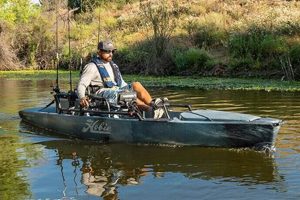
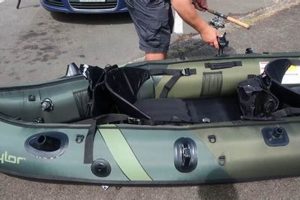
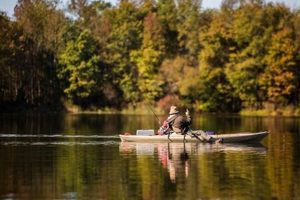
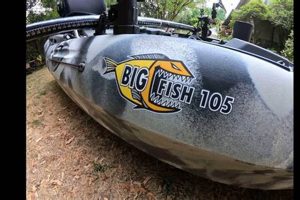
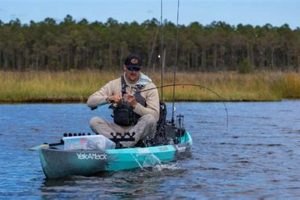
A two-person kayak designed for angling, typically manufactured from durable high-density polyethylene, offers stability and ample storage for fishing gear within a 10-foot frame. These vessels often feature specialized components such as rod holders, paddle clips, and comfortable seating arrangements crafted for extended fishing trips.
The blend of stability, portability, and fishing-specific features makes these kayaks an attractive option for anglers seeking a versatile and accessible on-the-water experience. Their relatively compact size simplifies transportation and storage, while the tandem design promotes shared adventures and teamwork during fishing excursions. Historically, fishing from small, human-powered vessels has been a common practice across cultures, and modern recreational kayaks represent an evolution of this tradition, incorporating advanced materials and design principles for enhanced performance and comfort.
Further exploration will delve into specific aspects such as construction materials, design variations, key features, popular manufacturers, and the overall impact on the fishing experience.
Tips for Utilizing a 10-Foot Tandem Fishing Kayak
Proper utilization ensures safety and maximizes the angling experience. The following tips offer guidance for effective deployment and enjoyment.
Tip 1: Weight Distribution: Balanced loading is crucial for stability. Gear should be distributed evenly, with heavier items placed low and centrally. Consider the combined weight of occupants and equipment relative to the kayak’s capacity.
Tip 2: Paddle Selection: Appropriately sized paddles enhance efficiency and comfort. Paddle length should be chosen based on individual height and the kayak’s width.
Tip 3: Safety Gear: Personal flotation devices (PFDs) are essential for all occupants. A whistle, first-aid kit, and communication device should also be carried onboard.
Tip 4: Navigation Planning: Prioritize awareness of weather conditions, water currents, and potential hazards. Inform someone of the planned route and estimated return time.
Tip 5: Launching and Landing: Select calm, shallow areas for launching and landing. Coordinate movements with the other occupant for a smooth transition into and out of the water.
Tip 6: Fishing Etiquette: Maintain respectful distance from other boaters and anglers. Adhere to catch and release guidelines where applicable.
Tip 7: Kayak Maintenance: Rinse the kayak with fresh water after each use to prevent corrosion and damage from saltwater or other contaminants. Store the kayak properly to protect it from UV exposure and extreme temperatures.
Adherence to these guidelines promotes safety, efficient operation, and respect for the environment. Proper preparation enhances the overall fishing experience and ensures long-term enjoyment.
These operational considerations underscore the importance of responsible kayak usage and pave the way for a concluding overview.
1. Tandem Configuration

The tandem configuration is a defining characteristic of a 10-foot tandem fishing kayak, directly impacting its suitability for various fishing scenarios. This design, accommodating two paddlers, presents distinct advantages and considerations compared to solo kayaks. Understanding these nuances is crucial for informed selection and optimal utilization.
- Shared Experience:
Tandem kayaks facilitate shared fishing experiences, allowing companions to participate together. This shared platform promotes teamwork during angling activities, such as coordinated casting and landing of fish. Examples include a parent and child fishing together, or friends sharing a recreational outing. The social aspect enhances enjoyment and can create lasting memories. In the context of a 10-foot tandem fishing kayak, this shared experience is central to its appeal.
- Stability and Capacity:
The wider hull of a tandem kayak generally provides enhanced stability compared to a solo kayak, beneficial in calmer waters and when managing larger catches. The increased capacity allows for more gear and supplies, supporting longer expeditions. This can be advantageous for multi-day trips or when carrying specialized fishing equipment. However, maneuverability might be slightly reduced compared to solo kayaks. This trade-off highlights the importance of balancing stability and agility based on anticipated fishing conditions.
- Coordination and Communication:
Effective paddling in a tandem kayak requires coordination and communication between occupants. Synchronized paddling maintains efficient movement and directional control. Clear communication is essential for maneuvering, particularly in challenging conditions or tight spaces. This cooperative aspect can be both rewarding and demanding, requiring mutual understanding and adaptability.
- Weight and Transportation:
Tandem kayaks are inherently heavier and more cumbersome to transport than solo kayaks. Loading and unloading often require assistance. Transportation necessitates a larger vehicle or specialized roof rack system. These logistical considerations are important factors when evaluating the practicality of a tandem kayak versus a solo model.
The tandem configuration intrinsically shapes the utility of a 10-foot tandem fishing kayak. It caters to shared angling adventures, offering increased stability and capacity, while requiring greater coordination during operation and posing transportation challenges. Careful consideration of these factors ensures selection of the most appropriate vessel for individual needs and preferences.
2. Ten-foot length
The ten-foot length is a critical dimension in the design of a lifetime 10-foot tandem fishing kayak, influencing maneuverability, stability, and tracking performance. This length represents a compromise between competing demands, optimizing the kayak for specific fishing environments and usage scenarios. Understanding the implications of this length is fundamental to informed kayak selection.
- Maneuverability:
A ten-foot length offers reasonable maneuverability in relatively confined spaces, such as narrow creeks or vegetated shorelines. This length facilitates turning and navigation around obstacles, a crucial aspect for accessing prime fishing spots. Compared to longer kayaks, the shorter length allows for quicker adjustments in direction and enhances responsiveness to paddle input. However, this maneuverability may come at the expense of straight-line tracking performance.
- Stability:
While shorter than dedicated touring kayaks, the ten-foot length provides adequate stability for most fishing situations. This length, combined with the width typical of tandem kayaks, contributes to a stable platform for casting, reeling, and landing fish. The inherent stability is further enhanced by the lower center of gravity inherent in the design. This stability is particularly important when dealing with the movement and weight shifts associated with fishing activities.
- Tracking:
The ten-foot length influences the kayak’s tracking, or its ability to maintain a straight course. While generally not as efficient at tracking as longer kayaks, the ten-foot length provides acceptable tracking performance for shorter distances and calmer waters. In windy or choppy conditions, the shorter length may require more frequent corrective strokes to maintain the desired direction. This characteristic underscores the importance of considering the typical fishing environment when choosing kayak length.
- Transportation and Storage:
The ten-foot length contributes to manageable transportation and storage requirements. Compared to longer kayaks, a ten-foot model is easier to load onto a vehicle’s roof rack or store in a garage or shed. This convenient size allows for greater flexibility in transporting the kayak to various fishing locations and simplifies storage when not in use.
The ten-foot length of a lifetime 10-foot tandem fishing kayak represents a balanced approach to maneuverability, stability, tracking, and transportability. This length makes the kayak well-suited for a variety of fishing environments while remaining practical for transportation and storage. Understanding the interconnectedness of these factors allows anglers to make informed decisions based on their specific needs and preferences.
3. Fishing-Specific Design
Fishing-specific design elements differentiate a recreational kayak from a purpose-built fishing platform. These features enhance functionality, comfort, and overall angling effectiveness in a lifetime 10-foot tandem fishing kayak. An examination of these design elements provides insight into the specialized nature of these vessels.
- Rod Holders:
Integrated rod holders are fundamental components, securing fishing rods while paddling or during stationary fishing. Flush-mounted or adjustable rod holders cater to different fishing techniques. Multiple rod holders allow anglers to employ diverse tactics or switch between setups quickly. This dedicated storage keeps rods organized and readily accessible, minimizing entanglement and maximizing fishing time.
- Tackle Storage:
Dedicated storage compartments, often located within easy reach, accommodate tackle boxes, lures, and other essential fishing gear. Dry storage compartments protect sensitive electronics and personal items. Specialized compartments for bait or live wells maintain freshness and accessibility. This organized storage system contributes to efficient angling by keeping essential gear readily available and protected from the elements.
- Seating and Comfort:
Adjustable seating systems contribute to comfort during extended fishing trips. Elevated seating positions improve visibility and casting angles. Padded seats and backrests enhance comfort and reduce fatigue. Footrests or adjustable foot braces provide stability and leverage while paddling or fishing. These ergonomic considerations ensure a comfortable and supportive platform, allowing anglers to focus on fishing rather than discomfort.
- Other Specialized Features:
Paddle parks or clips secure paddles when not in use, freeing hands for fishing. Anchor trolleys facilitate controlled drifting and precise positioning. Transducer mounts accommodate fish finders and other electronic devices. These specialized features further enhance the functionality and convenience of the kayak, catering to specific fishing techniques and preferences.
These fishing-specific design elements collectively transform a standard kayak into a specialized fishing platform. When integrated into a lifetime 10-foot tandem fishing kayak, these features enhance functionality, comfort, and overall fishing success. The purposeful design caters to the unique demands of angling, creating an efficient and enjoyable on-the-water experience.
4. Durability and Material
Durability is paramount for a fishing kayak, subjected to diverse environmental conditions and potential impacts. Material selection directly influences a kayak’s resilience, longevity, and overall performance. Understanding the relationship between material properties and durability is crucial when evaluating a lifetime 10-foot tandem fishing kayak.
- High-Density Polyethylene (HDPE):
HDPE is a common material for recreational kayaks due to its impact resistance, UV stability, and affordability. HDPE kayaks can withstand minor collisions with rocks or submerged obstacles without significant damage. This materials resistance to UV degradation ensures long-term structural integrity, even with prolonged sun exposure. The affordability of HDPE makes it a popular choice for entry-level and recreational kayaks, striking a balance between cost and durability. In the context of a lifetime 10-foot tandem fishing kayak, HDPE provides a robust and cost-effective construction.
- UV Resistance:
Prolonged exposure to ultraviolet radiation can degrade kayak materials, leading to brittleness and eventual structural failure. UV-resistant coatings or additives protect against sun damage, extending the lifespan of the kayak. This protection is particularly important in regions with high sun exposure, preserving the kayak’s structural integrity and color over time. This inherent resistance to UV degradation contributes to the longevity and sustained performance expected from a lifetime 10-foot tandem fishing kayak.
- Impact Resistance:
Collisions with rocks, submerged debris, or during transport can compromise a kayak’s structural integrity. Impact-resistant materials, such as HDPE, minimize damage from such impacts, preserving the kayak’s functionality and safety. This resilience is crucial in challenging fishing environments, where contact with obstacles is more likely. The ability to withstand minor impacts without significant damage contributes to the durability and reliability of a lifetime 10-foot tandem fishing kayak.
- Weight and Rigidity:
The material’s weight and rigidity influence the kayak’s performance and portability. Lighter materials enhance maneuverability and ease of transport, while rigidity contributes to efficient paddling and tracking. Balancing weight and rigidity is essential for optimal performance and ease of use. A lighter kayak is easier to handle during transport and launching, while sufficient rigidity ensures efficient power transfer from paddle to water. These factors play a crucial role in the overall usability and performance of a lifetime 10-foot tandem fishing kayak.
Material selection directly affects the durability and longevity of a lifetime 10-foot tandem fishing kayak. HDPEs inherent resilience, combined with UV resistance and impact resistance, contributes to long-term performance and structural integrity. Understanding the properties of different materials informs purchasing decisions and ensures selection of a kayak suited to specific usage patterns and environmental conditions. The interplay between material, durability, and kayak performance underscores the importance of informed selection for a long-lasting and reliable fishing platform.
5. Stability and Performance
Stability and performance are intertwined aspects crucial to the overall functionality and enjoyment of a tandem fishing kayak. These factors influence paddling efficiency, comfort, and safety, particularly in diverse water conditions and fishing scenarios. Analysis of these attributes provides a comprehensive understanding of their impact on the kayak’s practical usability.
- Primary Stability:
Primary stability refers to the kayak’s initial resistance to tipping when at rest. A wider hull typically provides greater primary stability, inspiring confidence for anglers casting lines or reeling in fish. Enhanced primary stability contributes to a secure and comfortable fishing experience, particularly in calm water conditions. For a tandem fishing kayak, primary stability is essential for maintaining balance while performing fishing-related activities.
- Secondary Stability:
Secondary stability describes the kayak’s resistance to capsizing when leaned or tilted. This characteristic becomes crucial in rougher waters or when maneuvering around obstacles. A kayak with strong secondary stability recovers more easily from leans, enhancing safety and control. In the context of a tandem fishing kayak, secondary stability ensures occupants feel secure and confident even in challenging conditions.
- Tracking and Maneuverability:
Tracking refers to the kayak’s ability to maintain a straight course, while maneuverability describes its responsiveness to turning inputs. Hull design and length influence these characteristics. A longer kayak generally tracks better, while a shorter kayak offers enhanced maneuverability. The balance between tracking and maneuverability depends on intended usage, such as open water paddling versus navigating tight spaces like creeks or rivers. For a 10-foot tandem fishing kayak, finding an optimal balance between these two attributes is essential for efficient paddling and navigation in diverse fishing environments.
- Paddling Efficiency:
Paddling efficiency relates to how effectively the kayak converts paddling effort into forward motion. Hull shape, length, and weight influence efficiency. A streamlined hull with minimal drag reduces effort required for paddling, conserving energy and extending fishing range. Efficient paddling contributes to a more enjoyable experience, allowing anglers to cover greater distances and access more remote fishing locations. This efficiency is particularly relevant for a tandem kayak, where the combined weight of two paddlers requires efficient power transfer for optimal performance.
Stability and performance are interconnected factors significantly impacting the overall usability and enjoyment of a lifetime 10-foot tandem fishing kayak. Understanding the nuances of primary and secondary stability, tracking, maneuverability, and paddling efficiency empowers informed decision-making and selection of a kayak suited to specific fishing styles and water conditions. These combined factors contribute to a safe, comfortable, and efficient on-the-water experience, maximizing fishing success and enjoyment.
6. Brand Reputation (Lifetime)

Brand reputation significantly influences consumer perception and purchasing decisions, particularly for durable goods like kayaks. Lifetime Products, known for manufacturing a range of consumer products including outdoor recreational equipment, has established a brand presence associated with durability, affordability, and practicality. This reputation directly impacts consumer confidence in the “lifetime 10 foot tandem fishing kayak.” Consumers often associate the Lifetime brand with value and reliability, contributing to the perceived suitability of their kayaks for recreational fishing. This established brand image can influence purchasing decisions over lesser-known or competing brands, even with comparable product specifications. For example, a consumer faced with a choice between a Lifetime kayak and a similarly priced but less-recognized brand might opt for Lifetime based on perceived reliability and warranty expectations. This trust, built over time through consistent product quality and customer service, plays a key role in market positioning.
The practical significance of this brand association is substantial. A strong brand reputation can translate into higher sales volume, increased customer loyalty, and a competitive advantage in the market. Consumers are more likely to consider a product from a trusted brand, especially when making a significant purchase. Furthermore, a positive brand reputation can influence product reviews and recommendations, amplifying its reach and reinforcing positive perceptions. For instance, online reviews often cite Lifetime’s durability as a key factor in purchase satisfaction. This positive feedback loop contributes to sustained brand strength and market share. Conversely, any negative experiences with Lifetime products can disproportionately impact brand perception due to established expectations of quality and durability. Therefore, maintaining consistent product quality and responsive customer service is essential for preserving brand reputation.
In conclusion, Lifetime’s brand reputation as a manufacturer of durable and affordable products directly influences consumer perception of the “lifetime 10 foot tandem fishing kayak.” This established brand image, associated with reliability and practicality, contributes significantly to purchase decisions and market positioning. Maintaining this positive reputation through consistent product quality and customer service remains crucial for sustained success and competitive advantage in the recreational kayak market. The interplay between brand reputation and product perception underscores the importance of brand management in influencing consumer behavior and achieving market leadership.
Frequently Asked Questions
This section addresses common inquiries regarding 10-foot tandem fishing kayaks manufactured by Lifetime Products, providing concise and informative responses.
Question 1: What is the weight capacity of a typical Lifetime 10-foot tandem fishing kayak?
Weight capacities vary slightly by model, but generally range from 500 to 600 pounds. Consulting specific product specifications is recommended.
Question 2: Are Lifetime 10-foot tandem fishing kayaks suitable for ocean use?
While designed primarily for calm waters such as lakes and slow-moving rivers, these kayaks can handle protected coastal areas and bays in calm conditions. Caution and awareness of changing weather patterns are advised.
Question 3: What materials are used in the construction of Lifetime 10-foot tandem fishing kayaks?
These kayaks are typically constructed from high-density polyethylene (HDPE), known for its durability, UV resistance, and impact resistance.
Question 4: What is the warranty offered by Lifetime Products for their 10-foot tandem fishing kayaks?
Lifetime Products typically offers a 5-year limited warranty against defects in materials and workmanship. Warranty details should be confirmed through official documentation.
Question 5: How difficult is it to transport a Lifetime 10-foot tandem fishing kayak?
Due to their size and weight, transporting these kayaks typically requires a roof rack system or a larger vehicle. Assistance may be needed for loading and unloading.
Question 6: What essential accessories should be considered for use with a Lifetime 10-foot tandem fishing kayak?
Essential accessories include paddles, personal flotation devices (PFDs), a whistle, a first-aid kit, and appropriate fishing gear. Optional accessories include anchor trolleys, dry bags, and rod leashes.
Understanding these commonly asked questions provides valuable insights for prospective purchasers and current owners of Lifetime 10-foot tandem fishing kayaks. Careful consideration of these points contributes to informed decisions and enhances the overall ownership experience.
Further sections will explore specific model comparisons, user reviews, and maintenance recommendations.
Conclusion
Exploration of the Lifetime 10-foot tandem fishing kayak reveals a vessel designed for shared angling experiences. Key attributes include durable high-density polyethylene construction, fishing-specific design features such as rod holders and tackle storage, and a focus on stability for on-the-water performance. The tandem configuration promotes collaborative fishing, while the 10-foot length balances maneuverability and transportability. Lifetime’s brand reputation for durability and affordability contributes to consumer confidence in the product. Understanding these interconnected aspects empowers informed purchasing decisions and enhances the overall fishing experience.
Careful consideration of individual fishing needs, paddling experience, and intended usage environments remains crucial for maximizing the utility and enjoyment derived from a Lifetime 10-foot tandem fishing kayak. The evolving landscape of recreational fishing equipment presents continuous opportunities for innovation and refinement, promising enhanced on-the-water experiences for anglers seeking shared adventures.