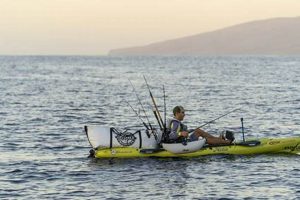
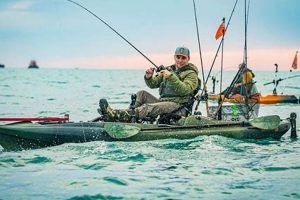
A knowledgeable professional in the Virginia Beach area can provide expertise on navigating local waterways, identifying productive fishing spots, and understanding relevant regulations while angling from a kayak. This service often includes instruction on proper kayaking techniques, fish species identification, and ethical angling practices. For example, clients might learn how to rig tackle for speckled trout in the Lynnhaven Inlet or practice drift fishing for flounder near the Chesapeake Bay Bridge-Tunnel.
Accessing the diverse fisheries around Virginia Beach from a kayak offers a unique, close-to-the-water experience. Knowledgeable local guides enhance safety and improve the likelihood of successful catches by sharing their expertise on tides, currents, and fish behavior. This personalized approach is particularly valuable for newcomers to the area or those unfamiliar with kayak fishing. Historically, fishing in this region has played a vital role in the local economy and culture, and guided excursions contribute to its sustainable continuation by promoting responsible fishing practices.
The following sections will explore the specific advantages of hiring a local expert for a kayak fishing trip in Virginia Beach, covering topics such as available species, seasonal considerations, necessary equipment, and conservation efforts. Additionally, resources for finding reputable guides and planning a successful outing will be provided.
Kayak Fishing Tips for Virginia Beach
Preparation and awareness are crucial for a successful and enjoyable kayak fishing experience in Virginia Beach. The following tips offer valuable insights for anglers of all skill levels.
Tip 1: Check the Weather and Tides: Before embarking on any kayak fishing trip, consult marine weather forecasts and tide charts. Wind, waves, and tidal currents can significantly impact safety and fishing conditions. Postponing a trip due to unfavorable weather is always preferable to encountering hazardous situations on the water.
Tip 2: Prioritize Safety Equipment: Always wear a properly fitted personal flotation device (PFD). Carry essential safety gear, including a whistle, visual distress signals, and a communication device such as a VHF radio or waterproof cell phone. Inform someone of your planned route and estimated return time.
Tip 3: Understand Local Regulations: Familiarize oneself with Virginia saltwater fishing regulations, including licensing requirements, size and catch limits, and any area-specific restrictions. This information is available from the Virginia Marine Resources Commission.
Tip 4: Plan Your Route and Fishing Spots: Research potential fishing locations and plan a route that considers tides, currents, and access points. Maps, charts, and local knowledge are invaluable resources.
Tip 5: Pack Essential Gear and Tackle: Assemble appropriate fishing tackle based on targeted species. Carry essential items like sunscreen, insect repellent, a first-aid kit, and plenty of drinking water. A dry bag or waterproof container protects valuable electronics and personal belongings.
Tip 6: Practice Kayak Handling Skills: Develop proficiency in basic kayak maneuvering techniques, including paddling, turning, and maintaining stability, especially in varying water conditions. Practice self-rescue techniques before venturing into open water.
Tip 7: Respect the Environment: Practice Leave No Trace principles. Dispose of waste properly, avoid disturbing wildlife, and respect sensitive habitats. Careful handling of fish contributes to their conservation and ensures healthy populations for future generations.
By adhering to these guidelines, anglers can maximize their chances of a safe, productive, and enjoyable kayak fishing experience in Virginia Beach while contributing to the preservation of this valuable coastal ecosystem.
The concluding section will offer additional resources for planning a Virginia Beach kayak fishing adventure, including information on local guide services, equipment rentals, and recommended launch sites.
1. Local Expertise

Local expertise forms the cornerstone of a successful kayak fishing guide service in Virginia Beach. Intimate knowledge of the local waterways, including hidden creeks, productive flats, and optimal depths, distinguishes experienced guides. This expertise translates directly into increased angling success, as guides can position clients advantageously based on tides, currents, and seasonal fish movements. For example, a guide familiar with the backwaters of the Lynnhaven Inlet can lead clients to prime speckled trout habitat inaccessible to less experienced anglers. Understanding local bait preferences and effective rigging techniques further amplifies the benefits of local knowledge. A guide might recommend using live shrimp under a popping cork during the summer months for targeting redfish in the shallows.
Beyond fishing proficiency, local expertise encompasses comprehensive knowledge of the surrounding environment. This includes awareness of potential hazards like shallow oyster beds or shifting sandbars, leading to safer navigation for clients. Guides familiar with local regulations, including licensing requirements and catch limits, ensure clients comply with all applicable rules. Furthermore, their understanding of conservation best practices, such as proper catch-and-release techniques and respect for sensitive habitats, contributes to the long-term health of the local fishery. Guides often share their knowledge of local wildlife and ecosystems, enriching the overall experience for clients beyond simply catching fish. For instance, they might point out nesting osprey or explain the ecological importance of seagrass beds.
In summary, local expertise represents a critical differentiator for kayak fishing guides in Virginia Beach. This specialized knowledge maximizes angling success while promoting safety, regulatory compliance, and environmental stewardship. Choosing a guide with proven local experience significantly enhances the overall quality and enjoyment of a kayak fishing excursion, contributing to a more rewarding and sustainable interaction with the coastal ecosystem. This understanding underscores the value of seeking out guides deeply rooted in the Virginia Beach fishing community.
2. Safety
Safety represents a paramount concern in kayak fishing, particularly in the dynamic coastal environment of Virginia Beach. The inherent risks associated with open water activities, combined with the specialized nature of kayak fishing, necessitate a heightened awareness of safety protocols. Engaging a qualified kayak fishing guide significantly mitigates these risks through several key mechanisms. Guides possess intimate knowledge of local waterways, including potential hazards like strong currents, shifting sandbars, and unpredictable weather patterns. This localized expertise enables them to make informed decisions regarding route planning and trip timing, minimizing exposure to hazardous conditions. For instance, a guide familiar with the tidal currents around the Chesapeake Bay Bridge-Tunnel can adjust a fishing trip’s schedule to avoid periods of peak flow, ensuring client safety.
Beyond environmental awareness, guides provide essential safety instruction and oversight. They equip clients with proper safety equipment, such as personal flotation devices (PFDs) and communication devices, and ensure their correct usage. Guides also offer instruction on basic kayak handling techniques, including paddling, turning, and maintaining stability, reducing the likelihood of capsizing or other accidents. In the event of an unforeseen incident, such as a capsize or equipment malfunction, a guide’s presence provides immediate assistance and support, potentially preventing a minor mishap from escalating into a serious emergency. For example, a guide trained in water rescue techniques can assist a client back into their kayak and ensure their well-being following an unexpected capsize.
Furthermore, guides promote safe fishing practices specific to the kayak fishing environment. They instruct clients on proper techniques for casting and retrieving lines from a seated position, minimizing the risk of entanglement or loss of balance. They also emphasize the importance of maintaining a low center of gravity within the kayak, enhancing stability and reducing the chances of capsizing. By instilling these safe fishing habits, guides contribute to a more secure and enjoyable experience for clients. A comprehensive understanding of safety considerations remains crucial for anyone considering kayak fishing in Virginia Beach. Engaging a qualified guide provides an added layer of security, enabling anglers to focus on the enjoyment of the sport while minimizing potential risks.
3. Equipment Selection

Appropriate equipment selection significantly impacts the success and enjoyment of kayak fishing excursions in Virginia Beach. A knowledgeable guide plays a crucial role in this process, offering expertise tailored to the specific conditions and target species of the region. Guides consider factors such as tidal currents, water depth, and target species when recommending appropriate gear, ensuring clients are well-equipped for a productive and enjoyable fishing experience.
- Kayak Selection
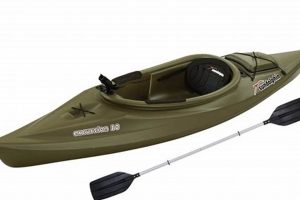
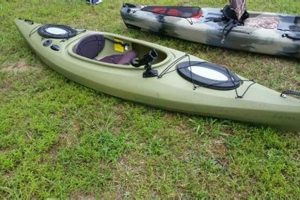
Kayak choice depends on the intended fishing environment and angler experience. Guides can recommend suitable kayak types, such as sit-on-top kayaks for stability in calmer waters or sit-in kayaks for enhanced performance in choppy conditions. They also advise on appropriate kayak length and width, considering factors like angler size and storage needs. For example, a guide might recommend a shorter, wider kayak for fishing in the shallows of the Lynnhaven Inlet, while a longer, narrower kayak may be better suited for navigating open water near the Chesapeake Bay Bridge-Tunnel.
- Paddle Selection
Paddle choice impacts paddling efficiency and comfort. Guides can help clients choose the correct paddle length and blade shape based on their kayaking style and physical attributes. For instance, a longer paddle with a wider blade might be suitable for powerful paddling in open water, while a shorter paddle with a narrower blade offers better maneuverability in tight spaces like creeks and marshes. Lightweight paddles made from materials like carbon fiber reduce fatigue during long paddling sessions.
- Fishing Gear Selection
Fishing gear must align with target species and local conditions. Guides possess in-depth knowledge of effective tackle and techniques for the various fish species inhabiting Virginia Beach waters. They can advise clients on appropriate rod and reel combinations, line weights, and lure selections, maximizing their chances of success. For example, a guide specializing in flounder fishing might recommend a lightweight spinning rod with a sensitive tip, paired with a light braided line and a bucktail jig. Alternatively, targeting larger species like red drum might necessitate heavier tackle with a higher line capacity.
- Safety and Accessory Selection
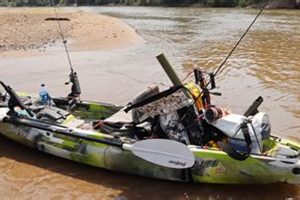
Essential safety equipment, including PFDs, whistles, and communication devices, is paramount. Guides ensure clients have the necessary safety gear and understand its proper usage. They also advise on additional accessories that enhance comfort and convenience, such as anchor systems, rod holders, and dry bags for protecting electronics and personal belongings. For instance, a guide might recommend a specific type of anchor suitable for the sandy or muddy bottom conditions common in Virginia Beach waters.
By leveraging a guides expertise in equipment selection, kayak anglers in Virginia Beach can optimize their fishing experience. Appropriate gear enhances not only fishing success but also safety and overall enjoyment on the water. This informed approach to equipment selection allows anglers to focus on the thrill of the catch while ensuring a comfortable and secure experience in the diverse coastal environment of Virginia Beach.
4. Target Species
Target species play a pivotal role in shaping the strategies and experiences associated with guided kayak fishing in Virginia Beach. The diverse fish populations inhabiting these coastal waters offer anglers a wide range of angling opportunities, each requiring specific approaches and expertise. A knowledgeable kayak fishing guide understands these nuances and tailors their services to maximize the chances of success for each target species. This targeted approach influences everything from equipment selection and location choice to fishing techniques and bait preferences. For example, pursuing flounder, a bottom-dwelling flatfish, necessitates drifting over sandy flats with specific rigs and baits, while targeting speckled trout, an ambush predator, requires focusing on structured areas like oyster beds or grass flats using different techniques and lures. Understanding the behavior, habitat preferences, and feeding patterns of target species enables guides to position clients effectively and enhance their chances of a successful catch.
The seasonal variations in fish behavior and distribution further underscore the importance of target species considerations. Certain species, like cobia, are migratory and only present in Virginia Beach waters during specific times of the year. Other species, like red drum, exhibit distinct seasonal changes in their feeding habits and preferred habitats. Guides adapt their strategies to these seasonal fluctuations, ensuring clients target the most readily available and active species. This adaptability requires an intimate understanding of the local ecosystem and the dynamic interactions between target species and their environment. For instance, during the fall months, guides might focus on targeting striped bass migrating along the coast, while in the summer, they might concentrate on speckled trout and flounder inhabiting the shallows of the back bays. This targeted approach maximizes fishing success while minimizing wasted time and effort.
Effective targeting of specific species also contributes to responsible fishing practices. Guides educated in sustainable fishing techniques emphasize the importance of adhering to size and catch limits for each target species. They promote proper catch-and-release techniques to minimize stress on released fish, ensuring the health and sustainability of local fish populations. Furthermore, guides educate clients on the importance of avoiding bycatch, the unintentional capture of non-target species, by using selective fishing methods. This conservation-minded approach ensures that the enjoyment of kayak fishing in Virginia Beach remains compatible with the long-term health and preservation of the local ecosystem. Choosing a guide with a strong understanding of target species not only enhances fishing success but also contributes to a more sustainable and responsible angling experience.
5. Regulations
Adherence to existing regulations constitutes a critical aspect of responsible kayak fishing in Virginia Beach. Regulations govern various aspects of recreational fishing, ensuring the sustainability of fish populations and the preservation of the coastal ecosystem. Kayak fishing guides play a crucial role in navigating these regulations, ensuring clients comply with all applicable rules and contribute to ethical fishing practices. Understanding these regulations enhances the overall fishing experience by promoting legal and sustainable angling within the vibrant waters of Virginia Beach.
- Licensing Requirements
All individuals over the age of 16 are generally required to possess a valid Virginia saltwater fishing license when fishing in Virginia Beach waters. Specific license types and exemptions may apply, depending on residency status and fishing location. Kayak fishing guides often assist clients in obtaining the appropriate licenses or provide information on licensing requirements before embarking on a fishing trip. This ensures compliance with state regulations and avoids potential legal issues.
- Size and Catch Limits
Regulations dictate specific size and catch limits for various fish species. These limits aim to protect vulnerable populations and ensure the long-term health of the fishery. Guides possess up-to-date knowledge of these limits and instruct clients on proper identification and measurement techniques. They also emphasize the importance of adhering to these limits, promoting responsible fishing practices and contributing to the sustainability of local fish populations. For example, a guide might explain the size limits for flounder and demonstrate how to properly measure a caught fish to ensure compliance with regulations.
- Seasonal Closures and Restrictions
Certain areas or species may be subject to seasonal closures or restrictions to protect spawning fish or vulnerable habitats. These regulations vary throughout the year and can impact fishing locations and target species. Guides stay informed about these closures and adapt their fishing plans accordingly, ensuring clients comply with all applicable restrictions. For instance, certain areas may be closed to fishing during specific months to protect spawning striped bass, while others might have restrictions on the use of certain gear types to minimize bycatch of non-target species.
- Protected Species
Some fish species are designated as protected or endangered and are strictly prohibited from harvest. Guides educate clients on the identification of these protected species and emphasize the importance of avoiding their capture. They also promote proper handling and release techniques for any accidentally caught protected species, minimizing stress and maximizing the chances of survival. For instance, a guide might explain the protected status of sea turtles and instruct clients on how to safely remove a hook from an accidentally caught turtle.
By understanding and adhering to these regulations, kayak fishing guides in Virginia Beach contribute to the sustainable management of local fisheries and the preservation of the coastal ecosystem. Their expertise in navigating these regulations ensures clients enjoy a legal and ethical fishing experience while contributing to the long-term health of Virginia Beach’s valuable marine resources. This commitment to regulatory compliance underscores the professionalism and responsibility of knowledgeable guides within the local kayak fishing community.
6. Conservation Practices

Conservation practices represent an integral component of responsible kayak fishing guidance in Virginia Beach. The delicate balance of the coastal ecosystem necessitates a proactive approach to resource management, ensuring the long-term health and sustainability of fish populations and their habitats. Qualified kayak fishing guides in this region demonstrate a commitment to conservation by integrating sustainable fishing practices into their operations. This commitment translates into direct actions and educational initiatives designed to minimize environmental impact and promote responsible angling within the Virginia Beach community.
Guides implement practical conservation measures during fishing excursions. Emphasis on proper catch-and-release techniques minimizes stress on released fish, increasing their chances of survival. This often involves using barbless hooks, minimizing handling time, and keeping fish submerged in water as much as possible during hook removal. Guides also promote selective fishing practices, encouraging clients to target specific species and avoid bycatch, the unintentional capture of non-target species. Furthermore, guides actively participate in or promote local conservation initiatives, such as habitat restoration projects or coastal cleanups, demonstrating a tangible commitment to environmental stewardship. For instance, a guide might organize a post-fishing cleanup effort to remove debris from local waterways or participate in a marsh restoration project to enhance essential fish habitats. Educating clients about the importance of these initiatives fosters a broader understanding of conservation within the angling community.
A comprehensive understanding of local regulations, including size and catch limits, seasonal closures, and protected species designations, forms another cornerstone of conservation-minded kayak fishing guidance. Guides ensure clients comply with all applicable regulations, contributing to the sustainable management of local fisheries. They also educate clients about the ecological significance of these regulations, fostering a deeper appreciation for the interconnectedness of the coastal ecosystem. This educational component empowers clients to become active participants in conservation efforts, extending the positive impact beyond individual fishing trips. The integration of conservation practices into kayak fishing guidance strengthens the connection between recreational angling and environmental stewardship. By prioritizing conservation, guides not only enhance the long-term health of the fishery but also enrich the overall fishing experience, fostering a deeper appreciation for the natural environment among clients. This commitment to conservation distinguishes responsible kayak fishing guides in Virginia Beach and contributes to the sustainable enjoyment of this valuable coastal resource for future generations.
Frequently Asked Questions
This section addresses common inquiries regarding guided kayak fishing experiences in Virginia Beach. Clear and concise answers provide prospective anglers with essential information for planning a successful and enjoyable outing.
Question 1: What level of kayaking experience is required for a guided fishing trip?
Prior kayaking experience is not typically required. Guides provide basic instruction on kayak handling and safety procedures, accommodating anglers of all skill levels, from beginners to experienced paddlers.
Question 2: What type of fish can one expect to catch on a guided kayak fishing trip?
Target species vary depending on the season and specific fishing location. Common catches include speckled trout, flounder, red drum, striped bass, and various other inshore species. Guides tailor trips to specific target species based on client preferences and prevailing conditions.
Question 3: What is included in the cost of a guided kayak fishing trip?
Guided trip costs typically include kayak rental, paddles, PFDs, basic fishing gear, and the guide’s expertise. Some guides may offer additional services, such as bait and tackle, transportation, or photography, at an extra cost. Clarifying inclusions with the chosen guide service beforehand is recommended.
Question 4: What should one bring on a guided kayak fishing trip?
Essential items include appropriate clothing for the weather conditions, sunscreen, sunglasses, a hat, insect repellent, and any personal medications. Bringing snacks and plenty of drinking water is also advisable. While guides typically provide fishing gear, anglers may bring their own preferred tackle if desired.
Question 5: What are the typical weather conditions for kayak fishing in Virginia Beach?
Weather conditions vary seasonally. Summers are generally warm and humid, while winters are milder but can be windy. Checking the marine weather forecast before any kayak fishing trip is crucial, as conditions can change rapidly. Guides prioritize safety and make informed decisions regarding trip timing based on prevailing weather conditions.
Question 6: Are there any specific regulations anglers need to be aware of?
All anglers over the age of 16 require a valid Virginia saltwater fishing license. Size and catch limits apply to various fish species, and some areas may have seasonal closures or restrictions. Guides typically ensure clients comply with all applicable regulations. However, familiarizing oneself with these regulations beforehand is beneficial.
These frequently asked questions offer a starting point for planning a guided kayak fishing adventure in Virginia Beach. Consulting directly with a chosen guide service allows for personalized guidance and addresses any specific inquiries or concerns, ensuring a well-informed and enjoyable fishing experience.
For additional information and resources, please continue to the next section.
Kayak Fishing Guide Virginia Beach
Engaging a kayak fishing guide in Virginia Beach offers numerous advantages, from enhanced safety and increased catch rates to a deeper understanding of the local ecosystem. Expertise in navigating local waterways, selecting appropriate equipment, and targeting specific species contributes significantly to a successful and enjoyable fishing experience. Furthermore, a guide’s emphasis on conservation practices and adherence to regulations ensures the long-term sustainability of this valuable coastal resource.
The diverse fisheries and scenic beauty of Virginia Beach provide a unique backdrop for kayak fishing adventures. Careful consideration of the information presentedfrom choosing a qualified guide to understanding local regulationsempowers anglers to maximize their enjoyment while contributing to the preservation of this exceptional environment. Exploring Virginia Beach from the unique perspective of a kayak offers a rewarding connection with nature, promoting responsible engagement with the coastal ecosystem and fostering a deeper appreciation for its delicate balance.