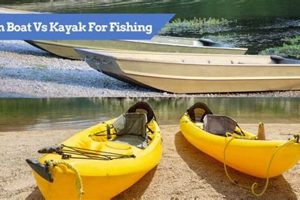
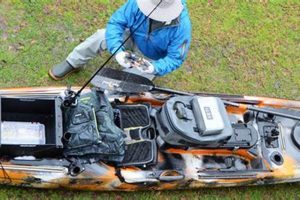
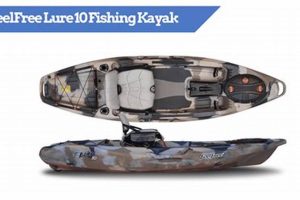
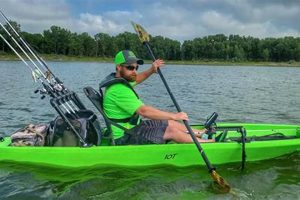
This pursuit involves angling from a small, human-powered vessel in the bodies of water within the northeastern region of the United Kingdom. This region offers a diverse range of fishing environments, from sheltered estuaries and coastal waters to inland lakes and rivers, providing ample opportunities for anglers to target a variety of species.
The relatively low cost of entry compared to other forms of boat fishing, combined with the quiet, non-motorized approach, allows for close access to fish and minimizes disturbance in their natural habitat. The northeastern UKs unique combination of accessible waterways and diverse fish populations contributes to the activitys growing popularity. The historical significance of fishing in this region, deeply interwoven with local communities and traditions, further enhances its appeal.
The following sections will explore specific locations, suitable equipment, target species, and responsible fishing practices within this region, providing a comprehensive guide for both novice and experienced anglers.
Tips for Kayak Fishing in Northeast UK
Careful planning and preparation are essential for a safe and successful fishing experience. The following tips offer valuable guidance for anglers of all skill levels.
Tip 1: Check Weather and Tide Conditions: Prior to embarking on any fishing trip, consulting marine weather forecasts and tide charts is crucial. Unforeseen changes in weather can create hazardous conditions on the water. Tidal flows impact fish behavior and access to certain areas.
Tip 2: Choose Appropriate Safety Gear: A properly fitted personal flotation device (PFD) is mandatory. Carrying a VHF radio, signaling devices, and a first-aid kit are highly recommended. Informing someone of planned fishing locations and estimated return times enhances safety.
Tip 3: Select Suitable Kayak and Equipment: Kayak selection should consider stability, storage capacity, and the intended fishing environment. Rod holders, fish finders, and appropriate tackle storage solutions contribute to a more organized and efficient fishing experience.
Tip 4: Research Fishing Regulations and Licensing: Anglers must adhere to local fishing regulations, including size and catch limits for specific species. Possessing the necessary fishing licenses is a legal requirement.
Tip 5: Practice Kayak Handling and Fishing Techniques: Gaining familiarity with kayak maneuvering and paddle techniques before venturing into open water enhances safety and control. Practicing casting and retrieving techniques from a seated position optimizes fishing efficiency.
Tip 6: Respect Wildlife and the Environment: Minimizing disturbance to wildlife and adhering to “leave no trace” principles preserves the natural beauty of the region. Proper disposal of fishing line and other waste materials is essential.
Tip 7: Dress Appropriately for Conditions: Layering clothing allows for adjustments to changing weather conditions. Waterproof and windproof outerwear provides protection from the elements. Wearing appropriate footwear for a wet environment is important.
By adhering to these guidelines, anglers can maximize their chances of a successful and enjoyable fishing experience while prioritizing safety and environmental responsibility.
The following section will provide detailed information on popular fishing locations within the northeast UK, offering further guidance for planning a successful kayak fishing adventure.
1. Safe Launching Locations

Launching a kayak safely is paramount for a successful fishing trip in the Northeast UK. Choosing an appropriate launch site significantly impacts angler safety and overall enjoyment. Factors such as water conditions, tidal currents, proximity to hazards, and accessibility must be carefully considered.
- Sheltered Bays and Coves
Sheltered bays and coves offer protection from strong winds and waves, creating calmer conditions ideal for launching and retrieving kayaks. These locations often provide easier entry and exit points, particularly for less experienced paddlers. Examples include Beadnell Bay in Northumberland and Filey Bay in Yorkshire. The reduced exposure to open water minimizes the risk of capsizing and allows anglers to focus on fishing rather than battling challenging conditions.
- Slipways and Designated Launch Areas
Purpose-built slipways and designated launch areas often feature calmer waters and convenient access points designed for launching small vessels. These locations may offer amenities like parking and restroom facilities. Examples include the slipway at Cullercoats Bay and the launch area at Hartlepool Marina. Utilizing these facilities reduces the risk of damage to kayaks and simplifies the launching process.
- Calm Inland Waters
Inland lakes, rivers, and canals offer predictable conditions and minimal tidal influence, making them suitable for kayak fishing, especially for beginners. These locations often provide opportunities to target different species compared to coastal waters. Examples include Derwent Reservoir and Kielder Water. The calmer environment allows anglers to focus on technique and fish behavior without the added challenges of navigating strong currents or waves.
- Assessing Conditions Before Launching
Regardless of the chosen location, assessing conditions immediately before launching is crucial. Checking wind speed, wave height, and tidal currents helps determine whether conditions are safe for kayaking. Consulting local resources, such as harbormasters or experienced kayakers, can provide valuable insights into specific locations. This final check ensures that even familiar locations are safe given the dynamic nature of water conditions.
Selecting a safe launch location contributes significantly to a positive kayak fishing experience in the Northeast UK. Careful consideration of these factors allows anglers to prioritize safety, maximize fishing time, and minimize potential risks associated with launching and retrieving their kayaks in dynamic coastal and inland waters.
2. Target Species

The diverse fish populations of the Northeast UK’s coastal and inland waters offer kayak anglers a wide range of target species. Understanding the habits and preferred habitats of these species is crucial for successful fishing expeditions. Selecting appropriate tackle and bait based on target species increases the likelihood of a rewarding catch.
- Cod
Cod are a popular target species for kayak anglers in the Northeast UK, particularly during the cooler months. They are often found near rocky reefs, wrecks, and sandbanks. Tackle typically includes heavier rods and reels suited for bottom fishing with bait such as lugworms or squid. Landing a sizable cod from a kayak provides an exciting challenge and a rewarding culinary experience.
- Pollock
Pollock, known for their aggressive takes and strong fights, inhabit similar areas to cod. They readily take lures and are often found around structures. Lighter spinning tackle allows for a more dynamic fishing experience. Targeting pollock from a kayak offers an engaging and active form of angling.
- Mackerel
Mackerel are a pelagic species, meaning they inhabit open water. They form large shoals and are often targeted using feathers or small lures retrieved through the water. Kayak anglers can intercept these shoals as they migrate along the coast. The fast-paced action of mackerel fishing provides a thrilling experience.
- Sea Bass
Sea bass, a prized sport fish, are found in shallower coastal waters, particularly around estuaries and rocky structures. They can be targeted using lures or bait presented near the seabed or surface. The elusive nature of sea bass presents a challenging and rewarding target for kayak anglers.
The selection of target species influences the overall kayak fishing experience in the Northeast UK, from the choice of location and tackle to the techniques employed. By understanding the specific characteristics and habitats of desired species, anglers can maximize their chances of success while enjoying the unique angling opportunities this region offers.
3. Tidal Considerations

Tidal influence is a critical factor in kayak fishing within the Northeast UK. Understanding tidal patterns, currents, and their effects on fish behavior is essential for maximizing fishing success and ensuring angler safety. Neglecting tidal considerations can lead to challenging conditions, reduced catches, and potentially hazardous situations.
- Current Strength and Direction
Tidal currents significantly impact kayak positioning and fishing effectiveness. Strong currents can make paddling challenging, especially for less experienced kayakers. Knowledge of current direction allows anglers to position themselves effectively for drift fishing or to maintain a desired location near structure. For example, fishing near headlands or inlets during a strong tide can concentrate fish, but requires careful maneuvering to avoid being swept into hazardous areas.
- Tidal Height and Access
Tidal height affects access to certain fishing grounds, particularly in shallow coastal areas or estuaries. Some areas may become inaccessible during low tide, while others only reveal productive fishing spots during specific tidal stages. Understanding tide charts is crucial for planning fishing trips and maximizing access to desired locations. Launching and retrieving kayaks can also be impacted by tidal height, requiring adjustments to launch sites based on current conditions.
- Fish Behavior and Feeding Patterns
Tidal flows influence fish behavior and feeding patterns. Many species concentrate in areas with moving water, where currents bring food and oxygen. Understanding how tidal changes affect fish activity allows anglers to target specific locations and depths at optimal times. For instance, fishing near estuaries during an incoming tide can be highly productive as fish move into shallower waters to feed.
- Safety Implications of Tidal Changes
Tidal changes can create rapidly changing conditions, posing safety risks for kayak anglers. Strong currents, rising tides, and changing wind directions can quickly create challenging and potentially dangerous situations. Monitoring tidal conditions throughout the fishing trip is essential. Having a plan for unexpected changes in current or tide ensures angler safety and a more enjoyable experience.
Careful consideration of tidal factors is crucial for successful and safe kayak fishing in the Northeast UK. Integrating tidal knowledge into planning and execution allows anglers to optimize fishing strategies, access productive areas, and mitigate potential risks associated with dynamic tidal environments. A thorough understanding of these principles contributes to a more rewarding and secure angling experience.
4. Essential Equipment

Appropriate equipment is crucial for safe and successful kayak fishing in the Northeast UK. The unique challenges and opportunities presented by this environment necessitate careful selection of gear to maximize both angler comfort and fishing effectiveness. The following facets highlight essential equipment considerations for this specific region.
- Personal Flotation Device (PFD)
A properly fitted PFD is non-negotiable for kayak fishing. It provides essential buoyancy in case of capsize, a crucial safety measure in cold North Sea waters. Choosing a PFD specifically designed for paddling allows for freedom of movement while fishing. Automatic inflatable PFDs offer increased comfort but require regular maintenance and inspection.
- Kayak and Paddle
Kayak selection depends on individual needs and fishing style. Sit-on-top kayaks offer stability and ease of re-entry after a capsize, making them suitable for beginners. Sit-in kayaks offer better protection from the elements and greater efficiency for longer paddles. A lightweight, appropriately sized paddle enhances maneuverability and reduces fatigue during long fishing sessions. Specialized fishing kayaks often include features like rod holders and integrated fish finders.
- Fishing Gear
Rods, reels, and tackle should be chosen based on target species. Medium to heavy spinning rods are suitable for inshore fishing for cod, pollock, or bass. Lighter tackle is appropriate for mackerel and other pelagic species. A selection of lures, weights, and hooks allows anglers to adapt to different conditions and target various species effectively. Braided fishing line offers increased sensitivity and strength, beneficial in challenging conditions.
- Safety and Navigation Equipment
A VHF radio enables communication in emergencies and provides access to weather updates. A GPS device or chart plotter aids navigation, especially in foggy conditions or unfamiliar waters. Carrying a dry bag protects essential items like phones and wallets from water damage. A first-aid kit equipped for common fishing-related injuries, such as hook removals and cuts, is also essential. Flares or other signaling devices can be crucial in emergency situations.
Careful consideration of these equipment essentials ensures angler safety, enhances fishing effectiveness, and contributes to a more enjoyable experience on the water. The specific demands of kayak fishing in the Northeast UK necessitate prioritizing appropriate gear choices to address both the opportunities and challenges of this unique environment.
5. Local Regulations

Adherence to local regulations is essential for responsible kayak fishing within the Northeast UK. These regulations aim to preserve fish stocks, protect vulnerable ecosystems, and ensure the sustainability of the sport. Specific regulations vary depending on location and target species, necessitating careful research prior to any fishing activity. Key regulatory aspects include licensing requirements, catch limits, size restrictions, and seasonal closures. For instance, the Environment Agency implements specific regulations for salmon and sea trout fishing in designated rivers, requiring appropriate rod licenses and adherence to seasonal limitations. Ignorance of these regulations can lead to penalties and jeopardize the long-term health of fish populations.
Understanding and complying with local regulations demonstrates respect for the environment and contributes to the continued enjoyment of kayak fishing for future generations. Practical implementation requires anglers to research specific rules applicable to their chosen fishing locations and target species. Consulting the Environment Agency website, local fishing clubs, or tackle shops provides access to up-to-date information regarding licensing, catch limits, and any specific restrictions in place. For example, certain areas may prohibit the use of specific fishing methods or impose restrictions on anchoring near sensitive habitats. Carrying a copy of relevant regulations while fishing ensures readily available reference and reinforces responsible angling practices.
In conclusion, local regulations serve as a critical framework for sustainable kayak fishing in the Northeast UK. Anglers must prioritize understanding and adhering to these rules, contributing to the preservation of valuable fish stocks and the protection of delicate marine ecosystems. Through responsible and informed angling practices, the enjoyment of this sport can be maintained while ensuring its long-term viability and minimizing environmental impact. Active participation in conservation efforts and adherence to local guidelines strengthens the angling community and protects the natural resources upon which it depends.
Frequently Asked Questions
This section addresses common queries regarding kayak fishing in the Northeast UK, providing concise and informative responses to assist anglers in their planning and preparation.
Question 1: What are the essential safety precautions for kayak fishing in this region?
Essential safety measures include wearing a personal flotation device (PFD), carrying a VHF radio and signaling devices, informing someone of trip plans, checking weather forecasts and tide charts, and possessing appropriate navigation equipment. Cold water considerations necessitate preparedness for potential immersion.
Question 2: Where can suitable launch sites for kayaks be found?
Suitable launch sites include sheltered bays, coves, designated slipways, and calm inland waters. Assessing conditions prior to launching is crucial. Local knowledge from harbormasters or experienced kayakers can prove invaluable.
Question 3: What target species are commonly sought after by kayak anglers in the Northeast UK?
Common target species include cod, pollock, mackerel, and sea bass. Each species exhibits distinct habitat preferences and necessitates specific tackle and techniques. Researching these factors optimizes angling success.
Question 4: How do tidal patterns and currents influence fishing strategy?
Tidal flows impact fish behavior, access to fishing grounds, and kayak positioning. Understanding tidal predictions and current directions is essential for optimizing fishing success and ensuring angler safety. Consult local tide tables for accurate information.
Question 5: What specialized equipment enhances kayak fishing in this region?
Specialized equipment includes rod holders, fish finders, anchor trolleys, and specialized fishing kayaks designed for stability and storage. Appropriate clothing for cold water conditions is essential for angler safety and comfort.
Question 6: Where can information regarding local fishing regulations and licensing requirements be obtained?
Information on fishing regulations and licensing can be obtained from the Environment Agency website, local fishing clubs, or tackle shops. Staying informed about catch limits, size restrictions, and seasonal closures ensures legal compliance and promotes sustainable fishing practices.
Careful consideration of these frequently asked questions contributes to a safer, more informed, and ultimately more successful kayak fishing experience within the unique environment of the Northeast UK.
The following section will offer a concluding overview and further resources for those pursuing kayak fishing in this dynamic region.
Kayak Fishing North East UK
This exploration has provided a comprehensive overview of kayak fishing within the Northeast UK, encompassing key aspects such as safety, suitable locations, target species, essential equipment, and regulatory considerations. Emphasis has been placed on the interplay between environmental factors, angler preparedness, and responsible fishing practices. Understanding tidal influences, weather patterns, and local regulations contributes significantly to successful and sustainable angling within this dynamic region.
The Northeast UK offers exceptional opportunities for kayak anglers seeking diverse fishing experiences. Continued exploration of this region’s waterways, coupled with a commitment to responsible angling practices, promises rewarding adventures for experienced and novice anglers alike. Preservation of this unique environment remains paramount, ensuring its continued enjoyment by future generations.