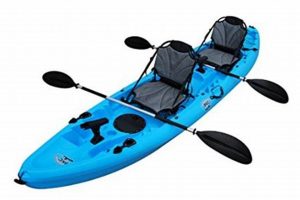
Colorado offers diverse opportunities for anglers seeking a unique on-the-water experience. From high-altitude lakes nestled amidst stunning mountain scenery to gentle flowing rivers meandering through valleys, the state provides a variety of environments suitable for this activity. Factors such as accessibility, fish species, and surrounding amenities contribute to the overall quality of these experiences.
Combining the tranquility of paddling with the excitement of angling provides a rewarding outdoor pursuit. Accessibility to remote and pristine waters often inaccessible by larger boats allows for a more intimate connection with nature. This low-impact approach minimizes disturbance to aquatic ecosystems and offers a peaceful way to observe wildlife. Historically, kayaks and other small watercraft have played a role in fishing practices, evolving from essential tools for sustenance to recreational platforms appreciated for their versatility and connection to the natural world.
The following sections will explore specific locations renowned for their exceptional angling from kayaks, discuss appropriate gear and techniques, and highlight regulations and safety considerations for a successful and enjoyable experience on Colorado’s waters.
Tips for Kayak Fishing in Colorado
Successful kayak fishing in Colorado requires preparation and awareness of specific conditions. These tips offer guidance for a safe and productive experience.
Tip 1: Research Locations and Regulations: Consult Colorado Parks and Wildlife resources for information on fishing licenses, regulations, and water access points. Understand specific rules regarding species limits, bait restrictions, and seasonal closures for each location.
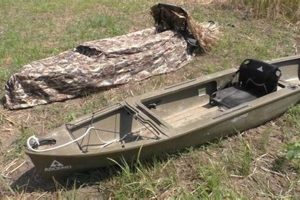
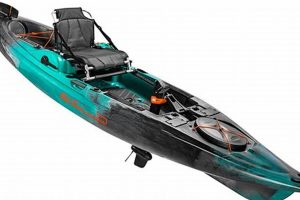
Tip 2: Choose the Right Kayak: Select a kayak designed for stability and fishing features. Sit-on-top kayaks offer greater maneuverability and ease of entry/exit, while sit-inside kayaks provide better protection from colder water. Consider storage capacity for gear and equipment.
Tip 3: Prioritize Safety Equipment: Always wear a personal flotation device (PFD). Carry a whistle, signaling device, and first-aid kit. Inform someone of your fishing plans, including location and expected return time.
Tip 4: Pack Essential Gear: Bring appropriate fishing rods, reels, tackle, and bait suitable for target species. Include a landing net, pliers, and line cutters for efficient fish handling. Pack sunscreen, a hat, and sunglasses for sun protection.
Tip 5: Dress for Variable Conditions: Colorado weather can change rapidly. Dress in layers to adapt to fluctuating temperatures. Waterproof outerwear and quick-drying clothing are recommended. Consider wearing wading boots for launching and landing.
Tip 6: Practice Kayak Control: Familiarize oneself with basic paddling techniques and maneuvering skills before venturing onto open water. Practice in calm conditions to develop confidence and control.
Tip 7: Respect Wildlife and the Environment: Practice Leave No Trace principles. Pack out all trash and fishing line. Avoid disturbing nesting birds and other wildlife. Minimize impact on riparian areas by launching and landing in designated areas.
Careful planning and adherence to these guidelines will enhance angling success and contribute to a safe and rewarding experience on Colorados waterways.
By following these tips, anglers can maximize their enjoyment of this unique sport while ensuring responsible interaction with Colorado’s natural resources.
1. Location

Optimal locations for kayak fishing in Colorado depend on several interconnected factors, including target species, accessibility, water conditions, and surrounding amenities. Careful consideration of these elements contributes significantly to a successful and rewarding angling experience.
- Water Type
Colorado offers diverse water bodies suitable for kayak fishing, each presenting unique opportunities and challenges. High-altitude lakes like Grand Lake and Spinney Mountain Reservoir provide cold-water habitats for trout, while warmer reservoirs such as Lake Pueblo and Cherry Creek Reservoir support bass and walleye populations. Rivers like the Arkansas and Colorado Rivers offer flowing water experiences for trout and other species. Selecting the appropriate water type aligns with target species preferences and influences gear choices.
- Accessibility
Ease of access significantly impacts the overall fishing experience. Locations with established boat ramps, kayak launches, or accessible shorelines facilitate convenient entry and exit. Some remote alpine lakes require portaging or longer paddles to reach prime fishing spots, increasing the physical demands. Considering access requirements is crucial for planning logistics and ensuring a safe and enjoyable trip. For instance, the Blue Mesa Reservoir offers numerous boat ramps suitable for launching kayaks, while more remote destinations, such as the high-alpine lakes in the wilderness areas, may require significant hiking to access.
- Fish Species
Targeted fish species significantly influence location choices. Anglers pursuing trout might favor colder, high-elevation lakes and streams, such as the Fryingpan River, known for its abundant trout population. Those seeking warm-water species like bass might opt for lower-elevation reservoirs and rivers, such as Stagecoach Reservoir, which offers a warmer environment suitable for these fish. Understanding the habitat preferences of target species is key to selecting productive fishing locations.
- Regulations and Considerations
Regulations governing fishing activities vary depending on the location and species. Some areas require specific licenses and permits, while others have restrictions on bait, tackle, or fishing seasons. Understanding and adhering to these regulations is essential for responsible angling. Additional factors, such as water levels, currents, and weather conditions, impact fishing success and safety. Checking current conditions before heading out ensures a productive and safe experience. Resources like Colorado Parks and Wildlife provide detailed information on regulations and current conditions for specific locations.
By considering these location-specific factors, anglers can effectively strategize their approach, maximize their chances of success, and enhance their overall kayak fishing experience in Colorado. The diverse landscape provides a wide range of options, from easily accessible urban fisheries to remote wilderness destinations, catering to a variety of angling preferences and skill levels. Choosing the right location sets the stage for a memorable and fulfilling experience on the water.
2. Species
The diversity of fish species in Colorado directly influences the quality of kayak fishing experiences. Target species dictate location choices, influence gear selection, and determine appropriate fishing techniques. Understanding the distribution and behavior of these species is crucial for a successful outing. For example, pursuing lake trout in deep, cold-water lakes like Blue Mesa Reservoir requires different equipment and strategies compared to targeting warm-water species like largemouth bass in shallower reservoirs like Chatfield Reservoir. The connection between species and location is fundamental to successful kayak angling. Knowing which species inhabit specific bodies of water allows anglers to effectively choose appropriate tackle, bait, and fishing techniques.
Colorado’s waters offer a variety of game fish, each presenting unique challenges and rewards. Trout species, including rainbow, brown, cutthroat, and lake trout, thrive in colder, higher-elevation environments. Warm-water species such as largemouth bass, smallmouth bass, walleye, and crappie inhabit lower-elevation reservoirs and rivers. Understanding the preferred habitat, feeding patterns, and seasonal behavior of these species enhances angling success. For example, targeting brown trout in the South Platte River during the fall spawning season requires different techniques compared to fishing for rainbow trout in higher-elevation streams during the summer months. The specific species sought significantly impacts the overall experience, influencing not only location choices but also the type of gear and techniques employed.
Effective kayak fishing in Colorado necessitates a nuanced understanding of target species. This knowledge informs location selection, guides gear choices, and determines successful fishing strategies. Matching fishing techniques to the specific species and prevailing conditions maximizes the chances of a successful and rewarding experience. The pursuit of different species contributes directly to the diverse range of kayak fishing opportunities available throughout Colorado. From high-altitude lakes teeming with trout to warmer reservoirs supporting a variety of warm-water species, the state offers a wealth of angling opportunities, each influenced by the unique characteristics of its aquatic inhabitants.
3. Accessibility

Accessibility plays a crucial role in defining the quality of kayak fishing experiences in Colorado. Ease of access influences location choices, affects the overall enjoyment of the outing, and determines the feasibility of reaching specific fishing grounds. Locations with well-maintained boat ramps, designated kayak launches, or readily accessible shorelines offer significant advantages for anglers. Conversely, limited access points or challenging terrain can restrict fishing opportunities and impact the overall experience. For example, Eleven Mile State Park offers multiple boat ramps and accessible shoreline areas suitable for kayak launching, simplifying logistics and enhancing the overall experience. However, remote alpine lakes, such as those in the Indian Peaks Wilderness Area, often require significant hiking or portaging to access, presenting logistical challenges and demanding greater physical effort. The level of accessibility directly correlates with the practicality and ease of kayak fishing at a particular location. This understanding allows anglers to select locations that align with their physical capabilities and desired level of challenge.
The degree of accessibility influences the types of water bodies suitable for kayak fishing. Reservoirs with numerous boat ramps, such as Pueblo Reservoir, provide easy access for anglers of varying skill levels, facilitating diverse fishing experiences. Similarly, rivers with designated put-in and take-out points, such as sections of the Arkansas River, allow for planned float trips tailored to specific skill levels and fishing preferences. Conversely, reaching high-alpine lakes or navigating challenging river sections often requires advanced paddling skills, physical fitness, and specialized equipment. Understanding access limitations allows anglers to make informed decisions, choose appropriate locations, and plan trips that align with their experience and capabilities. This knowledge is particularly relevant in Colorado, where diverse landscapes and varying terrain influence the accessibility of different fishing destinations.
Accessibility considerations are essential for planning successful kayak fishing trips in Colorado. Evaluating access points, understanding terrain challenges, and considering physical limitations allows anglers to make informed choices about suitable fishing locations. This practical understanding maximizes enjoyment, ensures safety, and contributes to a positive experience on the water. The balance between accessibility and the pursuit of specific fishing opportunities influences location choices and determines the overall success of kayak fishing excursions. Careful consideration of accessibility factors empowers anglers to make informed decisions that align with their individual needs and enhance their Colorado kayak fishing experience.
4. Gear

Specialized gear directly influences the success and enjoyment of kayak fishing in Colorado. Appropriate equipment selection hinges upon target species, fishing location, and prevailing environmental conditions. For example, fishing for lake trout in deep, cold water necessitates a different rod and reel setup compared to targeting bass in shallow, warmer reservoirs. Similarly, navigating moving water requires a kayak designed for stability and maneuverability, while fishing on calm lakes allows for a wider range of kayak choices. Understanding these relationships is fundamental to maximizing fishing success and ensuring a safe and comfortable experience. Choosing appropriate gear directly contributes to the overall quality of kayak fishing outings, enabling anglers to effectively target desired species and adapt to varying water conditions.
Essential gear considerations extend beyond the kayak itself. Appropriate fishing rods, reels, lines, and tackle must align with target species and fishing techniques. Cold-water species like trout often require lighter lines and smaller lures, while warm-water species like bass may necessitate heavier tackle and larger baits. Safety equipment, including a personal flotation device (PFD), whistle, and first-aid kit, is paramount for ensuring a safe and responsible experience. Additional gear, such as a dry bag for storing valuables, appropriate clothing for changing weather conditions, and a landing net for efficient fish handling, further enhances comfort and convenience on the water. Careful consideration of these gear components optimizes preparedness and contributes to a more enjoyable and successful kayak fishing trip.
Effective gear selection optimizes fishing success and enhances safety on Colorado’s waters. Choosing appropriate equipment based on target species, fishing location, and environmental conditions allows anglers to effectively target desired species and navigate varying water conditions. Prioritizing safety gear ensures a responsible approach to enjoying the sport. By understanding the interconnectedness of gear choices and fishing outcomes, anglers can enhance their skills, improve their catch rates, and contribute to a safer and more rewarding kayak fishing experience in Colorado.
5. Safety

Safety considerations are paramount for ensuring rewarding kayak fishing experiences in Colorado. The inherent risks associated with on-water activities necessitate a proactive approach to risk management and adherence to established safety protocols. Understanding potential hazards and implementing appropriate safety measures significantly contributes to a positive and incident-free outing. Neglecting safety precautions can jeopardize not only the fishing experience but also personal well-being.
- Personal Flotation Devices (PFDs)
Wearing a properly fitted PFD is non-negotiable for kayak fishing. PFDs provide essential buoyancy in the event of capsizing or accidental immersion, significantly reducing the risk of drowning. Colorado’s cold-water environments amplify the importance of PFDs, as cold shock and hypothermia can quickly incapacitate even strong swimmers. Selecting a comfortable and appropriately sized PFD ensures unrestricted movement while paddling and fishing. A PFD is an essential piece of safety equipment, vital for mitigating risks associated with on-water activities.
- Weather Awareness
Colorado’s weather can change rapidly, particularly in mountainous regions. Checking weather forecasts before embarking on a kayak fishing trip is crucial for avoiding hazardous conditions. Sudden storms, high winds, and lightning strikes pose significant threats on open water. Monitoring weather conditions during the outing allows for timely adjustments to plans and ensures preparedness for unexpected changes. Awareness of weather patterns contributes significantly to safe and enjoyable kayak fishing experiences.
- Navigation and Communication
Carrying a map, compass, or GPS device aids navigation, especially on larger bodies of water or unfamiliar rivers. Informing someone of planned fishing locations and estimated return times enhances safety by providing a point of contact in case of emergencies. Carrying a fully charged cell phone or satellite communication device allows for communication in case of unforeseen circumstances. Effective communication and navigation tools are vital for ensuring a safe return and mitigating risks associated with unexpected events.
- Cold Water Safety
Cold water presents specific risks for kayak anglers in Colorado. Dressing in layers of insulating, quick-drying clothing helps mitigate the effects of cold shock and hypothermia. Wearing waterproof outerwear provides additional protection from wind and rain. Carrying extra clothing in a dry bag allows for changes if clothing becomes wet. Understanding the risks associated with cold water and taking appropriate precautions enhances safety and preparedness for unexpected immersions.
Prioritizing safety through proper planning, equipment selection, and adherence to safety guidelines directly contributes to positive kayak fishing experiences in Colorado. Minimizing risks allows anglers to fully enjoy the sport and appreciate the natural beauty of the state’s waterways. A comprehensive understanding of safety protocols ensures responsible enjoyment of Colorado’s exceptional kayak fishing opportunities.
6. Regulations

Regulations governing kayak fishing in Colorado are essential for preserving healthy fish populations, protecting aquatic ecosystems, and ensuring sustainable recreational opportunities. Compliance with these regulations contributes directly to the long-term viability of the sport and the overall health of Colorado’s waterways. Understanding and adhering to these rules is not merely a legal obligation but a crucial component of responsible angling practices. Regulations play a critical role in maintaining the balance between recreational fishing and resource conservation, ensuring that future generations can continue to enjoy Colorado’s exceptional kayak fishing opportunities.
- Licensing Requirements
Fishing licenses are mandatory for all anglers in Colorado, including those fishing from kayaks. Different license types exist, catering to residents, non-residents, and specific age groups. Acquiring the appropriate license before fishing is essential for legal compliance. Licenses can be purchased online through the Colorado Parks and Wildlife website or from authorized vendors throughout the state. Revenue generated from license sales directly supports conservation efforts and the management of Colorado’s fisheries. Adhering to licensing requirements contributes to the sustainable management of the state’s aquatic resources and ensures the continuation of recreational fishing opportunities.
- Species-Specific Regulations
Specific regulations apply to different fish species, dictating catch limits, size restrictions, and permitted fishing methods. These regulations aim to protect vulnerable populations, prevent overfishing, and maintain balanced ecosystems. For instance, regulations for cutthroat trout in certain rivers may differ significantly from those for bass in reservoirs. Understanding these species-specific rules is crucial for responsible angling. Consulting the Colorado Parks and Wildlife regulations brochure or website provides detailed information on specific rules for different locations and species. Adherence to these regulations ensures the preservation of healthy fish populations and the long-term sustainability of kayak fishing in Colorado.
- Seasonal Closures and Restrictions
Certain waters may have seasonal closures or restrictions to protect spawning fish or maintain healthy populations during vulnerable periods. These closures may apply to specific river sections, lakes, or certain species. Respecting these closures is essential for allowing fish populations to reproduce and thrive. Information on seasonal closures and restrictions is available through the Colorado Parks and Wildlife website and local fishing regulations brochures. Adhering to these regulations contributes to the long-term health and sustainability of Colorado’s fisheries, ensuring future generations can enjoy kayak fishing opportunities.
- Aquatic Invasive Species Prevention
Preventing the spread of aquatic invasive species is crucial for protecting Colorado’s waterways. Anglers play a vital role in preventing the introduction and spread of these invasive species, which can disrupt ecosystems and negatively impact native fish populations. Regulations may require cleaning kayaks and fishing gear before moving between different bodies of water to prevent the transfer of invasive plants, animals, or pathogens. Following these guidelines helps protect the integrity of Colorado’s aquatic environments and preserves the quality of kayak fishing experiences.
Understanding and adhering to fishing regulations is integral to the best kayak fishing experiences in Colorado. Responsible angling practices, guided by these regulations, ensure the preservation of healthy fish populations and the continued enjoyment of the sport for years to come. By respecting these rules, anglers contribute directly to the sustainable management of Colorado’s aquatic resources and the long-term health of its diverse ecosystems. Compliance with regulations ensures the sustainability of kayak fishing and preserves the exceptional angling opportunities Colorado offers.
Frequently Asked Questions
This section addresses common inquiries regarding kayak fishing in Colorado, providing concise and informative responses to facilitate informed decision-making and enhance on-the-water experiences.
Question 1: What are the best locations for kayak fishing in Colorado?
Optimal locations vary depending on target species and angler preferences. Popular choices include Eleven Mile State Park, Blue Mesa Reservoir, the Arkansas River, and Spinney Mountain Reservoir. Researching specific locations beforehand based on desired species and accessibility is recommended.
Question 2: What type of kayak is best suited for fishing in Colorado?
Sit-on-top kayaks are generally preferred for their stability, ease of entry and exit, and ample storage space. However, sit-inside kayaks offer better protection from cold water and wind. Choosing the right kayak depends on individual preferences, target fishing locations, and prevailing conditions.
Question 3: What essential gear is needed for kayak fishing in Colorado?
Essential gear includes a properly fitted personal flotation device (PFD), appropriate fishing rods and reels, tackle suited to target species, a landing net, pliers, and line cutters. Additional items such as a dry bag, first-aid kit, and appropriate clothing enhance safety and comfort.
Question 4: Are there specific regulations for kayak fishing in Colorado?
Fishing licenses are mandatory, and specific regulations apply to different species, locations, and seasons. Consulting the Colorado Parks and Wildlife website or regulations brochure provides detailed information on licensing requirements, catch limits, size restrictions, and permitted fishing methods.
Question 5: What safety precautions should one take when kayak fishing in Colorado?
Always wear a PFD, check weather forecasts before heading out, inform someone of fishing plans, and carry essential safety gear, including a whistle and first-aid kit. Be aware of cold-water risks and dress appropriately. Understanding basic paddling techniques and water safety principles is crucial.
Question 6: What are the primary fish species targeted by kayak anglers in Colorado?
Popular target species include rainbow trout, brown trout, lake trout, cutthroat trout, largemouth bass, smallmouth bass, walleye, and crappie. The specific species available vary depending on the water body and its environmental characteristics.
Careful consideration of these frequently asked questions enhances preparedness, promotes safety, and contributes to successful and enjoyable kayak fishing experiences in Colorado. Thorough planning and adherence to regulations ensure responsible engagement with the state’s aquatic resources.
For further information and resources related to kayak fishing in Colorado, consult the Colorado Parks and Wildlife website.
Best Kayak Fishing in Colorado
Colorado offers exceptional kayak fishing opportunities, characterized by diverse locations, varied species, and unique angling challenges. Success hinges upon careful consideration of factors such as location accessibility, appropriate gear selection, adherence to safety protocols, and compliance with regulations. Understanding the interconnectedness of these elements contributes significantly to a rewarding experience. From high-altitude lakes teeming with trout to meandering rivers supporting diverse warm-water species, Colorado’s waters provide a rich tapestry of angling experiences accessible by kayak.
Responsible engagement with these resources ensures the sustainability of this rewarding pursuit. Respect for the environment, adherence to ethical fishing practices, and a commitment to conservation contribute to the preservation of Colorado’s aquatic ecosystems. Through informed decision-making and a dedication to responsible angling, the exceptional kayak fishing opportunities Colorado offers can be enjoyed for generations to come. Exploration of these diverse waters by kayak offers a unique connection with nature and the chance to experience the tranquility and challenge of this exceptional sport.